Have you ever found yourself discarding wilted vegetables, stale snacks, or freezer-burnt meat, lamenting the money and effort lost? You’re certainly not alone. Food waste is a significant challenge in many households, contributing to both environmental concerns and unnecessary spending. Imagine a world where your groceries stay fresh for significantly longer, where meal prep becomes more efficient, and where your pantry and fridge are models of organization. This isn’t a distant dream; it’s the tangible reality offered by vacuum food storage containers, a game-changer in modern kitchen preservation.
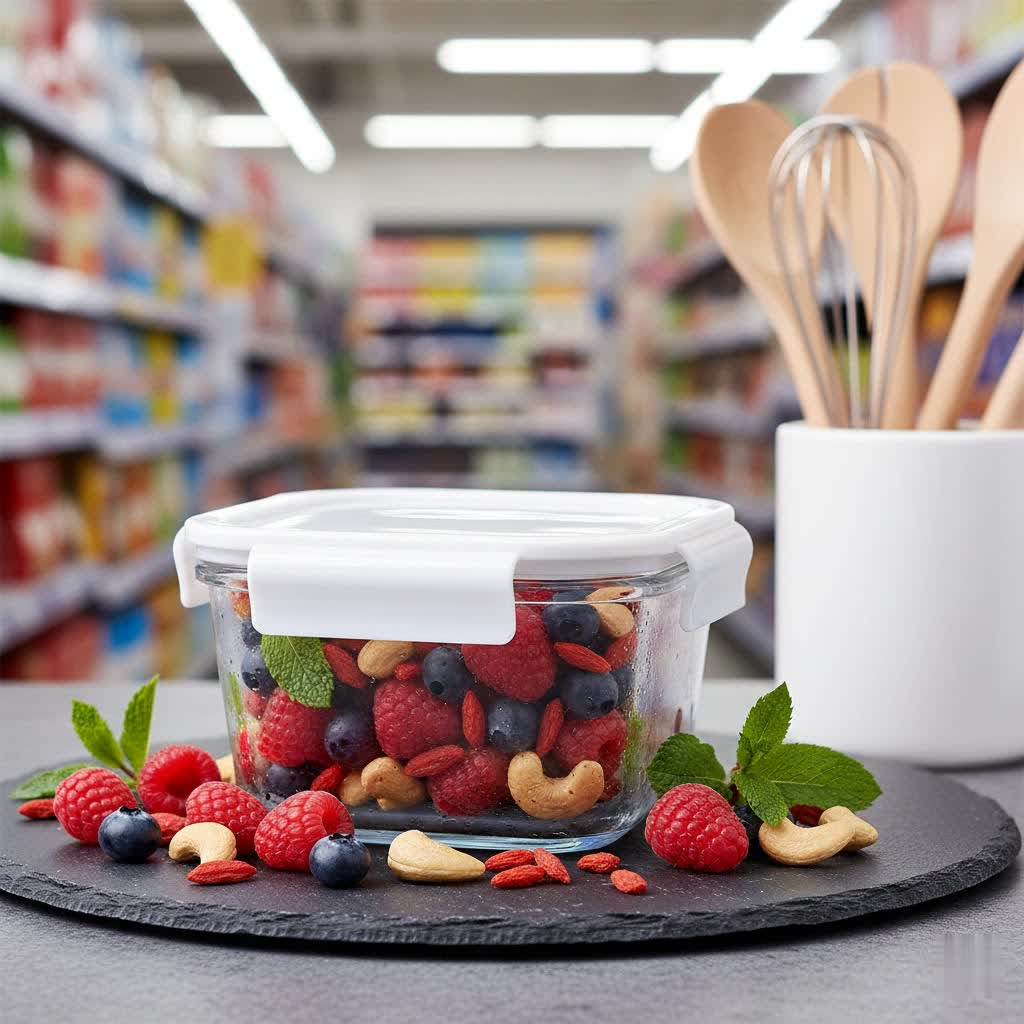
This comprehensive guide will delve into everything you need to know about these innovative storage solutions. From understanding how they work to exploring the diverse types available, and from discerning how to choose the perfect set for your needs to mastering their use and maintenance, we’ll equip you with the knowledge to transform your food preservation habits and embrace a fresher, more sustainable kitchen.
What Are Vacuum Food Storage Containers and Why Do You Need Them?
At their core, vacuum food storage containers are designed to extend the lifespan of your edibles by removing one of the primary culprits of spoilage: oxygen. This innovative technology creates an airtight, low-oxygen environment, dramatically slowing down the natural processes of oxidation and the growth of aerobic bacteria and mold that cause food to degrade. By depriving these elements of the air they need to thrive, vacuum sealing keeps your food fresh up to five to eight times longer than traditional storage methods.
The benefits of integrating vacuum food storage containers into your kitchen extend far beyond mere freshness:
- Extended Freshness: Foods retain their original flavor, texture, and nutritional value for much longer. Vegetables stay crisp, fruits remain vibrant, and meats maintain their quality.
- Reduced Food Waste: By preventing premature spoilage, these containers help you make the most of your groceries, leading to less food thrown away.
- Cost Savings: Less food waste translates directly to fewer trips to the grocery store and significant savings on your food budget. Buying in bulk or taking advantage of sales becomes truly economical.
- Protection Against Freezer Burn: In the freezer, the absence of oxygen prevents ice crystals from forming on food, safeguarding its taste and quality.
- Faster Marinating: The vacuum environment opens the pores of food, allowing marinades to penetrate deeper and faster, intensifying flavors in a fraction of the usual time.
- Convenient Meal Prep & Portioning: Prepare larger batches of meals or portion out ingredients in advance, saving time during busy weekdays.
- Organized and Clean Storage: Airtight seals prevent leaks and odors from mixing, keeping your refrigerator and pantry tidy and free from cross-contamination.
- Environmental Impact: Reusable vacuum containers reduce reliance on single-use plastic wraps and bags, contributing to a more sustainable lifestyle.
Popular Types of Vacuum Food Storage Containers
The market offers a wide array of vacuum food storage solutions, each with unique characteristics catering to different needs. Understanding these variations will help you select the best fit for your home.
By Material
The material of your vacuum food container plays a crucial role in its durability, safety, and performance.
- Plastic Containers:
- Pros: Lightweight, often more affordable, shatter-resistant, and come in various shapes and sizes. Many are microwave, freezer, and dishwasher safe.
- Cons: Can stain or retain odors over time. It’s crucial to choose BPA-free plastics like polyethylene (PE) or polypropylene (PP) to avoid potential chemical leaching into food. Nylon-polyethylene blends offer enhanced strength and puncture resistance.
- Glass Containers:
- Pros: Non-reactive, meaning they won’t absorb odors or stains. They are also oven-safe (if made of borosilicate glass), microwave-safe, dishwasher-safe, and freezer-safe. Glass offers a clear view of contents and is generally considered a premium, healthier option.
- Cons: Heavier and more fragile than plastic, making them prone to breakage if dropped. Typically more expensive.
- Stainless Steel Containers:
- Pros: Extremely durable, resistant to odors and stains, and excellent for long-term cold storage. They are lightweight compared to glass and virtually indestructible.
- Cons: Opaque, so you can’t see the contents easily. Not microwave-safe. Often higher in price.
|
Our Picks for the Best Food Container in 2026
As an Amazon Associate I earn from qualifying purchases.
|
||
| Num | Product | Action |
|---|---|---|
| 1 | Vtopmart 8 Pack Glass Food Storage Containers with Airtight Lids, Glass Meal Prep Containers, Lunch Office Meal for Microwave, Oven, Freezer and Dishwasher, BPA Free |

|
| 2 | Ankou Airtight Food Storage Container with Pop Lid & 130ml Scoop, 4L/4.2qt *4 BPA-Free Cereal, Rice, Flour, Pasta & Snack Container, Stackable & Durable,Kitchen Pantry Organizer |
|
| 3 | Bentgo Prep - 20-Piece 1-Compartment Reusable Meal Prep Containers with Lids, PFAS & BPA Free Materials, Durable, Microwave, Freezer, & Dishwasher Safe To Go Food Storage (Mint) |
|
| 4 | Rubbermaid Brilliance BPA-Free Food Storage Containers, Medium Deep, 4.7 Cup, 2-Pack, Airtight & Leak-Proof, Microwave & Dishwasher Safe |
|
| 5 | 50 Pack (100-Piece) 24 oz Meal Prep Containers Reusable with Lids, Sturdy Leakproof & Food Safe, Microwave, Freezer, Dishwasher Safe Prep Containers, To Go Take Out Plastic Food Storage |
|
| 6 | 50 Pack (100-Piece) 32 oz Meal Prep Containers Reusable with Easy Open Lids, Sturdy Leakproof Food Safe, Microwave Freezer Dishwasher Safe, To Go Take Out Plastic Food Storage Pans with Lids, Black |
|
| 7 | Rubbermaid Brilliance Food Storage Containers BPA Free Airtight Lids Ideal for Lunch Meal Prep & Leftovers Set of 5 (3.2 Cup) |
|
| 8 | 60 Sets (120-Piece) Deli Containers with Lids, 32/16/8 oz X 20 Set Each, Leak-Proof & BPA Free Airtight Takeout Plastic Food Storage Containers for Soup, Freezer/Microwave/Dishwasher Safe |
|
| 9 | Rubbermaid Brilliance BPA Free Airtight Food Storage Containers with Lids, Set of 4 (4.7 Cup) Ideal for Lunch, Meal Prep, and Leftovers |
|
| 10 | Rubbermaid Brilliance Large Food Storage Container, 9.6 Cup, BPA-Free, Leak-Proof, Clear |
|
By Form and Activation Method
Vacuum food storage solutions come in different forms, often dictating the method of air removal.
- Manual Pump Containers: These containers feature a special valve on the lid. A separate handheld manual pump is used to extract air until a tight seal is achieved.
- Pros: Affordable, no electricity needed, great for everyday use and smaller quantities.
- Cons: Requires manual effort, might not achieve as strong a vacuum as electric systems.
- Electric Pump/Integrated System Containers: Some container sets come with a small, motorized electric pump that attaches to the container’s valve. Others integrate the vacuum pump directly into the lid or require connection to a countertop vacuum sealer machine via a hose.
- Pros: Effortless and efficient air removal, often achieves a stronger, more consistent seal.
- Cons: Requires electricity or batteries, typically more expensive, and the pump unit needs storage space.
- Vacuum Bags: These flexible bags are designed to be used with a vacuum sealer machine. Food is placed in the bag, and the machine extracts air and heat-seals the opening.
- Pros: Highly versatile for irregular shapes, ideal for sous vide cooking, and great for maximizing freezer space by compacting contents.
- Cons: Many are single-use, though reusable, washable options exist. Requires a dedicated vacuum sealer machine.
- Canisters/Jars: Similar to containers, these often have a valve for air extraction, typically used with an accessory hose from a vacuum sealer machine or a standalone pump.
- Pros: Excellent for dry goods like coffee, flour, or snacks, and can also be used for marinating.
- Cons: Generally less portable due to their bulk.
By Features
Beyond material and form, consider additional features that enhance usability and functionality.
- Airtight & Leak-proof: The fundamental feature, ensuring no air gets in and liquids stay contained.
- Freezer, Microwave, Dishwasher Safe: These properties offer convenience for various food preparation and cleaning tasks. Always check manufacturer specifications.
- Stackable Design: Maximizes storage space in your fridge, freezer, or pantry.
- Date Tracking: Some lids include a built-in dial or markers to track the storage date, helping you manage inventory.
Comparing Vacuum Food Storage Container Types
To help you make an informed decision, here’s a comparison of the most common types:
| Feature | Plastic (BPA-free) | Glass (Borosilicate) | Stainless Steel |
|---|---|---|---|
| Durability | Good (shatter-resistant) | Moderate (can break) | Excellent (virtually indestructible) |
| Heat Resistance | Limited (microwave-safe only, no oven) | High (oven, microwave, freezer safe) | High (freezer safe, not microwave) |
| Health Safety | Good (if BPA-free) | Excellent (non-reactive) | Excellent (non-reactive) |
| Odor/Stain Res. | Can absorb over time | Excellent | Excellent |
| Transparency | Yes | Yes | No |
| Weight | Lightweight | Heavy | Moderate |
| Price Range | Affordable to Mid-range | Mid-range to High | High |
| Convenience | Portable, versatile | Versatile, easy cleaning | Highly durable, long-term storage |
How to Choose the Right Vacuum Food Storage Containers
Selecting the ideal vacuum food storage system involves a careful assessment of your personal needs and preferences.
Assess Your Needs
Start by considering how you plan to use the containers:
- What types of food will you store? Dry goods, liquids, fresh produce, cooked meals, or delicate items? This will influence the best material and form.
- What capacity do you need? Are you storing individual portions, family-sized meals, or bulk ingredients? Look for sets with a variety of sizes.
- Do you need portability? If you plan to carry meals to work or school, lightweight and leak-proof options are key.
- Are specific features essential? Do you need containers that are microwave-safe for reheating, freezer-safe for long-term storage, or dishwasher-safe for easy cleaning?
Prioritize Safe Materials
Always opt for food-grade materials that won’t leach harmful chemicals into your food.
- For plastic, ensure it is explicitly labeled as BPA-free. Look for recycling codes #2 (HDPE) or #5 (PP).
- For glass, borosilicate glass is preferred as it withstands thermal shock, making it safe for transitions between freezer, oven, and microwave.
- For stainless steel, ensure it is food-grade 304 (18/8 or 18/10) stainless steel for optimal safety and corrosion resistance.
Check Durability and Seal Quality
A vacuum container is only as good as its seal.
- Material Thickness: Thicker plastic or glass indicates better durability and resistance to wear and tear.
- Lid and Gasket Quality: Examine the lid for a robust locking mechanism and the silicone gasket for a tight, consistent seal. A poorly designed lid or a flimsy gasket will compromise the vacuum.
- Vacuum Mechanism: Whether it’s a manual pump or an electric one, ensure the mechanism feels sturdy and creates a strong vacuum efficiently.
Consider Ease of Use and Versatility
Your chosen system should be intuitive and adaptable to your lifestyle.
- Simplicity of Vacuum Process: How easy is it to achieve and release the vacuum? For daily use, a quick and straightforward process is vital.
- Stackability: Containers that nest or stack neatly can save valuable kitchen space.
- System Compatibility: If you already own a vacuum sealer, check if the containers are compatible with its accessory hose.
Read User Reviews
Before making a purchase, take time to explore reviews from other users. Real-world feedback can provide valuable insights into a product’s performance, durability, and any common issues. Look for consistent comments on how well the containers maintain a vacuum, their ease of cleaning, and overall satisfaction.
Top Vacuum Food Storage Containers Loved by Users
While specific models and brands can vary in availability and pricing, certain types of vacuum food storage containers consistently receive high marks for their effectiveness and user satisfaction. Here are examples of popular systems:
- Integrated Electric Pump Systems (e.g., Zwilling Fresh & Save): These systems often feature sleek designs with containers made from borosilicate glass or high-quality BPA-free plastic. The electric pump is compact and attaches to a valve on each lid, providing a powerful, consistent vacuum seal with minimal effort. Users love them for their elegant appearance and the ability to preserve a wide variety of foods from deli meats to fresh produce.
- Handheld Vacuum Sealer with Compatible Containers (e.g., FoodSaver Handheld): Ideal for smaller kitchens or those who prefer not to have a bulky countertop appliance, these systems use a small, cordless handheld device to remove air from specially designed bags and containers. The containers are typically BPA-free plastic and are praised for their convenience, ease of use, and stackable design. They are excellent for everyday fridge and pantry storage.
- Manual Pump Container Sets (e.g., Lasting Freshness): These sets provide a cost-effective entry into vacuum storage. They typically include a range of BPA-free plastic containers and a manual hand pump. Users appreciate their affordability and the fact that no electricity is required, making them suitable for travel or areas without power access. While requiring more effort, they effectively extend freshness for many food types.
- Universal Lid Systems: Some brands offer universal vacuum lids that can seal various smooth-rimmed bowls or containers you already own, often with a separate vacuum pump. This offers great flexibility and reduces the need to buy all new containers.
These popular choices highlight the range of options available, each catering to different preferences for convenience, material, and budget.
Tips for Using and Maintaining Your Vacuum Food Storage Containers
To maximize the benefits and extend the lifespan of your vacuum food storage containers, proper usage and maintenance are key.
Proper Cleaning and Care
- Regular Cleaning: After each use, wash your containers, lids, and sealing gaskets with warm, soapy water. Use a soft brush for crevices and valves to remove any food residue. Rinse thoroughly.
- Thorough Drying: Ensure all parts, especially the silicone gaskets and valves, are completely dry before reassembling or storing. Moisture can compromise the seal or encourage mold growth.
- Handle with Care: Avoid using abrasive scrubbers or harsh chemicals, which can damage the container material or sealing components.
Maximizing Freshness and Seal Integrity
- Cool Foods Completely: Always allow hot foods to cool to room temperature before vacuum sealing. Sealing hot food can create condensation inside the container, leading to bacterial growth and potentially weakening the vacuum seal.
- Don’t Overfill: Leave at least one inch of space (or about 3 cm) between the food and the lid. Overfilling can prevent a proper seal and cause food to interfere with the valve mechanism.
- Clean Sealing Surfaces: Before sealing, ensure the rim of the container and the gasket on the lid are free from any food particles, liquids, or grease, which can prevent an airtight seal.
- Label and Date: Even with extended freshness, vacuum-sealed food doesn’t last forever. Label containers with the contents and the date sealed to keep track of your inventory and ensure optimal consumption.
- Be Aware of Gas-Releasing Foods: Some fresh foods, such as onions, garlic, apples, and certain soft cheeses, naturally release gases as they ripen or age. These gases can eventually compromise the vacuum seal. For such items, it’s advisable to check the seal periodically and re-vacuum if necessary.
Troubleshooting Common Issues
- Loss of Vacuum: If your container loses its vacuum quickly, perform a “water test.” Fill the container halfway with water, seal it, and observe for bubbles indicating a leak. This helps identify cracks in the container, lid, or damaged seals.
- Difficulty Sealing: Check if the lid is correctly snapped onto all sides. Ensure the gasket is properly seated and clean. For electric pumps, confirm the accessory hose is securely attached to both the pump and the container valve.
By following these simple tips, you can ensure your vacuum food storage containers perform optimally, keeping your food fresher, longer, and simplifying your kitchen routine.
Conclusion
Vacuum food storage containers are much more than just another kitchen gadget; they represent a fundamental shift in how we approach food preservation, waste reduction, and kitchen efficiency. By creating an oxygen-deprived environment, these ingenious tools keep your food fresher for significantly longer, safeguarding flavor, texture, and vital nutrients. This not only translates into substantial savings on your grocery bills but also makes a meaningful contribution to a more sustainable lifestyle by drastically cutting down on food waste.
Whether you opt for lightweight plastic, elegant glass, or robust stainless steel, and whether you prefer the simplicity of a manual pump or the efficiency of an electric system, there’s a perfect vacuum storage solution waiting to revolutionize your kitchen. Embracing this technology means enjoying more vibrant meals, reducing your environmental footprint, and simplifying your daily routines.
What steps will you take to integrate vacuum food storage into your home and experience the benefits of a truly fresh kitchen?
Frequently Asked Questions
How long do vacuum-sealed foods typically last compared to conventional storage?
Vacuum-sealed foods can last significantly longer, often extending their shelf life by three to five times compared to traditional storage methods. For instance, fresh meat that lasts a few days in a regular container might last up to two weeks when vacuum-sealed in the refrigerator.
Can I vacuum seal liquids or delicate foods?
Yes, you can vacuum seal liquids and delicate foods. For liquids, ensure sufficient headspace in the container to prevent them from being drawn into the pump. For delicate items like berries or chips, choose containers over bags to prevent crushing, or use a pulse function on your vacuum sealer if available.
Are all vacuum food storage containers freezer, microwave, and dishwasher safe?
Not all containers have these features. While many BPA-free plastic and borosilicate glass containers are freezer, microwave, and dishwasher safe, it’s essential to always check the manufacturer’s specific instructions. Stainless steel containers are typically freezer and dishwasher safe but not microwave safe.
How do I know if my vacuum container has a good seal?
Many vacuum containers feature a “dimple” or indicator on the lid that visibly depresses when a strong vacuum is achieved. You should also feel a noticeable resistance when attempting to lift the lid without releasing the valve. If air leaks, you might hear a hissing sound or observe the indicator returning to its original position.
Can vacuum sealing help with meal planning and batch cooking?
Absolutely. Vacuum sealing is an excellent tool for meal planning and batch cooking. You can prepare large quantities of ingredients or entire meals, portion them out, and vacuum seal them. This allows you to store food safely for extended periods, making it easy to grab and reheat healthy meals throughout the week.
