In a world where kitchen space is a premium and meal prep is a lifestyle, efficient food storage is no longer a luxury—it’s a necessity. If you’ve ever wrestled with overflowing cabinets, precarious stacks, or a labyrinth of mismatched lids, you understand the frustration. The solution lies in smart organization, and at the heart of it all are stacking food storage containers. These clever vessels are designed to bring order to your kitchen, streamline your routines, and keep your food fresher for longer. This comprehensive guide will walk you through everything you need to know to choose, use, and love stacking food storage containers, transforming your kitchen into a model of efficiency and calm.
What Are Stacking Food Storage Containers and Why Do You Need Them?
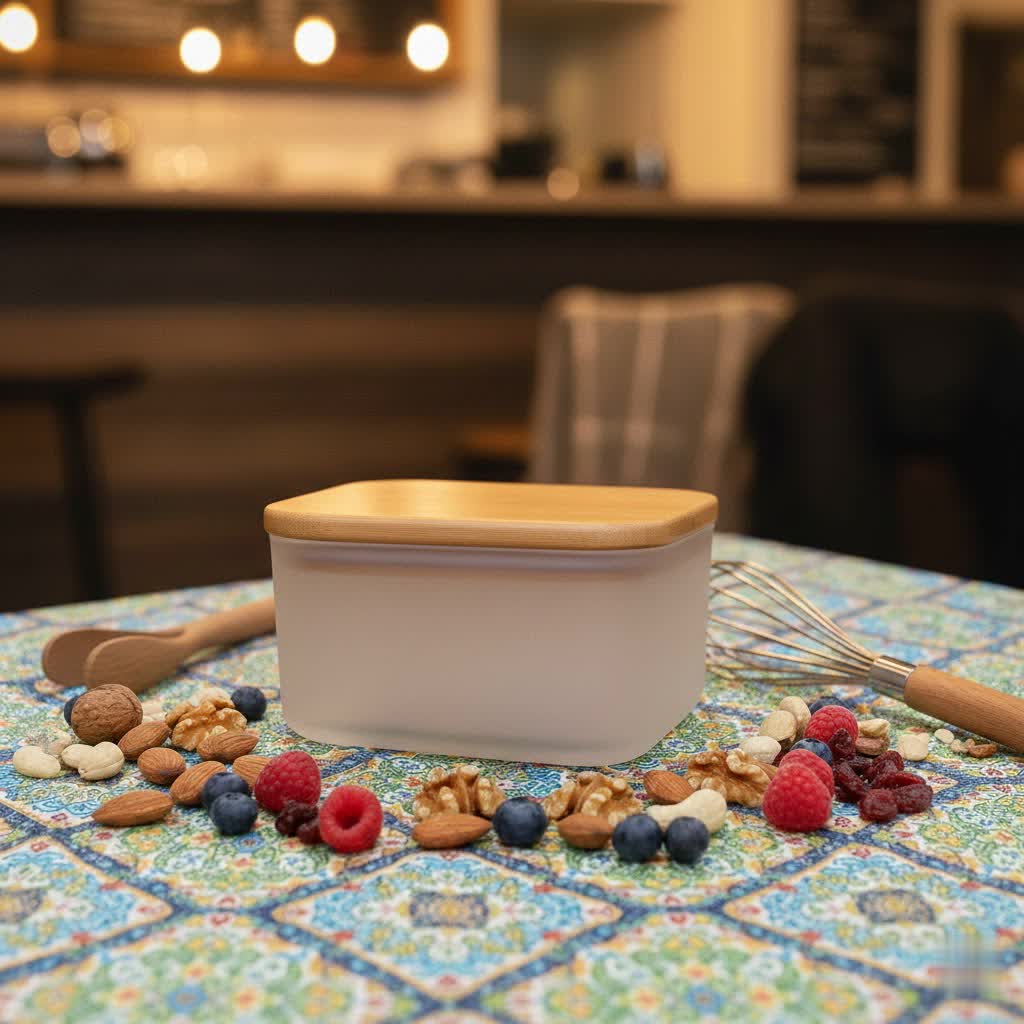
Stacking food storage containers are precisely what their name suggests: containers specifically designed to fit neatly on top of each other, maximizing vertical space in your refrigerator, pantry, or cabinets. Unlike random containers that create chaotic piles, stackable options often feature uniform bases and lids, interlocking designs, or flat surfaces that ensure stability when stacked.
The benefits of integrating these containers into your kitchen routine are extensive. First and foremost, they are an unparalleled space-saving solution. By utilizing vertical space effectively, you can store significantly more food without expanding your kitchen footprint. This declutters your shelves and makes items easier to find. Secondly, they play a crucial role in preserving food freshness. Many stackable containers come with airtight and leak-proof seals, shielding your food from air and moisture, which are primary culprits of spoilage. This extends the shelf life of leftovers, produce, and pantry staples. For those who embrace meal prep, stackable containers are a game-changer. They allow you to prepare multiple meals in advance, portion them out, and store them neatly, ready for a quick grab-and-go. This not only saves time but also supports healthier eating habits. Furthermore, by making your food visible and accessible, these containers help reduce food waste. You’re less likely to forget what you have, leading to smarter consumption and less money thrown away. Finally, a kitchen organized with uniform, stackable containers simply looks better, contributing to a more aesthetically pleasing and functional environment.
Popular Types of Stacking Food Storage Containers on the Market
The market offers a wide array of stacking food storage containers, each with unique characteristics driven by material, shape, and special features. Understanding these variations is key to selecting the best fit for your household’s needs.
By Material
The material of your food storage container impacts its durability, safety, and how it can be used.
- Plastic:
- Pros: Lightweight, affordable, shatter-resistant, and highly versatile. Many plastic containers are microwave, freezer, and dishwasher safe.
- Cons: Can stain easily (especially with tomato-based sauces), may retain odors, and historically raised concerns about BPA leaching.
- Safe Plastic Types: Always look for “BPA-free” plastic, typically made from Polypropylene (PP) with recycling code 5, which is generally considered safe for food storage.
- Glass:
- Pros: Non-porous, meaning it won’t stain or absorb odors. It’s oven-safe (without lid), microwave-safe, freezer-safe, and dishwasher-safe, offering superior versatility. Glass also looks elegant and allows for clear visibility of contents.
- Cons: Heavier and more fragile than plastic, making it less ideal for transport or households with young children. Generally more expensive.
- Stainless Steel:
- Pros: Extremely durable, rust-resistant, and non-reactive, making it an excellent choice for long-term storage or transporting food without concerns about chemicals. Great for keeping food hot or cold.
- Cons: Opaque, so you can’t see the contents without opening. Can be heavier than plastic and often more expensive than glass or plastic. Not microwave-safe.
- Ceramic:
- Pros: Visually appealing, often used for decorative pantry storage. Can be oven and microwave safe.
- Cons: Very heavy and highly fragile. Primarily suitable for dry goods or stationary storage.
- Silicone:
- Pros: Flexible, often collapsible, making them excellent for saving space when empty. Naturally non-stick, freezer-safe, and oven/microwave safe. Great for baking or storing purees.
- Cons: Less rigid for sturdy high stacking when full, can sometimes absorb strong odors or flavors over time.
|
Our Picks for the Best Food Container in 2026
As an Amazon Associate I earn from qualifying purchases.
|
||
| Num | Product | Action |
|---|---|---|
| 1 | Rubbermaid Brilliance Food Storage Containers BPA Free Airtight Lids Ideal for Lunch Meal Prep & Leftovers Set of 5 (3.2 Cup) |

|
| 2 | 50 Pack (100-Piece) 24 oz Meal Prep Containers Reusable with Lids, Sturdy Leakproof & Food Safe, Microwave, Freezer, Dishwasher Safe Prep Containers, To Go Take Out Plastic Food Storage |
|
| 3 | Vtopmart 8 Pack Glass Food Storage Containers with Airtight Lids, Glass Meal Prep Containers, Lunch Office Meal for Microwave, Oven, Freezer and Dishwasher, BPA Free |
|
| 4 | 50 Pack (100-Piece) 32 oz Meal Prep Containers Reusable with Easy Open Lids, Sturdy Leakproof Food Safe, Microwave Freezer Dishwasher Safe, To Go Take Out Plastic Food Storage Pans with Lids, Black |
|
| 5 | Rubbermaid Brilliance Large Food Storage Container, 9.6 Cup, BPA-Free, Leak-Proof, Clear |
|
| 6 | Rubbermaid Brilliance BPA Free Airtight Food Storage Containers with Lids, Set of 4 (4.7 Cup) Ideal for Lunch, Meal Prep, and Leftovers |
|
| 7 | 60 Sets (120-Piece) Deli Containers with Lids, 32/16/8 oz X 20 Set Each, Leak-Proof & BPA Free Airtight Takeout Plastic Food Storage Containers for Soup, Freezer/Microwave/Dishwasher Safe |
|
| 8 | Rubbermaid Brilliance BPA-Free Food Storage Containers, Medium Deep, 4.7 Cup, 2-Pack, Airtight & Leak-Proof, Microwave & Dishwasher Safe |
|
| 9 | Bentgo Prep - 20-Piece 1-Compartment Reusable Meal Prep Containers with Lids, PFAS & BPA Free Materials, Durable, Microwave, Freezer, & Dishwasher Safe To Go Food Storage (Mint) |
|
| 10 | Ankou Airtight Food Storage Container with Pop Lid & 130ml Scoop, 4L/4.2qt *4 BPA-Free Cereal, Rice, Flour, Pasta & Snack Container, Stackable & Durable,Kitchen Pantry Organizer |
|
By Shape and Size
The shape and size of containers significantly impact their stacking efficiency and utility.
- Round Containers: While some round containers are designed to stack, they often leave unused gaps between them, making them less space-efficient than square or rectangular options.
- Square Containers: These are highly efficient for stacking and maximizing space in cabinets and refrigerators as they fit snugly together without gaps.
- Rectangular Containers: Similar to square containers, rectangular options are excellent for utilizing linear shelf space and stacking securely.
- Containers with Compartments: Ideal for meal prepping, keeping different food items separate within one unit. These are often designed to stack.
- Mini Containers: Perfect for sauces, dressings, or small portions of snacks.
- Large Containers: Essential for bulk storage of dry goods (pasta, flour, cereal) or large batches of leftovers.
By Features
Modern food storage containers come with a variety of features that enhance their functionality.
- Airtight and Leak-proof: The most critical feature for preserving freshness and preventing spills, especially for liquids or high-moisture foods. Look for secure locking lids or silicone seals.
- Ventilation Valves: Some containers have small vents on the lid, allowing steam to escape when microwaving, preventing pressure buildup.
- Microwave, Freezer, and Dishwasher Safe: These features offer maximum convenience for reheating, preserving, and cleaning. Always check specific temperature guidelines.
- Nesting vs. Stacking: While all discussed containers stack when full, “nesting” refers to containers that fit inside each other when empty, saving storage space when not in use. Some designs offer both.
- Universal Lids: Certain brands design their lids to fit multiple container sizes within the same product line, simplifying lid storage and finding the right match.
Comparing Stacking Food Storage Container Types
To help you decide, here’s a detailed comparison of the most common materials for stacking food storage containers:
| Feature / Material | Plastic (BPA-free PP) | Glass (Tempered) | Stainless Steel (Food-grade) | Silicone (Food-grade) |
|---|---|---|---|---|
| Durability | Good (shatter-resistant) | Moderate (breakable) | Excellent (dent-resistant) | Excellent (flexible) |
| Heat Resistance | Up to ~250°F (microwave safe) | Up to ~450°F (oven, microwave safe) | High (oven safe, no microwave) | Up to ~400°F (oven, microwave safe) |
| Cold Resistance | Excellent (freezer safe) | Excellent (freezer safe) | Excellent (freezer safe) | Excellent (freezer safe) |
| Chemical Safety | BPA-free crucial | Excellent | Excellent | Excellent |
| Stain/Odor | Prone to staining/odor retention | Resistant | Resistant | Can absorb odors |
| Transparency | Good | Excellent | Opaque | Opaque/Translucent |
| Weight | Lightweight | Heavy | Moderate to Heavy | Very Lightweight |
| Cost | Low | Moderate | High | Moderate |
| Convenience | Great for daily use, travel | Versatile, but fragile | Durable, good for travel | Collapsible, versatile |
| Stackability | Excellent | Excellent | Good (can be slippery) | Good (can be less rigid) |
How to Choose the Right Stacking Food Storage Containers
Selecting the perfect stacking food storage containers involves a thoughtful consideration of your lifestyle and specific kitchen needs.
Assess Your Usage Needs
Before diving into options, think about how you’ll primarily use the containers.
- What type of food will you store? Dry goods like pasta and cereal? Soups and liquids? Leftovers? Meal prepped dishes? This dictates required features like airtight seals or specific materials.
- What capacity do you need? Small portions for snacks or dressings, medium for individual meals, or large for bulk items? A mix of sizes is often ideal.
- Do you need special features? Will you be reheating in the microwave, baking in the oven, or freezing food frequently? This will guide your material choice. If you frequently transport meals, lightweight and leak-proof options are crucial.
Prioritize Safe Materials
Your health should always come first.
- Plastics: If opting for plastic, always ensure it is explicitly labeled “BPA-free.” Polypropylene (PP, recycling code 5) is generally a safe choice.
- Glass: Tempered glass is highly recommended for its durability and resistance to thermal shock, making it safe for various temperature changes.
- Stainless Steel: Look for food-grade stainless steel, typically 18/8 or 18/10, which ensures it is safe and resistant to corrosion.
- Certifications: When possible, look for products with recognized safety certifications from organizations relevant to food contact materials.
Check for Durability and Seal Quality
A container is only as good as its seal and construction.
- Durability: Choose containers made from thick, sturdy materials that can withstand daily use, washing, and occasional drops. Lids should be robust and not prone to cracking.
- Seal: For airtight and leak-proof performance, inspect the lid mechanism. Snap-on lids with silicone gaskets are generally very effective. Perform a simple water test if possible: fill the container with water, seal it, and shake to check for leaks.
Consider Practicality and Convenience
Ease of use and maintenance can make a big difference in your daily routine.
- Easy to Open/Close: Lids should create a secure seal but also be relatively easy to open without excessive force, especially if used frequently by all family members.
- Stackability: Look for containers with flat, stable lids and bases that interlock or stack securely without wobbling. Square or rectangular shapes typically offer the best stacking performance.
- Nesting: If cabinet space is limited when containers are empty, look for sets designed to nest compactly within each other.
- Cleaning: Dishwasher-safe containers save time and effort. Check if both containers and lids are dishwasher safe. Easy-to-clean designs without many nooks and crannies are also preferable.
Refer to User Reviews and Recommendations
The experiences of other users can provide invaluable insights.
- Online Reviews: Read reviews on e-commerce sites and specialty kitchenware forums. Pay attention to comments regarding durability, leak-proof performance, ease of cleaning, and how well they stack over time.
- Word-of-Mouth: Ask friends, family, or colleagues for their recommendations and experiences with different brands and types of stacking food storage containers.
Top 7 Stacking Food Container Characteristics You’ll Love
While specific brands change, certain types of stacking food containers consistently earn high praise for their design and functionality. Here are seven characteristics to seek out:
- Versatile Glass Sets with Locking Lids: These sets often include a variety of square and rectangular glass bases with airtight, four-latch plastic lids. They’re perfect for everything from oven baking (without lids) to meal prepping and microwaving leftovers, resisting stains and odors beautifully.
- Modular Clear Plastic Canisters for Pantry: Designed specifically for dry goods like cereal, flour, sugar, and pasta, these containers feature clear, straight-sided designs and often use a push-button or twist-lock mechanism for an airtight seal. Their uniform dimensions make them incredibly efficient for pantry organization.
- Space-Saving Collapsible Silicone Containers: Ideal for those with minimal storage space, these silicone containers collapse down when empty, taking up a fraction of the space. They are excellent for meal prep, freezing, and even camping, offering flexibility and durability.
- Meal Prep Powerhouses with Compartments: Often made from BPA-free plastic or glass, these stackable containers feature built-in dividers to keep different food components separate. They are designed for individual meal portions and are typically microwave, freezer, and dishwasher safe.
- Durable Stainless Steel Lunch Boxes: For robust, eco-friendly food transport, stainless steel stackable containers are a top choice. They are non-toxic, resistant to dents, and ideal for packing lunches, especially for kids, keeping food at desired temperatures for longer.
- “Easy Find Lid” Plastic Systems: Brands that offer universal lids or lids that snap onto the bottom of containers for storage are incredibly popular. This design eliminates the frustrating search for matching lids, ensuring your cabinet stays organized even when containers are not in use.
- Freezer-Specific Stacking Containers: These are often made from durable plastic or silicone designed to withstand freezing temperatures without cracking. They are optimized for batch cooking and freezing individual portions, sometimes featuring flexible materials for easy food removal.
Tips for Using and Maintaining Your Stacking Food Containers
To maximize the lifespan and effectiveness of your stacking food storage containers, proper use and maintenance are essential.
Proper Cleaning Techniques
The best cleaning method depends on the material:
- Plastic Containers: Most are dishwasher safe. For handwashing, use warm soapy water. To prevent odor absorption and staining, wash immediately after use, especially with oily or pigmented foods.
- Glass Containers: Almost all glass containers are dishwasher safe. For stubborn food residue, soaking in warm, soapy water is effective.
- Stainless Steel Containers: Dishwasher safe, but handwashing is recommended for longevity, especially for lids with seals. Avoid abrasive scrubbers that can scratch the surface.
- Silicone Containers: Dishwasher safe. For deep cleaning or odor removal, boiling in water for a few minutes can help.
Eliminating Odors and Stains
Plastic containers are most susceptible to lingering odors and stains.
- Baking Soda Paste: Mix baking soda with a little water to form a paste, spread it inside the container, and let it sit for a few hours or overnight before washing.
- Vinegar Soak: Fill the container with a mixture of equal parts white vinegar and water, let it sit, then wash.
- Sunlight: For stains, placing clear plastic containers outside in direct sunlight can naturally bleach them.
- Activated Charcoal: Placing a piece of activated charcoal inside a sealed container overnight can absorb odors.
Maximizing Stacking and Storage
The key to an organized kitchen is smart stacking.
- Uniformity is Key: Where possible, invest in sets of containers that are designed to stack together perfectly. Square and rectangular shapes are superior for maximizing space.
- Vertical Lid Storage: Instead of stacking lids flat, which can be messy, use a small dish drying rack, a dedicated lid organizer, or even tension rods in a drawer to store lids vertically. Some containers even have lids that snap onto the base when not in use.
- Nest When Empty: For containers that nest, ensure you store them in this manner to free up cabinet space.
- Group by Size/Type: Keep similar-sized containers together and group items like meal prep containers, dry goods containers, and freezer containers in designated zones.
What to Avoid
Be mindful of these common pitfalls to extend the life of your containers:
- Microwaving Certain Plastics: Always check if a plastic container is labeled “microwave safe.” Never microwave plastic not designated as such, as chemicals can leach into food.
- Thermal Shock for Glass: Avoid taking a glass container directly from the freezer and putting it into a hot oven, or vice-versa, as extreme temperature changes can cause it to shatter.
- Overfilling: Overfilling containers, especially with liquids, can compromise the seal and lead to spills or difficulty stacking.
- Harsh Abrasives: Avoid using steel wool or abrasive cleaners on any container, as they can scratch surfaces and damage seals.
Conclusion
Stacking food storage containers are more than just simple vessels; they are essential tools for a functional, organized, and enjoyable kitchen. By carefully considering materials, shapes, and features, you can select the perfect set to meet your needs, whether you’re a seasoned meal prepper, a busy parent, or simply someone looking to conquer kitchen clutter. Embracing stackable solutions means gaining valuable space, preserving food freshness, and simplifying your daily routines. Take the step to optimize your kitchen storage today, and experience the transformative power of a truly organized space. What aspect of your kitchen organization are you most excited to improve with stacking food storage containers?
Frequently Asked Questions
Are all plastic containers safe for food storage?
No, not all plastic containers are safe. Always look for plastic containers labeled “BPA-free” and ideally made from polypropylene (PP) with recycling symbol #5. Other plastics might leach chemicals into food, especially when heated, so checking labels is crucial for food safety.
How can I prevent my plastic containers from staining and absorbing odors?
To prevent staining and odors in plastic containers, wash them immediately after use, especially with highly pigmented foods like tomato sauce or curries. For stubborn issues, you can create a paste with baking soda and water, spread it inside, and let it sit overnight, or soak the container in a vinegar-and-water solution.
Can I put hot food directly into stacking food storage containers?
It depends on the container’s material. Glass and stainless steel containers can typically handle hot food directly. For plastic containers, check if they are explicitly labeled “hot food safe” or “microwave safe.” Allowing food to cool slightly before sealing and storing can also help prevent condensation and maintain freshness.
What is the most effective way to store lids for stacking containers?
The most effective way to store lids is separately from their bases, preferably in a dedicated organizer or a vertical holder within a drawer or cabinet. This prevents a jumbled mess and makes it easy to find the correct lid quickly. Some brands also offer lids that snap onto the bottom of their containers when empty.
Why are square or rectangular containers generally better for stacking than round ones?
Square and rectangular containers are superior for stacking because their straight sides allow them to fit snugly together without leaving wasted space between them. This maximizes storage efficiency in cabinets, refrigerators, and pantries, unlike round containers which often create dead space in corners and between items.
