In today’s fast-paced world, keeping our food fresh, organized, and accessible is more crucial than ever. For anyone serious about reducing food waste, saving money, and maintaining a well-ordered kitchen, Airtight Food Storage Containers are an indispensable tool. Whether you’re a seasoned meal prepper, a diligent home chef, or simply looking to keep your pantry staples in prime condition, understanding how to choose and utilize the best containers can transform your culinary routine. This comprehensive guide will walk you through everything you need to know about these kitchen essentials, ensuring your ingredients stay fresher, longer, and your kitchen remains a haven of organization.
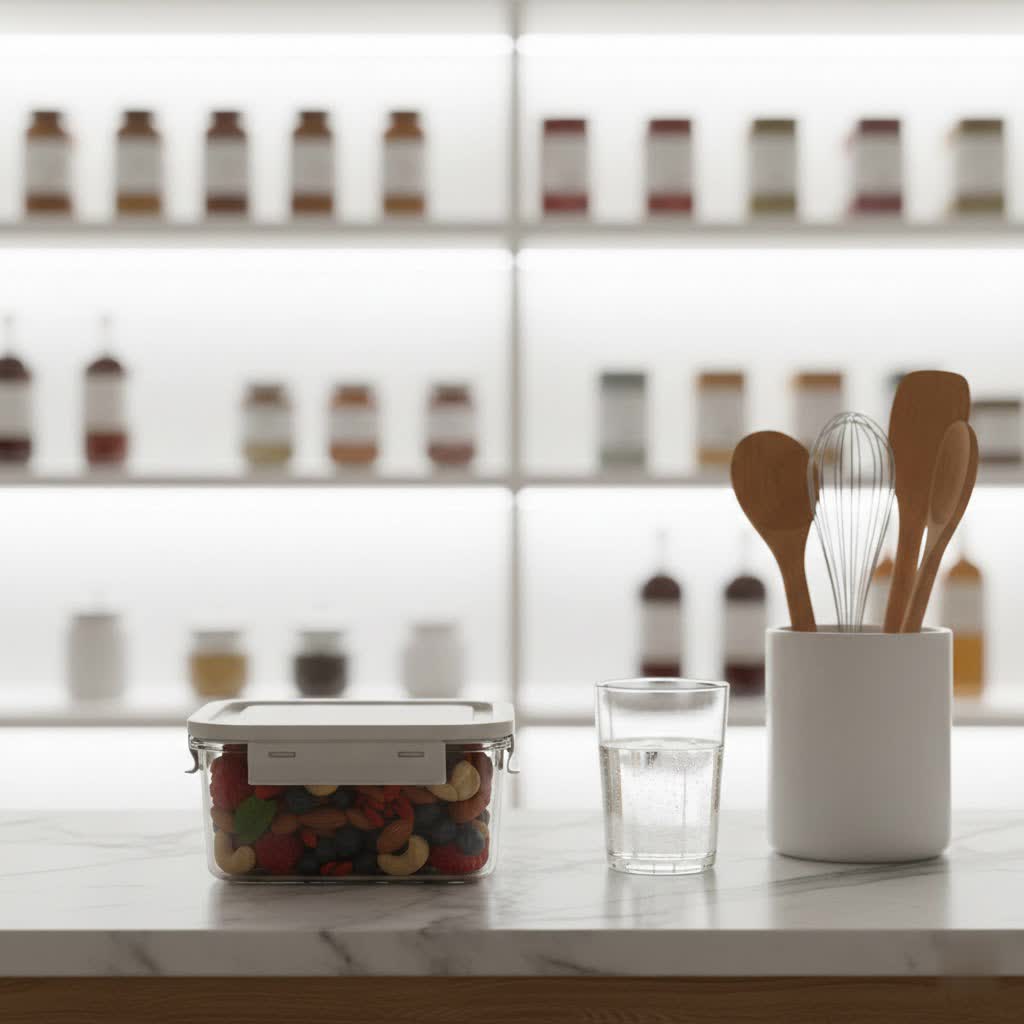
What Are Airtight Food Containers and Why Do You Need Them?
Airtight food containers are designed with a special sealing mechanism, typically involving silicone or rubber gaskets and secure latches, to prevent air and moisture from entering or exiting the container. This creates a controlled environment that significantly slows down the natural processes of food spoilage, such as oxidation and bacterial growth.
The benefits of incorporating airtight food containers into your kitchen extend far beyond simple freshness. They are vital for preserving food freshness, locking in flavor, texture, and vital nutrients by minimizing exposure to air. This also helps prevent spoilage, mold, and bacterial growth, which thrive in oxygen-rich, moist environments. Moreover, airtight containers offer excellent pest protection, safeguarding your dry goods from unwelcome invaders like insects and rodents that can easily chew through flimsy packaging. For those who enjoy meal prepping or packing lunches, their leak-proof and spill-proof design makes them incredibly convenient for transport, ensuring your bag stays clean and your food intact. Finally, by extending the shelf life of your ingredients and leftovers, these containers play a significant role in reducing food waste and, consequently, saving you money on groceries. They also contribute to a more organized kitchen, making it easier to find what you need and reducing clutter in your pantry and refrigerator.
Popular Types of Airtight Food Containers
Airtight food containers come in a variety of materials, shapes, and with different functionalities to suit every kitchen need and preference.
By Material
The material of your food container significantly impacts its durability, safety, and suitability for various uses.
- Plastic: Lightweight, affordable, and highly versatile, plastic containers are a common choice for many households. Modern plastic containers are often BPA-free, meaning they don’t contain Bisphenol A, a chemical that can potentially leach into food. While convenient, some plastics can be prone to staining, absorbing odors, or warping over time, especially with exposure to high heat. Always check if plastic containers are microwave and dishwasher safe, and for best practice, use the top rack in the dishwasher and avoid microwaving fatty or acidic foods.
- Glass: A highly durable and eco-friendly option, glass is non-porous, so it won’t absorb stains, odors, or flavors. Glass containers, particularly those made from borosilicate glass, are safe for the fridge, freezer, oven (without the lid), and microwave, offering exceptional versatility for cooking, storing, and reheating. The main drawbacks are their heavier weight and fragility, making them less ideal for on-the-go use if dropped.
- Stainless Steel: Known for its toughness, durability, and chemical-free nature, stainless steel is an excellent choice for long-term food preservation. It holds temperature well and doesn’t stain or absorb smells. However, stainless steel containers are not transparent, so you can’t see the contents at a glance, and they are not microwave-safe. They are ideal for cold storage, meal prepping, and packed lunches where durability is key.
- Ceramic: Gaining popularity for their aesthetic appeal and functionality, ceramic containers are sturdy and can withstand high temperatures. They are resistant to scratches and chipping, and many are safe for the oven, microwave, and freezer. Being non-toxic, they offer a safe storage solution. However, like glass, they can be heavy and are susceptible to cracking if subjected to extreme temperature changes too quickly.
- Silicone: Often used for gaskets and seals in other container types, silicone is also utilized for entire containers or reusable bags. It’s flexible, durable, and boasts high thermal endurance, making it suitable for a wide range of temperatures. Silicone is lightweight and resistant to odors and stains, making it a great alternative to plastic, especially for portability and freezing.
|
Our Picks for the Best Food Container in 2026
As an Amazon Associate I earn from qualifying purchases.
|
||
| Num | Product | Action |
|---|---|---|
| 1 | 50 Pack (100-Piece) 32 oz Meal Prep Containers Reusable with Easy Open Lids, Sturdy Leakproof Food Safe, Microwave Freezer Dishwasher Safe, To Go Take Out Plastic Food Storage Pans with Lids, Black |

|
| 2 | Bentgo Prep - 20-Piece 1-Compartment Reusable Meal Prep Containers with Lids, PFAS & BPA Free Materials, Durable, Microwave, Freezer, & Dishwasher Safe To Go Food Storage (Mint) |
|
| 3 | Vtopmart 8 Pack Glass Food Storage Containers with Airtight Lids, Glass Meal Prep Containers, Lunch Office Meal for Microwave, Oven, Freezer and Dishwasher, BPA Free |
|
| 4 | Rubbermaid Brilliance BPA Free Airtight Food Storage Containers with Lids, Set of 4 (4.7 Cup) Ideal for Lunch, Meal Prep, and Leftovers |
|
| 5 | 60 Sets (120-Piece) Deli Containers with Lids, 32/16/8 oz X 20 Set Each, Leak-Proof & BPA Free Airtight Takeout Plastic Food Storage Containers for Soup, Freezer/Microwave/Dishwasher Safe |
|
| 6 | Rubbermaid Brilliance BPA-Free Food Storage Containers, Medium Deep, 4.7 Cup, 2-Pack, Airtight & Leak-Proof, Microwave & Dishwasher Safe |
|
| 7 | 50 Pack (100-Piece) 24 oz Meal Prep Containers Reusable with Lids, Sturdy Leakproof & Food Safe, Microwave, Freezer, Dishwasher Safe Prep Containers, To Go Take Out Plastic Food Storage |
|
| 8 | Ankou Airtight Food Storage Container with Pop Lid & 130ml Scoop, 4L/4.2qt *4 BPA-Free Cereal, Rice, Flour, Pasta & Snack Container, Stackable & Durable,Kitchen Pantry Organizer |
|
| 9 | Rubbermaid Brilliance Food Storage Containers BPA Free Airtight Lids Ideal for Lunch Meal Prep & Leftovers Set of 5 (3.2 Cup) |
|
| 10 | Rubbermaid Brilliance Large Food Storage Container, 9.6 Cup, BPA-Free, Leak-Proof, Clear |
|
By Shape and Size
The shape and size of your containers impact organization and utility.
- Round, Square, and Rectangular: These are the most common shapes. Square and rectangular containers are often preferred for maximizing storage space in pantries and refrigerators as they fit snugly without wasted gaps.
- Divided Containers: Perfect for meal prepping, these containers feature internal dividers to keep different food components separate, preventing sogginess or flavor mixing.
- Mini and Large Containers: From small portion-control containers for snacks and sauces to large bins for bulk dry goods like flour, rice, or cereal, varying sizes cater to diverse storage needs.
- Stackable Designs: Many containers are designed to stack neatly, optimizing vertical space in your cabinets and fridge, which is crucial for efficient kitchen organization.
By Feature
Beyond basic storage, many airtight containers offer specialized features.
- Heat Retention: While not typically “airtight” in the traditional sense for heat, some containers are designed with insulation to keep food warm or cold for extended periods, perfect for picnics or transporting hot meals.
- Leak-Proof: A fundamental aspect of airtight containers, ensuring liquids (soups, sauces) stay put, preventing spills during transport.
- Vented Lids: Some containers include small vents or valves that can be opened for microwave reheating, allowing steam to escape without removing the entire lid.
- Microwave-Safe: Indicates the container can be safely used in a microwave, often without the lid or with a vented lid.
- Dishwasher-Safe: Specifies if the container and lid can withstand cleaning in a dishwasher, usually on the top rack to protect plastic components from high heat.
Comparison Table: Popular Airtight Food Container Materials
| Feature | Plastic (BPA-Free) | Glass (Borosilicate) | Stainless Steel | Ceramic | Silicone |
|---|---|---|---|---|---|
| Durability | Moderate (can scratch/warp) | High (but breakable) | Very High | High (but can chip) | High (flexible, tear-resistant) |
| Heat Resistance | Low to Moderate (check label) | High (oven, microwave safe) | Very High (not microwave safe) | High (oven, microwave safe) | High (oven, microwave safe) |
| Health Safety | Good (BPA-free essential) | Excellent (non-leaching) | Excellent (non-leaching) | Excellent (non-leaching) | Excellent (food-grade) |
| Price | Low to Moderate | Moderate to High | High | Moderate to High | Moderate to High |
| Transparency | High | High | None | None | Low (translucent often) |
| Odor/Stain Resist. | Low (can absorb/stain) | High | High | High | Moderate to High |
| Portability | Excellent (lightweight) | Moderate (heavy, fragile) | Good | Low (heavy, fragile) | Excellent (light, flexible) |
| Eco-Friendliness | Moderate (recyclable, but wear) | High (reusable, recyclable) | High (reusable, recyclable) | High (reusable, durable) | High (reusable, durable) |
How to Choose the Right Airtight Food Containers
Selecting the perfect airtight food container involves considering your specific needs, the materials, and practical features.
Determine Your Usage Needs
Before diving into options, think about how you’ll primarily use the containers.
- Type of Food: Are you storing dry pantry staples like flour, sugar, or cereal? Or fresh produce, leftovers, and liquids for the fridge? Perhaps you need containers for meal prepping to take to work or school. For dry goods, larger, stackable containers are often best, while smaller, leak-proof options suit liquids and lunch portions.
- Capacity: How much food do you typically store? Choose containers with appropriate volumes. A set with various sizes offers the most flexibility.
- Special Features: Do you need them for microwave reheating, freezer storage, or dishwasher cleaning? These requirements will narrow down your material and design choices.
Prioritize Safe Materials
Food safety should be paramount.
- BPA-Free Plastic: If opting for plastic, always ensure it is explicitly labeled “BPA-free” (often indicated by recycling codes #2, #4, or #5).
- Borosilicate Glass: This type of glass is more resistant to thermal shock, making it safer for transitions between fridge/freezer and oven/microwave.
- Food-Grade Stainless Steel (304): Ensure the stainless steel is 304 grade for optimal food safety and durability, as it is non-reactive and resistant to corrosion.
- Certifications: Look for certifications that guarantee the product meets food safety standards.
Check Durability and Heat Resistance
A good container should withstand daily use.
- Sturdy Construction: Choose containers with thick, robust materials that resist cracks, chips, and warping. Examine the lids and latches for strong, secure mechanisms.
- Temperature Range: Verify that the containers are suitable for the temperatures you intend to use them in (e.g., freezer-safe, oven-safe, microwave-safe). Glass and silicone generally handle a wider range of temperatures than plastic.
Evaluate Practicality and Convenience
Ease of use and maintenance is key for long-term satisfaction.
- Airtight Seal: The most critical feature. Look for robust silicone or rubber gaskets that create a tight seal. A simple test: fill the container with water, seal it, and turn it upside down to check for leaks.
- Easy to Open/Close: Lids should be secure but not overly difficult to manipulate, especially for daily use.
- Stackability: Containers that stack neatly save valuable cabinet and refrigerator space, promoting better organization.
- Ease of Cleaning: Opt for containers that are easy to wash, either by hand or in the dishwasher, without intricate crevices that can harbor food particles. Many prefer glass for its resistance to odors and stains, simplifying cleanup.
Consult User Reviews and Expert Recommendations
Before making a final decision, take advantage of others’ experiences. Read reviews on e-commerce sites, check consumer reports, and ask for recommendations from friends or family. Real-world feedback can offer valuable insights into a product’s true performance and longevity.
Top 5 Airtight Food Containers Preferred by Users
Based on current trends and consistent positive feedback, here are some top-rated airtight food container options that excel in performance, durability, and practicality:
-
Rubbermaid Brilliance Food Storage Containers (Plastic & Glass):
- Description: Consistently a top pick, these containers feature a clear, shatterproof plastic (or durable glass) base and a 100% leak-proof, airtight seal with secure latches. They are designed for 360-degree clarity, stain, and odor resistance.
- Pros: Exceptional airtight and leak-proof performance, highly durable, stackable design saves space, available in both plastic (BPA-free) and glass options, microwave-safe (with lid latches open), freezer-safe, and dishwasher-safe (top rack for plastic lids).
- Cons: Plastic versions can still show wear over time; glass versions are heavier.
- Best for: Everyday meal prep, pantry organization, fridge storage, and transport of liquids or moist foods.
-
OXO Good Grips POP Containers:
- Description: Famous for their unique push-button airtight seal, these sleek containers are perfect for pantry organization. The button on the lid creates an airtight seal with a single press and doubles as a handle for the lid.
- Pros: Excellent airtight seal for dry goods, modular and stackable design, clear view of contents, easy to clean (new designs allow whole lid in dishwasher), variety of sizes and accessories (e.g., scoops).
- Cons: Primarily for dry storage; not ideal for liquids or microwave reheating.
- Best for: Storing dry goods like cereal, flour, sugar, pasta, coffee, and snacks in the pantry.
-
Caraway Glass Airtight Storage Containers:
- Description: These elegant glass containers combine functionality with a stylish design, perfect for both storage and serving. They feature high-resistance borosilicate glass and BPA-free, snug-fitting lids for an airtight seal.
- Pros: Made from non-toxic, scratch, stain, and odor-resistant borosilicate glass; truly airtight seal; wide openings for easy filling and scooping; aesthetically pleasing for countertop display.
- Cons: Higher price point; heavier and more fragile than plastic.
- Best for: Those who prioritize non-toxic materials, aesthetic appeal, and versatile use from fridge to oven.
-
Progressive International PrepWorks ProKeeper Storage Containers:
- Description: A line specifically designed for baking and pantry staples, such as flour, sugar, brown sugar, and cereals. Each container is tailored with unique features like a terra cotta disk for brown sugar or a leveler for flour.
- Pros: Highly specialized for specific dry goods, excellent airtight seals, sturdy construction, clear measurement markings, thoughtful accessories included (e.g., scoop, leveler), stackable design.
- Cons: Less versatile for general food storage; primarily designed for dry goods.
- Best for: Avid bakers and anyone looking to optimize storage for specific pantry ingredients.
-
Stasher Reusable Silicone Food Storage Bags:
- Description: While not rigid containers, Stasher bags are a revolutionary airtight solution made from platinum food-grade silicone. They feature a patented Pinch-Loc™ seal that is completely airtight and leak-proof.
- Pros: Extremely versatile (can go from freezer to microwave to oven), lightweight, durable, eco-friendly (reusable), easy to clean, available in various sizes and colors, excellent for sous vide cooking.
- Cons: More flexible than rigid containers, which may not suit all storage needs; higher upfront cost compared to basic plastic bags.
- Best for: On-the-go snacks, meal prep, freezing liquids, sous vide, and reducing single-use plastic.
Tips for Using and Maintaining Your Airtight Food Containers
Proper care ensures your airtight containers last longer and continue to perform effectively.
Correct Cleaning Practices
Regular and thorough cleaning is essential to maintain hygiene and the integrity of the seal.
- Wash Immediately: Always wash your containers with warm, soapy water immediately after use. This prevents food residue from hardening and stains from setting in.
- Gentle Cleaning: Use a soft sponge or cloth. Avoid abrasive scrubbers or harsh detergents, especially on plastic, as they can scratch the surface and compromise the seal over time.
- Disassemble Seals: For containers with removable silicone or rubber gaskets, take them out and wash them separately. Food particles and mold can easily hide underneath seals, impacting airtightness and hygiene. Ensure everything is thoroughly rinsed.
- Odor Removal: For stubborn odors, especially in plastic containers, create a paste with baking soda and water and let it sit in the container for a few hours or overnight before washing. Alternatively, soak the container in white vinegar for about 30 minutes. Glass containers are naturally more resistant to odors.
- Dry Completely: Crucially, ensure all parts—container, lid, and gasket—are completely dry before reassembling and storing. Trapped moisture can lead to mold and mildew growth.
Smart Storage and Longevity Tips
How you store your containers can greatly extend their lifespan.
- Store with Lids Off (or Ajar): When storing empty containers, especially plastic ones, it’s best to keep the lids off or slightly ajar to allow air circulation and prevent musty odors or mildew formation.
- Avoid Over-Stacking Heavy Items: While stackable designs are great, avoid placing excessively heavy items on top of plastic containers, as this can lead to warping or cracking over time, compromising the seal.
- Temperature Considerations:
- Allow hot food to cool down slightly before transferring it to any container, as extreme temperature changes can damage some materials, particularly plastic.
- Ensure containers are labeled “freezer-safe” before placing them in the freezer. For glass, avoid sudden temperature changes (e.g., from freezer directly to a hot oven) unless specifically designed for it.
- Never place plastic containers directly on a stovetop or in an oven unless explicitly stated by the manufacturer for oven use.
- Inspect Regularly: Periodically check the container body for cracks or chips and the seals/gaskets for signs of wear, stretching, or deterioration. A compromised seal means it’s no longer airtight. Many manufacturers offer replacement gaskets or lids, saving you from replacing the entire container.
> “The secret to maximizing the life of your food containers isn’t just about initial quality, it’s about consistent care. A clean, properly dried, and regularly inspected seal is the difference between food that stays fresh for days and food that spoils prematurely.” – Admin, reviewccus.com, Kitchenware Expert.
What to Avoid
- Harsh Chemicals: Stay away from bleach or abrasive cleaning agents.
- Microwaving Unsafe Plastics: Always check for microwave-safe labels. Avoid heating high-fat or acidic foods in plastic, as this can encourage chemical leaching and staining.
- Overfilling: Don’t overfill containers, especially with liquids, to prevent spills and ensure the lid can create a secure seal.
- Using for Non-Food Items: Stick to food storage to avoid cross-contamination or chemical reactions with the container material.
Conclusion
Airtight food storage containers are far more than simple kitchen accessories; they are foundational tools for a more efficient, economical, and health-conscious home. By understanding the diverse materials, features, and proper care techniques, you can make informed choices that benefit your food, your wallet, and the environment. From keeping your pantry organized to ensuring your meal prep stays delicious, investing in quality airtight food storage containers is a decision you won’t regret.
What’s the one item in your kitchen you wish you could keep fresh for longer?
Frequently Asked Questions
Do all containers labeled “airtight” truly offer the same level of seal?
No, not all containers labeled “airtight” perform equally. The effectiveness of the seal can vary greatly based on the material, lid design (e.g., snap-lock, vacuum-seal, twist-lock), and the quality of the gasket. Look for products with clear “true airtight” claims, supported by user reviews and reliable testing, or opt for vacuum-sealed models for superior air control.
Can I put hot food directly into an airtight container?
It’s generally recommended to allow hot food to cool slightly before placing it into any food storage container, especially plastic or glass. Rapid temperature changes can cause plastic to warp or, in the case of glass, lead to thermal shock which could cause breakage. Letting food cool also helps prevent condensation build-up and ensures better food safety.
How do I remove stains from plastic airtight containers?
For stubborn stains like tomato sauce on plastic containers, a common solution is to create a paste using baking soda and a small amount of water. Apply the paste to the stained area, let it sit for a few hours or overnight, then scrub gently and rinse. Exposure to direct sunlight for a few hours can also help fade certain stains on plastic.
Are silicone gaskets safe, and do they need special cleaning?
Yes, silicone gaskets are generally safe, made from food-grade silicone, and are crucial for creating an effective airtight seal. They do require special attention during cleaning: remove them from the lid and wash them separately to prevent mold and mildew growth in the crevices. Ensure they are completely dry before reattaching to maintain the seal’s integrity.
