Are you tired of opening your refrigerator to find wilted greens or discovering that your perfectly prepped meal has leaked all over your bag? For many home cooks and busy individuals, the struggle with food spoilage and kitchen disarray is all too real. The secret to a well-organized kitchen and long-lasting freshness lies in choosing the right food storage containers. With countless options available on Amazon, selecting the perfect set can feel overwhelming. This comprehensive guide will help you navigate the vast selection of Amazon food storage containers, providing you with the insights needed to make an informed decision and transform your food preservation habits.
What Are Food Storage Containers and Why Do You Need Them?
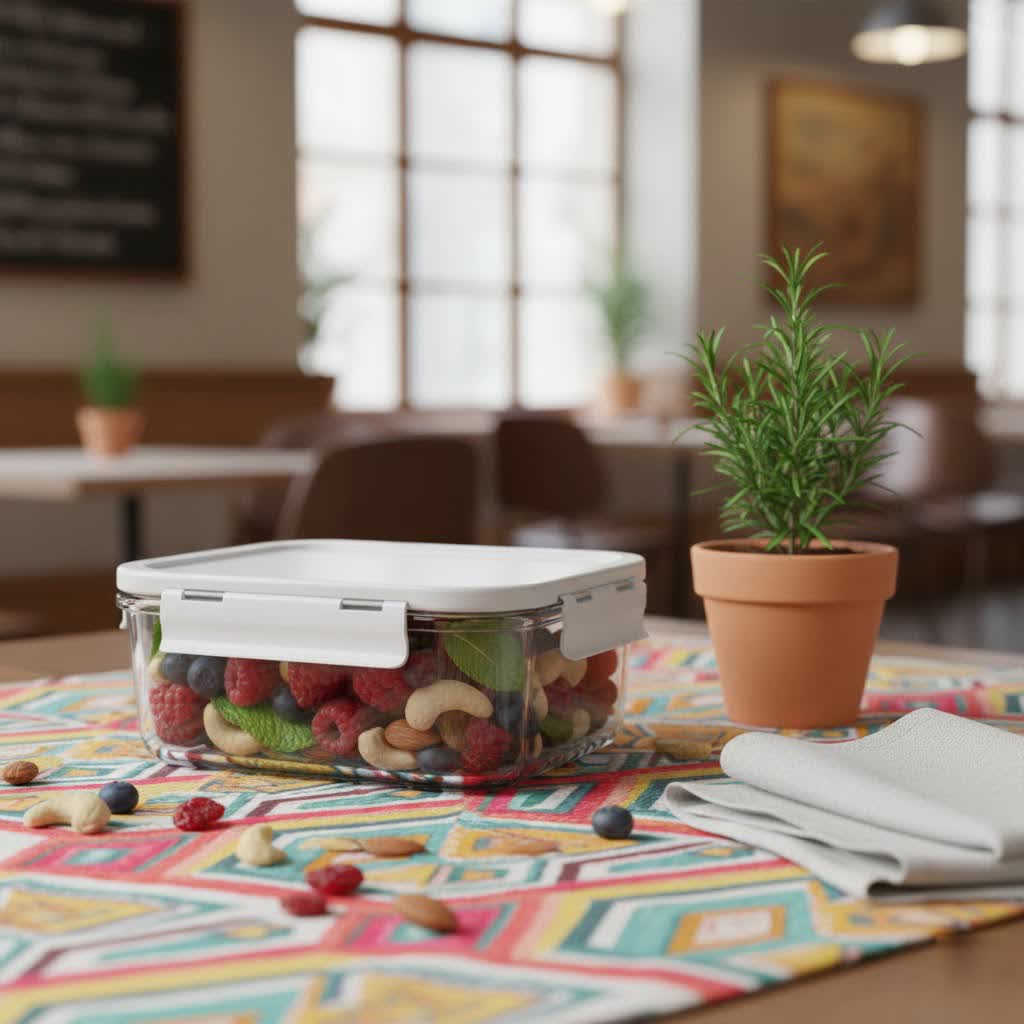
Food storage containers are essential kitchen tools designed to hold and preserve food items, keeping them fresh and organized. They come in various shapes, sizes, and materials, each offering unique benefits for different culinary needs. From meal prepping to storing leftovers, these containers are indispensable for maintaining an efficient and waste-free kitchen.
The benefits of incorporating high-quality food storage containers into your routine are numerous:
- Preserves Freshness: Airtight and leak-proof seals are paramount, preventing air exposure that leads to spoilage and keeping your food fresher for longer. This means your fruits stay crisp, your leftovers taste great, and your pantry staples remain protected.
- Enhances Convenience: Streamline your meal preparation by portioning meals in advance. These containers make it easy to pack lunches for work or school, ensuring you always have a healthy option on hand. Many are designed for portability, simplifying your daily routine.
- Supports Environmental Sustainability: By choosing reusable containers, you significantly reduce the need for single-use plastic wrap and bags, contributing to less waste. This small change helps protect the planet and reduces your household’s environmental footprint.
- Saves Money: Extending the shelf life of groceries and leftovers means less food waste and fewer trips to the grocery store or expensive takeout orders. Investing in durable containers pays off by protecting your food investments.
- Promotes Organization: Say goodbye to cluttered fridges, freezers, and pantries. Uniform, stackable food storage containers bring order to your kitchen, making it easy to find what you need and maximize storage space.
Popular Types of Food Storage Containers on Amazon
Amazon offers an extensive array of food storage containers, primarily categorized by their material, shape, and unique features. Understanding these distinctions will help you choose what best fits your lifestyle.
By Material
The material of your food storage container significantly impacts its performance, durability, and safety.
-
Plastic (BPA-free)
- Pros: Plastic containers are renowned for being lightweight and typically more affordable than other materials. High-quality options made from Tritan plastic are remarkably durable, resistant to shattering, and often feature good stain and odor resistance. Many are designed to be conveniently stackable and nestable, saving valuable cabinet space.
- Cons: While many plastics are BPA-free, concerns about microplastics persist. Lower-quality plastic can stain easily, absorb odors, or warp in the microwave or dishwasher if not specifically designed to handle heat. Not all plastic lids are oven-safe, even when paired with glass bases.
- Safe Types: Always look for labels like “BPA-free,” “Tritan plastic,” or “food-grade polypropylene.” Tritan is particularly praised for its glass-like clarity and enhanced durability.
-
Glass
- Pros: Glass containers are highly favored for their non-porous nature, meaning they won’t absorb food odors or stains, keeping them looking pristine. They are incredibly versatile, with bases often being safe for the oven, microwave, freezer, and dishwasher. Their transparent nature allows for easy identification of contents, and they offer an elegant aesthetic. Borosilicate glass is especially valued for its resistance to thermal shock, making it safer for transitions from freezer to oven.
- Cons: The primary drawbacks of glass are its heavier weight and fragility; it can shatter if dropped. They also tend to be more expensive than plastic alternatives. Lids are typically made of plastic and are usually not oven-safe.
-
Stainless Steel
- Pros: Known for their exceptional durability and longevity, stainless steel containers are virtually indestructible and resistant to corrosion. They are lightweight, non-toxic, and do not leach chemicals into food. Stainless steel is an excellent choice for those seeking a robust, long-term solution.
- Cons: A significant limitation is that stainless steel cannot be used in the microwave. They are also opaque, which means you can’t see the contents without opening the lid. Prices can be on the higher side.
-
Ceramic
- Pros: Ceramic containers often boast beautiful designs and can be oven-safe. They are great for certain pantry staples or serving dishes.
- Cons: They are generally heavy and prone to chipping or breaking. Many ceramic containers do not feature airtight seals, making them less ideal for long-term food preservation. They are also opaque.
-
Silicone
- Pros: Flexible and lightweight, silicone containers are often collapsible, making them excellent space-savers when not in use. They are usually safe for the freezer, microwave, and dishwasher, and many reusable silicone bags offer a fantastic plastic-free alternative for snacks, fruits, or even sous vide cooking.
- Cons: While durable, silicone can sometimes absorb oily residues or odors over time if not cleaned properly. They are also less rigid than glass or plastic, which might not be ideal for stacking or storing certain types of food.
|
Our Picks for the Best Food Container in 2026
As an Amazon Associate I earn from qualifying purchases.
|
||
| Num | Product | Action |
|---|---|---|
| 1 | Bentgo Prep - 20-Piece 1-Compartment Reusable Meal Prep Containers with Lids, PFAS & BPA Free Materials, Durable, Microwave, Freezer, & Dishwasher Safe To Go Food Storage (Mint) |

|
| 2 | Ankou Airtight Food Storage Container with Pop Lid & 130ml Scoop, 4L/4.2qt *4 BPA-Free Cereal, Rice, Flour, Pasta & Snack Container, Stackable & Durable,Kitchen Pantry Organizer |
|
| 3 | Rubbermaid Brilliance Food Storage Containers BPA Free Airtight Lids Ideal for Lunch Meal Prep & Leftovers Set of 5 (3.2 Cup) |
|
| 4 | 60 Sets (120-Piece) Deli Containers with Lids, 32/16/8 oz X 20 Set Each, Leak-Proof & BPA Free Airtight Takeout Plastic Food Storage Containers for Soup, Freezer/Microwave/Dishwasher Safe |
|
| 5 | 50 Pack (100-Piece) 32 oz Meal Prep Containers Reusable with Easy Open Lids, Sturdy Leakproof Food Safe, Microwave Freezer Dishwasher Safe, To Go Take Out Plastic Food Storage Pans with Lids, Black |
|
| 6 | 50 Pack (100-Piece) 24 oz Meal Prep Containers Reusable with Lids, Sturdy Leakproof & Food Safe, Microwave, Freezer, Dishwasher Safe Prep Containers, To Go Take Out Plastic Food Storage |
|
| 7 | Vtopmart 8 Pack Glass Food Storage Containers with Airtight Lids, Glass Meal Prep Containers, Lunch Office Meal for Microwave, Oven, Freezer and Dishwasher, BPA Free |
|
| 8 | Rubbermaid Brilliance BPA-Free Food Storage Containers, Medium Deep, 4.7 Cup, 2-Pack, Airtight & Leak-Proof, Microwave & Dishwasher Safe |
|
| 9 | Rubbermaid Brilliance BPA Free Airtight Food Storage Containers with Lids, Set of 4 (4.7 Cup) Ideal for Lunch, Meal Prep, and Leftovers |
|
| 10 | Rubbermaid Brilliance Large Food Storage Container, 9.6 Cup, BPA-Free, Leak-Proof, Clear |
|
By Shape and Size
The design of a food container plays a crucial role in its functionality and how efficiently it fits into your storage spaces.
- Round, Square, and Rectangular: These are the most common shapes. Square and rectangular containers are generally more space-efficient, allowing for tighter packing in refrigerators and cabinets.
- Divided Containers: Perfect for meal prepping, these containers feature internal dividers to keep different food components separate, preventing soggy salads or mixed flavors.
- Mini and Large: From tiny condiment cups to generous bulk storage bins for flour or pet food, selecting the right capacity ensures you’re not over- or under-packing your food.
By Feature
Modern food containers come with specialized features that enhance their utility.
- Airtight & Leak-proof: The gold standard for food preservation, these containers feature secure lids, often with silicone gaskets and locking latches, to prevent spills and keep air out. This is critical for liquids, sauces, and maintaining freshness.
- Ventilation for Microwaving: Many plastic lids, and some glass ones, come with built-in vents or steam release valves. These allow you to safely microwave food without removing the lid entirely, preventing splatters while still allowing steam to escape.
- Oven, Microwave, Freezer, and Dishwasher Safe: The versatility to move a container from freezer to oven (for glass bases), or from microwave to dishwasher, is a major convenience. Always verify the safety ratings for both the container base and lid.
Comparison Table: Choosing the Right Food Container Material
To help you make an informed decision, here’s a quick comparison of the most popular materials for food storage containers on Amazon:
| Feature / Material | Plastic (BPA-free) | Glass | Stainless Steel | Silicone |
|---|---|---|---|---|
| Durability | Good (shatter-resistant) | High (can chip/break) | Excellent (virtually indestructible) | Excellent (flexible, tear-resistant) |
| Weight | Lightweight | Heavy | Lightweight | Very Light |
| Transparency | Clear/Translucent (Tritan is very clear) | Clear | Opaque | Translucent/Opaque |
| Stain/Odor Res. | Moderate (Tritan is better) | High | High | Moderate (can absorb over time) |
| Heat Tolerance | Microwave/Freezer/Dishwasher (check specific) | Oven/Micro/Freezer/Dishwasher (bases only, lids vary) | Freezer/Dishwasher (Not Micro/Oven) | Oven/Micro/Freezer/Dishwasher |
| Leak-proof | Excellent (with good seals/latches) | Excellent (with good seals/latches) | Good (depends on lid design) | Excellent (especially bags) |
| Price | Affordable | Moderate-High | High | Moderate-High |
| Eco-friendliness | Reusable, but material concerns (microplastics) | Reusable, recyclable | Reusable, recyclable | Reusable, durable |
| Key Benefits | Portability, budget-friendly, good for dry goods | Versatility, hygiene, ideal for reheating | Robustness, chemical-free, light | Flexibility, compact, eco-friendly alternative |
How to Choose the Best Food Storage Containers on Amazon
Selecting the ideal food storage containers from Amazon requires careful consideration of your lifestyle and specific needs.
Assess Your Needs
Start by thinking about how you’ll primarily use the containers.
- What food will you store? Are you looking for solutions for dry pantry staples like pasta and cereal, or for liquids like soups and dressings? Do you need them for daily meal prepping or occasional leftovers?
- Desired capacity? A single person might need smaller containers for individual portions, while families might require larger sets or bulk storage options.
- Specific features? Do you need containers that are oven-safe for baking, freezer-safe for long-term storage, microwave-safe for reheating, or strictly leak-proof for carrying in a bag?
Prioritize Material Safety
Health and safety are paramount.
- BPA-free plastic: If choosing plastic, always ensure it is explicitly labeled as “BPA-free.” Tritan plastic is a superior choice, known for its clarity and resistance to staining and odors.
- Borosilicate glass: This type of glass is highly recommended for its ability to withstand sudden temperature changes, making it safer for transitions from freezer to oven or microwave.
- Stainless steel: An excellent inert material that won’t leach chemicals and is incredibly durable.
- Look for any safety certifications or indications of food-grade materials.
Evaluate Durability and Heat Resistance
A good container is a long-lasting container.
- Sturdy construction: Choose containers with thick walls and robust lids that can withstand daily use, including washing and storage.
- Secure seals: Inspect the lid design. Look for strong locking latches and tight silicone gaskets that create a reliable airtight and leak-proof seal.
- Temperature ratings: Confirm that the containers can handle the temperatures you intend to use them for (e.g., microwave, oven, freezer, dishwasher). Remember that plastic lids often have different temperature tolerances than glass bases.
Consider Practicality and Convenience
Ease of use and maintenance greatly impact your satisfaction.
- Ease of cleaning: Containers with smooth surfaces and minimal crevices are easier to clean. If a container has silicone gaskets, ensure they are removable for thorough cleaning to prevent mold buildup.
- Stackability/Nestability: For those with limited kitchen space, containers that stack neatly when full or nest inside each other when empty are invaluable for maximizing storage efficiency.
- Lid design: Look for lids that are easy to open and close, yet secure. Some brands offer interchangeable lids across different container sizes, simplifying organization.
Read Amazon Customer Reviews
Leverage the experience of other shoppers.
- Common feedback: Pay attention to recurring praises regarding leak-proof performance, durability, and ease of cleaning. Equally important are common complaints about staining, odors, or lid issues.
- Photos: User-submitted photos can often provide realistic insights into a product’s size, quality, and how it holds up over time.
Top Food Storage Containers on Amazon You’ll Love
Amazon is home to several highly-rated food storage containers that consistently deliver on quality and functionality. Here are some top picks that have garnered excellent reviews:
- Rubbermaid Brilliance Food Storage Containers (Plastic & Glass): Both plastic (BPA-free Tritan) and glass versions of Rubbermaid Brilliance are consistently praised. They feature an exceptionally clear, stain-resistant material, 100% leak-proof seals with secure latches, and built-in vents on the plastic lids for microwave heating. The glass bases are oven-safe, adding to their versatility. They are highly rated for keeping food fresh and their stackable design.
- Pyrex Simply Store Glass Food Storage Container Set: A classic choice, Pyrex containers are made from durable tempered glass, making them resistant to shattering and safe for oven, microwave, freezer, and dishwasher use (bases). Users love that they don’t retain food odors or stains, ensuring a clean taste for every meal. They offer reliable freshness and come in convenient sets.
- OXO Good Grips Smart Seal Glass Container Set: These containers are lauded for their robust airtight seal, which helps to preserve food freshness exceptionally well. They feature clear borosilicate glass bases and secure locking lids. While generally excellent, some reviews suggest checking for the tightest seal on all pieces to ensure consistent leak-proof performance.
- Glasslock Assorted Oven Safe Container Set: Glasslock containers are known for their durable, oven-safe tempered glass construction and airtight lids with four-latch locking mechanisms. They offer a good variety of shapes and sizes, perform well in preserving freshness, and are easy to clean, being dishwasher, microwave, and freezer safe.
- M MCIRCO 24-Piece Food Storage Containers Set (Plastic): This budget-friendly plastic set is a fantastic option for pantry organization, especially for dry goods like cereals, pasta, and snacks. It typically includes a large variety of sizes, features airtight locking lids, and often comes with bonus labels and a marker for easy content identification. While excellent for dry storage, they are generally not recommended for liquids.
- Stasher Premium Silicone Reusable Food Storage Bags: For those seeking a plastic-free alternative, Stasher bags are a standout. Made from platinum silicone, these bags are incredibly flexible, durable, and safe for the freezer, microwave, oven, and dishwasher. They are perfect for snacks, marinades, sous vide, and reducing single-use plastic.
Tips for Using and Maintaining Your Amazon Food Storage Containers
Proper care extends the life of your food storage containers and ensures they remain hygienic and effective.
- Proper Cleaning Techniques:
- Glass and Stainless Steel: These materials are generally dishwasher safe. For stubborn food residue, a good soak with warm, soapy water and a gentle scrub will usually suffice.
- Plastic: To prevent hazing, scratches, and potential staining, hand washing plastic containers with warm soapy water is often recommended, especially for the lids. For tomato-based stains, a paste of baking soda and a little water can work wonders if left to sit.
- Silicone Gaskets: Many airtight containers have removable silicone gaskets in the lids. Regularly remove these and clean them thoroughly to prevent mold and bacteria buildup, then ensure they are completely dry before reinserting.
- Odor Removal: If a container retains odors from strong-smelling foods, try soaking it in a solution of baking soda and water or white vinegar. For persistent odors, place a crumpled newspaper inside the container, seal it, and leave it overnight.
- Optimal Storage Practices: To prolong their lifespan and prevent unwanted odors, ensure your containers are completely dry before storing them, especially if stacking with lids on. Storing lids slightly ajar or separately can aid in air circulation. Utilize stackable and nestable designs to maximize your cabinet and drawer space.
- What to Avoid:
- Overheating plastic: Always check if your plastic containers are microwave-safe, and if so, use them without the lid or with the vent open to prevent warping.
- Sudden temperature changes for non-borosilicate glass: While many glass containers are versatile, extreme temperature shocks (like hot food directly into a frozen container, or vice-versa, for non-borosilicate glass) can cause cracking.
- Abrasive cleaners: Avoid harsh scrubbing pads or abrasive cleaning agents that can scratch the surface of any container, especially plastic or glass, potentially compromising their integrity and appearance.
- Storing acidic or oily foods in easily stained plastic: If you know a plastic container tends to stain, reserve it for less vibrant foods or opt for glass or stainless steel for highly pigmented or oily dishes.
“A well-chosen food storage container is an investment in your health, your wallet, and the environment. Prioritizing quality materials and smart design ensures that your food stays delicious and your kitchen remains a joy to use.”
Conclusion
Navigating the vast world of Amazon food storage containers can be daunting, but with the right knowledge, you can easily find the perfect solutions for your kitchen. We’ve explored the diverse types available, from versatile glass to durable plastic and eco-friendly silicone, each offering unique benefits for preserving food freshness, enhancing convenience, and promoting a more organized and sustainable lifestyle. By considering factors like material safety, durability, heat resistance, and practicality, alongside valuable customer reviews, you’re now equipped to make informed decisions.
Investing in high-quality food storage containers is a simple yet impactful way to elevate your home kitchen experience. It’s about more than just keeping food fresh; it’s about making meal prep easier, reducing waste, saving money, and enjoying a more harmonious culinary space. What’s the one feature you can’t live without in your food storage containers?
Frequently Asked Questions
What are the safest materials for food storage containers?
The safest materials typically include borosilicate glass, food-grade stainless steel, and BPA-free plastics like Tritan. These materials are non-reactive, resistant to chemical leaching, and generally considered safe for extended food contact, making them ideal for long-term storage and reheating.
Can I put Amazon food storage containers directly from the freezer to the microwave?
For glass containers, particularly those made from borosilicate glass, transitioning from freezer to microwave is often safe. However, always verify the manufacturer’s specific instructions, as extreme temperature changes can cause some glass types to crack. Plastic containers should generally be thawed partially before microwaving, and their lids should have steam vents.
How do I prevent my plastic food containers from staining?
To prevent plastic food storage containers from staining, especially from colorful foods like tomato sauce or turmeric, rinse them immediately after use. For existing stains, a paste made of baking soda and a small amount of water can be applied and left to sit before scrubbing. Choosing containers made with stain-resistant Tritan plastic or darker colors can also help.
Are all Amazon food storage containers leak-proof?
No, not all Amazon food storage containers are inherently leak-proof. To ensure a tight seal, look for products explicitly labeled “airtight” and “leak-proof.” These typically feature silicone gaskets and secure locking latches (often four-sided) that create a reliable barrier against spills and air entry. Always check customer reviews for real-world performance feedback.
How often should I replace my food storage containers?
The need for replacement varies by material and usage. Plastic containers should be replaced if they show signs of warping, deep scratches, cracking, significant staining, or if the lids no longer seal properly, as these can harbor bacteria or compromise food safety. Glass and stainless steel containers are more durable and can last for many years with proper care, but replace them if they become chipped, cracked, or show signs of rust.
