Stepping into a well-organized pantry feels like a breath of fresh air, doesn’t it? No more rummaging through cluttered shelves, dealing with stale snacks, or discovering unwelcome pantry pests. For anyone serious about maintaining food freshness, preventing waste, and streamlining their kitchen, the right food storage containers are not just a luxury—they are an absolute necessity. With countless options available, choosing the best ones for your pantry can be overwhelming. This comprehensive guide will cut through the clutter, helping you understand the essential types, materials, and features, ensuring you pick the perfect storage solutions for your home.
What Are Food Storage Containers and Why Are They Essential for Your Pantry?
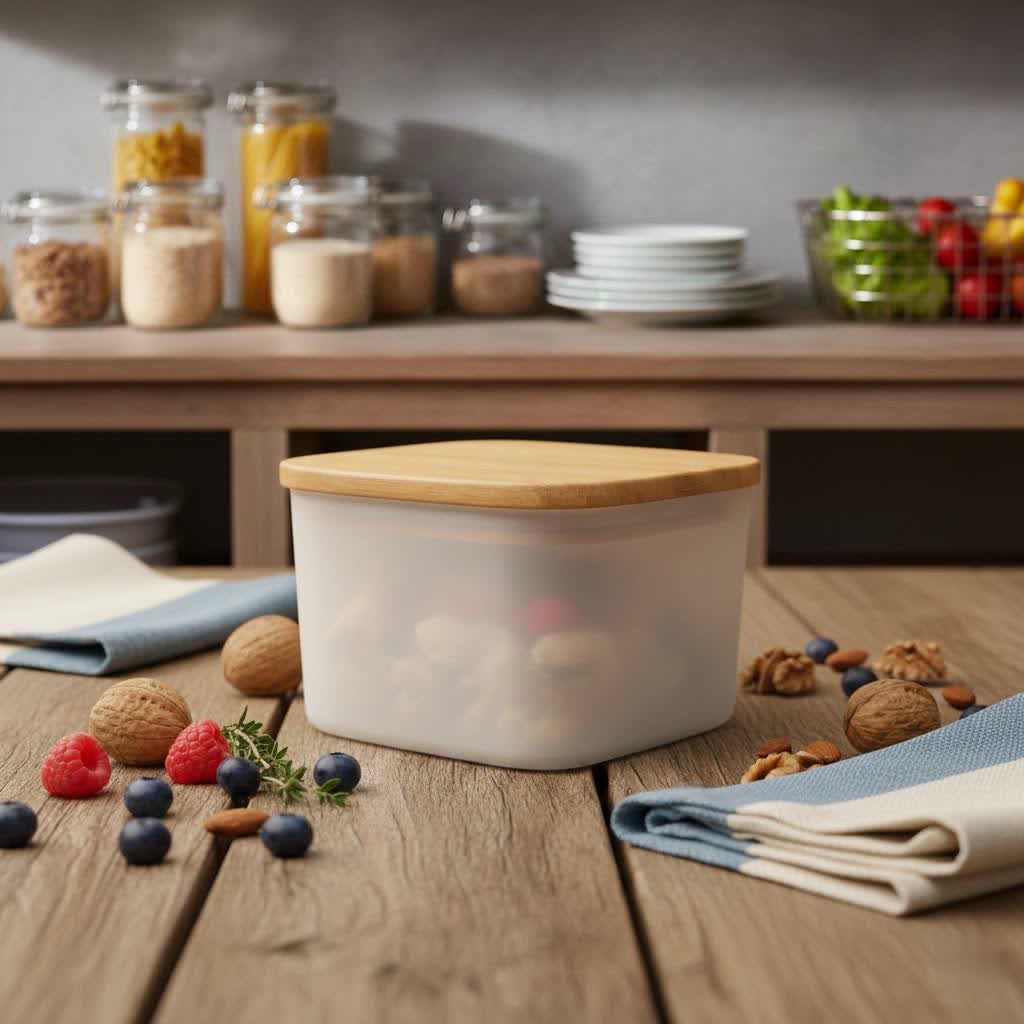
Food storage containers are vessels designed to hold various food items, protecting them from air, moisture, and pests. Specifically for the pantry, these containers are primarily used for dry goods like pasta, rice, flour, sugar, cereals, snacks, and baking ingredients. Their importance extends far beyond mere organization.
These containers play a critical role in preserving the quality and extending the shelf life of your pantry staples. By creating an airtight seal, they keep moisture out, preventing ingredients from clumping, going stale, or spoiling prematurely. This barrier also acts as a shield against common pantry invaders like ants, weevils, and moths, ensuring your food remains hygienic and safe to eat. Beyond freshness and protection, investing in quality food storage containers significantly improves pantry organization. They allow for uniform stacking, maximize vertical space, and provide clear visibility of contents, transforming a chaotic cupboard into an efficient, aesthetically pleasing storage system. Ultimately, this leads to less food waste and more cost-effective grocery shopping.
Popular Types of Food Storage Containers for Pantry Use
The market offers a diverse range of food storage containers, each with unique advantages and considerations for pantry applications. Understanding the different types, primarily by material, shape, and features, is key to making informed choices.
By Material:
Choosing the right material impacts everything from durability and safety to aesthetics and cost.
-
Plastic (BPA-free):
- Pros: Plastic containers are often lightweight, making them easy to handle, and are generally more affordable than other materials. Many plastic sets are designed for modular stacking, optimizing pantry space. Modern plastic containers are typically made from BPA-free materials, addressing health concerns. They are durable and less prone to breakage than glass.
- Cons: Over time, some plastics can absorb food odors and stains, especially from strong-smelling spices or oily snacks. They may also dull or scratch after repeated washing. There’s an ongoing discussion about microplastics, though BPA-free options mitigate some concerns. Some users report a slight “off-flavor” imparted to snacks stored in plastic.
- Examples: Rubbermaid Brilliance, OXO Good Grips POP, Chef’s Path, Cambro.
- Safe Plastic Types: Look for plastics labeled with recycling codes 1 (PET), 2 (HDPE), 4 (LDPE), and 5 (PP), which are generally considered food-safe. Avoid codes 3 (PVC), 6 (PS), and 7 (other/polycarbonate) if not specifically labeled BPA-free, especially for food contact.
-
Glass:
- Pros: Glass is non-porous and non-reactive, meaning it won’t absorb food odors or stains, nor will it impart any unwanted flavors into your food. It’s considered highly non-toxic and is often microwave, oven, freezer, and dishwasher safe. Its transparency allows for easy identification of contents, and it offers a sleek, premium aesthetic, especially for open pantry shelves or countertops.
- Cons: Glass containers are heavier and more susceptible to breakage if dropped, which can be a concern with young children or busy kitchens. They can also be more expensive than plastic alternatives.
- Examples: Caraway Glass, Pyrex Simply Store, Bentgo, Ball Mason Jars, Ello Duraglass, Glasslock, Le’raze, Guzzini.
-
Stainless Steel:
- Pros: Exceptionally durable, virtually indestructible, and non-reactive. Stainless steel is a non-toxic option that keeps light out, which can be beneficial for certain light-sensitive foods. It offers a modern, industrial aesthetic.
- Cons: The opaque nature means you can’t see the contents without opening the lid, which might be less convenient for a busy pantry. It’s generally more expensive and less common for general pantry dry goods, though great for specific items.
-
Ceramic/Stoneware:
- Pros: These containers are often chosen for their aesthetic appeal, adding a rustic or elegant touch to a kitchen. They are excellent for countertop storage of frequently used items like flour, sugar, or coffee beans, as they don’t impart any off-flavors.
- Cons: Ceramic and stoneware are heavy and prone to chipping or breaking. Many designs feature looser lids, meaning they might not be truly airtight, limiting their use for long-term freshness. They can also be quite expensive.
- Example: Le Creuset Stoneware Canisters.
-
Silicone:
- Pros: Flexible, durable, and generally non-toxic, silicone is often used for reusable bags or as gaskets for container lids to create an airtight seal. It’s lightweight and can be very versatile for various storage needs.
- Cons: Pure silicone containers are less rigid, making them unsuitable for stacking heavy dry goods. Like some plastics, silicone can absorb strong odors over time.
|
Our Picks for the Best Food Container in 2026
As an Amazon Associate I earn from qualifying purchases.
|
||
| Num | Product | Action |
|---|---|---|
| 1 | Rubbermaid Brilliance BPA Free Airtight Food Storage Containers with Lids, Set of 4 (4.7 Cup) Ideal for Lunch, Meal Prep, and Leftovers |

|
| 2 | Rubbermaid Brilliance Large Food Storage Container, 9.6 Cup, BPA-Free, Leak-Proof, Clear |
|
| 3 | 60 Sets (120-Piece) Deli Containers with Lids, 32/16/8 oz X 20 Set Each, Leak-Proof & BPA Free Airtight Takeout Plastic Food Storage Containers for Soup, Freezer/Microwave/Dishwasher Safe |
|
| 4 | Vtopmart 8 Pack Glass Food Storage Containers with Airtight Lids, Glass Meal Prep Containers, Lunch Office Meal for Microwave, Oven, Freezer and Dishwasher, BPA Free |
|
| 5 | 50 Pack (100-Piece) 24 oz Meal Prep Containers Reusable with Lids, Sturdy Leakproof & Food Safe, Microwave, Freezer, Dishwasher Safe Prep Containers, To Go Take Out Plastic Food Storage |
|
| 6 | Rubbermaid Brilliance Food Storage Containers BPA Free Airtight Lids Ideal for Lunch Meal Prep & Leftovers Set of 5 (3.2 Cup) |
|
| 7 | Rubbermaid Brilliance BPA-Free Food Storage Containers, Medium Deep, 4.7 Cup, 2-Pack, Airtight & Leak-Proof, Microwave & Dishwasher Safe |
|
| 8 | Ankou Airtight Food Storage Container with Pop Lid & 130ml Scoop, 4L/4.2qt *4 BPA-Free Cereal, Rice, Flour, Pasta & Snack Container, Stackable & Durable,Kitchen Pantry Organizer |
|
| 9 | Bentgo Prep - 20-Piece 1-Compartment Reusable Meal Prep Containers with Lids, PFAS & BPA Free Materials, Durable, Microwave, Freezer, & Dishwasher Safe To Go Food Storage (Mint) |
|
| 10 | 50 Pack (100-Piece) 32 oz Meal Prep Containers Reusable with Easy Open Lids, Sturdy Leakproof Food Safe, Microwave Freezer Dishwasher Safe, To Go Take Out Plastic Food Storage Pans with Lids, Black |
|
By Shape and Size:
The form factor of a container directly impacts pantry efficiency.
- Round, Square, and Rectangular: Square and rectangular containers are generally more space-efficient, fitting snugly against each other without wasted space, ideal for deep pantry shelves. Round containers can be easier to clean but less efficient for maximizing space.
- Tall and Slim: Perfect for items like spaghetti, long pasta, or cereal, making the most of vertical pantry space.
- Wide Mouth: Containers with wide openings are easier to fill, empty, and scoop ingredients from, especially important for flour or sugar.
- Modular and Stackable: Many sets are designed to stack neatly, creating a uniform look and saving precious shelf space.
- Specialized: Containers designed for specific ingredients, such as flour keepers with leveling bars or brown sugar keepers with terracotta discs to maintain moisture.
By Features:
Specific features enhance the functionality of storage containers.
- Airtight Seals: This is paramount for pantry storage to prevent spoilage and pests. Lids can feature snap-on mechanisms, pop-up buttons (like OXO POP), or vacuum seals.
- Clear Visibility: Transparent containers (glass or clear plastic) allow you to quickly identify contents and monitor levels, making grocery planning easier.
- Dishwasher, Freezer, Microwave Safe: These features add convenience and versatility, though material considerations often dictate compatibility. Always check manufacturer instructions.
- Easy to Open/Close: Lids should create a secure seal but also be simple to operate, especially when your hands are full.
- Nestable/Stackable: Containers that nest when empty save cupboard space, while stackable designs optimize pantry shelves.
Comparing Popular Food Storage Container Materials
| Feature | Plastic (BPA-free) | Glass | Stainless Steel | Ceramic/Stoneware | Silicone |
|---|---|---|---|---|---|
| Durability | Good, less prone to breakage than glass | Good, but susceptible to chipping/breaking | Excellent, nearly indestructible | Good, but can chip/break | Excellent, flexible, shatterproof |
| Heat Resistance | Varies; many are microwave safe, few oven safe | High; often oven, microwave, freezer safe | High; often oven safe, freezer safe | High; often oven safe, freezer safe | High; oven, microwave, freezer safe |
| Safety | BPA-free options are widely considered safe | Excellent, non-toxic, non-reactive | Excellent, non-toxic, non-reactive | Excellent, non-toxic, non-reactive | Excellent, non-toxic, non-reactive |
| Cost | Generally affordable, good value for sets | Moderate to high | High | High, often for aesthetic appeal | Moderate, especially for bags or lids |
| Transparency | Good, typically clear | Excellent, crystal clear | Opaque | Opaque | Translucent to opaque |
| Stackability | Excellent, many modular designs | Good, often stackable, but heavier | Varies by design, can be stackable | Varies, some stack, but often heavier/bulkier | Fair, less rigid for stacking |
| Best Pantry Use | Dry goods, cereal, snacks, bulk items | Dry goods, baking ingredients, items needing visibility | Bulk dry goods (flour/sugar), light-sensitive items | Countertop display, frequently used dry goods | Specialty items, bags for smaller snacks |
| Odor/Stain Resist | Can absorb odors/stains over time | Excellent, resists odors/stains | Excellent, resists odors/stains | Excellent, resists odors/stains | Can absorb strong odors |
How to Choose the Best Food Storage Containers for Your Pantry
Selecting the ideal food storage containers for your pantry involves a thoughtful assessment of your space, needs, and preferences. Here’s a step-by-step guide to help you make the best choice.
Determine Your Storage Needs:
Begin by considering what you need to store. Are you looking for containers for large bags of flour and sugar, or smaller quantities of spices and nuts? Different food types and volumes dictate different container sizes and features. For instance, tall containers are excellent for spaghetti, while wide-mouth containers are ideal for scooping baking ingredients. Think about how often you access certain items and whether they need special features like moisture-retaining discs for brown sugar.
Assess Your Pantry Space:
Before buying, measure your pantry shelves. This crucial step prevents you from purchasing containers that don’t fit, ensuring you maximize every inch of storage. Consider both the depth and height of your shelves. Slim, tall containers are great for narrow spaces, while modular, stackable sets make the most of vertical height. Think about whether you prefer a uniform look or a mix-and-match approach.
Prioritize Material Safety:
For any food-contact item, safety is paramount. When choosing plastic containers, always opt for those clearly labeled “BPA-free.” Glass and stainless steel are naturally non-toxic and non-reactive, offering peace of mind. Ensure any lids or gaskets are also made from food-grade materials. Look for certifications or reputable brands known for quality and safety standards.
Look for Airtightness and Durability:
The primary function of a pantry container is to keep food fresh and protected. An airtight seal is non-negotiable to block moisture, air, and pests. Test lid mechanisms for a secure fit that is still easy to operate. Durability is also key; containers should withstand daily use, including regular opening, closing, and washing, without cracking, warping, or losing their sealing ability. Heavy-duty plastic and tempered glass tend to offer better longevity.
Consider Usability and Convenience:
Beyond storage, consider the user experience. Are the containers easy to clean (dishwasher-safe is a huge plus)? Can you easily scoop ingredients out without making a mess? Do they stack efficiently when full and nest when empty to save space? Transparent containers offer convenience by allowing you to see what’s inside at a glance, eliminating the need to open every lid. Ease of refilling and handling also contributes to a smoother kitchen routine.
Refer to User Reviews and Recommendations:
Before making a final decision, consult reviews from other users and experts. Websites, culinary blogs, and consumer reports often provide valuable insights into real-world performance, durability issues, or unexpected benefits. Pay attention to comments regarding lid sealing, material quality after extended use, and overall satisfaction to gauge a product’s true reliability.
Top 6 Food Storage Containers for Your Pantry
Based on extensive testing and user feedback, these containers stand out for their performance, durability, and suitability for pantry organization.
-
Rubbermaid Brilliance Pantry Airtight Food Storage Containers:
- Description: These plastic containers are lauded for their exceptional airtight and leak-proof seals, secured by strong latches. They are designed for efficient stacking and come in a variety of sizes, making them versatile for different pantry staples. Made from BPA-free plastic, they offer crystal-clear visibility.
- Pros: Superb airtight seal, durable, stackable, clear, dishwasher and freezer safe.
- Cons: Can be pricey for a set, some users report a slight “plasticky” taste in very sensitive foods over time, and hairline cracks developing after extensive use/dishwashing.
-
OXO Good Grips POP Canisters:
- Description: OXO POP containers are renowned for their unique push-button airtight seal mechanism. Pressing the button engages a silicone gasket, creating a secure seal and serving as a handle for the lid. They are highly modular, stackable, and available in various shapes and sizes to fit diverse pantry items.
- Pros: Easy one-handed operation, highly effective airtight seal, excellent modularity and stackability, clear.
- Cons: Taller containers may not fit all pantry shelves, hand washing recommended for lids (silicone gaskets can get grimy), can be an investment.
-
Caraway Glass Airtight Container Set:
- Description: For those prioritizing glass, Caraway offers an aesthetic and functional solution. These wide-mouthed glass containers are easy to fill and scoop from, featuring vacuum-seal lids that keep contents fresh. They stack neatly and are made from non-toxic glass.
- Pros: Premium glass material, no off-flavors, effective vacuum seal, wide openings for easy access, stackable.
- Cons: Significantly higher price point, glass can be fragile, some reported inconsistencies in glass formation.
-
Pyrex Simply Store Glass Food Storage Containers:
- Description: A classic choice, Pyrex glass containers come in various sizes with secure, tight-fitting plastic lids. They are perfect for general pantry storage, easy to clean, and highly versatile, transitioning seamlessly from pantry to fridge, freezer, microwave, and even oven (without lids).
- Pros: Durable, non-toxic glass, clear for visibility, easy to clean, versatile (microwave, freezer, oven safe glass).
- Cons: Plastic lids may not be as long-lasting as the glass, and while tight, some may prefer a more robust latching mechanism for dry goods.
-
Cambro Containers With Lids:
- Description: Beloved by professional chefs, Cambro containers are heavy-duty, commercial-grade plastic options. While not always leakproof for liquids, their lids create a tight seal for dry goods. They are incredibly sturdy, affordable, and come in large sizes ideal for bulk pantry storage.
- Pros: Extremely durable, chef-approved, affordable for their capacity, stackable, freezer and dishwasher safe.
- Cons: Basic aesthetic, primarily designed for utility over style, only come in two-packs for most common sets.
-
Le Creuset Stoneware Canister with Wood Lid:
- Description: If aesthetics for countertop pantry storage are a priority, Le Creuset offers beautiful stoneware canisters with silicone-lined wooden lids. While not perfectly airtight like some plastic options, they are excellent for frequently used items like flour, sugar, or coffee beans, adding a touch of elegance.
- Pros: Highly aesthetic, premium stoneware, no off-flavors, easy to open and clean.
- Cons: Expensive per individual canister, wooden lids require hand washing, not fully airtight for long-term freshness of sensitive items, heavier and breakable.
Tips for Using and Maintaining Your Pantry Food Storage Containers
To ensure your food storage containers last for years and perform their best, proper usage and maintenance are essential.
- Proper Cleaning: Always follow the manufacturer’s cleaning instructions. Most plastic and glass containers are dishwasher-safe, but lids, especially those with silicone gaskets or intricate sealing mechanisms, often benefit from hand washing to maintain their integrity. For wooden lids, hand washing and occasional oiling are crucial to prevent warping or cracking.
- Eliminating Odors: If plastic containers absorb food odors, try soaking them in a solution of warm water and white vinegar, or leaving them open with crumpled newspaper or a sprinkle of baking soda inside for a day or two. Sunlight can also help neutralize odors.
- Maximizing Freshness: Always ensure containers are completely dry before adding dry goods to prevent mold and clumping. Store items in a cool, dry place away from direct sunlight. For highly sensitive items, consider storing them in smaller batches or adding oxygen absorbers if not using a vacuum-seal system.
- Labeling: This simple step makes a world of difference. Label containers with the contents and the purchase or expiration date. This helps in inventory management and ensures you use older items first, further reducing waste.
- Avoid Common Mistakes:
- Microwaving non-microwave-safe plastic: This can leach chemicals into your food and damage the container.
- Overfilling: An overfilled container may prevent the lid from sealing properly, compromising airtightness.
- Extreme temperature changes for glass: While many glass containers are thermal shock resistant, rapid changes can still cause breakage. Allow hot food to cool slightly before refrigerating or freezing in glass.
- Using abrasive scrubbers: These can scratch plastic and glass, creating crevices where bacteria can hide or compromising the container’s appearance.
Conclusion
Investing in the best food storage containers for your pantry is a powerful step towards a more organized, efficient, and waste-free kitchen. By carefully considering materials, features, and your specific storage needs, you can select solutions that keep your dry goods fresh, deter pests, and transform your pantry into a functional and beautiful space. From durable, airtight plastics to elegant, non-reactive glass, there’s a perfect container out there for every staple. With proper care and smart choices, your pantry can become a beacon of order and freshness, simplifying your cooking and enhancing your daily life.
What types of pantry items are you most excited to organize with your new food storage containers?
Frequently Asked Questions
Are plastic food storage containers safe for dry goods?
Yes, most modern plastic food storage containers are safe for dry goods, provided they are made from BPA-free materials and have an airtight seal. The USDA recommends storing items like rice, cereal, and pasta in tightly sealed, dry plastic containers.
How do I keep bugs out of my pantry containers?
Airtight containers are your best defense against pantry pests. Ensure lids form a tight seal, and regularly inspect your pantry for any spills or old food that could attract insects. Freezing grains for a few days before storing can also eliminate any potential insect eggs.
Can I use glass containers in the freezer?
Yes, most glass food storage containers are freezer-safe. However, avoid filling them to the very top, as liquids expand when frozen and could cause the glass to crack. Also, allow hot food to cool before placing it in the freezer to prevent thermal shock.
What is the best way to clean airtight container lids?
For airtight lids, especially those with silicone gaskets or intricate latching mechanisms, hand washing with warm, soapy water is often recommended. Pay close attention to the grooves and seals to remove any food residue. Some gaskets are removable for thorough cleaning, but always ensure they are properly reinstalled for an airtight seal.
How often should I replace my food storage containers?
The lifespan of food storage containers varies by material and usage. High-quality glass and stainless steel can last for many years, even decades. Plastic containers may need replacement every few years if they show signs of warping, cracking, staining, or if their airtight seal starts to fail. Regular inspection is key.
