In the heart of every well-managed kitchen lies an unsung hero: the humble food storage box with a lid. These essential containers are far more than simple vessels; they are critical tools for maintaining food freshness, simplifying meal preparation, and contributing to a more sustainable lifestyle. In an era where reducing food waste and optimizing kitchen efficiency are paramount, understanding how to choose the right food storage solutions is invaluable. This comprehensive guide will navigate you through the diverse world of Food Storage Boxes With Lids, helping you make informed decisions that benefit both your pantry and your planet.
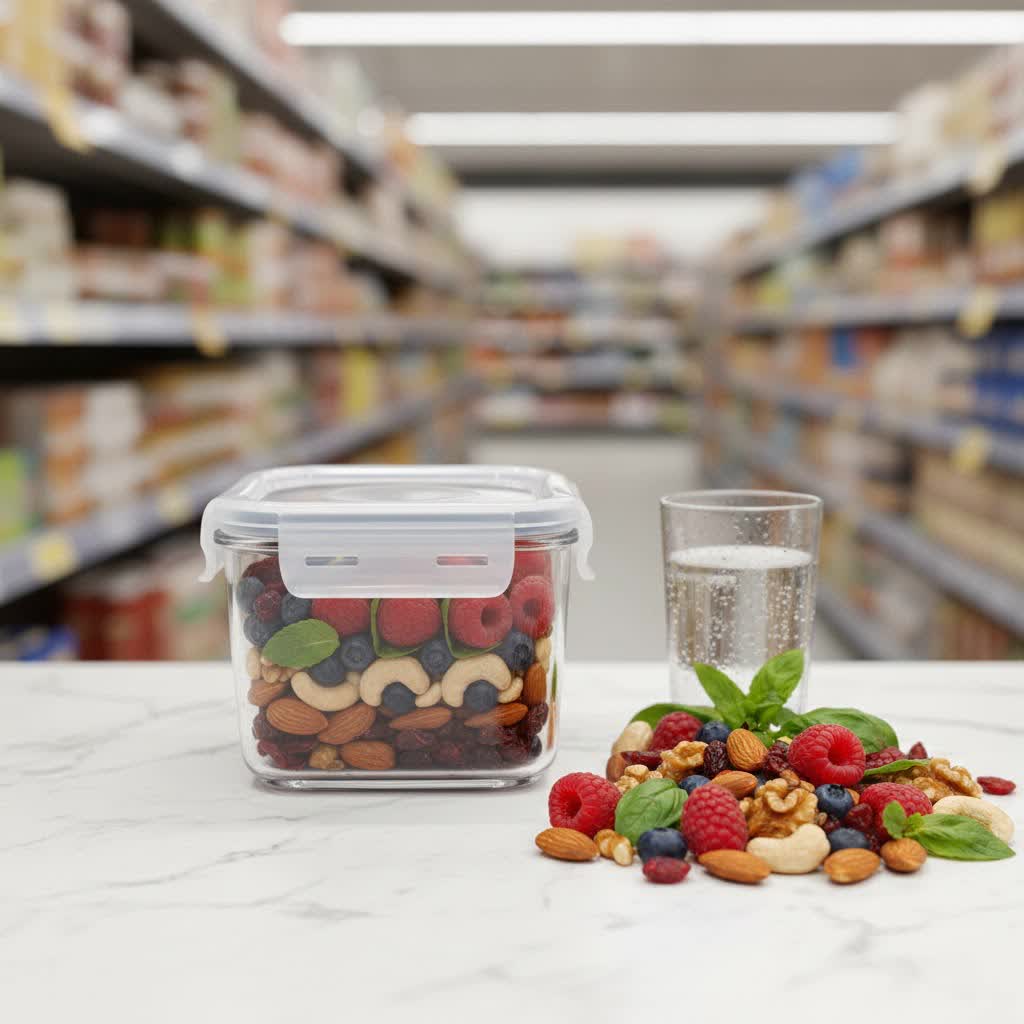
What Are Food Storage Boxes with Lids and Why Do You Need Them?
Food storage boxes with lids are reusable containers specifically designed to safely store and preserve food, from fresh ingredients to prepared meals. Their primary function is to create a barrier against air, moisture, and external contaminants, thereby extending the shelf life and quality of your edibles.
The benefits of incorporating high-quality food storage boxes into your daily routine are numerous and impactful:
- Food Preservation: Airtight and leak-proof seals are paramount. They prevent oxygen exposure, which slows down spoilage, locks in flavor, and keeps food fresher for longer, significantly reducing food waste.
- Convenience and Meal Prep: These containers are indispensable for meal planning and on-the-go eating. Prepare meals in advance, portion them out, and easily transport lunches to work or snacks for outings, streamlining your busy schedule.
- Environmental Impact: By opting for reusable food storage boxes, you actively diminish your reliance on single-use plastics, such as plastic wraps and disposable bags, contributing to a healthier environment.
- Cost Savings: Minimizing food spoilage directly translates to less waste and fewer trips to the grocery store. Efficient food storage helps you get the most out of your food budget.
- Kitchen Organization: Say goodbye to cluttered refrigerators and chaotic pantries. Stackable and uniformly designed containers bring order and maximize storage space, making it easy to find what you need.
Popular Types of Food Storage Boxes with Lids
Food storage boxes come in a variety of materials, shapes, and features, each offering distinct advantages. Understanding these differences is key to selecting the best options for your household.
By Material
The material of your food storage box dictates its durability, safety profile, and suitability for various uses.
-
Plastic
- Pros: Plastic containers are often the most affordable and lightweight option, making them excellent for portability. They are available in a vast array of shapes and sizes and are generally shatter-resistant. Many are microwave-safe (check labels).
- Cons: A primary concern with plastic is the potential for chemical leaching, especially when heated or if the plastic is old or damaged. They can also absorb food odors and stain over time, particularly with highly pigmented foods like tomato sauce.
- Safe Types: Always look for “BPA-free” (Bisphenol A-free) plastics. The safest types for food contact typically carry recycling codes #2 (HDPE – High-Density Polyethylene), #4 (LDPE – Low-Density Polyethylene), or #5 (PP – Polypropylene). Newer plastics like Tritan co-polyester are also considered safe alternatives. It’s generally advisable to avoid plastics with codes #1, #3, #6, and especially #7 (which can be polycarbonate and may contain BPA or other bisphenols like BPS/BPF), particularly for heating or long-term storage.
-
Glass
- Pros: Glass is celebrated for being non-reactive and non-porous, meaning it won’t leach chemicals into food, absorb odors, or stain. It’s incredibly versatile, being safe for use in the oven, microwave, freezer, and dishwasher. Its transparency allows for easy content identification, and glass is highly durable against wear and tear.
- Cons: The main drawbacks of glass are its weight, which can make it less ideal for transport, and its fragility, as it can chip or break if dropped. It also tends to be more expensive than plastic.
-
Stainless Steel
- Pros: Stainless steel containers are exceptionally durable, impact-resistant, and non-reactive, making them a safe choice that won’t interact with food. They are excellent at retaining temperature, keeping food hot or cold, and are easy to clean without absorbing odors.
- Cons: Stainless steel is not microwave safe, which can be a significant limitation for reheating. It’s also opaque, so you can’t see the contents inside, and can be more expensive than plastic.
-
Silicone
- Pros: Food-grade silicone containers are lightweight, flexible, and eco-friendly. They can withstand a wide range of temperatures, making them safe for the freezer, microwave, and even oven (for some products). Many are collapsible or foldable, saving valuable storage space.
- Cons: While generally non-porous, some silicone can absorb strong odors if not cleaned thoroughly or if exposed to pungent foods for extended periods. They are also less rigid than glass or plastic, which might affect stacking stability for very heavy items.
|
Our Picks for the Best Food Container in 2026
As an Amazon Associate I earn from qualifying purchases.
|
||
| Num | Product | Action |
|---|---|---|
| 1 | 60 Sets (120-Piece) Deli Containers with Lids, 32/16/8 oz X 20 Set Each, Leak-Proof & BPA Free Airtight Takeout Plastic Food Storage Containers for Soup, Freezer/Microwave/Dishwasher Safe |

|
| 2 | 50 Pack (100-Piece) 24 oz Meal Prep Containers Reusable with Lids, Sturdy Leakproof & Food Safe, Microwave, Freezer, Dishwasher Safe Prep Containers, To Go Take Out Plastic Food Storage |
|
| 3 | Rubbermaid Brilliance BPA-Free Food Storage Containers, Medium Deep, 4.7 Cup, 2-Pack, Airtight & Leak-Proof, Microwave & Dishwasher Safe |
|
| 4 | Bentgo Prep - 20-Piece 1-Compartment Reusable Meal Prep Containers with Lids, PFAS & BPA Free Materials, Durable, Microwave, Freezer, & Dishwasher Safe To Go Food Storage (Mint) |
|
| 5 | Rubbermaid Brilliance Large Food Storage Container, 9.6 Cup, BPA-Free, Leak-Proof, Clear |
|
| 6 | 50 Pack (100-Piece) 32 oz Meal Prep Containers Reusable with Easy Open Lids, Sturdy Leakproof Food Safe, Microwave Freezer Dishwasher Safe, To Go Take Out Plastic Food Storage Pans with Lids, Black |
|
| 7 | Ankou Airtight Food Storage Container with Pop Lid & 130ml Scoop, 4L/4.2qt *4 BPA-Free Cereal, Rice, Flour, Pasta & Snack Container, Stackable & Durable,Kitchen Pantry Organizer |
|
| 8 | Vtopmart 8 Pack Glass Food Storage Containers with Airtight Lids, Glass Meal Prep Containers, Lunch Office Meal for Microwave, Oven, Freezer and Dishwasher, BPA Free |
|
| 9 | Rubbermaid Brilliance Food Storage Containers BPA Free Airtight Lids Ideal for Lunch Meal Prep & Leftovers Set of 5 (3.2 Cup) |
|
| 10 | Rubbermaid Brilliance BPA Free Airtight Food Storage Containers with Lids, Set of 4 (4.7 Cup) Ideal for Lunch, Meal Prep, and Leftovers |
|
By Shape and Size
Food storage boxes are designed to accommodate diverse needs:
- Round, Square, and Rectangular: These are the most common shapes, with rectangular and square options often being more space-efficient in refrigerators and pantries.
- Compartmented: Ideal for meal prepping, these containers feature dividers to keep different food items separate, preventing flavors from mingling and maintaining texture.
- Mini to Large: From tiny containers for dressings and snacks to large bins for bulk dry goods or family-sized leftovers, a suitable size exists for every portion.
By Feature
Specialized features enhance the functionality of food storage boxes:
- Airtight and Leak-proof: Essential for preventing spills, preserving freshness, and protecting against freezer burn. Look for strong seals, often with silicone gaskets and locking tabs.
- Microwave/Oven/Freezer Safe: These labels indicate the container’s ability to withstand extreme temperatures, offering versatility for cooking, reheating, and long-term preservation.
- Stackable/Nestable: Designs that allow containers to stack securely when full or nest within each other when empty are invaluable for maximizing limited kitchen space.
- Vented Lids: Some lids include a small vent that can be opened during microwaving to release steam, preventing pressure buildup and splatters.
Comparing Food Storage Box Materials
Choosing the best material involves weighing various factors against your lifestyle and needs. Here’s a comparative overview:
| Feature | Plastic (BPA-free PP/HDPE) | Glass | Stainless Steel | Silicone (Food-Grade) |
|---|---|---|---|---|
| Durability | Moderate (can degrade over time) | High (resists wear, but fragile) | Very High (impact & corrosion-resistant) | High (flexible, tear-resistant) |
| Safety | Good (if BPA-free & food-grade) | Excellent (inert, no leaching) | Excellent (non-reactive) | Excellent (non-toxic, inert) |
| Transparency | High (clear plastic) | High | Low (opaque) | Low (translucent typically) |
| Microwave Safe | Yes (specific types only) | Yes | No | Yes |
| Oven Safe | No (generally) | Yes | Yes (without lids, generally) | Yes (specific types, check temp limits) |
| Freezer Safe | Yes | Yes | Yes | Yes |
| Stain/Odor Resistance | Low to Moderate (can absorb) | High | High | Moderate to High (can absorb some odors) |
| Weight | Lightweight | Heavy | Moderate | Lightweight |
| Cost | Low to Moderate | Moderate to High | High | Moderate to High |
| Portability | High | Low | High | High |
| Stackability | Good | Good | Good | Good (many designs are collapsible) |
How to Choose the Right Food Storage Boxes with Lids
Selecting the ideal food storage boxes requires a thoughtful approach, considering your specific needs and priorities.
Assess Your Needs
Start by evaluating how you plan to use your containers:
- Food Types: Will you be storing dry pantry staples, fresh produce, cooked meals, or liquids like soups and sauces? Different foods may benefit from different materials or sealing mechanisms.
- Capacity: Do you need small containers for single servings and snacks, or larger ones for bulk storage and family-sized leftovers?
- Appliance Compatibility: Consider if you need containers that are safe for the microwave, oven, freezer, or dishwasher. This will heavily influence your material choice.
- Portability: If you frequently pack lunches or take food on the go, lightweight and leak-proof options are crucial.
Prioritize Safe Materials
Your health should always be a top concern.
- BPA-Free and Food-Grade: Always look for clear labeling that indicates “BPA-free” and “food-grade.” While “BPA-free” is a good start, some experts suggest looking for products that also explicitly state “BPS-free” and “BPF-free” to avoid other potentially harmful bisphenols.
- Understand Plastic Codes: Familiarize yourself with recycling codes. Plastics labeled #2 (HDPE), #4 (LDPE), and #5 (PP) are generally considered the safest for food contact.
- Certifications: Check for certifications from regulatory bodies like the FDA (U.S. Food and Drug Administration) or LFGB (European food safety standard), which indicate rigorous safety testing.
Evaluate Durability and Seal Quality
A container is only as good as its lid and overall construction.
- Airtight and Leak-proof Seals: This is critical for preventing spills and preserving food quality. Look for lids with secure locking tabs or strong silicone gaskets. Test the seal by filling the container with water and shaking it (over a sink, just in case!).
- Sturdy Construction: Choose containers made from robust materials that can withstand daily use, temperature changes, and occasional bumps without cracking or warping.
- Lid Functionality: Ensure lids are easy to open and close, yet provide a tight seal. Universal lids that fit multiple container sizes can simplify storage.
Consider Practicality and Convenience
Think about how the containers will integrate into your kitchen routine.
- Stackability and Nestability: Optimize your storage space with containers that stack neatly in your fridge and pantry, and nest inside each other when empty.
- Transparency: Clear containers (glass or certain plastics) allow you to quickly identify contents, saving time and preventing forgotten leftovers.
- Ease of Cleaning: Dishwasher-safe containers are a huge time-saver. For hand-washing, look for designs without hard-to-reach crevices where food can get trapped.
Read Reviews and Expert Recommendations
Before making a purchase, take time to read online reviews from other users and consult expert recommendations. Real-world feedback can provide valuable insights into a product’s performance, durability, and any potential downsides.
Top 3 Food Storage Boxes with Lids for Every Kitchen
Based on common preferences for versatility, safety, and functionality, here are types of food storage boxes often celebrated for their utility:
- The Versatile Glass Set: A staple for any kitchen, a comprehensive set of glass food storage containers with airtight, locking lids is a fantastic investment. These sets typically include a variety of rectangular, square, and round shapes in different capacities. Ideal for meal prepping, oven baking, microwave reheating, freezer storage, and elegant serving, their non-reactive nature ensures food tastes fresh without any plastic aftertaste.
- The Everyday BPA-Free Plastic Set: For those prioritizing lightweight design and value, a high-quality set of BPA-free plastic containers is an excellent choice. Look for options made from durable polypropylene (PP) with strong, snap-on lids that often include a vent for microwave use. These are perfect for packing lunches, storing snacks, and organizing a busy fridge, offering a reliable, shatter-resistant solution for daily use.
- The Airtight Pantry Canisters: Designed for dry goods, a collection of clear, stackable airtight canisters transforms a cluttered pantry into an organized haven. Often made from durable, clear BPA-free plastic or glass, these typically feature unique sealing mechanisms, such as pop-top buttons or flip-tite levers, that create an impenetrable barrier against moisture and pests. They are ideal for storing cereals, pasta, flour, sugar, and coffee, keeping them fresh and accessible.
Tips for Using and Maintaining Your Food Storage Boxes with Lids
Proper care and usage will extend the life of your food storage boxes and ensure food safety.
- Proper Cleaning:
- Dishwasher Safe: Many plastic, glass, and stainless steel containers are dishwasher safe. Place lids on the top rack to prevent warping from high heat.
- Hand-Washing: For items not dishwasher safe or for tougher grime, use warm, soapy water and a soft sponge.
- Removing Odors and Stains: For stubborn food odors, soak plastic containers in a solution of warm water and white vinegar, or try wiping them with a lemon half. For stains, a paste made of baking soda and a little water can work wonders.
- Maximizing Longevity:
- Avoid Abrasives: Do not use abrasive scrubbers or harsh chemicals that can scratch or degrade the material.
- Thermal Shock (for Glass): Avoid extreme temperature changes with glass (e.g., taking a container from the freezer directly into a hot oven) unless specifically designed for it, as this can cause it to crack. Allow containers to reach room temperature first if possible.
- Plastic Heating: Only microwave plastic containers explicitly labeled as “microwave-safe” and “BPA-free.” Overheating plastic can cause it to warp and potentially leach chemicals.
- Safe Usage:
- Do Not Overfill: Leave a little space at the top, especially when freezing liquids, as food expands when frozen.
- Cool Food First: Allow hot food to cool down slightly before placing it in containers and sealing the lid, especially for plastic. This helps maintain food quality and prevents condensation buildup.
Conclusion
Investing in quality food storage boxes with lids is a simple yet powerful step towards a more organized, efficient, and healthy kitchen. From preserving fresh produce to streamlining your meal prep routine, these containers are indispensable allies in the fight against food waste and culinary chaos. By carefully considering materials, safety certifications, and practical features, you can select the perfect solutions to meet your family’s unique needs. Prioritizing durability and proper maintenance will ensure your chosen containers serve you faithfully for years to come, keeping your food fresh and your kitchen serene.
What’s your top priority when choosing a food storage box – is it material safety, versatility, or perhaps space-saving design?
Frequently Asked Questions
Are all plastic food storage boxes with lids safe?
Not all plastic containers are equally safe. Always look for “BPA-free” and food-grade labels, and check the recycling codes. Plastics labeled #2 (HDPE), #4 (LDPE), and #5 (PP) are generally considered safe for food storage. It’s best to avoid older, unlabelled plastics or those with #7, especially for heating.
Can I put hot food directly into my storage containers?
Glass and stainless steel containers are generally safe for hot food. For plastic, always ensure it’s specifically labeled “microwave-safe” or “heat-resistant” and BPA-free to minimize the risk of chemical leaching when exposed to high temperatures. Allowing food to cool slightly before storing is also a good practice.
How do I prevent my food storage boxes from staining and smelling?
To prevent stains and odors, wash containers immediately after use. For stubborn stains, try creating a paste with baking soda and a little water, letting it sit before scrubbing. For odors, soaking with white vinegar or placing crumpled newspaper inside the container for a day can be effective.
What does “airtight” truly mean for food containers?
An airtight seal signifies that the container prevents air and moisture from entering or exiting. This feature is crucial for inhibiting bacterial growth, extending food freshness, preventing freezer burn, and ensuring liquids do not leak during transport.
Are silicone food storage containers a good option?
Yes, food-grade silicone containers are an excellent choice. They are flexible, durable, non-toxic, and can withstand a wide range of temperatures, making them ideal for freezing, baking, and general storage. While generally resistant, some may absorb strong odors over time if not thoroughly cleaned.
When should I replace my food storage boxes?
You should replace plastic containers if they show signs of damage like cracks, discoloration, warping, or if the lid no longer forms a secure seal. Glass and stainless steel typically have a much longer lifespan, but they should be replaced if they become chipped, broken, or heavily dented, as these can harbor bacteria or pose safety risks.
Can I use food storage boxes in the oven?
Generally, glass and stainless steel containers (without plastic lids) are oven-safe, but always verify the manufacturer’s specific instructions and temperature limits. Most plastic and silicone containers are not designed for oven use unless explicitly stated otherwise by the brand.
