Tired of discovering wilted greens or questionable leftovers hidden deep within your refrigerator? A well-organized fridge, equipped with the right food storage containers, is the secret weapon for any home cook. Not only do these essential kitchen tools preserve the freshness and flavor of your food, but they also streamline meal prep, minimize waste, and bring order to your culinary space. Whether you’re a seasoned meal prepper or simply looking to extend the life of your groceries, understanding the diverse world of food storage containers is the first step towards a more efficient and enjoyable kitchen.
What Are Food Storage Containers and Why Do You Need Them?
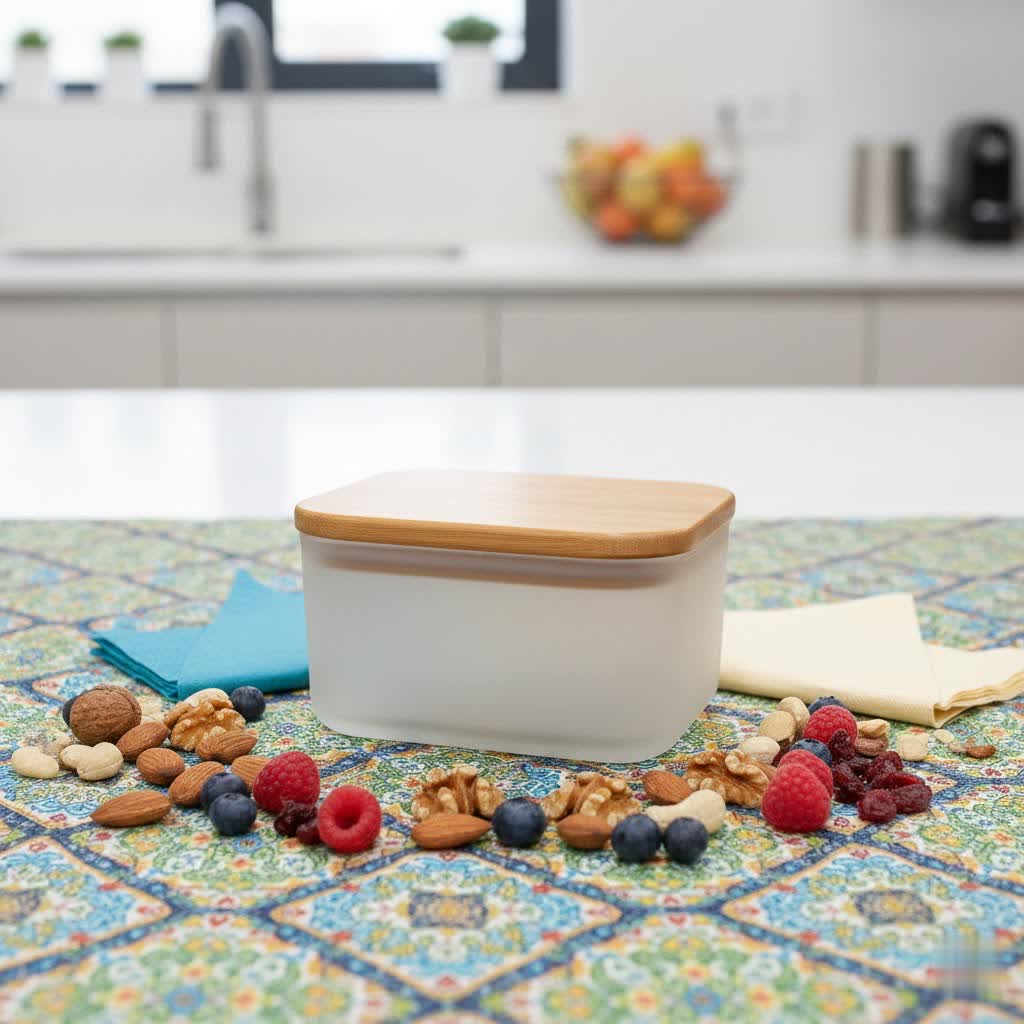
Food storage containers are specialized vessels designed to hold and protect food, extending its shelf life and maintaining its quality. They come in various materials, shapes, and sizes, each offering unique benefits for different storage needs. In the context of your fridge, these containers are indispensable for several reasons.
The primary benefit is preserving food freshness and flavor. Airtight seals limit exposure to oxygen, which causes oxidation and spoilage, keeping produce crisp and leftovers delicious for longer. This also means reducing food waste and saving money. Beyond freshness, containers help organize your refrigerator, preventing clutter and making it easy to see what you have on hand. They offer convenience for meal prepping, allowing you to store prepared ingredients or entire meals for grab-and-go options. Furthermore, using safe, reusable containers reduces reliance on single-use plastics, contributing to a more sustainable lifestyle.
Popular Types of Food Storage Containers for Your Fridge
The market offers a wide array of food storage containers, each with distinct characteristics. Understanding these types will help you choose the best fit for your refrigeration needs.
By Material
The material of your food storage container significantly impacts its durability, safety, and functionality.
- Plastic: Plastic containers are often lightweight, affordable, and highly portable, making them excellent for packed lunches or snacks. Look for options labeled “BPA-free” and made from plastics 1, 2, 4, or 5 to ensure they are free from harmful chemicals like PVC or polystyrene that can leach into food. While convenient, plastic can sometimes stain and retain odors, especially with heavily pigmented foods like tomato sauce. Some plastic containers are not suitable for high temperatures in microwaves or ovens.
- Glass: Glass containers are a popular and trusted choice due to their durability, non-reactive nature, and transparency. They do not absorb odors or stains, ensuring the flavor integrity of your food is preserved. Glass is often oven-safe, microwave-safe (without lids), freezer-safe, and dishwasher-safe, offering great versatility for cooking and reheating. However, glass is heavier and more fragile than plastic, making it less ideal for frequent travel. It can also chip, which could contaminate food if not handled carefully.
- Stainless Steel: Stainless steel containers are celebrated for their exceptional durability, resistance to rust and corrosion, and eco-friendliness. They are hygienic, with a non-porous surface that doesn’t absorb odors or stains. Stainless steel is excellent for storing leftovers, meal prep, and bulk foods. The main drawback is their opacity, meaning you can’t see the contents without opening the container, and they cannot be used in a microwave.
- Silicone: Silicone containers and bags, such as Stasher bags, are versatile, reusable, and flexible. They are often freezer, microwave, and dishwasher safe, making them suitable for a variety of uses, from marinating meats to freezing fruits. They are great for smaller portions or oddly-shaped foods and can fit into smaller areas of your fridge.
- Ceramic: While less common for everyday fridge storage, ceramic containers are sturdy and long-lasting. They can withstand high temperatures and are resistant to scratches and chipping. Ceramic is also non-toxic, oven-safe, microwave-safe, and freezer-safe, making them versatile for reheating and storing leftovers. They often come in aesthetically pleasing designs.
|
Our Picks for the Best Food Container in 2026
As an Amazon Associate I earn from qualifying purchases.
|
||
| Num | Product | Action |
|---|---|---|
| 1 | 60 Sets (120-Piece) Deli Containers with Lids, 32/16/8 oz X 20 Set Each, Leak-Proof & BPA Free Airtight Takeout Plastic Food Storage Containers for Soup, Freezer/Microwave/Dishwasher Safe |

|
| 2 | Ankou Airtight Food Storage Container with Pop Lid & 130ml Scoop, 4L/4.2qt *4 BPA-Free Cereal, Rice, Flour, Pasta & Snack Container, Stackable & Durable,Kitchen Pantry Organizer |
|
| 3 | 50 Pack (100-Piece) 32 oz Meal Prep Containers Reusable with Easy Open Lids, Sturdy Leakproof Food Safe, Microwave Freezer Dishwasher Safe, To Go Take Out Plastic Food Storage Pans with Lids, Black |
|
| 4 | Rubbermaid Brilliance Large Food Storage Container, 9.6 Cup, BPA-Free, Leak-Proof, Clear |
|
| 5 | Vtopmart 8 Pack Glass Food Storage Containers with Airtight Lids, Glass Meal Prep Containers, Lunch Office Meal for Microwave, Oven, Freezer and Dishwasher, BPA Free |
|
| 6 | Bentgo Prep - 20-Piece 1-Compartment Reusable Meal Prep Containers with Lids, PFAS & BPA Free Materials, Durable, Microwave, Freezer, & Dishwasher Safe To Go Food Storage (Mint) |
|
| 7 | Rubbermaid Brilliance Food Storage Containers BPA Free Airtight Lids Ideal for Lunch Meal Prep & Leftovers Set of 5 (3.2 Cup) |
|
| 8 | Rubbermaid Brilliance BPA-Free Food Storage Containers, Medium Deep, 4.7 Cup, 2-Pack, Airtight & Leak-Proof, Microwave & Dishwasher Safe |
|
| 9 | Rubbermaid Brilliance BPA Free Airtight Food Storage Containers with Lids, Set of 4 (4.7 Cup) Ideal for Lunch, Meal Prep, and Leftovers |
|
| 10 | 50 Pack (100-Piece) 24 oz Meal Prep Containers Reusable with Lids, Sturdy Leakproof & Food Safe, Microwave, Freezer, Dishwasher Safe Prep Containers, To Go Take Out Plastic Food Storage |
|
By Shape and Size
Food containers come in a variety of shapes and sizes to accommodate different food types and optimize fridge space.
- Round, Square, and Rectangular: These are the most common shapes. Square and rectangular containers are generally more space-efficient in the fridge as they can be packed tightly without gaps.
- Containers with Compartments: Ideal for meal prep, these containers keep different food items separated, preventing flavors from mixing.
- Mini to Large: Sizes range from small containers perfect for sauces, dressings, or snacks, to large ones suitable for bulk leftovers, salads, or meal prep batches. Having a mix of sizes is often recommended.
By Feature
Many food storage containers offer specialized features to enhance their performance.
- Airtight and Leak-Proof: Essential for keeping food fresh and preventing spills, especially for liquids or heavily scented foods. Lids with secure latches or silicone gaskets create a tight seal.
- Stackable: Containers designed to stack neatly, either with or without lids, help maximize vertical space in your fridge and cabinets.
- Vented Lids: Some plastic containers feature vents, allowing steam to escape during microwave heating, preventing splatters.
- Oven, Microwave, and Dishwasher Safe: The ability to go from fridge to oven or microwave and then into the dishwasher adds significant convenience. Glass containers are generally the most versatile in this regard.
- Produce Savers: Specialized containers for fruits and vegetables often include features like carbon filters to absorb ethylene gas (which causes ripening) and adjustable vents to control humidity, keeping produce fresh longer.
Comprehensive Comparison: Food Storage Container Materials
Choosing the right material is crucial for effective food storage. Here’s a detailed comparison to help you weigh your options:
| Feature | Glass | Plastic | Stainless Steel | Silicone (Bags) | Ceramic |
|---|---|---|---|---|---|
| Durability | High (but can chip/break) | Moderate (can scratch, warp, stain) | Very High (resistant to rust/corrosion) | High (flexible, resistant to tearing) | High (sturdy, chip/scratch resistant) |
| Portability | Low (heavy, fragile) | High (lightweight) | Moderate (lighter than glass) | High (lightweight, flexible) | Low (heavy, fragile) |
| Chemical Safety | Excellent (non-reactive, no leaching) | Variable (choose BPA-free plastics 1,2,4,5) | Excellent (non-reactive, no leaching) | Excellent (food-grade, non-toxic) | Excellent (non-toxic) |
| Visibility | Excellent (transparent) | Good (clear plastics) | None (opaque) | Variable (some translucent) | None (opaque) |
| Odor/Stain Resistance | Excellent (non-porous) | Low to Moderate (can stain, retain odors) | Excellent (non-porous) | Good | Excellent |
| Heat Tolerance | High (oven-safe, microwave-safe) | Low to Moderate (microwave-safe, not oven-safe) | Freezer-safe, not microwave/oven safe | High (oven/microwave/freezer-safe) | High (oven/microwave/freezer-safe) |
| Dishwasher Safe | Yes (containers, often lids) | Yes (check manufacturer) | Yes (check manufacturer) | Yes | Yes |
| Stackability | Can be cumbersome | Often designed for stacking | Often stackable | Flexible, can be laid flat or stacked | Can be stackable |
| Price | High | Low | High | Moderate to High | High |
| Environmental Impact | Recyclable, long lifespan | Can be recycled (check local guidelines) | Recyclable, long lifespan | Reusable, long lifespan | Long lifespan |
| Best For | Long-term storage, oven reheating | Short-term storage, packed lunches, dry goods | Meal prep, bulk storage, non-microwave foods | Snacks, marinating, freezer, small items | Leftovers, oven reheating, aesthetic appeal |
How to Choose the Right Food Storage Containers for Your Fridge
Selecting the perfect food storage containers requires a thoughtful approach, considering your unique needs and preferences.
Determine Your Usage Needs
Before purchasing, consider how you primarily intend to use the containers.
- Type of Food: Are you storing dry goods, liquids, delicate produce, or dense leftovers? For liquids and strongly scented foods, airtight and leak-proof containers are paramount. Produce benefits from specialized containers that control humidity and ethylene gas.
- Capacity: Do you need small containers for snacks and sauces, or larger ones for family-sized portions and meal prep? Think about the typical quantities of food you store.
- Special Features: Do you require containers that are oven-safe for reheating, microwave-safe with vents, or designed for freezing? The versatility of a container can be a significant factor. For example, glass is often preferred for direct oven-to-table reheating.
Prioritize Safe Materials
Food safety is non-negotiable. Always choose materials that won’t leach harmful chemicals into your food.
- BPA-Free Plastics: If opting for plastic, ensure it’s certified BPA-free and ideally made from plastics #1, #2, #4, or #5. These plastics are generally considered safer.
- Inert Materials: Glass and stainless steel are excellent choices as they are non-reactive and won’t interact with food, preserving taste and preventing chemical transfer.
- Safety Certifications: Look for products with recognized food safety certifications to ensure quality and peace of mind.
Check Durability and Heat Tolerance
Invest in containers that can withstand the rigors of daily use and varying temperatures.
- Robust Construction: Choose containers made from thick, sturdy materials that resist warping, cracking, or breaking. Tempered glass offers better shatter resistance.
- Temperature Versatility: If you plan to use containers from the freezer to the microwave or oven, confirm they are explicitly labeled as freezer-safe, microwave-safe, and/or oven-safe to avoid damage or potential hazards.
Consider Practicality and Convenience
Ease of use and maintenance contribute significantly to the overall satisfaction with your food containers.
- Airtight Lids: Look for lids that create a secure, airtight seal. Latch-style lids are often very effective, though some might be difficult to snap on initially.
- Stackability: Containers that stack neatly, both when full and empty, help optimize space in your fridge and cabinets. Modular designs can adapt to various fridge layouts.
- Easy to Clean: Dishwasher-safe containers are a huge time-saver. Glass and stainless steel are generally easier to clean and less prone to staining or retaining odors than some plastics. Removable gaskets on lids can aid in thorough cleaning, but also add another part to keep track of.
Consult User Reviews and Expert Opinions
Leverage the experiences of other consumers and experts.
- Online Reviews: Read reviews on e-commerce sites, blogs, and forums to gauge real-world performance, durability, and common issues.
- Expert Endorsements: Consider recommendations from reputable testing organizations or culinary experts, which often involve rigorous testing.
Top 5 Food Storage Containers Favored by Home Cooks
Based on extensive testing and user feedback, here are some of the most popular and highly-rated food storage containers for refrigerators:
- Pyrex Simply Store Glass Food Storage Container Set: Consistently ranked for durability, versatility, and design. Made from thick, tempered glass, they are microwave, dishwasher, freezer, and oven-safe (lids are not oven-safe). They provide a watertight seal and resist odors and stains.
- Rubbermaid Brilliance Food Storage Container Set (Plastic or Glass): The plastic version is praised for its glass-like appearance, sturdiness, and airtight, watertight seal. Lids are microwave-safe with vents. The glass version offers oven-safety up to 450°F and excellent stain resistance, with universal lids for various sizes.
- OXO Good Grips Smart Seal Glass Container Set: Known for its leak-proof and airtight design, these containers keep food exceptionally fresh. They are dishwasher, freezer, oven, and microwave-safe, making them highly versatile. They come with removable rubber gaskets for thorough cleaning.
- Snapware Total Solution Plastic Food Storage Set: This versatile set offers various container sizes and features leak-proof lids with plastic tabs that lock in liquid and keep out air. While plastic may stain, it performs well in the microwave and resists warping.
- Stasher Reusable Silicone Storage Bags: These highly versatile silicone bags are ideal for storing smaller portions, marinating, or freezing. They come in various shapes and sizes, are dishwasher-safe, and are perfect for saving space with oddly-shaped items.
Tips for Using and Maintaining Your Food Storage Containers
Proper use and care will maximize the lifespan and effectiveness of your food storage containers.
- Proper Cleaning: Always clean containers thoroughly after each use. For glass and stainless steel, a baking soda and water paste can help remove stubborn odors. For plastic, soaking in a vinegar and water mixture can be effective. Pay attention to lid gaskets, as food particles can get trapped there.
- Preventing Stains and Odors: To minimize staining in plastic containers, consider lightly coating the inside with oil before adding heavily pigmented foods like tomato sauce. Avoid storing highly odorous foods for extended periods in plastic.
- Optimizing Freshness:
- Cool Food Quickly: Refrigerate leftovers within two hours of cooking. Using shallow containers with more surface area can help food cool faster, which is crucial for food safety.
- Airtight Seals: Always ensure lids are tightly sealed to prevent air exposure and maintain freshness.
- Labeling: Label containers with contents and dates to easily track freshness and avoid food waste.
- Proper Placement in Fridge: Store raw meats and dairy on lower, colder shelves, and ready-to-eat foods on upper shelves. Utilize clear containers to easily see contents, reducing “mystery boxes”.
- Things to Avoid:
- Heating Plastic Improperly: Do not microwave plastic containers unless they are explicitly labeled as microwave-safe, and avoid heating heavily oiled or fatty foods in them, as high temperatures can cause plastic to leach chemicals.
- Extreme Temperature Changes for Glass: While many glass containers are freezer-safe, avoid putting hot glass directly into a cold freezer or vice-versa, as extreme thermal shock can cause breakage.
- Overfilling: Leave some headspace, especially when freezing liquids, to allow for expansion.
- Mismatched Lids: This can lead to inefficient storage and spills. Consider sets with interchangeable lids or stackable designs to keep things organized.
“Glass is not permeable, will not absorb flavors or stain, is easy to clean, and you can cook with it.” – Mitzi Baum, CEO of Stop Foodborne Illness
Conclusion
Investing in high-quality food storage containers for your fridge is a simple yet impactful decision that enhances food safety, reduces waste, and simplifies your kitchen routine. By understanding the diverse materials, features, and proper usage techniques, you can select the ideal containers to keep your ingredients fresh, your leftovers delicious, and your refrigerator beautifully organized. Take control of your fridge and savor the benefits of a smarter, more sustainable kitchen.
What steps will you take today to upgrade your food storage system and transform your refrigerator into a hub of freshness and efficiency?
Frequently Asked Questions
Can I use glass containers for freezing food?
Yes, most glass containers are freezer-safe, but it’s essential to check the manufacturer’s label. Ensure you leave some space at the top when filling with liquids, as food expands when frozen, to prevent cracking.
How do I prevent plastic containers from staining and retaining odors?
To prevent staining, lightly coat the inside of plastic containers with cooking oil before adding highly pigmented foods like tomato sauce. For odors, soaking plastic containers in a mixture of white vinegar and water can help eliminate lingering smells.
Are all plastic food storage containers safe for the microwave?
No, not all plastic containers are microwave-safe. Always check for a “microwave-safe” label or symbol. Even with microwave-safe plastics, it’s generally recommended to use them for reheating rather than cooking, and to vent the lid to prevent pressure buildup and splattering.
What is the best way to organize my fridge using food containers?
For optimal fridge organization, use clear, stackable containers to easily see contents and maximize vertical space. Group similar items in dedicated bins, place raw meats and dairy on lower shelves, and utilize labels with dates to track freshness.
How often should I replace my food storage containers?
Glass and stainless steel containers can last for many years with proper care, replacing only if they chip or crack. Plastic containers may need to be replaced more frequently, especially if they show signs of warping, deep scratches, staining, or retaining persistent odors, as these can harbor bacteria.
