In an era where health, sustainability, and efficiency are paramount in our kitchens, the choice of food storage solutions has never been more critical. Gone are the days of uncertainty over plastic safety and the frustration of stained, odor-absorbing containers. Glass food storage containers have emerged as a clear winner, offering a blend of purity, durability, and elegance that plastic alternatives simply cannot match. This comprehensive guide will illuminate the myriad benefits of glass containers, delve into their various types, provide a practical buying guide, and share essential tips for their optimal use and maintenance, ensuring your food stays fresh and your kitchen remains organized and healthy.
What Are Glass Food Containers and Why Do You Need Them?
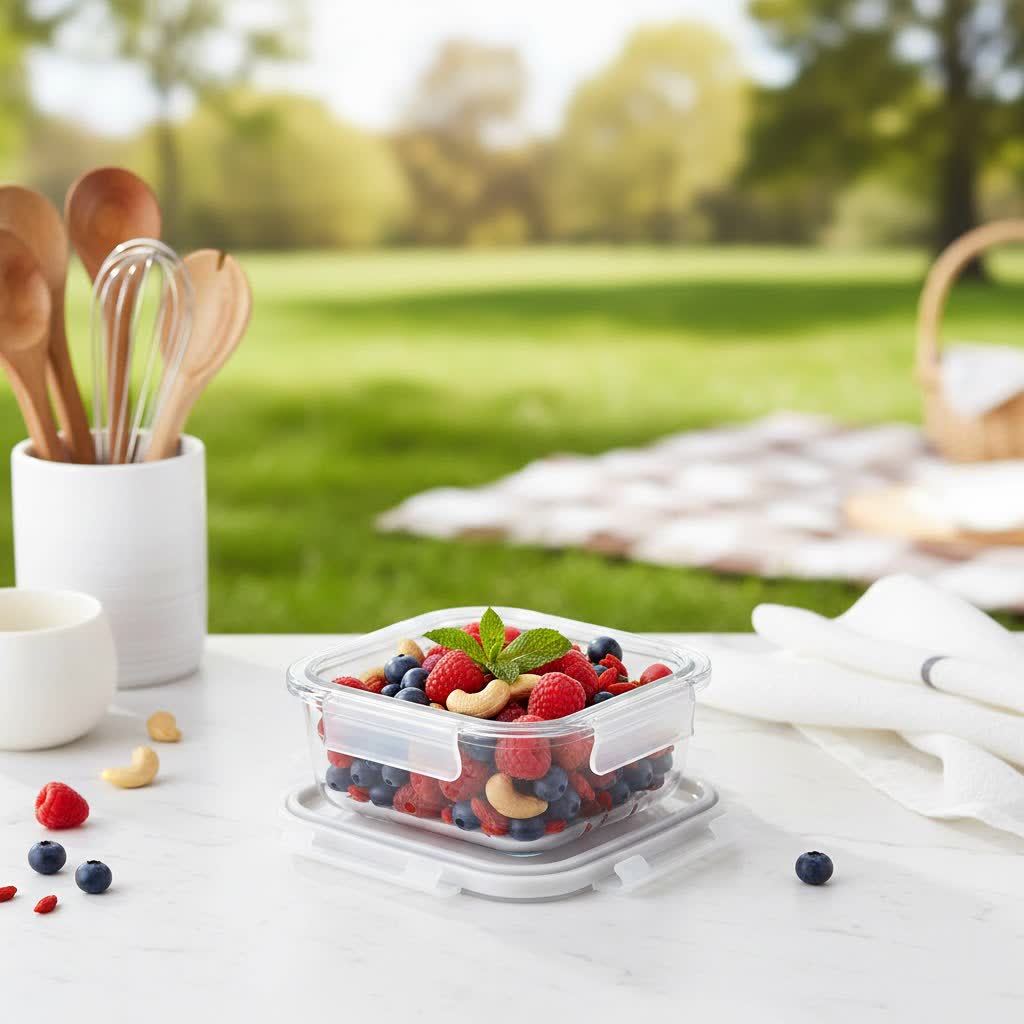
Glass food containers are reusable storage vessels crafted from high-quality, non-porous glass, designed to keep food fresh, safe, and easily accessible. They stand out as an indispensable kitchen staple for numerous compelling reasons.
First and foremost, glass preserves food freshness and taste like no other material. Its non-porous surface prevents the absorption of food odors, flavors, or stains, meaning your tomato sauce won’t taste like last week’s curry. When paired with airtight lids, glass containers create a protective barrier that seals in moisture and keeps out air, significantly extending the shelf life of your ingredients and prepared meals.
Beyond freshness, health and safety are primary drivers for switching to glass. Unlike some plastics, glass is naturally free from harmful chemicals such as BPA, phthalates, and lead. This inert quality ensures that no undesirable substances leach into your food, even when heated in the microwave or oven, providing peace of mind for you and your family.
From an environmental standpoint, glass is a champion of sustainability. It is endlessly reusable and 100% recyclable without any loss of quality, drastically reducing your reliance on single-use plastics and minimizing your ecological footprint. Investing in glass is a direct step towards a greener lifestyle.
Durability and longevity are inherent to glass containers. Designed to withstand repeated use and various temperatures, they resist warping, scratching, and degradation over time, making them a wise long-term investment. While the initial cost might be slightly higher than plastic, their extended lifespan offers significant savings.
Finally, the convenience and versatility of glass containers are unmatched. Most are safe for the oven, microwave, freezer, and dishwasher, offering seamless transitions from cooking to storing to reheating. Their transparent nature allows for easy identification of contents, and their sleek design adds an aesthetic appeal to any kitchen or pantry, making organization both functional and beautiful.
Popular Types of Glass Food Containers
Glass food containers come in various forms, each offering distinct advantages depending on its material, shape, size, and specific features. Understanding these distinctions helps in selecting the perfect container for your needs.
By Material
The type of glass used significantly impacts a container’s performance, particularly its resistance to temperature changes and breakage.
- Soda-Lime Glass: This is the most common and generally affordable type of glass used in many everyday products, including some food containers.
- Pros: Widely available, budget-friendly.
- Cons: Less resistant to thermal shock, meaning sudden temperature changes (like going directly from a hot oven to a cold refrigerator) can cause it to crack or shatter. Often labeled as “untreated” glass if the specific type isn’t mentioned.
- Borosilicate Glass: Known for its exceptional durability and thermal shock resistance, borosilicate glass contains silica and boron trioxide.
- Pros: Highly resistant to extreme temperature changes, making it safe for use in the oven, microwave, and freezer. It’s also more durable and less prone to shattering. Its chemical resistance ensures no reactivity with food.
- Cons: Generally more expensive than soda-lime glass.
- Tempered Glass: This glass undergoes a special rapid heating and cooling process, making it significantly stronger than regular glass.
- Pros: Enhanced strength and safety; if it does break, it shatters into relatively blunt pieces rather than sharp shards. Offers good thermal shock resistance, though perhaps not as extreme as borosilicate.
- Cons: Can still be susceptible to thermal shock if transitions are too drastic.
|
Our Picks for the Best Food Container in 2026
As an Amazon Associate I earn from qualifying purchases.
|
||
| Num | Product | Action |
|---|---|---|
| 1 | 50 Pack (100-Piece) 24 oz Meal Prep Containers Reusable with Lids, Sturdy Leakproof & Food Safe, Microwave, Freezer, Dishwasher Safe Prep Containers, To Go Take Out Plastic Food Storage |

|
| 2 | Rubbermaid Brilliance BPA Free Airtight Food Storage Containers with Lids, Set of 4 (4.7 Cup) Ideal for Lunch, Meal Prep, and Leftovers |
|
| 3 | 60 Sets (120-Piece) Deli Containers with Lids, 32/16/8 oz X 20 Set Each, Leak-Proof & BPA Free Airtight Takeout Plastic Food Storage Containers for Soup, Freezer/Microwave/Dishwasher Safe |
|
| 4 | Rubbermaid Brilliance Food Storage Containers BPA Free Airtight Lids Ideal for Lunch Meal Prep & Leftovers Set of 5 (3.2 Cup) |
|
| 5 | Ankou Airtight Food Storage Container with Pop Lid & 130ml Scoop, 4L/4.2qt *4 BPA-Free Cereal, Rice, Flour, Pasta & Snack Container, Stackable & Durable,Kitchen Pantry Organizer |
|
| 6 | Vtopmart 8 Pack Glass Food Storage Containers with Airtight Lids, Glass Meal Prep Containers, Lunch Office Meal for Microwave, Oven, Freezer and Dishwasher, BPA Free |
|
| 7 | Bentgo Prep - 20-Piece 1-Compartment Reusable Meal Prep Containers with Lids, PFAS & BPA Free Materials, Durable, Microwave, Freezer, & Dishwasher Safe To Go Food Storage (Mint) |
|
| 8 | Rubbermaid Brilliance BPA-Free Food Storage Containers, Medium Deep, 4.7 Cup, 2-Pack, Airtight & Leak-Proof, Microwave & Dishwasher Safe |
|
| 9 | 50 Pack (100-Piece) 32 oz Meal Prep Containers Reusable with Easy Open Lids, Sturdy Leakproof Food Safe, Microwave Freezer Dishwasher Safe, To Go Take Out Plastic Food Storage Pans with Lids, Black |
|
| 10 | Rubbermaid Brilliance Large Food Storage Container, 9.6 Cup, BPA-Free, Leak-Proof, Clear |
|
By Shape and Size
Glass containers are available in a multitude of shapes and sizes to accommodate diverse storage requirements.
- Shapes:
- Round: Ideal for liquids, sauces, and bowls of soup, often with a good seal.
- Square & Rectangular: Excellent for meal prepping, leftovers, and maximizing space in refrigerators or pantries due to their stackable nature.
- Divided Containers: Perfect for meal prep, allowing you to separate different food items within one container, like a main dish and a side.
- Sizes:
- Mini (1-2 cups): Great for snacks, condiments, dressings, or small portions.
- Medium (3-5 cups): Versatile for individual servings, leftovers, or small side dishes.
- Large (6-10 cups): Suitable for family-sized meals, bulk ingredients like grains or pasta, or storing larger quantities of cooked food.
- Extra Large (10+ cups): Designed for batch cooking, entertaining, or substantial bulk storage.
By Feature
Many glass containers incorporate specific features to enhance their functionality.
- Airtight & Leakproof: The most crucial feature for preserving freshness and preventing spills. Lids often utilize silicone or rubber gaskets and locking mechanisms (such as four-tab latches) to create a secure, leak-proof seal.
- Heat-Resistant: Containers designed to safely go into the oven or microwave, allowing for direct reheating or baking. Always check if the lid is also heat-resistant.
- Freezer-Safe: Built to withstand freezing temperatures without cracking, ideal for long-term food preservation.
- Dishwasher-Safe: Simplifies cleaning, making daily use more convenient. Most glass containers are dishwasher-safe, but lids may require hand-washing.
- Stackable/Nestable: Designed to sit neatly on top of each other or fit inside one another, optimizing cabinet and refrigerator space.
Glass vs. Plastic Food Storage: A Detailed Comparison Table
When deciding between glass and plastic for food storage, a direct comparison reveals clear advantages for glass across several key criteria.
| Feature | Glass Food Containers | Plastic Food Containers |
|---|---|---|
| Material Safety | Non-toxic, BPA-free, phthalate-free, lead-free. No chemical leaching into food, even when heated or storing acidic foods. Inert. | Can contain BPA, phthalates, and microplastics. Potential for chemical leaching into food, especially when heated, with acidic foods, or over time. |
| Durability | Highly durable and long-lasting; resistant to warping, scratching, and degradation. Can withstand repeated use for years. | Less durable; prone to scratching, staining, warping (especially with heat), and degrading over time. Can become brittle with repeated freezing. |
| Heat/Cold Resistance | Excellent thermal shock resistance (especially borosilicate and tempered glass). Safe for oven, microwave, and freezer (check specific product guidelines). | Limited heat tolerance. Most are not oven-safe. Some are microwave-safe (check labels, but potential for leaching remains). Can become brittle and crack in the freezer. |
| Stain/Odor Resistance | Non-porous surface prevents absorption of food odors and stains (e.g., tomato sauce). Easy to clean to pristine condition. | Porous surface can absorb strong odors and stains, leading to discoloration and lingering smells that are difficult to remove. |
| Environmental Impact | Highly sustainable: endlessly reusable and 100% recyclable without loss of quality. Reduces plastic waste. | Less sustainable: many types are not easily recyclable or are downcycled. Contributes significantly to landfill and ocean plastic pollution. Shorter lifespan leads to more frequent replacement and waste. |
| Price (Initial vs. Long-Term) | Higher initial cost. However, long-term value is excellent due to durability and reusability, leading to savings over time by reducing replacement purchases. | Lower initial cost. But frequent replacement due to degradation, staining, and safety concerns can make them less cost-effective in the long run. |
| Visibility | Transparent, allowing for clear viewing of contents, aiding in organization and meal identification. | Transparent or translucent, but can become cloudy or discolored over time, impairing visibility. |
| Weight/Portability | Heavier than plastic, which might be a consideration for carrying lunches daily. Less forgiving if dropped. | Lighter and more portable. More forgiving if dropped. |
Your Guide to Choosing the Right Glass Food Containers
Selecting the perfect glass food containers involves a thoughtful assessment of your specific needs and a careful evaluation of product features.
Assess Your Needs
Begin by considering how you plan to use your containers.
- What food types will you store? For dry goods like pasta, rice, or snacks, almost any glass container will work. For liquids like soups or sauces, leakproof seals are essential. If you often prep meals with multiple components, divided containers will be invaluable.
- What capacity do you require? Individual lunch portions call for smaller to medium containers (e.g., 3-5 cups). Family dinners or batch cooking might necessitate large or extra-large options (e.g., 6-10+ cups). Consider a variety of sizes for maximum versatility.
- Any special features needed? If you frequently go from freezer to oven, borosilicate glass is a must. For on-the-go meals, secure, leakproof lids are critical. If cabinet space is limited, look for stackable or nestable designs.
Prioritize Material Safety
Always ensure the glass is safe for food contact.
- Look for BPA-free, lead-free labels. While glass is inherently free of these, it’s good practice to ensure all components, including lids, adhere to these standards.
- Opt for borosilicate or tempered glass. These types offer superior durability and thermal shock resistance, making them safer and more versatile for various kitchen uses.
- Check for food-grade certifications. Certifications from regulatory bodies like the FDA (U.S.) or LFGB (Europe) provide assurance of product safety and quality.
Evaluate Durability and Thermal Performance
A high-quality glass container should be built to last and handle temperature extremes.
- Choose thick glass. Thicker glass tends to be more resilient against impacts and chipping, contributing to a longer lifespan.
- Confirm ability to withstand rapid temperature changes. If you intend to use containers directly from the freezer to the oven or microwave, borosilicate glass is the most reliable choice to prevent thermal shock and breakage.
Consider Practicality and Convenience
Ease of use and maintenance are crucial for integrating glass containers into your daily routine.
- Lid Design: Look for lids that are easy to open and close, yet provide a secure, airtight, and leak-proof seal. Snap-on locking mechanisms with silicone or rubber gaskets are highly effective. Some brands offer innovative features like “good until” date dials for better food management.
- Stackability for Efficient Storage: Containers that stack neatly on top of each other or nest within one another will save valuable cabinet and refrigerator space.
- Ease of Cleaning: Most glass containers are dishwasher-safe, which is a major convenience. Ensure the design has smooth interiors with no hard-to-reach crevices where food can get trapped, making hand-washing effortless. Check if lids are also dishwasher-safe; sometimes, they require hand-washing to maintain their seal integrity.
Read Reviews and Choose Reputable Brands
Leverage the experiences of other users to make an informed decision.
- User Experiences: Read customer reviews on e-commerce sites and kitchen forums to gauge real-world performance, durability, and common issues. Pay attention to feedback regarding lid quality and leak-proof performance.
- Brand Track Record: Opt for well-established brands known for producing high-quality kitchenware. Brands with a long history often adhere to stricter quality control standards.
Top 5 Glass Food Containers to Consider
While specific product availability may vary, here are five types of highly-regarded glass food container brands often celebrated for their quality, design, and functionality, representing a range of options for different needs:
- Rubbermaid Brilliance Glass Food Container Set: Known for its exceptionally clear, stain-resistant glass and 100% airtight, leakproof lids with secure latches. These often feature interchangeable lids across plastic and glass collections, simplifying organization. They are highly stackable and suitable for microwave, freezer, and oven use (glass base only).
- Pyrex Simply Store Glass Food Storage Set: A classic and trusted brand, Pyrex offers durable tempered glass containers. They are versatile, oven-, microwave-, freezer-, and dishwasher-safe. The sets come in various shapes and sizes, often with colorful plastic lids that create a tight seal, though some users note lids may crack over time.
- Glasslock Assorted Oven Safe Container Set: Glasslock containers are made from tempered glass, offering robust durability and good thermal shock resistance. Their snap-lock lids with silicone seals are renowned for being airtight and leakproof. Many sets include a variety of shapes and sizes, making them excellent for everyday storage and meal prep.
- OXO Good Grips Smart Seal Glass Container Set: OXO is known for user-friendly designs. Their Smart Seal glass containers feature strong borosilicate glass (for superior thermal shock resistance) and leakproof lids with four locking tabs and a silicone gasket. They are designed to be stackable and easy to clean, making them a practical choice for organized kitchens.
- Bentgo Signature Leak-Proof Glass Food Storage: These containers often stand out for their sleek design and commitment to being plastic-free, sometimes featuring tempered glass lids with silicone seals for an entirely glass-based storage solution. They prioritize leak-proof performance and offer unique sizes, making them suitable for conscious meal preppers.
Tips for Using and Maintaining Your Glass Food Containers
To maximize the lifespan and performance of your glass food containers, proper care and usage are essential.
Proper Cleaning
- Dishwasher or Hand-Wash: Most glass containers are dishwasher-safe. For hand-washing, use warm, soapy water and a soft sponge.
- For Stubborn Stains or Odors: If food residue or odors persist, a paste of baking soda and a little water can be effective. Apply, let sit for a few minutes, then scrub gently. A vinegar rinse can also help neutralize odors.
- Lid Care: Always check manufacturer instructions for lids. Many plastic lids with silicone seals are top-rack dishwasher safe, but hand-washing can help preserve their integrity and seal over time.
Preventing Breakage
- Avoid Extreme Temperature Shocks: While borosilicate and tempered glass are resistant, avoid drastic temperature changes where possible (e.g., placing very hot glass directly into very cold water, or vice-versa, for non-borosilicate types).
- Handle with Care: Glass is durable but not unbreakable. Avoid dropping or banging containers against hard surfaces.
- Do Not Overfill Frozen Liquids: When freezing liquids, leave some headspace as liquids expand when frozen, which can cause the glass to crack.
- Allow to Cool/Warm Gradually: If moving from freezer to oven or microwave, allowing the container to sit at room temperature for a short period can help reduce thermal stress.
Lid Care
- Wash Lids Properly: Ensure lids are cleaned thoroughly, paying special attention to the silicone gaskets where food particles can sometimes accumulate.
- Regularly Check Seals: Inspect silicone or rubber seals periodically for signs of wear, tears, or stretching. A damaged seal can compromise the container’s airtight and leakproof properties.
General Storage
- Stack Properly: Utilize the stackable and nestable features of your containers to organize them efficiently in cabinets or drawers, preventing them from tipping over or getting chipped.
- Store Lids Separately (If Preferred): Some prefer to store lids vertically in an organizer to easily find the right size and prevent warping.
Conclusion
Embracing glass food storage containers is a simple yet impactful decision that elevates your kitchen experience, promotes healthier eating habits, and contributes to a more sustainable planet. By choosing non-toxic, durable, and versatile glass, you ensure your food remains fresh, safe, and free from harmful chemicals. Whether you’re meal prepping for the week, storing leftovers, or organizing your pantry, the benefits of glass are undeniable, offering long-term value and peace of mind. Make the switch today and discover the clarity, cleanliness, and quality that glass brings to your home.
What steps will you take to incorporate more glass food storage into your kitchen?
Frequently Asked Questions
Are all glass containers safe for the microwave?
Most glass food containers are microwave-safe, especially those made from borosilicate or tempered glass. However, always check the manufacturer’s instructions for both the glass base and the lid, as some lids are not microwave-safe and should be removed before heating.
Can glass food containers go from freezer to oven?
Borosilicate glass containers are specifically designed to withstand extreme thermal shock, making them generally safe to go directly from the freezer to a preheated oven. Tempered glass also has good resistance but may be more susceptible to very sudden, drastic temperature changes. Always verify product specifications.
How do I remove stains from glass containers?
For stubborn stains, a paste made from baking soda and a small amount of water can be applied to the stain, left for a few minutes, then gently scrubbed off. A vinegar rinse can also help with mineral deposits or lingering odors.
Is borosilicate glass better than tempered glass for food storage?
Borosilicate glass is generally considered superior for food storage that involves extreme temperature changes (like freezer to oven) due to its higher thermal shock resistance. Tempered glass is stronger and shatters more safely than regular glass, offering good general durability and resistance to moderate temperature shifts.
Do glass food containers leach chemicals?
No, food-grade glass containers are inherently non-porous and non-reactive, meaning they do not leach harmful chemicals like BPA, phthalates, or lead into your food, even when exposed to heat or acidic ingredients. This makes them a very safe option for food storage.
