In today’s fast-paced world, where convenience often clashes with health and environmental concerns, the quest for superior kitchen solutions is more relevant than ever. Many households are actively seeking alternatives to plastic, driven by a desire for non-toxic materials and sustainable living. This shift brings us to an exceptional choice for kitchen organization and food preservation: glass food storage containers, particularly those featuring elegant and practical glass lids. These containers offer a blend of timeless appeal, unmatched safety, and robust functionality, transforming how you store, prepare, and enjoy your meals.
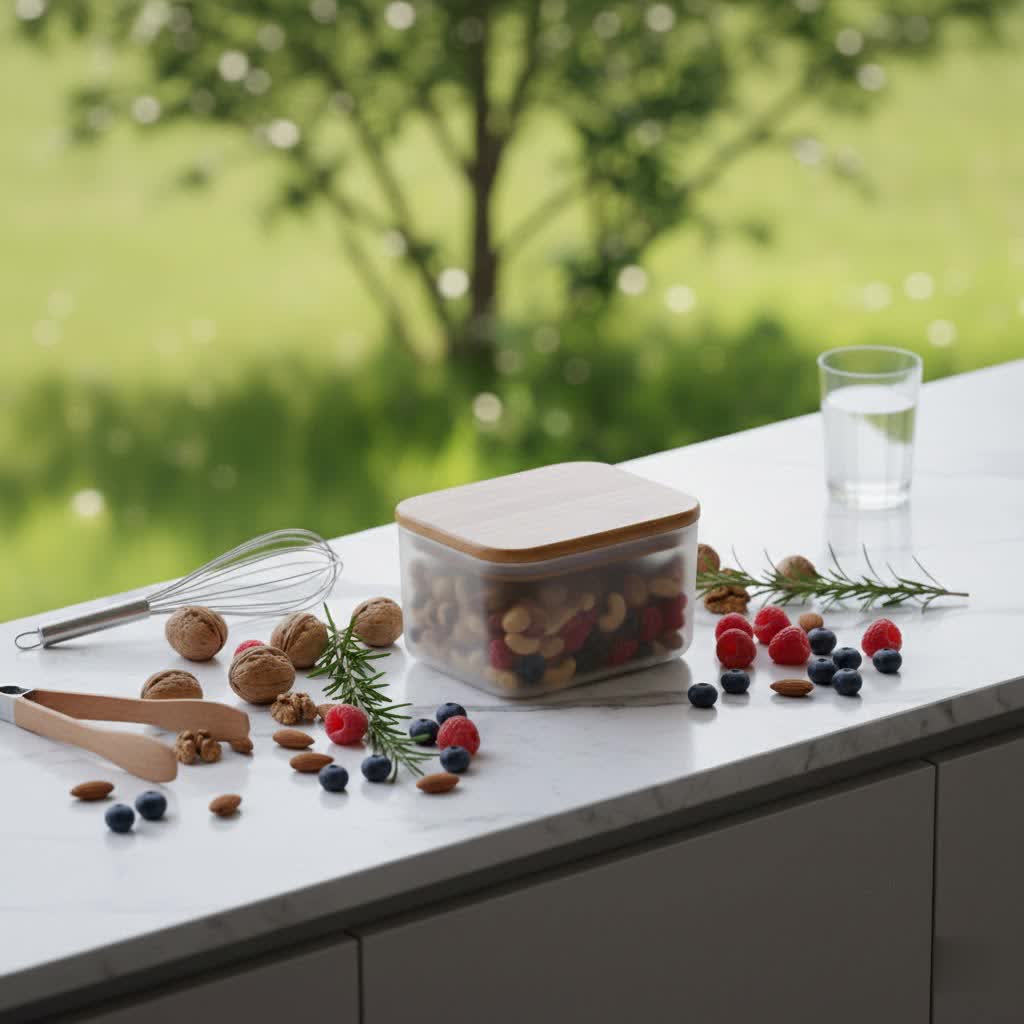
This comprehensive guide delves into everything you need to know about Glass Food Storage Containers With Glass Lids, from their inherent advantages and various types to a detailed comparison with other materials, and essential tips for selection and care. By the end, you’ll be equipped to make an informed decision, ensuring your kitchen is stocked with the best tools to keep your food fresh, your family healthy, and your environmental footprint minimal.
What Are Glass Food Storage Containers and Why Do You Need Them?
At their core, glass food storage containers are precisely what their name suggests: vessels crafted from glass, designed to hold and preserve food. While many glass containers come with plastic or silicone lids, a growing demand for completely non-reactive storage has highlighted options with accompanying glass lids. These lids typically feature a food-grade silicone or rubber gasket to ensure an airtight and leak-proof seal, marrying the benefits of an all-glass contact surface with practical sealing technology.
Choosing glass food storage containers, especially those with glass lids, offers a multitude of advantages that go beyond simple storage:
- Preserving Food Freshness: Glass is non-porous and non-reactive, meaning it won’t absorb food odors, flavors, or stains. When paired with an airtight glass lid and a quality silicone seal, these containers create an optimal environment to keep food fresher for longer, significantly reducing food waste.
- Safety and Non-Toxicity: A primary reason for the surging popularity of glass is its inherent safety. Unlike some plastics, glass contains no potentially harmful chemicals such as BPA, BPS, or phthalates, which can leach into food, particularly when heated. With glass lids, you ensure that your food only ever comes into contact with pure, inert glass, safeguarding your family’s health.
- Temperature Resistance: High-quality glass containers, especially those made from borosilicate or tempered glass, can withstand extreme temperatures. This versatility allows them to go directly from the freezer to the oven (without lids, or with specific oven-safe glass lids), microwave, and then straight to the table or refrigerator.
- Environmental Protection: Glass is infinitely recyclable and can be reused countless times without degrading in quality. Opting for glass containers with glass lids significantly reduces reliance on single-use plastics and less sustainable alternatives, contributing to a greener lifestyle and a healthier planet.
- Cost Savings: While the initial investment in high-quality glass food storage containers with glass lids might be higher than plastic, their exceptional durability and long lifespan make them a more economical choice over time. You’ll replace them far less frequently, saving money in the long run.
- Visibility and Organization: The transparency of glass allows you to easily identify the contents inside without needing to open the container. This not only saves time but also helps with meal planning and organization, making your pantry or refrigerator a picture of neat efficiency.
- Aesthetic Appeal: Glass containers with their clear, often sleek designs, bring a touch of elegance to any kitchen. They look beautiful on open shelves, in the pantry, or even directly on your dining table.
Popular Types of Glass Food Storage Containers
When exploring the world of glass food storage, understanding the different types, particularly concerning material and design, can help you choose the perfect fit for your lifestyle.
By Glass Material and Lid Composition
The base of glass food containers typically comes in two main types, while the lid material is a crucial differentiator, especially when seeking an all-glass solution.
- Borosilicate Glass: This type of glass is renowned for its excellent thermal shock resistance, meaning it can withstand rapid temperature changes without cracking. It’s incredibly durable and often recommended for versatile use, from oven baking to freezer storage. [cite: 2 (The 8 Best Glass Food Storage Containers, Tested by BHG)]
- Tempered Glass: Stronger than ordinary glass, tempered glass is more resistant to breakage from impact. While it handles heat well, it’s generally less forgiving with extreme temperature fluctuations compared to borosilicate glass. It’s often more affordable.
- Glass Lids with Silicone/Rubber Seals: This is the ideal choice for those prioritizing food contact with purely non-reactive materials. Glass lids maintain the aesthetic and non-toxic benefits of the container itself. They are typically secured with a food-grade silicone or natural rubber gasket, creating an airtight and leak-proof seal. The main advantages include complete chemical non-leaching, elegant appearance, and often oven-safe properties (if the silicone seal is removable or heat-resistant). The primary considerations are their heavier weight and increased fragility compared to plastic lids, and the necessity of checking the seal’s material for safety and durability.
|
Our Picks for the Best Food Container in 2026
As an Amazon Associate I earn from qualifying purchases.
|
||
| Num | Product | Action |
|---|---|---|
| 1 | 50 Pack (100-Piece) 32 oz Meal Prep Containers Reusable with Easy Open Lids, Sturdy Leakproof Food Safe, Microwave Freezer Dishwasher Safe, To Go Take Out Plastic Food Storage Pans with Lids, Black |

|
| 2 | 60 Sets (120-Piece) Deli Containers with Lids, 32/16/8 oz X 20 Set Each, Leak-Proof & BPA Free Airtight Takeout Plastic Food Storage Containers for Soup, Freezer/Microwave/Dishwasher Safe |
|
| 3 | Rubbermaid Brilliance BPA Free Airtight Food Storage Containers with Lids, Set of 4 (4.7 Cup) Ideal for Lunch, Meal Prep, and Leftovers |
|
| 4 | Rubbermaid Brilliance Food Storage Containers BPA Free Airtight Lids Ideal for Lunch Meal Prep & Leftovers Set of 5 (3.2 Cup) |
|
| 5 | Rubbermaid Brilliance BPA-Free Food Storage Containers, Medium Deep, 4.7 Cup, 2-Pack, Airtight & Leak-Proof, Microwave & Dishwasher Safe |
|
| 6 | Ankou Airtight Food Storage Container with Pop Lid & 130ml Scoop, 4L/4.2qt *4 BPA-Free Cereal, Rice, Flour, Pasta & Snack Container, Stackable & Durable,Kitchen Pantry Organizer |
|
| 7 | Rubbermaid Brilliance Large Food Storage Container, 9.6 Cup, BPA-Free, Leak-Proof, Clear |
|
| 8 | Bentgo Prep - 20-Piece 1-Compartment Reusable Meal Prep Containers with Lids, PFAS & BPA Free Materials, Durable, Microwave, Freezer, & Dishwasher Safe To Go Food Storage (Mint) |
|
| 9 | Vtopmart 8 Pack Glass Food Storage Containers with Airtight Lids, Glass Meal Prep Containers, Lunch Office Meal for Microwave, Oven, Freezer and Dishwasher, BPA Free |
|
| 10 | 50 Pack (100-Piece) 24 oz Meal Prep Containers Reusable with Lids, Sturdy Leakproof & Food Safe, Microwave, Freezer, Dishwasher Safe Prep Containers, To Go Take Out Plastic Food Storage |
|
By Shape and Size
Glass containers come in a variety of shapes and sizes to accommodate every storage need:
- Round, Square, and Rectangular: These are the most common shapes. Rectangular and square containers are generally more space-efficient and stackable in refrigerators and cabinets.
- Compartmentalized: Perfect for meal prepping, these containers feature dividers to keep different food items separated, preventing flavors from mixing.
- Mini to Large: From small condiment containers to large baking dishes or family-sized meal prep boxes, there’s a size for every portion and purpose.
By Feature
Modern glass food containers incorporate various features to enhance usability:
- Airtight and Leak-Proof: Essential for keeping food fresh and preventing spills, achieved through well-designed lids with robust seals.
- Oven, Microwave, Freezer, Dishwasher Safe: Versatility across different appliances is a key advantage of quality glass. Always check manufacturer guidelines, especially for lids.
- Stackable Designs: Many containers are designed to nest within each other or stack neatly when full, saving valuable cabinet and refrigerator space.
- Ventilation Valves: Some lids (though less common with purely glass lids) may include a small valve to release steam, making microwaving safer and more efficient.
Comparison Table: Glass Food Storage Containers (with Glass Lids) vs. Other Materials
To illustrate the distinct advantages of glass food storage containers, especially with glass lids, here’s a comparison with other popular materials:
| Feature | Glass (with Glass Lids) | Plastic (BPA-free) | Stainless Steel | Silicone |
|---|---|---|---|---|
| Material Safety | Non-toxic, non-reactive, no leaching. | Generally safe (BPA-free), but can still absorb odors/stains. Potential for microplastic shedding. | Non-toxic, non-reactive, no leaching, rust-resistant. | Food-grade, non-toxic, flexible. |
| Durability | Highly durable, resistant to scratches, stains, odors. Breakable if dropped. | Durable, flexible, less prone to breakage. Can warp, scratch, degrade over time. | Extremely durable, impact-resistant, long-lasting. | Very durable, flexible, tear-resistant. |
| Heat Resistance | Oven (without seal/with heat-safe seal), microwave, freezer, dishwasher safe. | Microwave-safe (check labels), freezer-safe, typically NOT oven-safe. | Oven (without lid), freezer, dishwasher safe. Not microwave-safe. | Oven, microwave, freezer, dishwasher safe. |
| Visibility | Crystal clear, easy to see contents. | Often transparent or translucent. | Opaque. | Opaque. |
| Odor/Stain Resistance | Excellent. Does not absorb odors or stains. | Can absorb strong odors and stains (e.g., tomato sauce). | Excellent. Resists odors and stains. | Good. Can absorb some strong odors or oils over time. |
| Weight | Heavier. | Lightweight. | Moderate. | Lightweight. |
| Portability | Less portable due to weight and fragility. | Highly portable, ideal for lunches. | Moderate portability. | Highly portable, often collapsible. |
| Eco-friendliness | Infinitely recyclable, reusable. | Less eco-friendly (limited recycling, degrades over time). | Recyclable, very long-lasting. | Reusable, but not easily recyclable in all areas. |
| Aesthetic Appeal | High-end, elegant. | Functional, practical. | Modern, sleek. | Modern, colorful. |
| Price | Moderate to high. | Highly affordable. [cite: 2 (Comparison: Glass vs. Plastic vs. Steel Storage Jars | Milton)] | Moderate. [cite: 2 (Comparison: Glass vs. Plastic vs. Steel Storage Jars |
How to Choose the Right Glass Food Storage Containers with Glass Lids
Selecting the perfect glass food storage containers with glass lids involves a thoughtful consideration of your specific needs and priorities. Here’s a guide to help you make the best choice:
Identify Your Usage Needs
Before diving into features, consider how you intend to use the containers:
- What kind of food will you store? Dry goods, liquids, meal preps, leftovers, baby food? This will dictate required seal strength and size.
- What capacity do you need? Are you packing individual lunches or storing large batches of soup?
- Do you need specific features? Will you frequently use them in the oven for baking, in the freezer for long-term storage, or in the microwave for reheating? An oven-safe glass lid is a key differentiator.
- Are you focused on reducing plastic entirely? If so, prioritize glass lids with minimal silicone components.
Prioritize Material Safety
Always opt for high-quality glass. Borosilicate glass is excellent for thermal shock resistance and overall durability, while tempered glass offers good impact resistance. For the lids, explicitly look for glass lids with food-grade silicone or natural rubber seals. Ensure any silicone components are certified BPA-free, even though they have minimal food contact with a glass lid. This choice guarantees that your food remains untouched by potentially harmful chemicals.
Assess Durability and Temperature Resistance
A good glass container should feel substantial and well-made. Look for thick glass that can withstand everyday use. Check the product specifications for temperature ratings – specifically if the container and its glass lid are safe for oven, microwave, freezer, and dishwasher use. Some glass lids are entirely oven-safe, while others may have silicone rims that are not.
Consider Practicality and Ease of Use
- Airtight and Leak-Proof Seals: This is paramount for food preservation and spill prevention. Test the seal if possible or rely on trusted reviews. A good seal on a glass lid should be firm yet easy to open and close.
- Stackability: For efficient storage in cabinets or the refrigerator, look for containers designed to stack neatly. While glass lids can add height, many designs are still optimized for organized storage.
- Ease of Cleaning: Most glass containers and glass lids are dishwasher safe. However, detachable silicone gaskets might occasionally require handwashing to ensure thorough cleaning and prevent mold buildup.
Refer to User Reviews and Expert Recommendations
Before making a purchase, take time to read reviews from other users on e-commerce sites and consult expert reviews from reputable kitchen product testing websites. Pay close attention to feedback regarding the performance of the glass lids, the airtightness of the seal, the durability of the glass, and how well the containers hold up to various uses (oven, freezer, microwave). This real-world feedback can offer invaluable insights into a product’s true quality and longevity.
Top Glass Food Storage Containers with Glass Lids
While many excellent glass food storage containers exist, finding sets that feature true glass lids rather than plastic or silicone can be more challenging. One notable example that meets this specific criterion is the Pyrex 10-Piece Glass Storage Set with Glass Lids.
- Pyrex 10-Piece Glass Storage Set with Glass Lids: This set is a standout for those aiming for an entirely plastic-free food contact surface. Both the bases and the lids are crafted from durable borosilicate glass, known for its superior resistance to thermal shock. The lids are designed with silicone rims that provide a secure, airtight, and leak-proof seal without the need for plastic snap-on latches or separate gaskets. This design allows the containers to go from the oven to the table to the fridge, and into the freezer or dishwasher, making them incredibly versatile. Users appreciate their performance in preventing freezer burn, reheating food in the oven, and ease of cleaning, emerging from the dishwasher nearly spotless. This set is ideal for those who prioritize maximum non-toxicity and elegance in their food storage.
Tips for Using and Caring for Your Glass Food Storage Containers
To maximize the lifespan and effectiveness of your glass food storage containers with glass lids, proper usage and maintenance are key.
- Gentle Handling: While durable, glass can break if dropped or subjected to strong impacts. Always handle your containers with care, especially when they are full or hot.
- Avoid Extreme Temperature Shocks: For tempered glass, avoid transferring directly from a very hot oven to a cold surface or plunging a hot container into cold water. Allow it to cool gradually. Borosilicate glass is more resistant to thermal shock, but caution is still advised.
- Proper Cleaning: Most glass containers and glass lids are dishwasher safe. For silicone seals, occasional handwashing with warm, soapy water is recommended to prevent food residue buildup and maintain elasticity. Ensure seals are completely dry before reassembling to prevent mold.
- Odor Removal: If strong odors linger, a paste made of baking soda and water or a solution of white vinegar and water can effectively neutralize them. Let it sit for a few hours or overnight before rinsing thoroughly.
- Secure Stacking: When storing, stack containers carefully to prevent scratches or damage. Many designs are made to nest or stack, utilizing cabinet space efficiently. Ensure lids are properly secured or stored separately to prevent breakage.
- Do Not Overfill: Leave a small amount of headspace when freezing liquids to allow for expansion, preventing the glass from cracking.
- Inspect Regularly: Periodically check the glass for any chips or cracks, especially around the rim, which could compromise the seal or pose a safety risk. Inspect silicone seals for tears or degradation. Replace any damaged components promptly.
“Investing in high-quality glass food storage containers with glass lids is a step towards a healthier home and a more sustainable planet. Their non-reactive nature ensures food integrity, while their durability offers long-term value.” – Sarah Miller, Environmental Health Specialist
Conclusion
The journey towards a more conscious and healthier lifestyle often begins in the kitchen, and selecting the right tools can make all the difference. Glass food storage containers with glass lids stand out as a superior choice, marrying the timeless elegance of glass with advanced features that prioritize health, freshness, and sustainability. They offer unparalleled safety by ensuring your food interacts only with inert glass, unmatched versatility across various kitchen appliances, and contribute significantly to reducing plastic waste.
By choosing these durable, non-toxic, and aesthetically pleasing containers, you’re not just organizing your pantry or fridge; you’re making an investment in your well-being and the planet’s future. The transparent nature of glass helps you manage food more effectively, while the robust construction promises years of reliable service.
Are you ready to elevate your food storage experience and embrace a healthier, more organized kitchen with the definitive choice in food preservation?
Frequently Asked Questions
Are glass food storage containers with glass lids oven safe?
Yes, most high-quality glass food storage containers (especially borosilicate glass) are oven safe. Glass lids are also often oven-safe, but it’s crucial to check the manufacturer’s specific instructions, particularly regarding any silicone seals, as they may have a lower temperature tolerance or need to be removed for oven use.
Do glass lids make containers truly airtight?
When combined with a well-designed food-grade silicone or natural rubber gasket, glass lids can create an exceptionally airtight and leak-proof seal. The key is the quality and fit of the gasket, which provides the necessary compression to prevent air and liquids from entering or escaping the container.
How do you prevent glass containers from breaking?
To prevent breakage, handle glass containers with care, avoid dropping them, and do not subject them to extreme or sudden temperature changes (e.g., placing a very hot container directly into cold water). When storing, ensure they are stable and not stacked precariously.
Can you freeze food in glass containers with glass lids?
Yes, glass containers are excellent for freezing food. Borosilicate glass is particularly resistant to thermal shock, making it ideal for freezer use. When freezing liquids, leave some headspace (about an inch) to allow for expansion, which prevents the glass from cracking. Ensure the glass lid and its seal are freezer-safe as well.
