Imagine biting into a perfectly warm, home-cooked meal, even hours after it was prepared. For many, packed lunches mean cold sandwiches or lukewarm leftovers, a far cry from the comforting experience of a freshly cooked dish. Hot Food Storage Containers are here to revolutionize your mealtime, offering a simple yet ingenious solution to keep your food deliciously warm, wherever your day takes you. With over a decade of experience reviewing kitchen essentials, especially food storage solutions, I understand the critical role these containers play in enhancing daily routines, promoting healthier eating habits, and even saving money. This comprehensive guide will delve into everything you need to know about hot food containers, from understanding their technology to choosing the perfect one for your family’s needs.
What Are Hot Food Containers? Why Do You Need Them?
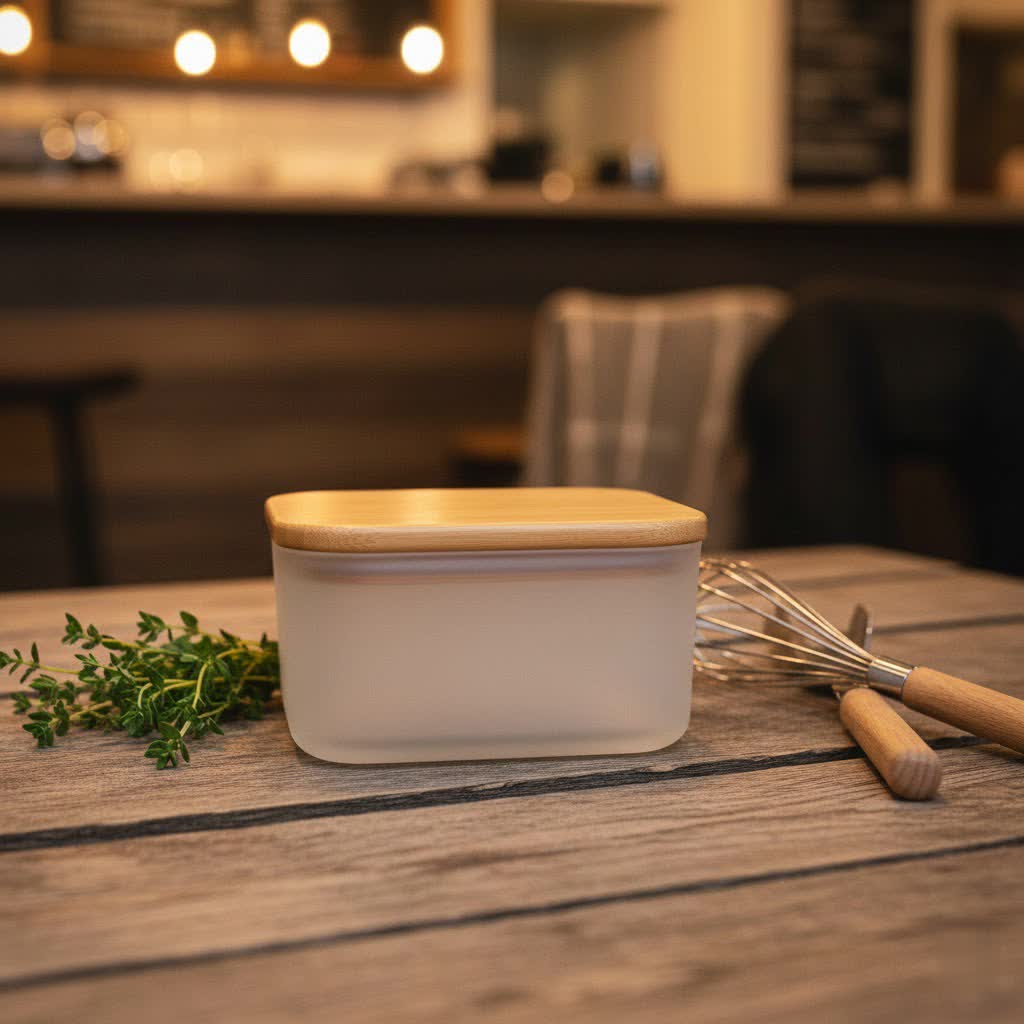
Hot food containers are specialized vessels designed with advanced insulation technology to maintain the temperature of your meals for extended periods. They act as a personal thermal mini-oven, ensuring your food stays piping hot, just as if it came straight from the stove.
The benefits of incorporating hot food containers into your daily life are substantial and multifaceted:
- Preserve Food Temperature: The most obvious benefit is their ability to keep hot meals hot for several hours. This means no more settling for cold lunches or needing to find a microwave.
- Enhanced Food Safety: Hot food must be kept above 140°F (60°C) to prevent bacterial growth and reduce the risk of foodborne illnesses. High-quality hot food containers reliably keep your meals above this “danger zone” temperature.
- Unrivaled Convenience: Whether you’re commuting to work, sending lunch with your children, or heading out for a picnic, these containers make transporting warm meals effortless. You can prepare meals in advance and enjoy them at the perfect temperature anytime, anywhere.
- Environmental Responsibility: Opting for reusable hot food containers significantly cuts down on single-use plastics and disposable packaging, contributing to a more sustainable lifestyle.
- Cost Savings: Preparing meals at home and packing them in hot food containers is far more economical than frequently buying takeout or dining out. This simple change can lead to considerable savings over time.
Popular Types of Hot Food Containers on the Market
The world of hot food containers offers a diverse range of options, varying by material, shape, size, and specialized features. Understanding these distinctions is key to finding the ideal container for your specific requirements.
By Material
The material choice largely dictates a container’s insulation performance, durability, and safety.
- Stainless Steel:
- Pros: Undisputedly the best for heat retention, especially when vacuum-insulated. Highly durable, rust-resistant, and doesn’t absorb odors or stains. Many are made from food-grade 304 stainless steel.
- Cons: Can be heavier than plastic. Not typically microwave-safe.
- Plastic (Insulated):
- Pros: Lightweight and often more affordable. Some designs offer decent short-term insulation.
- Cons: Less effective at prolonged heat retention compared to stainless steel. Crucially, always ensure plastic is BPA-free and food-safe. Not all plastic is suitable for hot food or microwaving.
- Glass (Borosilicate):
- Pros: Excellent for reheating in a microwave or oven (without lid). Doesn’t leach chemicals or absorb odors/stains. Visually appealing.
- Cons: Poor heat retention on its own; usually requires external insulation to keep food hot. Fragile and heavier than other materials.
- Ceramic:
- Pros: Retains heat reasonably well, especially when preheated. Microwave and oven safe. Aesthetically pleasing.
- Cons: Very heavy and prone to chipping or breaking. Not designed for extended heat retention without additional insulation.
- Silicone:
- Pros: Flexible, lightweight, and often collapsible for easy storage. Microwave, oven, and freezer safe.
- Cons: Limited heat retention on its own. Primarily used for general food storage or reheating rather than keeping food hot for hours.
|
Our Picks for the Best Food Container in 2026
As an Amazon Associate I earn from qualifying purchases.
|
||
| Num | Product | Action |
|---|---|---|
| 1 | 50 Pack (100-Piece) 24 oz Meal Prep Containers Reusable with Lids, Sturdy Leakproof & Food Safe, Microwave, Freezer, Dishwasher Safe Prep Containers, To Go Take Out Plastic Food Storage |

|
| 2 | Rubbermaid Brilliance Food Storage Containers BPA Free Airtight Lids Ideal for Lunch Meal Prep & Leftovers Set of 5 (3.2 Cup) |
|
| 3 | Rubbermaid Brilliance BPA Free Airtight Food Storage Containers with Lids, Set of 4 (4.7 Cup) Ideal for Lunch, Meal Prep, and Leftovers |
|
| 4 | Rubbermaid Brilliance BPA-Free Food Storage Containers, Medium Deep, 4.7 Cup, 2-Pack, Airtight & Leak-Proof, Microwave & Dishwasher Safe |
|
| 5 | Rubbermaid Brilliance Large Food Storage Container, 9.6 Cup, BPA-Free, Leak-Proof, Clear |
|
| 6 | Bentgo Prep - 20-Piece 1-Compartment Reusable Meal Prep Containers with Lids, PFAS & BPA Free Materials, Durable, Microwave, Freezer, & Dishwasher Safe To Go Food Storage (Mint) |
|
| 7 | Vtopmart 8 Pack Glass Food Storage Containers with Airtight Lids, Glass Meal Prep Containers, Lunch Office Meal for Microwave, Oven, Freezer and Dishwasher, BPA Free |
|
| 8 | 50 Pack (100-Piece) 32 oz Meal Prep Containers Reusable with Easy Open Lids, Sturdy Leakproof Food Safe, Microwave Freezer Dishwasher Safe, To Go Take Out Plastic Food Storage Pans with Lids, Black |
|
| 9 | 60 Sets (120-Piece) Deli Containers with Lids, 32/16/8 oz X 20 Set Each, Leak-Proof & BPA Free Airtight Takeout Plastic Food Storage Containers for Soup, Freezer/Microwave/Dishwasher Safe |
|
| 10 | Ankou Airtight Food Storage Container with Pop Lid & 130ml Scoop, 4L/4.2qt *4 BPA-Free Cereal, Rice, Flour, Pasta & Snack Container, Stackable & Durable,Kitchen Pantry Organizer |
|
By Shape and Size
Containers come in various forms to accommodate different meal types and portion sizes.
- Round Jars: Classic thermos design, ideal for soups, stews, oatmeal, or pasta.
- Square/Rectangular Boxes: Good for solid meals like rice and curry, stir-fries, or layered dishes. Some offer internal dividers.
- Compartmented Containers: Feature separate sections to keep different food items from mixing, perfect for balanced meals or sauces.
- Mini/Small Jars: Ideal for snacks, baby food, or smaller portions for children.
- Large Containers: Suitable for bigger appetites, family-sized portions, or catering.
By Feature
Modern hot food containers come equipped with features that enhance user experience and performance.
- Insulated (Vacuum-Sealed): The gold standard for heat retention, minimizing heat transfer through a vacuum layer between double walls.
- Leak-Proof: Essential for transporting liquid-based meals like soups or sauces without spills. Look for silicone gaskets and strong locking mechanisms.
- Vented Lids: Some containers include a small button or valve to release steam, making them easier to open after hot food has been packed.
- Microwave-Safe (Inner Containers): While the outer insulated jar is rarely microwave-safe, some designs include a removable, microwave-safe inner bowl for reheating.
- Dishwasher-Safe: For ultimate convenience, many components (especially lids and silicone seals) are dishwasher-safe, though stainless steel bodies often benefit from handwashing to preserve the vacuum seal.
- Built-in Utensils: Some containers include a foldable spoon or spork that cleverly nests within the lid.
Comparison Table of Hot Food Container Types
Choosing the right hot food container requires weighing different factors against your personal needs. Here’s a comparative overview:
| Feature | Stainless Steel (Vacuum Insulated) | Plastic (Insulated) | Glass (Borosilicate) | Ceramic (Insulated) | Silicone (Collapsible) |
|---|---|---|---|---|---|
| Material | 304 Stainless Steel | Food-grade PP, Tritan | Borosilicate Glass | Ceramic with insulation | Food-grade Silicone |
| Durability | Very High | Medium (can crack or warp) | Low (fragile) | Medium (can chip/break) | High |
| Heat Retention | Excellent (4-10+ hours) | Low-Medium (1-3 hours) | Very Low (needs external ins.) | Medium (2-4 hours) | Low (for short periods) |
| Health Safety | Excellent (non-reactive) | Good (if BPA-free) | Excellent (non-reactive) | Excellent (non-reactive) | Excellent |
| Price | Medium-High | Low-Medium | Medium | Medium-High | Low-Medium |
| Convenience | Easy to clean, durable seal | Lightweight, easy to transport | Easy to clean, visual | Easy to clean, aesthetic | Collapsible, versatile |
| Microwave Safe | No | Yes (check specific product) | Yes (body only, no lid) | Yes | Yes |
| Odor/Stain Resist. | Excellent | Medium (can absorb over time) | Excellent | Excellent | Good |
| Leak-Proof | Excellent (with good seal) | Varies (check specific product) | Needs tight lid | Needs tight lid | Good (with proper lid) |
How to Choose the Right Hot Food Container
Selecting the perfect hot food container involves careful consideration of your lifestyle and preferences. Here’s a step-by-step guide to help you make an informed decision:
Determine Your Usage Needs
Start by envisioning how you’ll use the container.
- What type of food will you pack? Soups and stews require excellent leak-proof seals, while solid meals might prioritize a wider opening.
- What capacity do you need? A small jar is perfect for a child’s snack or a side dish, while a larger one suits a hearty adult meal or sharing.
- Do you need special features? If you frequently carry liquids, leak-proof is non-negotiable. If you need a utensil on the go, look for integrated sporks.
Choose Safe Materials
Prioritize health and safety. For hot food, vacuum-insulated stainless steel (304 grade) is generally the safest and most effective. If considering plastic components, ensure they are explicitly labeled BPA-free. Glass is also a safe, non-reactive option, but remember its limited insulation.
Check Durability and Heat Retention
A good hot food container should be built to last and keep food hot for several hours.
- Durability: Look for robust construction, especially for daily use or rough handling. Stainless steel excels here.
- Heat Retention: This is paramount. High-quality vacuum-insulated containers should keep food hot for at least 4-6 hours, with premium models offering 8-12 hours or more. Pre-heating the container with boiling water for 5-10 minutes before adding food can significantly boost heat retention.
Consider Convenience
The easier a container is to use and maintain, the more likely you are to use it regularly.
- Lid Design: A lid that is easy to open and close, yet provides a secure, leak-proof seal, is crucial. Vented lids can be a plus.
- Stackability: If space is a concern, look for designs that can be neatly stacked in your fridge or bag.
- Ease of Cleaning: Wide-mouth openings make cleaning easier. Check if parts are dishwasher-safe, but be aware that dishwashers can sometimes compromise vacuum seals, making handwashing preferable for the main body.
Refer to User Reviews and Expert Opinions
Before making a final purchase, take time to read reviews from other users on e-commerce sites. These real-world experiences can offer valuable insights into a product’s true performance, durability, and any potential drawbacks. Asking friends or family for recommendations can also be beneficial.
Top 3 Hot Food Containers for Every Need
While specific product availability can change, here are three general categories of highly-rated hot food containers that consistently deliver based on material, design, and user feedback:
-
The Indestructible All-Rounder (e.g., Stanley Classic Legendary Food Jar equivalent):
- Description: A robust, vacuum-insulated stainless steel food jar known for its legendary durability and superior heat retention. Often comes with a wide mouth and a lid that doubles as a bowl.
- Pros: Exceptional heat retention (up to 8-12 hours), highly durable, leak-proof, often includes a spork.
- Cons: Can be heavier and bulkier than some alternatives.
- Ideal for: Outdoor enthusiasts, construction workers, anyone needing maximum reliability and long-lasting warmth.
-
The Everyday Commuter (e.g., Thermos Stainless King Food Jar equivalent):
- Description: A sleek, vacuum-insulated stainless steel food jar designed for daily use, combining excellent performance with a more compact form factor.
- Pros: Very good heat retention (up to 5-7 hours), lightweight, compact, often includes a foldable spoon, lid functions as a serving cup.
- Cons: Capacity might be smaller for very large appetites.
- Ideal for: Office workers, students, or those who pack standard-sized lunches.
-
The Kid-Friendly & Versatile (e.g., Thermos FUNtainer or LunchBots equivalent):
- Description: Designed with children in mind, these insulated containers feature bright colors, easy-to-open lids, and durable construction to withstand daily school life. Often made from stainless steel with plastic accents.
- Pros: Good heat retention (up to 4-5 hours), compact and easy for small hands to manage, fun designs, often leak-proof.
- Cons: May not offer the longest heat retention compared to adult-oriented jars.
- Ideal for: Parents packing warm lunches for school-aged children.
Tips for Using and Maintaining Hot Food Containers
Proper usage and maintenance are crucial for maximizing the performance and extending the lifespan of your hot food containers.
How to Clean Hot Food Containers Correctly
- General Cleaning: Most stainless steel containers are best hand washed with warm, soapy water. Use a bottle brush for thorough cleaning. Rinse thoroughly.
- Lids and Seals: Always remove silicone gaskets and seals from lids to clean separately. Food particles can get trapped, leading to odors or mold.
- Dishwasher Use: While some containers are labeled “dishwasher-safe,” it’s often recommended to handwash the main insulated body to protect the vacuum seal, which can be compromised by high heat. Check manufacturer instructions carefully.
How to Remove Odors from Hot Food Containers
If your container retains odors from previous meals:
- Baking Soda Soak: Fill the container with a mixture of warm water and a few tablespoons of baking soda. Let it sit overnight, then rinse thoroughly.
- Vinegar Rinse: A diluted white vinegar solution can also help neutralize stubborn smells. Rinse well afterward.
- Air Dry: Always allow the container and lid to air dry completely before reassembling and storing to prevent musty smells.
How to Preserve Your Hot Food Container’s Lifespan
- Pre-heat Properly: Always pre-heat your container with boiling water for 5-10 minutes before adding hot food. This primes the insulation and significantly improves heat retention.
- Fill to Capacity: Food cools down faster in a partially filled container due to more air space. For best results, fill your container as much as possible.
- Avoid Abrasives: Do not use abrasive cleaners or scrubbers on stainless steel, as they can scratch the surface or damage coatings.
- Handle with Care: While durable, avoid dropping stainless steel containers repeatedly, as dents can compromise the vacuum seal.
- Store Unsealed: When not in use, store your container with the lid slightly ajar or removed to allow air circulation and prevent trapped moisture or odors.
What to Avoid When Using Hot Food Containers
- Microwaving Stainless Steel: Never put stainless steel containers in the microwave.
- Overfilling: While filling to capacity is good, don’t overfill to the point where the lid can’t seal properly, which can lead to leaks.
- Harsh Chemicals: Avoid bleach or other harsh chemicals, as they can damage materials and leave residues.
- Freezing (for insulated jars): While some basic food containers are freezer-safe, insulated vacuum-sealed jars are generally not designed for the freezer, as extreme cold can potentially damage the vacuum seal.
“A quality insulated food container isn’t just a convenience; it’s an investment in healthier eating, smarter budgeting, and a more sustainable lifestyle.”
Conclusion
Embracing hot food storage containers marks a significant upgrade to your daily meal planning. By understanding the diverse types, essential features, and optimal usage, you can confidently select a container that keeps your favorite dishes warm, fresh, and ready to enjoy whenever hunger strikes. From robust stainless steel thermal jars to versatile, leak-proof options, the perfect solution for your family’s hot meal needs is within reach. Elevate your mealtimes, reduce waste, and savor the comfort of a perfectly warm meal on the go.
What exciting warm meals will you pack in your new hot food container?
Frequently Asked Questions
How long can hot food containers typically keep food warm?
High-quality vacuum-insulated hot food containers can keep food warm for an average of 4 to 10 hours, with some premium models extending this to 12 hours or even more, especially when pre-heated properly.
Are hot food containers safe for children to use?
Yes, many hot food containers are specifically designed with children in mind, featuring easy-to-open lids, durable construction, and BPA-free materials. Always check for age recommendations and practice opening at home first.
Can I put my hot food container in the microwave?
No, the main insulated body of stainless steel hot food containers should never be put in the microwave, as it can damage the container and pose a safety hazard. If your container has a removable inner bowl, check if that specific component is microwave-safe.
What is the best material for keeping food hot?
Vacuum-insulated stainless steel is widely considered the best material for keeping food hot for extended periods due to its superior thermal insulation properties and durability.
How do I prevent my hot food container from leaking?
Ensure the container has a tight-fitting, leak-proof lid, often with a silicone gasket. Always check that the lid is securely closed and that the seal is clean and properly seated before packing liquids.
Should I pre-heat my hot food container?
Yes, pre-heating your hot food container with boiling water for 5-10 minutes before adding your hot meal is highly recommended. This crucial step significantly improves the container’s ability to retain heat for longer.
Can hot food containers also keep food cold?
Absolutely! The same vacuum insulation technology that keeps food hot also excels at keeping food cold. Many hot food containers are versatile enough to maintain cold temperatures for even longer durations, often up to 12-24 hours.
