In a world increasingly focused on healthy living and sustainable choices, the humble food container has become a kitchen essential. But not all containers are created equal. If you’re serious about preserving food freshness, streamlining meal prep, and minimizing environmental impact, Large Glass Food Storage Containers offer a sophisticated and practical solution. Forget stained plastic and flimsy lids; these versatile workhorses are designed to withstand the demands of modern kitchens while keeping your food tasting its best.
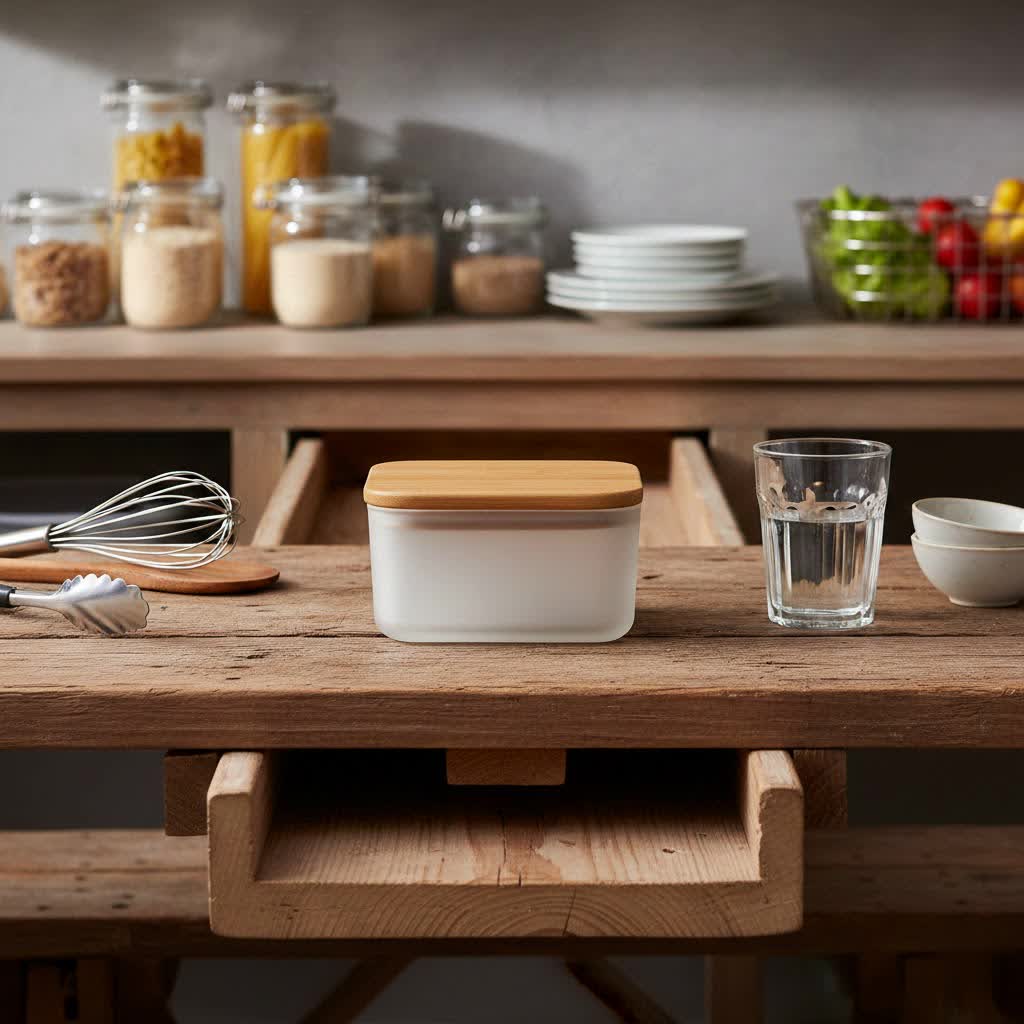
What Are Food Containers, and Why Do Large Glass Ones Matter?
At its core, a food container is a vessel designed to hold and preserve food, preventing spoilage and maintaining quality. While various materials exist, large glass food storage containers stand out for their exceptional benefits, making them a superior choice for many households. They are invaluable for storing generous portions of leftovers, batch-cooked meals, or fresh produce, ensuring you always have healthy options readily available.
The primary advantages of integrating large glass food containers into your kitchen include:
- Optimal Food Preservation: Glass is non-porous and non-reactive, meaning it won’t absorb food odors, stains, or flavors, keeping your meals fresher for longer. An airtight seal prevents air exposure, a common culprit for spoilage.
- Convenience and Versatility: Most large glass containers are safe for use in the oven, microwave, freezer, and dishwasher, offering unparalleled flexibility. You can bake directly in them, reheat leftovers, store meals, and then easily clean them without switching vessels.
- Environmental Responsibility: Opting for reusable glass significantly reduces your reliance on single-use plastics, contributing to a healthier planet. Glass is also endlessly recyclable, making it a sustainable choice.
- Health and Safety: Unlike some plastics, glass is naturally free from harmful chemicals like BPA, phthalates, and PVC, ensuring your food remains uncontaminated. This non-toxic nature provides peace of mind, especially for families.
- Cost Savings: While the initial investment might be slightly higher than plastic, the durability and longevity of glass containers mean they last for years, saving you money on replacements in the long run.
Popular Types of Food Containers on the Market
The market offers a wide array of food containers, categorized by material, shape, size, and functionality. When focusing on large glass options, understanding these distinctions helps in making an informed choice.
By Material
While this article champions glass, it’s useful to briefly consider other materials for context.
- Plastic:
- Pros: Lightweight, affordable, shatter-resistant.
- Cons: Can stain, absorb odors, potentially leach chemicals (especially when heated, unless certified BPA-free), less durable over time, prone to warping.
- Safe types: Look for BPA-free, food-grade polypropylene (PP) or Tritan.
- Glass:
- Pros: Non-toxic, non-porous, doesn’t stain or absorb odors, highly durable (especially borosilicate), oven/microwave/freezer/dishwasher safe, clear visibility.
- Cons: Heavier than plastic, can break if dropped, generally more expensive.
- Types of Glass:
- Borosilicate Glass: This is the gold standard for food storage. Known for its exceptional durability and resistance to thermal shock, borosilicate glass can safely transition between extreme temperatures (e.g., freezer to oven, with proper precautions). It’s more resistant to shattering and more expensive.
- Tempered Glass: Chemically treated for increased strength and thermal shock resistance compared to untreated glass. If it breaks, it typically shatters into blunt, smaller pieces, which is a safety advantage. Many popular brands use tempered glass.
- Untreated (Soda-Lime) Glass: Standard glass, less durable and not resistant to thermal shock. It’s generally not recommended for oven or freezer use, and breaks into sharp shards.
- Stainless Steel:
- Pros: Extremely durable, lightweight, rust-resistant, non-toxic, great for travel.
- Cons: Cannot be used in the microwave, opaque (can’t see contents), often more expensive.
- Ceramic:
- Pros: Aesthetic, non-toxic, can be oven-safe.
- Cons: Heavy, brittle, prone to chipping and breaking, often not microwave or freezer safe, opaque.
- Silicone:
- Pros: Flexible, lightweight, non-toxic, freezer/microwave/oven safe, collapsible for storage.
- Cons: Can absorb odors over time, less rigid than glass or plastic, not ideal for very wet foods.
|
Our Picks for the Best Food Container in 2026
As an Amazon Associate I earn from qualifying purchases.
|
||
| Num | Product | Action |
|---|---|---|
| 1 | Ankou Airtight Food Storage Container with Pop Lid & 130ml Scoop, 4L/4.2qt *4 BPA-Free Cereal, Rice, Flour, Pasta & Snack Container, Stackable & Durable,Kitchen Pantry Organizer |

|
| 2 | 60 Sets (120-Piece) Deli Containers with Lids, 32/16/8 oz X 20 Set Each, Leak-Proof & BPA Free Airtight Takeout Plastic Food Storage Containers for Soup, Freezer/Microwave/Dishwasher Safe |
|
| 3 | Rubbermaid Brilliance BPA-Free Food Storage Containers, Medium Deep, 4.7 Cup, 2-Pack, Airtight & Leak-Proof, Microwave & Dishwasher Safe |
|
| 4 | Rubbermaid Brilliance Large Food Storage Container, 9.6 Cup, BPA-Free, Leak-Proof, Clear |
|
| 5 | Rubbermaid Brilliance Food Storage Containers BPA Free Airtight Lids Ideal for Lunch Meal Prep & Leftovers Set of 5 (3.2 Cup) |
|
| 6 | Bentgo Prep - 20-Piece 1-Compartment Reusable Meal Prep Containers with Lids, PFAS & BPA Free Materials, Durable, Microwave, Freezer, & Dishwasher Safe To Go Food Storage (Mint) |
|
| 7 | Rubbermaid Brilliance BPA Free Airtight Food Storage Containers with Lids, Set of 4 (4.7 Cup) Ideal for Lunch, Meal Prep, and Leftovers |
|
| 8 | 50 Pack (100-Piece) 32 oz Meal Prep Containers Reusable with Easy Open Lids, Sturdy Leakproof Food Safe, Microwave Freezer Dishwasher Safe, To Go Take Out Plastic Food Storage Pans with Lids, Black |
|
| 9 | 50 Pack (100-Piece) 24 oz Meal Prep Containers Reusable with Lids, Sturdy Leakproof & Food Safe, Microwave, Freezer, Dishwasher Safe Prep Containers, To Go Take Out Plastic Food Storage |
|
| 10 | Vtopmart 8 Pack Glass Food Storage Containers with Airtight Lids, Glass Meal Prep Containers, Lunch Office Meal for Microwave, Oven, Freezer and Dishwasher, BPA Free |
|
By Shape and Size
For large glass food storage containers, practicality often dictates the most common shapes.
- Round Containers: Good for soups, stews, or larger single servings. Often stack well if lids are designed for it.
- Square Containers: Excellent for maximizing space in refrigerators and freezers due to their efficient packing.
- Rectangular Containers: The most versatile for meal prep, leftovers, and fitting into tight spaces. Many large options are rectangular to accommodate dishes like lasagna or roasted vegetables.
- Containers with Dividers: Perfect for meal prepping main courses and side dishes separately, though typically smaller in individual compartment capacity.
- Extra-Large Containers: Specifically designed for family-sized portions, baking dishes, or bulk storage, often ranging from 7 cups to over 15 cups (e.g., Razab Extra Large Glass Food Storage Containers).
By Feature
Modern large glass food storage containers come with features that enhance their utility:
- Airtight and Leak-Proof: Essential for keeping food fresh and preventing spills, often achieved with silicone-sealed lids and locking clasps.
- Heat Retention: While glass itself doesn’t retain heat as well as insulated containers, its ability to go from oven to table makes it convenient for serving and then immediately storing.
- Vented Lids: Some lids include small vents to release steam when microwaving, preventing pressure buildup and splattering.
- Microwave-Safe: Most glass containers are microwave-safe (remove lids for heating).
- Oven-Safe: Borosilicate and tempered glass containers are often oven-safe, allowing for baking and roasting directly in the container (lids are usually not oven-safe).
- Freezer-Safe: Ideal for batch cooking and long-term storage, preventing freezer burn.
- Dishwasher-Safe: Simplifies cleanup significantly (check if lids are top-rack safe or hand-wash only).
- Stackable and Nestable: Designs that allow containers to stack neatly in the fridge or nest inside each other when empty are key for saving cabinet space.
Comparison Table: Key Glass Food Container Characteristics
To help you decide, here’s a comparison focusing on the crucial aspects of glass food storage:
| Feature | Borosilicate Glass Containers | Tempered Glass Containers |
|---|---|---|
| Durability | High (resistant to thermal shock, very strong) | Medium-High (stronger than untreated, moderate thermal shock resistance) |
| Heat Resistance | Excellent (can typically go from freezer to oven/microwave, check manufacturer limits) | Good (can go in oven/microwave, avoid extreme temperature changes) |
| Health Safety | Excellent (non-toxic, non-reactive, BPA-free) | Excellent (non-toxic, non-reactive, BPA-free) |
| Price Range | Higher | Moderate |
| Versatility | High (oven, microwave, freezer, dishwasher safe) | High (oven, microwave, freezer, dishwasher safe, but with more caution for thermal shock) |
| Weight | Lighter than tempered glass for the same strength | Can be heavier and thicker than borosilicate for similar durability |
| Breakage | More resistant to breaking; if it breaks, it’s often a clean snap | Strong, but if it breaks, it shatters into blunt, smaller pieces |
| Common Brands | OXO Good Grips (some), Razab, Prep Naturals | Pyrex Simply Store, Rubbermaid Brilliance, Glasslock, Pyrex FreshLock |
How to Choose the Right Large Glass Food Storage Containers
Selecting the perfect large glass food storage containers involves considering your specific needs and priorities. By evaluating a few key factors, you can make a choice that will serve your household well for years.
Identify Your Usage Needs
Start by thinking about how you plan to use these containers:
- What type of food will you store? For liquids like soups or sauces, leak-proof containers are paramount. For dry goods or baked items, airtightness is key. For meal prep, consider containers with dividers or multiple same-sized units.
- What capacity do you require? “Large” can mean different things. For family dinners and big batch cooking, look for capacities of 7 cups (around 1.6 liters) and up, with some popular options reaching 10-15 cups. If you frequently make casseroles or roasts, specific glass baking dishes with lids are ideal.
- Do you need special features? If you often cook directly in the container, oven-safe properties are a must. For frequent microwave use, ensure the lids are microwave-safe or easily removable. Freezing requires good seals to prevent freezer burn.
Prioritize Safe and Durable Materials
When it comes to glass, borosilicate glass is generally recommended for its superior durability and thermal shock resistance. However, high-quality tempered glass is also an excellent and often more affordable option, providing good strength for everyday use. Always verify that plastic lids are BPA-free and food-grade.
Assess Durability and Temperature Resistance
A robust container should feel solid and substantial. Check product descriptions for thickness and material type. If you intend to use containers in extreme temperatures (like moving from the freezer to a hot oven), borosilicate glass is the safest bet. Always check the manufacturer’s guidelines for maximum temperature limits for both the glass base and the lid. Remember the golden rule: avoid sudden, extreme temperature changes with any glass. Always let frozen items thaw slightly before putting them into a hot oven, and allow hot dishes to cool before refrigerating or freezing.
Consider Practicality and Convenience
- Lid Design: Look for airtight, leak-proof lids with secure locking mechanisms. Silicone or rubber gaskets provide the best seal and can often be removed for thorough cleaning. Clear lids are a bonus for quick content identification.
- Stackability and Nestability: To save valuable cabinet and refrigerator space, choose containers that stack neatly when full and nest compactly when empty. This is especially important for larger sets.
- Ease of Cleaning: Dishwasher-safe containers and lids are a huge time-saver. Check if the lids require handwashing for specific brands. Smooth interiors and easily removable seals prevent food from getting trapped, making cleaning effortless.
Consult User Reviews
Before making a final decision, take advantage of other users’ experiences. Read reviews on e-commerce sites, food blogs, and consumer forums. Pay attention to comments regarding lid performance, durability, ease of cleaning, and how well the containers hold up over time. These real-world insights can be incredibly valuable.
Top 5 Large Glass Food Storage Containers to Consider
Based on performance, durability, and user feedback, here are some highly regarded large glass food storage container options that excel in capacity and functionality.
-
Pyrex Simply Store Glass Food Storage Container Set
- Overview: A classic choice, often coming in sets with a variety of sizes, including good large options (e.g., 7-cup round). Made with durable tempered glass.
- Pros: Lightweight yet sturdy, stackable and nestable, excellent for storing and reheating, dishwasher safe, oven-safe bases. Lids are BPA-free plastic and provide a secure seal.
- Cons: Lids are plastic and not oven/microwave safe.
- Ideal for: Everyday family leftovers, general food storage, and those looking for a reliable, well-known brand.
-
Razab Extra Large Glass Food Storage Containers
- Overview: Specifically designed for generous capacities, these containers are perfect for big households or batch cooking. Made from borosilicate glass.
- Pros: Truly extra-large sizes, stackable and nestable, airtight lids with four-sided locks, borosilicate glass is highly durable and versatile (oven, microwave, freezer safe). Keeps food fresh for days.
- Cons: The large size might be too much for smaller households. Lids are plastic and not oven safe.
- Ideal for: Large families, entertaining, batch meal prep, or anyone needing to store substantial quantities of food.
-
Rubbermaid Brilliance Glass Food Storage Container Set
- Overview: Known for exceptional leak-proof performance and smart design, these sets include glass bases with innovative plastic lids. Uses tempered glass.
- Pros: Best-in-class airtight and leak-proof seals, interchangeable lids (for glass and plastic Brilliance containers of the same shape), built-in lid vents for splatter-free microwaving, sturdy tempered glass. Containers nest well.
- Cons: Lids are plastic and not oven safe; some users note the lids dip slightly into the container when sealed.
- Ideal for: Storing liquids like soups and sauces, meal prepping on the go, and those who prioritize leak-proof reliability.
-
Glasslock Assorted Oven Safe Container Set
- Overview: A popular choice offering versatility with many sizes, often made from tempered glass.
- Pros: Good assortment of sizes, strong snap-tight lids provide excellent airtightness, oven, microwave, freezer, and dishwasher safe (glass bases). Clear lids make contents visible.
- Cons: Tempered glass, while strong, can still break if dropped from a height. Lids are plastic and not oven/microwave safe.
- Ideal for: General kitchen storage, meal prep, and users who appreciate a variety of sizes with strong seals.
-
Caraway Food Storage Set (Ceramic-Coated Glass)
- Overview: A high-end, aesthetically pleasing set featuring ceramic-coated glass for a premium feel and non-stick properties. Includes various sizes and organizers.
- Pros: Beautiful design, ceramic-coated glass is non-toxic and often oven-safe, includes useful inserts and magnetic storage organizers, great for both cooking and serving.
- Cons: Significantly more expensive, some reports of lids being finicky to secure or not being fully leak-proof with liquids. Containers can still break.
- Ideal for: Those looking for a stylish, comprehensive set with organizing solutions and who value aesthetic appeal alongside functionality.
Tips for Using and Maintaining Your Large Glass Food Containers
To ensure your large glass food storage containers last for years and perform at their best, follow these usage and maintenance guidelines:
Proper Cleaning Techniques
- Dishwasher Safe: Most glass containers are dishwasher safe. For convenience, always place them on the top rack if possible, especially lids, to prevent warping from high heat.
- Hand Washing: For lids, especially those with silicone seals and intricate locking mechanisms, hand washing with warm, soapy water is often recommended to preserve their integrity and sealing ability. Remove and clean silicone gaskets regularly to prevent mold buildup and ensure a tight seal.
- Tough Stains: For stubborn food residue, soak the container in warm, soapy water before scrubbing. A mixture of baking soda and vinegar can also help remove tough stains or film.
Eliminating Lingering Odors
While glass is excellent at resisting odors, strong-smelling foods can sometimes leave a faint trace.
- Sunlight: Place empty, clean containers in direct sunlight for a few hours. UV rays can naturally neutralize odors.
- Baking Soda Paste: Make a paste with baking soda and a little water, spread it inside the container, let it sit for a few hours or overnight, then wash thoroughly.
- Charcoal: Place a piece of activated charcoal in the container and seal it for a day or two to absorb odors.
Extending Longevity
- Avoid Thermal Shock: Never take a frozen glass container and place it directly into a hot oven or vice versa. The rapid temperature change can cause the glass to crack or shatter. Allow frozen items to temper (come closer to room temperature) before heating, and let hot food cool down before refrigerating or freezing.
- Handle with Care: Although durable, glass can break. Avoid dropping containers, especially on hard surfaces.
- Proper Storage: Store containers with lids loosely placed or off to prevent air pressure buildup if they are not completely dry, which can lead to odors or moisture. Nesting and stacking designs help protect them from accidental knocks.
What to Avoid
- Overfilling: Do not fill liquid-rich foods to the brim, especially if freezing, as liquids expand when frozen and can cause the glass to crack.
- Harsh Abrasives: While glass is tough, abrasive scrubbers or harsh chemical cleaners can scratch the surface over time. Stick to gentle sponges and dish soap.
- Microwaving Lids: Unless explicitly stated by the manufacturer, assume plastic lids are not microwave-safe. High heat can cause them to warp or degrade.
- Lids in Oven: Plastic or silicone lids should never go into a hot oven.
Conclusion
Investing in large glass food storage containers is a smart decision for any household seeking to enhance food freshness, promote healthier eating habits, and embrace a more sustainable lifestyle. From preparing family-sized meals to organizing your pantry, these versatile containers offer a robust and non-toxic solution for all your storage needs. By understanding the types of glass, key features, and proper care, you can select the perfect set that will serve you faithfully for years to come.
What delicious family meals will you batch cook and store in your new glass containers this week?
Frequently Asked Questions
Are large glass food storage containers safe for the oven and freezer?
Yes, most large glass food storage containers, especially those made from borosilicate or tempered glass, are designed to be safe for both oven and freezer use. Always check the manufacturer’s instructions for specific temperature limits and precautions, such as avoiding sudden extreme temperature changes, to prevent breakage.
What is the best type of glass for food storage?
Borosilicate glass is generally considered the best for food storage due to its superior resistance to thermal shock and high durability, allowing it to safely transition between very hot and cold temperatures. Tempered glass is also a strong and versatile option for everyday use.
Do glass food containers keep food fresh longer than plastic?
Yes, glass food containers often keep food fresher for longer. Glass is non-porous and non-reactive, which means it doesn’t absorb odors, flavors, or stains from food, unlike plastic. This helps maintain the food’s original quality and taste.
How do I prevent glass food containers from breaking?
To prevent glass containers from breaking, handle them carefully and avoid dropping them on hard surfaces. Crucially, prevent thermal shock by allowing food and containers to cool before freezing, and to temper before heating from frozen. Do not place hot glass on cold, wet surfaces.
Can I microwave food in glass storage containers with the lid on?
It’s generally recommended to remove plastic lids before microwaving food in glass containers, as high heat can cause plastic to warp or degrade. Some lids feature special vents for microwaving, but always consult the manufacturer’s guidelines for safe use.
