Ensuring a reliable food supply for your family is a fundamental aspect of household preparedness and smart living. Whether you’re safeguarding against unforeseen emergencies, aiming to save money by buying in bulk, or simply striving for a more organized pantry, long-term food storage containers are indispensable. This comprehensive guide will walk you through everything you need to know, from understanding the different types of containers available to choosing the perfect solutions for your specific needs, ensuring your provisions remain safe, fresh, and accessible for years to come.
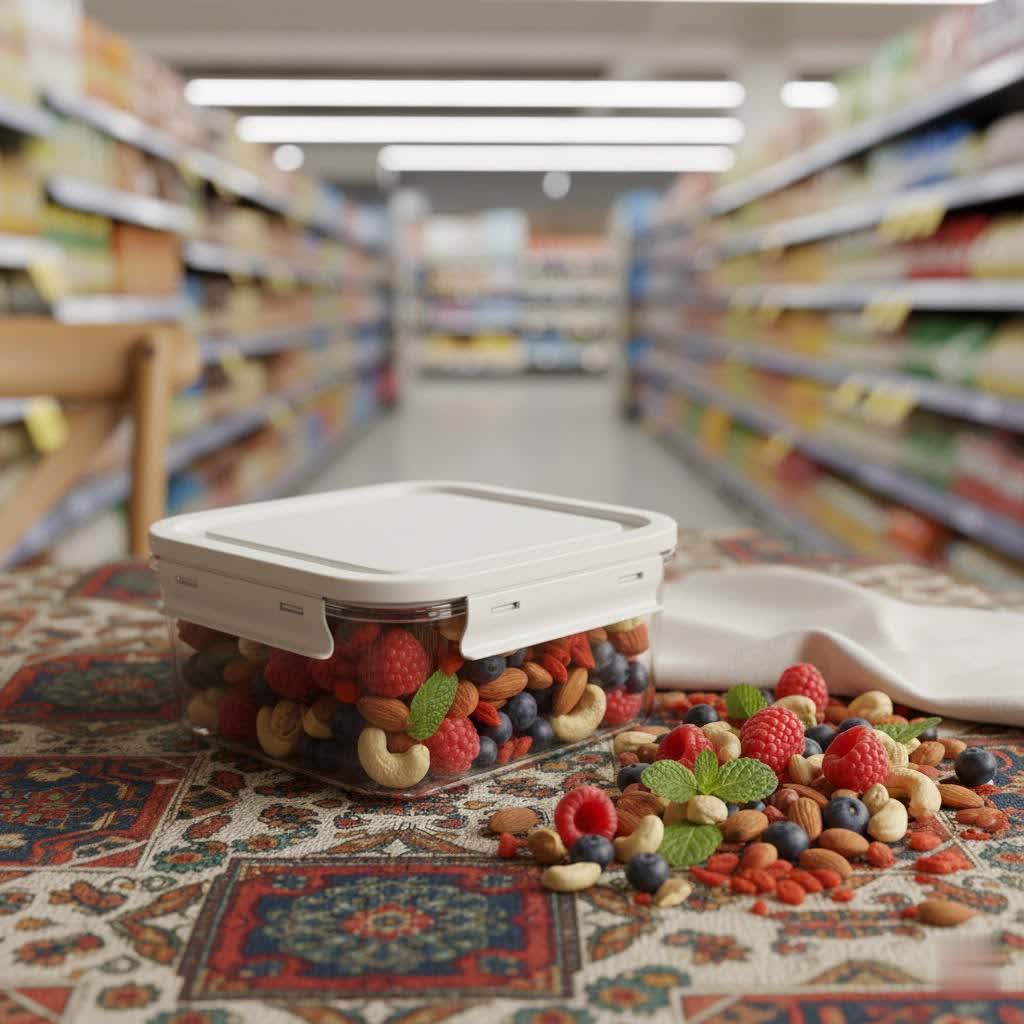
What Are Long-Term Food Storage Containers and Why Do You Need Them?
Long-term food storage containers are specially designed vessels engineered to protect food items from environmental degradation over extended periods. Unlike everyday containers, they create robust barriers against oxygen, moisture, light, pests, and temperature fluctuations, which are the primary culprits behind food spoilage.
The benefits of investing in quality long-term food storage are manifold:
- Preserve Freshness and Nutritional Value: By sealing out harmful elements, these containers significantly extend the shelf life of dry goods, retaining their taste, texture, and vital nutrients.
- Emergency Preparedness: In the face of natural disasters, power outages, or economic instability, a well-stocked pantry provides invaluable peace of mind and self-sufficiency.
- Cost-Saving: Buying staples like rice, beans, pasta, and flour in bulk quantities is often more economical. Long-term storage containers allow you to take advantage of these savings without worrying about spoilage.
- Pest and Moisture Protection: Airtight seals and durable materials form an impenetrable fortress against insects, rodents, and humidity, which can quickly ruin conventional food storage.
- Environmental Responsibility: Reducing food waste by preserving bulk purchases contributes to a more sustainable lifestyle.
Popular Types of Long-Term Food Storage Containers on the Market
The market offers a variety of long-term food storage containers, each with unique characteristics suited for different applications. Understanding these differences is key to making informed choices.
By Material
|
Our Picks for the Best Food Container in 2026
As an Amazon Associate I earn from qualifying purchases.
|
||
| Num | Product | Action |
|---|---|---|
| 1 | Rubbermaid Brilliance Food Storage Containers BPA Free Airtight Lids Ideal for Lunch Meal Prep & Leftovers Set of 5 (3.2 Cup) |

|
| 2 | Rubbermaid Brilliance BPA-Free Food Storage Containers, Medium Deep, 4.7 Cup, 2-Pack, Airtight & Leak-Proof, Microwave & Dishwasher Safe |
|
| 3 | Rubbermaid Brilliance BPA Free Airtight Food Storage Containers with Lids, Set of 4 (4.7 Cup) Ideal for Lunch, Meal Prep, and Leftovers |
|
| 4 | Ankou Airtight Food Storage Container with Pop Lid & 130ml Scoop, 4L/4.2qt *4 BPA-Free Cereal, Rice, Flour, Pasta & Snack Container, Stackable & Durable,Kitchen Pantry Organizer |
|
| 5 | Rubbermaid Brilliance Large Food Storage Container, 9.6 Cup, BPA-Free, Leak-Proof, Clear |
|
| 6 | 50 Pack (100-Piece) 24 oz Meal Prep Containers Reusable with Lids, Sturdy Leakproof & Food Safe, Microwave, Freezer, Dishwasher Safe Prep Containers, To Go Take Out Plastic Food Storage |
|
| 7 | 60 Sets (120-Piece) Deli Containers with Lids, 32/16/8 oz X 20 Set Each, Leak-Proof & BPA Free Airtight Takeout Plastic Food Storage Containers for Soup, Freezer/Microwave/Dishwasher Safe |
|
| 8 | Vtopmart 8 Pack Glass Food Storage Containers with Airtight Lids, Glass Meal Prep Containers, Lunch Office Meal for Microwave, Oven, Freezer and Dishwasher, BPA Free |
|
| 9 | 50 Pack (100-Piece) 32 oz Meal Prep Containers Reusable with Easy Open Lids, Sturdy Leakproof Food Safe, Microwave Freezer Dishwasher Safe, To Go Take Out Plastic Food Storage Pans with Lids, Black |
|
| 10 | Bentgo Prep - 20-Piece 1-Compartment Reusable Meal Prep Containers with Lids, PFAS & BPA Free Materials, Durable, Microwave, Freezer, & Dishwasher Safe To Go Food Storage (Mint) |
|
Plastic (Food-Grade Buckets/Totes)
Food-grade plastic containers, particularly 5-gallon buckets made from High-Density Polyethylene (HDPE #2), are a cornerstone of long-term food storage. They are robust, stackable, and relatively inexpensive.
- Pros: Highly durable, excellent impact resistance, often stackable for efficient space utilization, available in large capacities. Many are BPA-free.
- Cons: While strong, plastic can be somewhat permeable to oxygen over very long durations, especially if not paired with Mylar bags and oxygen absorbers. Not ideal for direct storage of oily foods which can degrade plastic over time.
- Safety: Always look for “food-grade” markings (e.g., HDPE #2) and ensure they are BPA-free to prevent chemical leaching.
Mylar Bags
Mylar bags are a game-changer for serious long-term food storage. These bags are made from multiple layers of laminated food-grade aluminum foil and plastic, creating an exceptional barrier. They are typically used inside plastic buckets or other rigid containers for added physical protection.
- Pros: Superior barrier against oxygen, moisture, light, and odors. Flexible, lightweight, and can extend food shelf life significantly (often 10-25 years when combined with oxygen absorbers).
- Cons: Not puncture-resistant on their own, requiring placement inside another container. They need to be heat-sealed for an effective airtight seal. Once opened, the long-term barrier is compromised.
- Key Feature: Almost always used in conjunction with oxygen absorbers to remove residual oxygen, which is critical for preventing spoilage.
Glass
Glass containers, such as large canning jars or wide-mouth glass jars, are excellent for certain types of food storage, especially when visibility is desired or for shorter-to-medium term bulk items.
- Pros: Non-reactive, transparent (allowing quick content identification), completely impermeable to oxygen and moisture once sealed, pest-proof, reusable, and easy to clean (often dishwasher safe). Ideal for preserving fermented foods.
- Cons: Fragile and heavy, susceptible to breakage. Transparency also means they offer no protection from light, which can degrade food quality over time, requiring storage in a dark place.
Stainless Steel
Stainless steel containers represent the high-end of durability and longevity. They are robust, non-reactive, and provide complete light blockage.
- Pros: Extremely durable, non-reactive (no chemical leaching), completely opaque (excellent light protection), pest-proof, and can last a lifetime.
- Cons: Often quite expensive and heavier than plastic. Limited availability in very large capacities specifically designed for bulk long-term food storage.
By Shape and Size
Food containers come in various shapes and sizes to accommodate different storage needs:
- Round: Common for 5-gallon buckets, offering robust construction.
- Square/Rectangular: Often found in plastic totes and some glass or stainless steel containers, these shapes are generally more space-efficient for stacking.
- Compartmented: While useful for daily meal prep, these are less common and typically not ideal for very long-term bulk food storage.
- Mini to Large: From small reusable bags for nuts or spices to large 5-gallon buckets for grains, sizes vary widely to match the quantity of food being stored.
By Feature
Specialized features enhance the effectiveness of long-term food storage containers:
- Airtight Seals: Crucial for preventing oxygen and moisture ingress. Look for rubber gaskets or screw-on gamma lids that provide a tight seal.
- Oxygen Absorbers: Small packets containing iron powder that chemically react with and remove oxygen from sealed containers. Essential for Mylar bags and extending shelf life.
- Stackable Designs: Maximizes storage space, allowing containers to interlock or sit securely on top of each other.
- Freezer-Safe: Certain Mylar bags, specific plastics, and tempered glass can withstand freezing temperatures without cracking.
- BPA-Free: Ensures that no harmful chemicals leach into your food from plastic containers.
Comparing Long-Term Food Storage Containers
Choosing the best container involves weighing several factors. Here’s a comparison to help you decide:
| Feature | Plastic Buckets (with Mylar & O2 Absorbers) | Mylar Bags (inside a rigid container) | Glass Jars | Stainless Steel |
|---|---|---|---|---|
| Material | HDPE Plastic | Multi-layer film (Aluminum & Plastic) | Tempered Glass | Food-grade SS |
| Durability | High (physical protection) | Moderate (requires outer protection) | Moderate (fragile) | Very High |
| Oxygen Barrier | Good (excellent with Mylar & O2) | Excellent | Excellent | Excellent |
| Moisture Barrier | Good (excellent with Mylar & O2) | Excellent | Excellent | Excellent |
| Light Protection | Good (solid buckets) | Excellent (opaque film) | Poor (transparent) | Excellent (opaque) |
| Health Safety | Food-grade, BPA-free essential | Food-grade | Non-reactive | Non-reactive |
| Cost | Low to Medium | Low to Medium | Medium | High |
| Convenience | Stackable, large capacity | Flexible, space-saving (empty) | Transparent, reusable | Extremely durable |
| Ideal Use | Grains, beans, emergency kits | Dry goods, bulk foods, dehydrated food | Shorter-term bulk, visible pantry items, fermentation | High-value dry goods, heavy use |
How to Choose the Right Long-Term Food Storage Containers
Selecting the ideal containers requires a thoughtful assessment of your specific needs and priorities.
Assess Your Storage Needs
Start by defining what you intend to store and for how long:
- Food Types: Are you storing dry goods like grains, pasta, or beans? Dehydrated fruits and vegetables? Or complete emergency meals? Each type might have optimal storage solutions.
- Desired Capacity and Volume: Do you need to store bulk quantities for a large family or smaller, portioned amounts? Consider 1-gallon containers for smaller items and 5-gallon buckets for staple bulk foods.
- Storage Duration: For extreme long-term storage (20+ years), Mylar bags with oxygen absorbers inside rigid containers are almost always recommended. For shorter durations (1-5 years), airtight plastic or glass containers might suffice.
- Specific Features: Do you need containers that are portable? Easily stackable? Or perhaps clear for quick inventory?
Prioritize Material Safety
Your family’s health is paramount. Always ensure containers are made from safe, food-grade materials.
- Plastic: Look for plastics labeled with HDPE #2 or PP #5, and explicitly stating “food-grade” and “BPA-free.” Avoid plastics with recycling codes #1, #3, #6, and #7 for long-term food contact.
- Glass and Stainless Steel: These materials are inherently non-reactive and generally considered the safest options as they don’t leach chemicals into food.
- Certifications: Check for certifications from relevant food safety authorities if available.
Evaluate Durability and Environmental Protection
The effectiveness of long-term storage hinges on a container’s ability to protect its contents.
- Pest and Moisture Resistance: The seal is critical. Ensure lids fit snugly and, for buckets, consider rubber gaskets or gamma lids for an impenetrable barrier. Mylar bags provide an additional layer of protection.
- Light Protection: Opaque containers (Mylar, opaque plastic buckets, stainless steel) are best for foods susceptible to light degradation. If using clear glass, store it in a dark pantry or cover it.
- Oxygen Barrier: For ultimate longevity, combine excellent oxygen barriers (Mylar, airtight seals) with oxygen absorbers to eliminate residual oxygen.
- Physical Strength: Containers should be sturdy enough to withstand stacking and incidental knocks without compromising the seal.
Consider Practicality and Convenience
While long-term storage isn’t about daily access, convenience still plays a role.
- Ease of Access and Labeling: Gamma lids on buckets allow easier opening and resealing than traditional snap-on lids. Clear labeling with contents, pack date, and best-by date is essential.
- Stackability: Opt for containers designed to stack securely to maximize vertical storage space in pantries, basements, or closets.
- Ease of Cleaning: While less frequent for long-term dry goods, easy-to-clean materials simplify preparation if containers are reused.
Read User Reviews and Expert Recommendations
Before making a significant purchase, leverage the experiences of others.
- Online Reviews: Check reviews on e-commerce sites and specialty forums for insights into real-world performance, seal integrity, and durability.
- Expert Opinions: Consult prepper blogs, survival guides, and homesteading resources for recommendations from experienced individuals.
Top Long-Term Food Storage Container Solutions
While specific brand recommendations vary, here are some widely favored container solutions for long-term food storage:
- 5-Gallon Food-Grade Buckets with Gamma Lids: These robust plastic buckets (HDPE #2) are the workhorses of bulk food storage. When paired with a Mylar bag and oxygen absorbers, they provide an exceptional barrier against light, pests, and physical damage, making them ideal for grains, beans, and sugar. Gamma lids convert regular buckets into easily openable and resealable containers.
- Mylar Bags with Oxygen Absorbers: Used as an inner liner within plastic buckets or other rigid containers, Mylar bags are indispensable. Their multi-layered construction provides an unparalleled barrier against oxygen, moisture, and light. When heat-sealed with an oxygen absorber, they create a near-vacuum environment, dramatically extending the shelf life of dehydrated foods, flour, and cereals.
- Large Glass Jars (e.g., 1-Gallon Mason Jars): For those prioritizing visibility and natural materials, large glass jars are excellent for medium-term storage of items like pasta, dried fruits, or nuts. They are non-reactive, airtight, and easy to clean. Remember to store them in a dark place to protect contents from light degradation.
- Emergency Food Supply Kits in Heavy-Duty Buckets: For ultimate convenience and guaranteed longevity, pre-packaged emergency food kits often come in rugged, water-resistant, and stackable plastic buckets. These kits contain meals sealed in heavy-duty Mylar pouches with oxygen absorbers, boasting shelf lives of 20-25 years, making them ideal for critical emergency preparedness.
Tips for Using and Maintaining Your Long-Term Food Storage Containers
Proper use and maintenance are crucial to maximizing the effectiveness and longevity of your food storage system.
- Clean and Dry Thoroughly: Always ensure containers are impeccably clean and completely dry before adding food to prevent mold or bacterial growth.
- Use Oxygen Absorbers Correctly: Once an oxygen absorber packet is opened, the absorbers begin working immediately. Use them within 30-60 minutes. If you have unused absorbers, store them promptly in a small, airtight glass jar. Use the correct size and quantity of absorbers for your container and food density.
- Label Everything: Clearly label each container with its contents, the date it was packed, and an estimated “use-by” date. This helps with inventory management and ensures proper food rotation.
- Store in Ideal Conditions: Keep your stored food in a cool, dark, and dry environment. Ideal temperatures are between 50-70°F (10-21°C). Store containers off the floor to protect against potential flooding or ground moisture.
- Avoid Extreme Temperature Fluctuations: Consistent temperatures are better for long-term food preservation than fluctuating hot and cold cycles.
- Regular Inspection: Periodically check your stored food for any signs of damage, pests, or spoilage. Ensure seals are intact.
- What to Avoid: Do not store oily foods directly in Mylar bags without an inner barrier as oils can react with the Mylar. Avoid storing wet or high-moisture foods in containers intended for long-term dry storage.
Conclusion
Establishing a robust long-term food storage system is an empowering step towards greater self-reliance and peace of mind. By carefully selecting the right long-term food storage containers – whether it’s durable plastic buckets paired with Mylar bags and oxygen absorbers, versatile glass jars, or rugged stainless steel options – you can effectively safeguard your family’s food supply for years to come. Remember to prioritize food-grade materials, airtight seals, and proper storage conditions to ensure your provisions remain fresh, nutritious, and ready when you need them most.
Are you ready to build a resilient food pantry for your home? What’s your top tip for keeping stored food fresh?
Frequently Asked Questions
Are plastic containers safe for long-term food storage?
Yes, but only specific types. Always choose food-grade plastics, typically High-Density Polyethylene (HDPE #2), and ensure they are certified BPA-free. For very long-term storage, it’s best to use plastic buckets as an outer shell for Mylar bags with oxygen absorbers, providing an extra layer of protection against light, pests, and potential oxygen permeability.
How do oxygen absorbers work and are they necessary?
Oxygen absorbers contain iron powder that reacts with oxygen inside a sealed container, effectively removing it. This creates an anaerobic environment, crucial for preventing spoilage, inhibiting mold and bacterial growth, and extending the shelf life of dry foods significantly. They are highly recommended, especially when using Mylar bags, for optimal long-term food preservation.
Can I reuse Mylar bags?
While technically possible if they are carefully opened and cleaned, it is generally not recommended to reuse Mylar bags for long-term food storage. The integrity of the heat seal can be compromised upon opening, and any microscopic punctures or residual food particles can reduce their effectiveness and introduce risks. For best results, use new Mylar bags for each long-term storage application.
What foods are best for long-term storage?
Foods with low moisture content and low oil content are ideal for long-term storage. Examples include grains (rice, wheat, oats), legumes (beans, lentils), pasta, sugar, salt, dried fruits and vegetables (properly dehydrated), and powdered milk. These items benefit most from airtight, oxygen-free environments and can last for many years when stored correctly.
