In a world increasingly conscious of health and environmental impact, the choice of food storage containers has become more critical than ever. For years, plastic reigned supreme, but growing concerns over chemical leaching and environmental pollution have led many to seek safer, more sustainable alternatives. This comprehensive guide will navigate you through the diverse landscape of non-plastic food storage containers, helping you understand their benefits, different types, and how to select the perfect ones for your household, ensuring both your food and your family stay healthy.
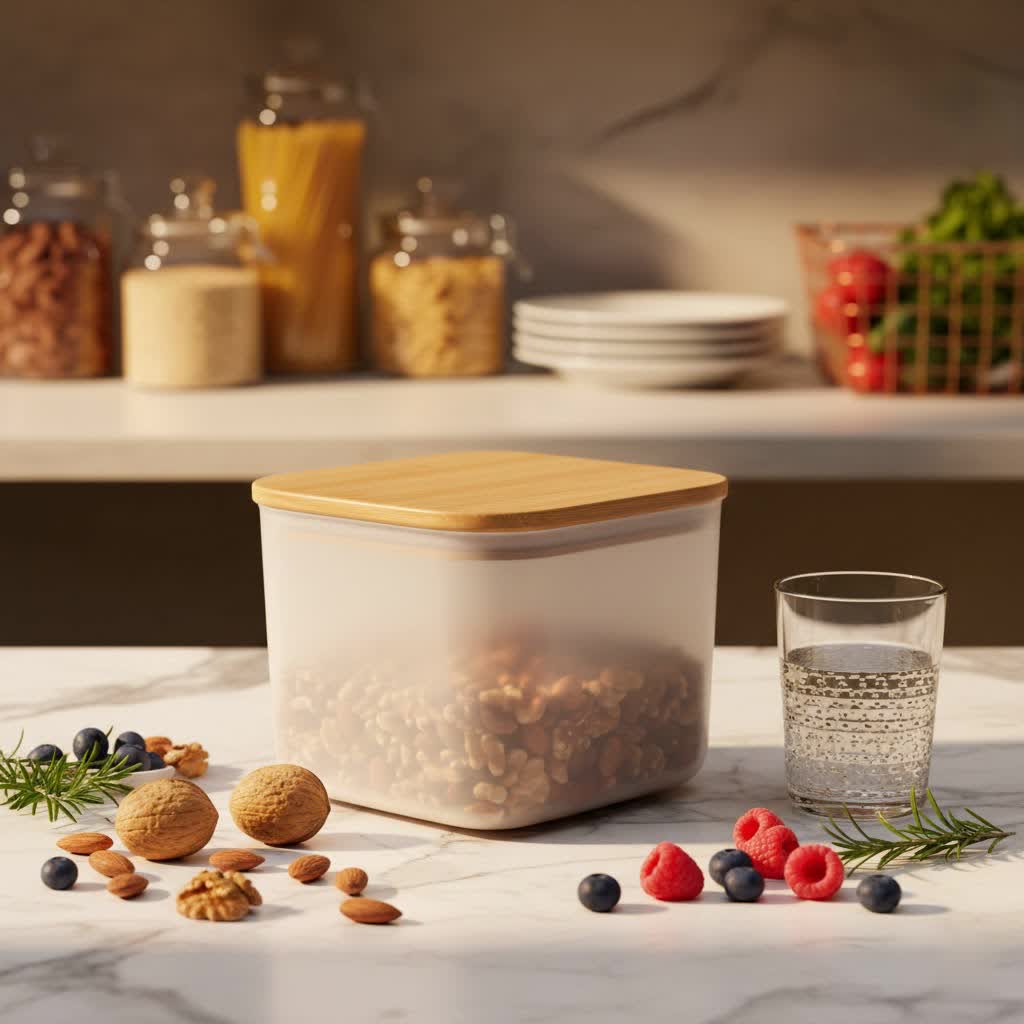
What Are Non-Plastic Food Storage Containers and Why Do You Need Them?
Non-plastic food storage containers are alternatives made from materials like glass, stainless steel, silicone, and ceramic, designed to store food without the risks associated with traditional plastic. The primary drive behind switching to these options stems from a desire for better health and environmental stewardship. Unlike plastic, which can leach harmful chemicals such as BPA, phthalates, and microplastics into your food, especially when heated, non-plastic containers offer a safe, inert environment for your meals. They preserve food quality, prevent contamination, and eliminate the worry of unwanted chemicals compromising your health.
Beyond health, these containers offer a multitude of benefits. They are significantly more durable and long-lasting than plastic, resisting stains, odors, and scratches, ultimately saving you money over time by reducing the need for frequent replacements. Environmentally, they contribute to waste reduction by minimizing reliance on single-use plastics and are often recyclable. Many non-plastic options are also more aesthetically pleasing, providing a cleaner, more organized look to your kitchen and pantry.
Popular Types of Non-Plastic Food Storage Containers on the Market
The market for non-plastic food storage is rich with diverse materials, each offering unique advantages and considerations. Understanding these differences is key to making an informed choice.
By Material
-
Glass: Glass is a highly favored non-plastic option due to its inert nature; it doesn’t react with food or leach chemicals. It’s non-porous, meaning it won’t absorb food odors or stains, ensuring your containers look and smell fresh even after repeated use. Glass is also incredibly versatile, often being microwave, oven, freezer, and dishwasher safe, making it ideal for meal prepping, cooking, reheating, and storing. Its transparency allows for easy visibility of contents. However, glass can be heavier and more prone to breakage than other materials.
-
Stainless Steel: Known for its exceptional durability and resistance to corrosion, stainless steel is another excellent choice for non-plastic food storage. It’s lightweight compared to glass, making it a great option for packed lunches and on-the-go meals. Stainless steel is food-safe, doesn’t leach chemicals, and is easy to clean. Most stainless steel containers are freezer and dishwasher safe, but they are typically not microwave or oven safe. They are opaque, meaning you can’t see the contents without opening them.
-
Silicone: Food-grade silicone offers flexibility and lightweight convenience, often used for collapsible containers, reusable bags, or lids. It’s non-toxic, heat-resistant, and freezer-safe. Silicone is excellent for travel and small spaces due to its ability to compress. While it’s generally safe for microwaves, some users report a slight absorption of food odors over time. It’s also dishwasher safe and durable.
-
Ceramic: Ceramic containers, often glazed, provide an attractive and safe option for food storage. They are non-reactive, don’t absorb odors or flavors, and can be used for both storage and serving. Many ceramic containers are oven and microwave safe, making them versatile for cooking and reheating. However, they are heavy and fragile, similar to glass, and generally not suitable for portability.
|
Our Picks for the Best Food Container in 2026
As an Amazon Associate I earn from qualifying purchases.
|
||
| Num | Product | Action |
|---|---|---|
| 1 | Rubbermaid Brilliance Food Storage Containers BPA Free Airtight Lids Ideal for Lunch Meal Prep & Leftovers Set of 5 (3.2 Cup) |

|
| 2 | Rubbermaid Brilliance BPA-Free Food Storage Containers, Medium Deep, 4.7 Cup, 2-Pack, Airtight & Leak-Proof, Microwave & Dishwasher Safe |
|
| 3 | Vtopmart 8 Pack Glass Food Storage Containers with Airtight Lids, Glass Meal Prep Containers, Lunch Office Meal for Microwave, Oven, Freezer and Dishwasher, BPA Free |
|
| 4 | 50 Pack (100-Piece) 32 oz Meal Prep Containers Reusable with Easy Open Lids, Sturdy Leakproof Food Safe, Microwave Freezer Dishwasher Safe, To Go Take Out Plastic Food Storage Pans with Lids, Black |
|
| 5 | Ankou Airtight Food Storage Container with Pop Lid & 130ml Scoop, 4L/4.2qt *4 BPA-Free Cereal, Rice, Flour, Pasta & Snack Container, Stackable & Durable,Kitchen Pantry Organizer |
|
| 6 | 50 Pack (100-Piece) 24 oz Meal Prep Containers Reusable with Lids, Sturdy Leakproof & Food Safe, Microwave, Freezer, Dishwasher Safe Prep Containers, To Go Take Out Plastic Food Storage |
|
| 7 | Rubbermaid Brilliance Large Food Storage Container, 9.6 Cup, BPA-Free, Leak-Proof, Clear |
|
| 8 | Bentgo Prep - 20-Piece 1-Compartment Reusable Meal Prep Containers with Lids, PFAS & BPA Free Materials, Durable, Microwave, Freezer, & Dishwasher Safe To Go Food Storage (Mint) |
|
| 9 | Rubbermaid Brilliance BPA Free Airtight Food Storage Containers with Lids, Set of 4 (4.7 Cup) Ideal for Lunch, Meal Prep, and Leftovers |
|
| 10 | 60 Sets (120-Piece) Deli Containers with Lids, 32/16/8 oz X 20 Set Each, Leak-Proof & BPA Free Airtight Takeout Plastic Food Storage Containers for Soup, Freezer/Microwave/Dishwasher Safe |
|
By Shape and Size
Non-plastic containers come in a variety of shapes and sizes to accommodate different storage needs:
- Round, Square, and Rectangular: These are the most common shapes, with rectangular and square containers often being more space-efficient in refrigerators and pantries.
- Compartmented: Ideal for meal prepping, keeping different food items separate.
- Mini and Large: From small snack containers to large family-sized food storage solutions, there’s a size for every requirement.
By Feature
Many non-plastic containers are designed with specific functionalities in mind:
- Airtight and Leak-Proof: Essential for preserving freshness and preventing spills, especially for liquids or highly aromatic foods.
- Heat-Resistant (Oven/Microwave Safe): Allows for seamless transfer from fridge to oven or microwave, enhancing convenience.
- Freezer Safe: Crucial for long-term food preservation.
- Stackable: Helps maximize storage space in cupboards and refrigerators.
- With Vent Valves: Some glass containers feature a valve on the lid for safe reheating in the microwave.
Comparing Non-Plastic Food Storage Materials
Choosing the best non-plastic food storage often comes down to balancing material properties with your specific needs. Here’s a comparison:
| Feature | Glass | Stainless Steel | Silicone | Ceramic |
|---|---|---|---|---|
| Durability | High (but fragile to drops) | Very High | High (flexible, resistant to breaks) | High (but fragile to drops) |
| Heat Resistance | Excellent (oven, microwave, freezer safe) | Good (freezer safe, not typically microwave/oven) | Excellent (microwave, oven, freezer safe) | Excellent (oven, microwave, freezer safe) |
| Safety | Excellent (inert, no leaching) | Excellent (food-grade, no leaching) | Excellent (food-grade, no leaching) | Excellent (non-reactive, no leaching) |
| Cost | Mid-to-High | Mid-to-High | Mid-to-High | Mid-to-High |
| Convenience | Versatile, clear visibility | Lightweight, portable (opaque) | Flexible, collapsible, lightweight (semi-clear) | Aesthetic, good for serving (opaque, heavy) |
| Transparency | Yes | No | Semi-transparent to opaque | No |
How to Choose the Right Non-Plastic Food Storage Container
Making the switch to non-plastic containers is an investment. Here’s a guide to help you choose wisely:
Assess Your Needs
Start by considering how you intend to use the containers. Will you primarily store leftovers, pack lunches, or do extensive meal prepping? Do you need them for dry goods, liquids, or hot meals? The volume and type of food you typically store will dictate the shapes, sizes, and features you need. For instance, if you frequently reheat meals, oven and microwave-safe glass or ceramic options are ideal. For portability, lightweight stainless steel or collapsible silicone might be better.
Prioritize Safe Materials
Always opt for food-grade materials that are certified free from harmful chemicals. Look for labels like “BPA-free,” “phthalate-free,” and “food-grade.” Glass, 18/8 or 304-grade stainless steel, and platinum-cured silicone are generally excellent choices for health and safety. These materials ensure that no unwanted substances migrate into your food, keeping your meals pure and healthy.
Evaluate Durability and Heat Tolerance
Durability ensures your investment lasts, while heat tolerance expands versatility. If you often move food from the freezer to the oven, high-borosilicate glass is an excellent choice. For rugged, everyday use or for children’s lunches, stainless steel offers superior resistance to drops and impacts. Consider the typical temperature ranges your containers will be exposed to during cooking, reheating, freezing, and dishwashing.
Consider Practicality and Convenience
Ease of use and maintenance significantly impact your daily routine. Look for containers with secure, leak-proof lids that are easy to open and close. Stackability is a major advantage for organizing your fridge and pantry. Furthermore, dishwasher-safe options simplify cleanup. While glass is often preferred for its clear visibility, the opaque nature of stainless steel means you might need to label contents more often.
Read User Reviews
Before making a purchase, take time to read reviews from other users. Real-world feedback can provide valuable insights into a product’s performance, durability, and any potential drawbacks not immediately apparent. Look for consistent positive comments regarding seal quality, ease of cleaning, and overall satisfaction.
Top Non-Plastic Food Container Options
While specific product recommendations are best left to current market trends, here are generally well-regarded categories and features to look for:
- Borosilicate Glass Containers with Airtight Lids: These are highly versatile for meal prep, baking, and storing, often coming with silicone-sealed plastic or bamboo lids.
- 304 Stainless Steel Containers: Excellent for lunchboxes and dry storage, often with clip-lock or silicone-sealed lids for leak-proof performance.
- Food-Grade Silicone Containers (Collapsible or Reusable Bags): Perfect for space-saving storage, freezing, and gentle heating.
- Stoneware/Ceramic Containers with Vented Lids: Ideal for beautiful table-to-fridge storage and reheating.
Tips for Using and Maintaining Your Non-Plastic Food Containers
Proper care extends the life of your non-plastic containers and maintains their pristine condition.
- Washing: Most glass, stainless steel, and silicone containers are dishwasher safe. For ceramic, check manufacturer instructions, as delicate glazes might prefer handwashing. Handwash lids, especially those with silicone gaskets or bamboo, to preserve their seals and material integrity.
- Odor Removal: For persistent odors in silicone, a baking soda paste can help. For glass and stainless steel, a good wash with hot, soapy water is usually sufficient.
- Preventing Stains: While non-plastic materials are generally stain-resistant, highly pigmented foods like tomato sauce can sometimes leave a residue. A quick rinse after emptying can prevent this. For stubborn stains on glass, a vinegar or baking soda solution can work wonders.
- Extending Lifespan: Avoid extreme temperature changes with glass (e.g., hot from oven directly into cold water) to prevent thermal shock. For stainless steel, avoid harsh abrasive scrubbers that can scratch the surface. Ensure lids are completely dry before storing to prevent mold or mildew.
- Things to Avoid: Never put stainless steel in the microwave. Be cautious with extremely hot food in glass containers directly from the freezer without allowing them to temper slightly. Avoid harsh chemicals or abrasive sponges, especially on silicone or any decorative elements.
> “Investing in non-plastic food storage is a tangible step towards a healthier lifestyle and a greener planet. It’s about making conscious choices that benefit both your family and the environment for years to come.” – Dr. Elena Petrova, Environmental Health Specialist
Conclusion
The shift towards non-plastic food storage containers is more than a trend; it’s a mindful choice for health, sustainability, and efficiency in the modern kitchen. By understanding the unique properties of materials like glass, stainless steel, silicone, and ceramic, you can confidently select containers that not only keep your food fresh and safe but also align with your values. These durable, versatile, and eco-friendly alternatives offer peace of mind, reduce waste, and bring an element of sophisticated organization to your home. Are you ready to embrace a plastic-free future for your food storage?
Frequently Asked Questions
Are non-plastic food containers truly safer than BPA-free plastic?
Yes, while BPA-free plastics remove one concern, many plastics can still leach other chemicals, especially when heated. Non-plastic alternatives like glass, stainless steel, and food-grade silicone are inert and non-reactive, offering a fundamentally safer option for food contact and long-term storage.
Can all non-plastic containers go from freezer to oven?
No, only specific types of glass, particularly borosilicate glass, and some ceramic containers are designed to withstand extreme temperature changes from freezer to oven. Stainless steel and silicone are typically freezer safe but not always oven-safe (silicone is oven safe but has temperature limits), and stainless steel should never go in a microwave. Always check product specifications.
How do I prevent glass containers from breaking?
To minimize breakage, handle glass containers carefully, especially when full. Avoid dropping them or exposing them to sudden, extreme temperature changes. For instance, do not place a hot glass container directly onto a cold surface or pour very cold liquid into a hot container.
Are non-plastic food containers more expensive?
Initially, non-plastic food containers may have a higher upfront cost compared to their plastic counterparts. However, their superior durability, longevity, and resistance to staining and odors mean they don’t need to be replaced as frequently, making them a more cost-effective and sustainable investment in the long run.
