In a world increasingly conscious of health and environmental impact, the choices we make in our kitchens hold significant weight. Among these, food storage containers often fly under the radar, yet they play a crucial role in safeguarding our well-being. For decades, plastic containers dominated, offering convenience at a hidden cost. But what if those seemingly innocuous containers were silently introducing harmful chemicals into our food, impacting our health and the planet? It’s time to re-evaluate our approach to food storage. This comprehensive guide will navigate the landscape of non-toxic food storage containers, helping you understand the materials, benefits, and essential considerations to make the safest and most sustainable choices for your home.
What Are Non-Toxic Food Containers and Why Do You Need Them?
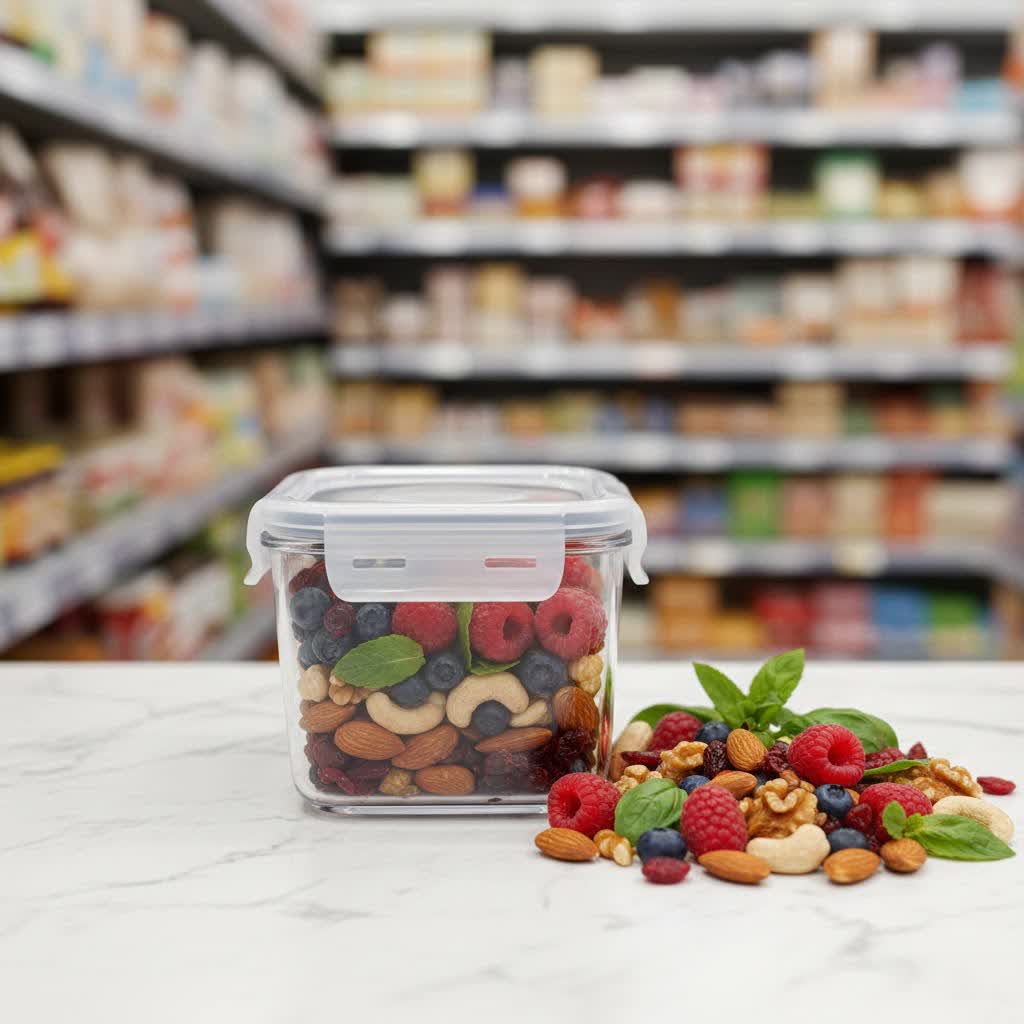
Non-toxic food containers are storage solutions crafted from materials that do not leach harmful chemicals into your food, ensuring your meals remain pure and safe to consume. These containers are specifically designed to be free from notorious culprits like Bisphenol A (BPA), phthalates, per- and polyfluorofluoroalkyl substances (PFAS), lead, and cadmium – substances commonly found in many traditional plastic and low-quality containers. The need for these safer alternatives stems from growing scientific evidence linking these chemicals to serious health concerns.
The benefits extend far beyond simply keeping your food fresh. Using non-toxic food containers prevents chemical migration, especially when food is heated, comes into contact with acidic ingredients, or is stored for extended periods. This protects against potential endocrine disruption, developmental issues, and even certain cancers associated with exposure to these toxins. Beyond health, choosing durable, non-toxic materials contributes to environmental protection by reducing plastic waste and the demand for single-use plastics. It’s a proactive step towards a healthier lifestyle and a more sustainable planet, offering peace of mind that your food is stored with the same care with which it was prepared.
Popular Types of Non-Toxic Food Storage Container Materials
The market offers a diverse range of non-toxic materials, each with unique advantages and considerations. Understanding these options is key to selecting the best fit for your specific storage needs.
By Material
-
Glass:
- Advantages: Glass is a classic, non-reactive material that will not leach chemicals, absorb odors, or stain. It is incredibly versatile, safe for use in the microwave, oven (without lids), freezer, and dishwasher, making it excellent for reheating and long-term storage. Its transparency also allows for easy identification of contents.
- Disadvantages: The primary drawbacks are its fragility and weight, making it less ideal for on-the-go situations where impact is possible.
- Types: You’ll typically find two types: borosilicate glass (known for superior thermal shock resistance, ideal for extreme temperature changes) and soda-lime glass (more common and affordable, but less resistant to sudden temperature shifts).
-
Stainless Steel:
- Advantages: Stainless steel containers are celebrated for their exceptional durability and longevity. They are lightweight, resistant to corrosion, and completely non-leaching, making them a superb plastic-free choice. Stainless steel is excellent for packed lunches, picnics, and storing food without absorbing smells or stains.
- Disadvantages: A significant limitation is that stainless steel is not microwave-safe. It can also dent if dropped or handled roughly. Its opaque nature means you can’t see the contents without opening the container.
-
Food-Grade Silicone:
- Advantages: High-quality, platinum food-grade silicone is flexible, lightweight, and incredibly versatile. It’s often used for reusable bags, freezer molds, and collapsible containers. Silicone is typically freezer, oven, microwave, and dishwasher safe, offering a soft, leak-proof, and flexible storage solution. It’s excellent for freezing liquids or purees.
- Disadvantages: Not all silicone is created equal; it’s crucial to ensure it is food-grade or platinum food-grade to avoid potential impurities. Silicone can sometimes absorb strong odors if not cleaned thoroughly, and while durable, it is not biodegradable.
-
Ceramic:
- Advantages: Ceramic containers, particularly high-quality, food-safe glazed options, are non-reactive and aesthetically pleasing, often doubling as serving dishes. They can be oven-safe and are excellent for baking and storing leftovers in the fridge.
- Disadvantages: Ceramic is heavy and susceptible to chipping or breaking. It’s essential to verify that glazes are lead- and cadmium-free, as decorative ceramics may not be food-safe.
-
Other Eco-Friendly Options:
- Bamboo: Primarily used for dry goods storage or lunchbox components, bamboo offers a lightweight and biodegradable option. It’s generally not suitable for liquids or highly moist foods.
- Beeswax Wraps: A fantastic sustainable alternative to plastic wrap, these reusable wraps are made from natural beeswax, cloth, and oils. They are perfect for wrapping fruits, vegetables, cheese, or covering bowls, and are compostable at the end of their life.
|
Our Picks for the Best Food Container in 2026
As an Amazon Associate I earn from qualifying purchases.
|
||
| Num | Product | Action |
|---|---|---|
| 1 | 50 Pack (100-Piece) 32 oz Meal Prep Containers Reusable with Easy Open Lids, Sturdy Leakproof Food Safe, Microwave Freezer Dishwasher Safe, To Go Take Out Plastic Food Storage Pans with Lids, Black |

|
| 2 | Rubbermaid Brilliance Large Food Storage Container, 9.6 Cup, BPA-Free, Leak-Proof, Clear |
|
| 3 | Rubbermaid Brilliance Food Storage Containers BPA Free Airtight Lids Ideal for Lunch Meal Prep & Leftovers Set of 5 (3.2 Cup) |
|
| 4 | 60 Sets (120-Piece) Deli Containers with Lids, 32/16/8 oz X 20 Set Each, Leak-Proof & BPA Free Airtight Takeout Plastic Food Storage Containers for Soup, Freezer/Microwave/Dishwasher Safe |
|
| 5 | Rubbermaid Brilliance BPA Free Airtight Food Storage Containers with Lids, Set of 4 (4.7 Cup) Ideal for Lunch, Meal Prep, and Leftovers |
|
| 6 | Ankou Airtight Food Storage Container with Pop Lid & 130ml Scoop, 4L/4.2qt *4 BPA-Free Cereal, Rice, Flour, Pasta & Snack Container, Stackable & Durable,Kitchen Pantry Organizer |
|
| 7 | 50 Pack (100-Piece) 24 oz Meal Prep Containers Reusable with Lids, Sturdy Leakproof & Food Safe, Microwave, Freezer, Dishwasher Safe Prep Containers, To Go Take Out Plastic Food Storage |
|
| 8 | Rubbermaid Brilliance BPA-Free Food Storage Containers, Medium Deep, 4.7 Cup, 2-Pack, Airtight & Leak-Proof, Microwave & Dishwasher Safe |
|
| 9 | Vtopmart 8 Pack Glass Food Storage Containers with Airtight Lids, Glass Meal Prep Containers, Lunch Office Meal for Microwave, Oven, Freezer and Dishwasher, BPA Free |
|
| 10 | Bentgo Prep - 20-Piece 1-Compartment Reusable Meal Prep Containers with Lids, PFAS & BPA Free Materials, Durable, Microwave, Freezer, & Dishwasher Safe To Go Food Storage (Mint) |
|
By Shape and Size
The ideal shape and size of a food container depend entirely on its intended use:
- Round, Square, and Rectangular Containers: These are the most common shapes, with square and rectangular options often being more space-efficient for stacking in refrigerators and pantries.
- Divided Containers: Perfect for meal prepping, keeping different food items separate, or packing a varied lunch without mixing flavors.
- Mini to Large Containers: From small condiment or snack pots to large family-sized casserole dishes, selecting the right capacity prevents unnecessary air exposure and optimizes storage space.
By Features
Beyond material, modern food containers boast various features enhancing convenience and safety:
- Insulated Containers: Designed to keep food hot or cold for extended periods, usually made from stainless steel with double-wall vacuum insulation.
- Leak-Proof Seals: Essential for transporting liquids or saucy dishes without spills. Look for containers with strong, airtight silicone gaskets.
- Ventilation Valves: Some containers include valves that allow steam to escape during microwaving without removing the lid, preventing messy splatters.
- Microwave, Oven, Freezer, Dishwasher Safe: These functionalities dictate the versatility of a container and are crucial for meal prep and reheating routines. Always check product specifications, especially for lids, as they might have different temperature tolerances.
Navigating Safety: Understanding Certifications and What to Avoid
When choosing non-toxic food storage, understanding safety standards and what substances to steer clear of is paramount. Labels and certifications act as your guides in a crowded market.
Key Certifications to Look For
Reputable non-toxic food storage containers often carry certifications that verify their safety and quality. These certifications are not just formalities; they ensure materials meet stringent standards and do not leach harmful substances into your food.
- FDA Food Contact Compliance (United States): This indicates that the materials, additives, and manufacturing processes meet the U.S. Food and Drug Administration’s requirements for safe food contact applications. It focuses on approved substances, migration limits, and suitability for various food types and temperatures.
- EU Food Contact Materials Regulation (Europe): For the European market, containers must comply with EU regulations, which include framework and material-specific standards, often with a focus on approved positive lists of substances and strict migration testing.
- NSF Protocol P386 (Food Storage Containers for Home Use): This certification, provided by NSF International, independently confirms that containers are easily cleanable and produced from food-safe materials, and validates marketing claims.
- BRC Global Standard for Packaging Materials: The British Retail Consortium (BRC) certification ensures that packaging meets international food safety standards, is produced in a clean, traceable, and controlled facility, and aligns with retailer requirements.
- “Glass and Fork” Symbol: This widely recognized international symbol indicates that a material is safe for direct contact with food.
The Problem with “BPA-Free” Plastics
The term “BPA-free” has become ubiquitous, leading many to believe that such plastics are entirely safe. However, this is a significant misconception. While BPA itself has been linked to health issues, manufacturers often replace it with similar chemicals like Bisphenol S (BPS), Bisphenol F (BPF), or other bisphenols. These alternatives can be just as problematic as BPA, functioning as endocrine disruptors and potentially causing similar health concerns, including early menstruation, reduced sperm counts, and negative effects on reproductive organs.
> “Many studies show that even these so-called ‘safe’ plastics leach toxic chemicals into our food that are not yet banned by the FDA, but still harm your health.” – Whitney Stokes, Author on Non-Toxic Living
Furthermore, factors like heat (e.g., microwaving), contact with acidic foods (like tomato sauce), or storing fatty foods in plastic can accelerate the leaching of these chemicals into your meals, regardless of a “BPA-free” label. The safest approach is to minimize plastic use for food storage, especially for heating or long-term contact with food, and instead opt for inherently non-toxic materials like glass, stainless steel, or platinum food-grade silicone.
How to Choose the Right Non-Toxic Food Storage Containers
Selecting the perfect non-toxic food container involves a thoughtful process that balances your specific needs with safety, durability, and practicality.
Assess Your Needs
Start by considering how you’ll use the containers:
- Food Type: Are you storing dry goods, liquids, delicate produce, or saucy leftovers? Different materials excel with different food consistencies.
- Capacity: Do you need small containers for snacks and condiments, medium ones for daily lunches, or large containers for meal prepping and bulk storage?
- Special Features: Will you be reheating food in the microwave or oven? Do you need freezer-safe containers? Is leak-proof functionality essential for transport?
Prioritize Safe Materials
Based on your needs, focus on materials proven to be non-toxic and durable:
- Glass: Excellent for overall versatility, reheating, and long-term storage due to its non-reactive nature.
- Stainless Steel: Ideal for durability, portability, and when avoiding microwaves is not an issue.
- Platinum Food-Grade Silicone: Best for flexibility, freezer storage, and a lightweight alternative to plastic bags.
- Certifications: Always look for recognized safety certifications like FDA, EU, or NSF compliance to ensure the materials meet rigorous standards.
Evaluate Durability and Features
- Construction: Look for containers with robust construction. For glass, thicker walls reduce breakage risk. For stainless steel, sturdy gauges will resist dents.
- Lid Quality: An effective, airtight lid is crucial for freshness and leak prevention. Silicone gaskets are often preferred for their sealing capabilities. Ensure lids are easy to open and close securely.
- Stackability and Storage: Consider how the containers will fit in your fridge, freezer, and pantry. Stackable designs can save valuable space.
- Ease of Cleaning: Dishwasher-safe options offer convenience, but ensure all components, especially gaskets, are accessible for thorough cleaning to prevent odor buildup and mold.
Refer to User Reviews and Expert Recommendations
Before making a purchase, leverage the experiences of others:
- Online Reviews: Read customer reviews on e-commerce sites and forums. Pay attention to comments regarding durability, lid performance, ease of cleaning, and any issues with odors or stains.
- Expert Opinions: Consult reviews and recommendations from reputable culinary experts or product testers who have rigorously evaluated non-toxic options. Their insights can highlight hidden pros and cons.
Top Non-Toxic Food Storage Container Choices
While specific product recommendations can change, certain types of non-toxic food storage containers consistently earn high marks for their safety, durability, and functionality. When exploring options, consider these categories which represent some of the most popular and reliable choices on the market today:
- High-Quality Glass Container Sets: Brands specializing in borosilicate glass offer excellent thermal shock resistance, making them safe for oven, microwave, freezer, and dishwasher use. These sets often come with secure, BPA-free plastic or silicone lids, and their transparency aids in easy meal identification.
- Durable Stainless Steel Containers: Ideal for packed lunches and active lifestyles, these come in various sizes and often feature leak-proof silicone-lined lids. Many are stackable and designed for robustness, perfect for both children and adults.
- Food-Grade Silicone Storage Bags and Containers: Revolutionizing freezer and snack storage, platinum-grade silicone bags are flexible, reusable alternatives to plastic baggies. They are typically safe for microwave, oven, and freezer, and can be used for everything from marinating to sous vide cooking.
- Ceramic-Coated Glass Storage Systems: Some innovative brands combine the benefits of glass with a ceramic coating, enhancing non-stick properties and aesthetic appeal. These sets often prioritize organization with thoughtful designs and storage solutions.
- Classic Mason Jars with Upgraded Lids: Simple yet effective, wide-mouth glass mason jars are perfect for everything from overnight oats and salads to dry goods. Enhancing them with food-grade silicone or bamboo airtight lids elevates their non-toxic credentials and preserves freshness.
These categories offer a range of solutions that prioritize health and sustainability, allowing you to find the perfect match for your kitchen and lifestyle.
Maximizing Longevity: Tips for Using and Caring for Your Non-Toxic Containers
Investing in non-toxic food storage is a commitment to health and sustainability. Proper care and maintenance will ensure these containers last for years, delivering excellent performance and value.
Proper Cleaning and Maintenance
The cleaning method often depends on the material:
- Glass and Stainless Steel: Most glass and stainless steel containers are dishwasher safe. For stubborn food residue, hand wash with warm, soapy water and a non-abrasive sponge.
- Silicone: While many are dishwasher safe, handwashing silicone with hot, soapy water is often recommended to prevent odor absorption, which can sometimes occur with strong-smelling foods. Ensure thorough rinsing to remove all soap residue.
- Lids and Gaskets: Always pay special attention to cleaning lids, especially the silicone gaskets or seals. Food particles can get trapped, leading to mold or unpleasant odors. Remove gaskets if possible for deep cleaning, and ensure they are completely dry before reassembling to prevent mildew.
- Drying: Allow all components to dry completely before storing to prevent bacterial growth and mildew. Air drying is often best.
Best Practices for Storage
- Avoid Thermal Shock (for Glass): While borosilicate glass is more resistant, avoid moving soda-lime glass directly from extreme cold to extreme heat (e.g., freezer to hot oven) to prevent cracking.
- No Microwave for Stainless Steel: Never put stainless steel containers in the microwave, as this can cause sparks and damage the appliance.
- Maintain Seals: Regularly check the integrity of silicone gaskets and seals on lids. If they become cracked or brittle, they may need replacement to maintain an airtight seal.
- Stacking: Utilize the stackable designs of many containers to save space, but avoid overloading glass containers to prevent breakage.
What to Avoid
- Harsh Abrasives: Do not use abrasive scrubbers or harsh chemical cleaners on any non-toxic container, as this can scratch surfaces or degrade materials.
- Microwaving Questionable Plastics: If you have any plastic lids that are not explicitly certified or you are unsure about their material, avoid microwaving them, as heat can accelerate chemical leaching.
- Extreme Temperatures for Unsuitable Materials: Do not put materials not designed for high heat (like some plastic lids or bamboo) into ovens or microwaves.
- Storing Hot Food in Unsealed Containers: Always allow very hot food to cool slightly before sealing in an airtight container to prevent a vacuum effect and potential lid damage, and to ensure food safety.
By following these simple care tips, your non-toxic food storage containers will remain hygienic, functional, and a reliable part of your healthy kitchen for years to come.
Conclusion
Choosing non-toxic food storage containers is a simple yet profound step towards a healthier lifestyle and a more sustainable planet. By moving away from conventional plastics, we safeguard our food from potentially harmful chemicals and reduce our environmental footprint. The market offers a wealth of excellent alternatives, with glass, stainless steel, and food-grade silicone leading the way in safety and durability. Understanding materials, recognizing key certifications, and knowing what to avoid empowers you to make informed decisions that benefit your family’s health and the longevity of your kitchen essentials. Embrace these safer solutions and transform your kitchen into a haven of health and sustainability. What non-toxic food storage solutions have you found most impactful in your kitchen?
Frequently Asked Questions
Are “BPA-free” plastic containers truly safe?
While “BPA-free” plastics do not contain Bisphenol A, they often use similar chemicals like BPS or BPF, which can also act as endocrine disruptors. These alternatives may still leach harmful substances into food, especially when exposed to heat, acidic ingredients, or fats. For optimal safety, it’s generally recommended to minimize plastic food storage and opt for glass, stainless steel, or food-grade silicone alternatives.
Can I put glass food containers in the freezer and oven?
Most glass food containers are safe for both the freezer and oven. However, it’s crucial to check if your glass is borosilicate, which is more resistant to thermal shock, meaning it can handle wider temperature changes without breaking. Soda-lime glass, while oven and freezer safe, should not be subjected to extreme, rapid temperature shifts. Always remove plastic or silicone lids before placing glass in a hot oven.
How do I remove smells from silicone food containers?
Silicone can sometimes absorb strong food odors. To remove them, you can try soaking the silicone container in a mixture of white vinegar and water for a few hours, or rubbing it with a cut lemon. For persistent smells, sprinkle baking soda inside, let it sit overnight, then wash thoroughly. Ensuring the silicone is completely dry before storing also helps prevent odor retention.
What’s the difference between borosilicate and soda-lime glass?
Borosilicate glass is renowned for its high resistance to thermal shock, meaning it can withstand rapid changes in temperature (e.g., from freezer to oven) without cracking, making it ideal for versatile kitchen use. Soda-lime glass is more common and less expensive but is more susceptible to breaking when exposed to sudden temperature shifts. Both are food-safe, but borosilicate offers greater durability in extreme conditions.
