In the demanding environment of a commercial kitchen, maintaining peak efficiency and rigorous safety standards is paramount. While the focus often falls on culinary skill and service, the unsung heroes of a smooth operation are robust and reliable Restaurant Food Storage Containers. Inefficient storage can lead to a cascade of problems, from unnecessary food spoilage and potential health hazards to wasted resources and compliance issues. This comprehensive guide delves into the world of commercial food storage, offering practical insights to help you select, utilize, and maintain optimal solutions that will revolutionize your kitchen workflow and elevate your establishment’s reputation.
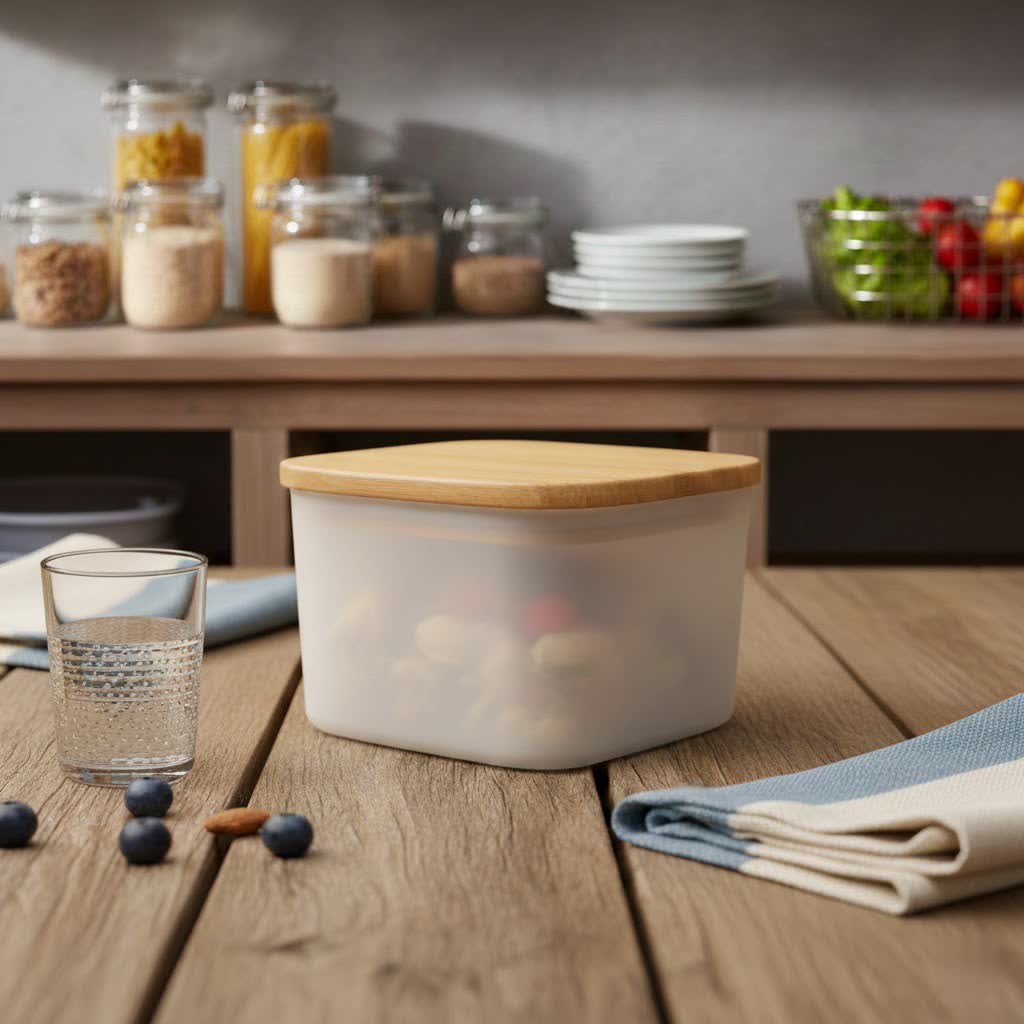
What are Restaurant Food Storage Containers? Why Do You Need Them?
Restaurant food storage containers are purpose-built receptacles designed for the unique demands of commercial kitchens, distinguishing them from their household counterparts. These containers are engineered to withstand frequent use, varying temperatures, and strict hygiene protocols. They serve a critical role in preserving the quality and safety of ingredients and prepared dishes, impacting everything from food costs to health inspections.
The benefits of investing in proper restaurant food storage containers are manifold. Primarily, they are instrumental in preserving freshness and quality, extending the shelf life of ingredients and prepared foods by protecting them from air, moisture, and contaminants. This directly translates to a significant reduction in food waste and associated costs, which is a major concern for any culinary business. Beyond preservation, these containers enhance food safety by preventing cross-contamination between different food types and ensuring compliance with stringent health regulations, such as those set by the FDA and local health authorities. Finally, well-chosen containers improve kitchen organization and workflow, allowing staff to quickly identify, access, and rotate ingredients, thereby boosting overall productivity and reducing valuable time spent searching.
Popular Types of Restaurant Food Storage Containers
Commercial kitchens rely on a diverse array of food storage containers, each suited for specific purposes based on material, shape, size, and unique features. Understanding these distinctions is key to building an efficient and safe storage system.
By Material
The material of a food container dictates its durability, temperature tolerance, and suitability for different food types.
- Plastic: The most common choice due to its lightweight nature, durability, and affordability. However, the type of plastic significantly impacts its properties.
- Polycarbonate: Known for its crystal-clear transparency and high impact resistance, making it ideal for cold storage where visual identification is crucial. Polycarbonate containers can withstand a wide range of temperatures, from freezing to moderately hot.
- Polypropylene: Often translucent rather than crystal clear, polypropylene is economical and offers excellent resistance to high temperatures, making it suitable for both hot and dry goods. It is also resistant to chemicals, ideal for acidic foods. Many polypropylene containers are BPA-free.
- Polyethylene: Typically opaque or semi-transparent, polyethylene is a cost-effective and durable option, particularly resistant to moisture and pests, making it a good choice for bulk dry storage like grains and spices. While sturdy, it may not offer the same clarity as polycarbonate.
- Glass: Valued for its non-reactive properties, meaning it won’t absorb odors or stains. Glass containers are durable, microwave and oven-safe, and perfect for storing both hot and cold foods. While heavier and potentially more fragile than plastic, their longevity and eco-friendliness make them a popular choice for certain applications.
- Stainless Steel: A highly durable and hygienic material, stainless steel is resistant to corrosion and excellent for use in professional kitchens. It is non-reactive, making it perfect for acidic foods or marinating meats, and can withstand extreme temperatures, from freezer to oven. Stainless steel is easy to clean but is not microwave-safe.
- Silicone: Flexible, collapsible, and heat-resistant, silicone containers are excellent for saving space and are safe for use in the microwave, oven, and freezer. While often seen in home kitchens, they are used in commercial settings for specific prep needs or space-saving solutions.
|
Our Picks for the Best Food Container in 2026
As an Amazon Associate I earn from qualifying purchases.
|
||
| Num | Product | Action |
|---|---|---|
| 1 | 60 Sets (120-Piece) Deli Containers with Lids, 32/16/8 oz X 20 Set Each, Leak-Proof & BPA Free Airtight Takeout Plastic Food Storage Containers for Soup, Freezer/Microwave/Dishwasher Safe |

|
| 2 | Rubbermaid Brilliance BPA-Free Food Storage Containers, Medium Deep, 4.7 Cup, 2-Pack, Airtight & Leak-Proof, Microwave & Dishwasher Safe |
|
| 3 | 50 Pack (100-Piece) 24 oz Meal Prep Containers Reusable with Lids, Sturdy Leakproof & Food Safe, Microwave, Freezer, Dishwasher Safe Prep Containers, To Go Take Out Plastic Food Storage |
|
| 4 | Ankou Airtight Food Storage Container with Pop Lid & 130ml Scoop, 4L/4.2qt *4 BPA-Free Cereal, Rice, Flour, Pasta & Snack Container, Stackable & Durable,Kitchen Pantry Organizer |
|
| 5 | Rubbermaid Brilliance BPA Free Airtight Food Storage Containers with Lids, Set of 4 (4.7 Cup) Ideal for Lunch, Meal Prep, and Leftovers |
|
| 6 | 50 Pack (100-Piece) 32 oz Meal Prep Containers Reusable with Easy Open Lids, Sturdy Leakproof Food Safe, Microwave Freezer Dishwasher Safe, To Go Take Out Plastic Food Storage Pans with Lids, Black |
|
| 7 | Rubbermaid Brilliance Food Storage Containers BPA Free Airtight Lids Ideal for Lunch Meal Prep & Leftovers Set of 5 (3.2 Cup) |
|
| 8 | Vtopmart 8 Pack Glass Food Storage Containers with Airtight Lids, Glass Meal Prep Containers, Lunch Office Meal for Microwave, Oven, Freezer and Dishwasher, BPA Free |
|
| 9 | Rubbermaid Brilliance Large Food Storage Container, 9.6 Cup, BPA-Free, Leak-Proof, Clear |
|
| 10 | Bentgo Prep - 20-Piece 1-Compartment Reusable Meal Prep Containers with Lids, PFAS & BPA Free Materials, Durable, Microwave, Freezer, & Dishwasher Safe To Go Food Storage (Mint) |
|
By Shape and Size
The geometry and capacity of containers play a significant role in maximizing storage space and facilitating efficient access to ingredients.
- Square and Rectangular Containers: These shapes are highly space-efficient, as they can be arranged closely without wasted space, making them popular for kitchens with limited storage. Their straight edges allow for easy stacking and packing. They are particularly suitable for liquids, sauces, and soups, though dry ingredients might sometimes get stuck in corners.
- Round Containers: Often preferred for storing dry ingredients like flour, sugar, or spices, as the absence of corners prevents ingredients from getting trapped. They also facilitate easy stirring and scooping of liquids and semi-liquids. However, round containers typically take up more space compared to square or rectangular counterparts when placed side-by-side.
- Bulk Storage Bins: Designed for large quantities of staple ingredients such as flour, sugar, or rice, these heavy-duty plastic or metal bins often come with secure lids and sometimes casters for easy movement, especially important for complying with health codes that require items to be elevated from the floor.
- Gastronorm Pans (GN Pans): These are standardized, modular containers typically made from stainless steel, polycarbonate, or polypropylene. Available in various sizes (e.g., GN 1/1, GN 1/2, GN 1/4), they are incredibly versatile, fitting seamlessly into commercial kitchen equipment like refrigerators, freezers, steam tables, and chafing dishes, simplifying both storage and service.
- Food Boxes: Larger, rectangular containers commonly used for bulk storage of produce, cuts of meat, or prepped ingredients, often shallower than other container types to allow for faster cooling.
By Feature
Specific features can greatly enhance the functionality and safety of food storage containers in a busy kitchen.
- Airtight and Leakproof: Essential features that create a secure seal to prevent air and moisture from entering, thus preserving freshness and preventing spills and contamination. Lids often feature silicone gaskets or robust locking mechanisms.
- Stackable Solutions: Containers designed to nest neatly or stack securely on top of each other maximize vertical storage space, a critical advantage in smaller commercial kitchens.
- Clear and Translucent: Visual clarity allows for quick identification of contents, streamlining inventory management and reducing the need to open containers, which can expose food to air and contaminants.
- Color-Coded: Using different colored containers or lids helps categorize food items (e.g., raw meats, cooked foods, allergens) to prevent cross-contamination and simplify organization, especially for staff rotation.
- With Lids (Snap-On, Seal Cover): Lids come in various designs, from simple snap-on covers for basic protection to highly secure seal covers with inner and outer seals, ensuring complete spill prevention even if a container is inverted.
- Microwave, Oven, and Freezer Safe: Containers capable of withstanding extreme temperature fluctuations offer immense versatility, allowing for seamless transitions from storage to reheating or cooking without changing vessels.
- With Vent Valves: Some containers designed for reheating in a microwave may include a small valve to release steam, preventing pressure buildup while keeping food covered.
Comparison Table of Food Container Types
| Feature / Material | Plastic (Polycarbonate) | Plastic (Polypropylene) | Glass | Stainless Steel | Silicone |
|---|---|---|---|---|---|
| Durability | High (Shatter-resistant) | High (Flexible, impact-resistant) | Moderate (Fragile if dropped) | Very High (Corrosion-resistant) | High (Flexible) |
| Heat Resistance | -40°F to 210°F | -40°F to 160°F | High (Oven/Microwave safe) | Very High (Oven safe) | High (Oven/Microwave/Freezer safe) |
| Health Safety | Food-grade, often BPA-free | Food-grade, BPA-free | Excellent (Non-reactive) | Excellent (Non-reactive) | Food-grade |
| Cost | Moderate to High | Low to Moderate | Moderate to High | High | Moderate to High |
| Practicality | Clear, stackable, easy to clean | Translucent, stackable, cost-effective | Clear, non-staining, non-absorbing | Opaque, hygienic, durable | Flexible, collapsible, space-saving |
| Best For | Cold storage, visible inventory | Dry goods, hot holding (limited) | Prep, storage, reheating, display | Marinating, bulk storage, hot holding | Specific prep, space saving |
Guide to Choosing the Right Restaurant Food Container
Selecting the ideal food storage containers for your restaurant involves a strategic assessment of your specific operational needs and adherence to critical safety standards. A thoughtful approach ensures maximum efficiency, safety, and longevity for your investment.
Determine Usage Needs
Before purchasing, consider the diverse requirements of your kitchen. What types of food will you primarily store? For example, if you frequently store liquid items like soups or sauces, leak-proof containers are non-negotiable. For dry goods such as flour, sugar, or grains, airtight bulk bins or round containers are more suitable to prevent moisture and pests. Think about the volume and capacity required; do you need large bins for bulk ingredients or smaller, compartmentalized containers for prepped components? Finally, assess if you need containers with special features like freezer-safe construction for long-term preservation, microwave-safe materials for reheating, or containers designed for hot holding.
Choose Safe Materials
Food safety begins with the right materials. Always prioritize food-grade containers that are certified safe for contact with food. For plastics, specifically look for BPA-free options to avoid potential chemical leaching. Materials like glass and stainless steel are inherently non-reactive, meaning they won’t absorb flavors, odors, or chemicals from food, making them excellent choices for a wide range of ingredients, especially acidic ones. Checking for safety certifications from recognized bodies ensures compliance and peace of mind.
Check Durability and Heat Resistance
Commercial kitchens are high-traffic, high-intensity environments, and your containers must withstand the rigors of daily use, including frequent washing, stacking, and temperature changes. Opt for containers made from thick, robust materials that can resist impact and warping. Pay close attention to the temperature resistance specified by the manufacturer. If you intend to use containers in blast chillers, freezers, ovens, or microwaves, ensure they are explicitly rated for those temperatures to prevent damage or safety hazards.
Consider Practicality
Practicality is key to seamless kitchen operations. Choose containers with tight-fitting, easily sealable lids to maintain freshness and prevent spills, but also ensure they are simple for staff to open and close quickly. Stackable designs are invaluable for maximizing vertical storage space in refrigerators, freezers, and dry pantries. Clear or translucent materials offer at-a-glance visibility for inventory checks, while color-coding options can aid in organizing different food categories and preventing cross-contamination, especially with allergens or raw versus cooked foods. Lastly, consider how easily the containers can be cleaned and sanitized to meet stringent hygiene standards. Smooth surfaces and designs without hard-to-reach crevices are preferable.
Refer to User Reviews and Regulations
While specific user reviews for your exact products can be useful, broadly understanding industry standards and regulations is crucial. Ensure all chosen containers comply with FDA Food Code and local health department guidelines regarding food contact materials, storage temperatures, and hygiene. Consulting with reputable restaurant supply experts or industry resources can also provide valuable insights into durable and compliant options.
Top Restaurant Food Storage Containers
While specific product recommendations are outside the scope of this guide, understanding the categories of highly-favored commercial food storage solutions can help you make informed decisions. The “best” containers are those that perfectly align with your kitchen’s unique demands for durability, safety, and efficiency.
One of the most popular and versatile options are high-durability polycarbonate containers. These clear, shatter-resistant vessels are staples for refrigerated and dry storage, offering excellent visibility for inventory and strong resistance to impact. They come in various capacities, often featuring molded-in handles for easy transport.
For kitchens prioritizing hygiene and extreme temperature versatility, stainless steel Gastronorm pans are indispensable. Their standardized sizing allows them to fit seamlessly into virtually all commercial kitchen equipment, from refrigeration units to warming tables. Stainless steel is non-reactive, exceptionally durable, and easy to sanitize, making it ideal for everything from marinating meats to holding prepared dishes.
Airtight plastic ingredient bins, particularly those made from polypropylene or polyethylene, are crucial for bulk dry goods. These often feature secure, hinged lids for easy access, and some even include casters for mobility and built-in scoops with dedicated storage areas, promoting hygienic practices by keeping scoops out of the food itself. Many are also designed with “First-In, First-Out” (FIFO) barriers to facilitate proper stock rotation.
Lastly, square or rectangular polypropylene containers with color-coded lids are excellent for maximizing space and preventing cross-contamination. Their stackable nature makes efficient use of shelving, and the ability to assign different lid colors to raw proteins, vegetables, or allergens simplifies organization and enhances safety protocols. These are often chosen for prepped ingredients and smaller batch storage in refrigerators.
Tips for Using and Maintaining Restaurant Food Containers
Optimizing the use and lifespan of your restaurant food storage containers extends beyond initial selection; it requires consistent best practices for handling, cleaning, and organization.
Proper Cleaning and Sanitization: This is perhaps the most critical aspect. All containers must be thoroughly cleaned and sanitized after each use to prevent bacterial growth and cross-contamination. Follow manufacturer guidelines for cleaning specific materials. Most commercial plastics and stainless steel are dishwasher-safe, but always check to ensure longevity. Regularly clean not just the containers but also your storage areas, including shelves and refrigeration units.
Practice FIFO (First-In, First-Out): Implement a strict FIFO system. This inventory management principle dictates that the oldest ingredients or prepared foods are used first. Labeling containers with dates of preparation or delivery is essential for successful FIFO rotation, significantly reducing waste. Place newly received items behind older ones to ensure proper rotation.
Mandatory Labeling: Every food container in your kitchen should be clearly labeled with its contents, the date it was prepared or opened, and its expiration or “use-by” date. Use durable, waterproof labels and markers that can withstand refrigeration and moisture. Clear labeling prevents confusion, aids in inventory management, and is a fundamental component of food safety compliance.
Strict Temperature Control: Adhere to precise temperature guidelines for all storage areas. Dry storage areas should be cool and dry, typically between 50°F and 70°F (10°C and 21°C). Refrigeration units must maintain temperatures between 32°F and 40°F (0°C and 4°C), while freezers should keep food frozen solid at 0°F (-18°C) or below. Consistent monitoring and logging of these temperatures are crucial to inhibit bacterial growth.
Prevent Cross-Contamination through Separation: Always store raw foods, especially meats and poultry, on the bottom shelves of refrigerators to prevent juices from dripping onto and contaminating ready-to-eat or less-cooked items. Use separate, clearly designated containers for different food categories, or implement a color-coding system to minimize risks. Keep allergens clearly separated and labeled.
Maintain Elevation: According to health codes, all food items, whether in containers or not, must be stored at least six inches off the floor to prevent contamination from pests and dirty floors. Utilize appropriate shelving or pallets for this purpose.
Avoid Refreezing Thawed Food: Once food has been thawed, refreezing it can significantly compromise its texture, quality, and safety due to increased bacterial growth and ice crystal formation. Plan your thawing processes carefully.
Keep Containers Covered: Always ensure food containers have tight-fitting lids when stored, regardless of whether they are in the refrigerator, freezer, or dry storage. This protects contents from airborne contaminants and maintains optimal humidity levels.
Pest Prevention: Ensure all storage containers, especially for dry goods, are airtight to prevent pest infiltration. Regularly inspect storage areas for any signs of pests and maintain high standards of cleanliness.
Conclusion
In the fast-paced, high-stakes world of restaurant operations, the choice and management of food storage containers are far more than a mundane detail—they are a cornerstone of success. By strategically selecting durable, food-grade containers, implementing rigorous labeling and rotation systems, and adhering to strict temperature controls, restaurants can significantly enhance food safety, streamline workflows, and minimize costly waste. Investing wisely in these essential tools empowers your team to operate more efficiently, confidently meet health regulations, and consistently deliver high-quality cuisine. Ultimately, optimal restaurant food storage containers safeguard your reputation and contribute directly to a thriving culinary business. How will optimizing your storage revolutionize your daily kitchen workflow?
Frequently Asked Questions
What is the most important rule of restaurant food storage?
The two most important rules of restaurant food storage are maintaining consistent, appropriate temperatures for all food items and ensuring a clean, hygienic storage environment. These factors are critical in preventing bacterial growth and cross-contamination, which are primary causes of foodborne illnesses and spoilage.
How do I choose food-grade plastic containers for my restaurant?
When choosing food-grade plastic containers, look for specific labels such as “BPA-free” and certifications that indicate compliance with food safety standards. Polycarbonate, polypropylene, and polyethylene are common food-safe plastics, but verify they are rated for the intended use temperatures (refrigeration, freezing, or heating) to ensure safety and durability.
What is the FIFO method and why is it important for restaurant storage?
FIFO stands for “First-In, First-Out,” an inventory management principle where the oldest food items are used before newer ones. This method is crucial in restaurants to minimize food waste, ensure product freshness, and prevent spoilage by systematically rotating stock, which is essential for both food quality and cost control.
What are Gastronorm pans used for?
Gastronorm (GN) pans are standardized, modular containers widely used in commercial kitchens for their versatility. They are employed for storing ingredients, preparing food, cooking in ovens, displaying items on buffet lines, and holding food in hot or cold units, fitting seamlessly into various types of commercial kitchen equipment.
How often should restaurant food storage containers be cleaned?
Restaurant food storage containers should be cleaned and sanitized after each use. This rigorous cleaning schedule is essential to eliminate food residues, prevent the buildup of bacteria, and avoid cross-contamination between different food items, ensuring consistent adherence to health and hygiene standards in a commercial kitchen.
