In today’s fast-paced world, keeping food fresh, organized, and easily accessible is a constant challenge for many households. From packed lunches to meal preps and leftovers, the right food storage solutions can transform your kitchen and simplify your life. For decades, one brand has stood out as a household name synonymous with quality food preservation: Tupperware. But with so many options available, how do you choose the best Tupperware food storage containers for your family’s needs? This comprehensive guide will help you navigate the world of Tupperware, ensuring your food stays fresh longer and your kitchen remains clutter-free.
What Are Tupperware Food Storage Containers? Why Do You Need Them?
Tupperware food storage containers are renowned for their innovative design and high-quality materials, engineered to keep food fresher for longer. They are more than just simple boxes; they are a system designed to streamline food management in your kitchen.
The primary benefit of using Tupperware is effective food preservation. Their signature airtight and leak-proof seals create an optimal environment that significantly slows down spoilage, locking in flavor and nutrients while preventing spills. This capability translates into several advantages: reduced food waste, which saves money in the long run; enhanced convenience for meal prepping, storing leftovers, and transporting food; and a contribution to environmental sustainability by reducing reliance on single-use plastics. For over 75 years, Tupperware has been committed to helping people simplify their lives by offering durable, reusable products that eliminate the need for disposables.
Popular Types of Tupperware Food Storage Containers
Tupperware offers a diverse range of food storage containers, catering to every conceivable need. Understanding the different types available, based on material, shape, size, and features, is key to making an informed choice.
By Material
The material of your food container impacts its durability, safety, and suitability for various uses.
- Plastic: Traditionally, Tupperware has been known for its high-quality plastic containers. Modern Tupperware plastic containers, especially those sold in the US and Canada, are made from BPA-free materials like polypropylene (PP) or low-density polyethylene (LDPE), which are considered safe for food storage.
- Pros: Lightweight, durable (less prone to breaking than glass), versatile, often more affordable. Excellent for on-the-go meals and freezer storage.
- Cons: Can sometimes absorb odors or stains over time, and while certified microwave-safe, some users prefer not to microwave food in plastic due to lingering concerns about chemical migration.
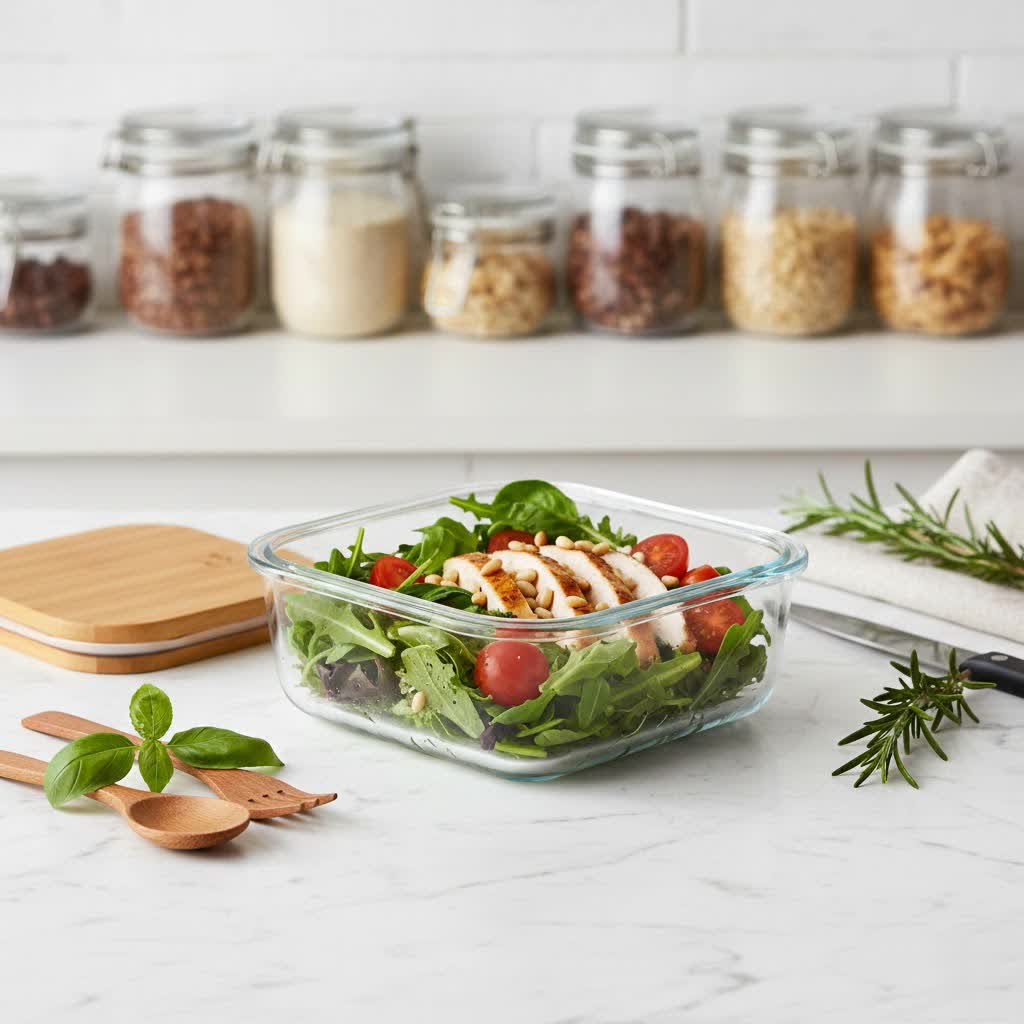
- Glass: In recent years, Tupperware has expanded its offerings to include glass containers, such as the Voila collection.
- Pros: Extremely durable, resistant to scratches, odors, and stains. Glass is non-porous and non-reactive, meaning it won’t absorb food particles or chemicals, ensuring food tastes as it should. It’s also oven, microwave, freezer, and dishwasher safe, offering superior versatility.
- Cons: Heavier and more fragile than plastic, making them less ideal for transport if dropped. Generally more expensive.
- Stainless Steel: While not a primary material for Tupperware’s main storage lines, stainless steel options exist from other brands and are valued for their extreme durability, non-reactivity, and ability to keep food hot or cold.
- Pros: Indestructible, chemical-free, excellent temperature retention.
- Cons: Cannot be used in microwaves, not transparent, often more expensive.
- Silicone: Used primarily for lids or collapsible containers, silicone is flexible and heat-resistant.
- Pros: Flexible, lightweight, freezer and oven safe.
- Cons: Can absorb odors, may not offer the rigid structure needed for all storage.
|
Our Picks for the Best Food Container in 2026
As an Amazon Associate I earn from qualifying purchases.
|
||
| Num | Product | Action |
|---|---|---|
| 1 | 50 Pack (100-Piece) 24 oz Meal Prep Containers Reusable with Lids, Sturdy Leakproof & Food Safe, Microwave, Freezer, Dishwasher Safe Prep Containers, To Go Take Out Plastic Food Storage |

|
| 2 | Rubbermaid Brilliance BPA Free Airtight Food Storage Containers with Lids, Set of 4 (4.7 Cup) Ideal for Lunch, Meal Prep, and Leftovers |
|
| 3 | Bentgo Prep - 20-Piece 1-Compartment Reusable Meal Prep Containers with Lids, PFAS & BPA Free Materials, Durable, Microwave, Freezer, & Dishwasher Safe To Go Food Storage (Mint) |
|
| 4 | Ankou Airtight Food Storage Container with Pop Lid & 130ml Scoop, 4L/4.2qt *4 BPA-Free Cereal, Rice, Flour, Pasta & Snack Container, Stackable & Durable,Kitchen Pantry Organizer |
|
| 5 | Rubbermaid Brilliance BPA-Free Food Storage Containers, Medium Deep, 4.7 Cup, 2-Pack, Airtight & Leak-Proof, Microwave & Dishwasher Safe |
|
| 6 | Rubbermaid Brilliance Large Food Storage Container, 9.6 Cup, BPA-Free, Leak-Proof, Clear |
|
| 7 | Vtopmart 8 Pack Glass Food Storage Containers with Airtight Lids, Glass Meal Prep Containers, Lunch Office Meal for Microwave, Oven, Freezer and Dishwasher, BPA Free |
|
| 8 | Rubbermaid Brilliance Food Storage Containers BPA Free Airtight Lids Ideal for Lunch Meal Prep & Leftovers Set of 5 (3.2 Cup) |
|
| 9 | 50 Pack (100-Piece) 32 oz Meal Prep Containers Reusable with Easy Open Lids, Sturdy Leakproof Food Safe, Microwave Freezer Dishwasher Safe, To Go Take Out Plastic Food Storage Pans with Lids, Black |
|
| 10 | 60 Sets (120-Piece) Deli Containers with Lids, 32/16/8 oz X 20 Set Each, Leak-Proof & BPA Free Airtight Takeout Plastic Food Storage Containers for Soup, Freezer/Microwave/Dishwasher Safe |
|
By Shape and Size
Tupperware containers come in a myriad of shapes and sizes to optimize storage and fit specific foods.
- Round: Ideal for liquids, sauces, and small portions.
- Square: Excellent for modular stacking and maximizing fridge or pantry space.
- Rectangular: Perfect for meal prep, larger portions, or baked goods.
- Partitioned: Features built-in dividers, great for separating meal components or snacks.
- Mini: Small containers for dressings, dips, or baby food.
- Large: Generous sizes for bulk storage, family-sized meals, or pantry staples like flour and sugar.
By Feature
Many Tupperware containers are designed with specific functionalities to enhance user experience.
- Airtight and Leak-Proof: A hallmark of Tupperware, these seals are crucial for keeping food fresh and preventing spills, even when shaken.
- Microwave-Safe: Designed to withstand microwave heating without warping or compromising food safety. Tupperware’s CrystalWave line, for instance, often includes steam vents for reheating.
- Freezer-Safe: Built to endure freezing temperatures without cracking, ideal for long-term food preservation. The Freezer Mates PLUS line is specifically designed for this purpose.
- Dishwasher-Safe: Simplifies cleanup, ensuring containers are thoroughly sanitized after each use.
- Stackable: Many designs allow containers to nest or stack securely, saving valuable cupboard and fridge space.
- Vented: Features small vents in the lid, particularly useful for microwave reheating or for fresh produce that benefits from airflow.
Comparison Table of Tupperware Food Storage Containers
Choosing between different materials and features can be challenging. Here’s a comparison to help you weigh your options:
| Criteria | Plastic (Tupperware) | Glass (Tupperware Voila) |
|---|---|---|
| Material | BPA-free Polypropylene (PP), Low-Density Polyethylene (LDPE) | Borosilicate Glass |
| Durability | Good, resistant to drops, can scratch/stain over time | Excellent, very durable, scratch/stain/odor resistant; prone to breaking if dropped |
| Heat Resistance | Microwave-safe (check labels), generally not oven-safe | Oven, microwave, freezer safe (high thermal shock resistance) |
| Health Safety | BPA-free, non-toxic | Non-porous, non-reactive, no chemical leaching |
| Price | Generally more affordable | Higher initial cost |
| Convenience | Lightweight, excellent for transport, versatile shapes | Heavier, not ideal for vigorous travel, versatile for cooking/storing |
| Cleaning | Dishwasher-safe (top rack recommended), can retain odors/stains | Dishwasher-safe (resists odors/stains, easy to clean) |
| Environmental | Reusable, reduces waste from disposables, recyclable | Highly recyclable, sustainable, indefinite reuse |
Guide to Choosing the Right Tupperware Food Storage Containers
Selecting the perfect food storage container involves more than just picking a pretty color. Consider these factors to ensure your Tupperware meets your needs.
Determine Usage Needs
Think about how you’ll primarily use your containers.
- What type of food will you store? Dry goods, liquids, acidic foods, or strong-smelling items? Glass is excellent for acidic foods and strong odors, while plastic is often preferred for dry goods and lightweight snacks.
- What capacity do you need? Are you packing individual lunches, storing family-sized leftovers, or organizing pantry staples? Tupperware offers a wide range of sizes, from mini containers to large bulk storage solutions.
- Do you need special features? If you frequently reheat meals, look for microwave-safe containers with vents like the CrystalWave collection. For freezer organization, Freezer Mates are specifically designed to perform in cold temperatures. If you carry your lunch, ensure the lid provides a secure, leak-proof seal.
Choose Safe Materials
Prioritize health and safety. Always opt for Tupperware containers explicitly labeled “BPA-free.” Tupperware products in the US and Canada have been made from BPA-free materials for many years. For ultimate peace of mind, especially when heating food, consider Tupperware’s borosilicate glass options, which are naturally free from chemicals and resist thermal shock.
Check Durability and Heat Resistance
A good food container should withstand daily use and varying temperatures.
- Durability: Look for thick, sturdy plastic or tempered glass that can endure minor impacts and frequent washing. While plastic is less likely to shatter, quality glass containers like Tupperware’s Voila line are designed to be highly durable and resistant to oven, freezer, and dishwasher use.
- Heat Resistance: If microwaving or oven use is essential, confirm that the containers are clearly marked as microwave-safe or oven-safe. Glass generally offers broader heat resistance.
Consider Practicality
The convenience of your containers can significantly impact your daily routine.
- Lids: Ensure lids are easy to open and close but still provide a tight, secure seal to prevent leaks. Tupperware is well-known for its effective sealing mechanisms.
- Stackability and Nesting: For efficient storage in cupboards, fridges, and freezers, choose containers that can stack neatly or nest inside each other when empty. This optimizes space and keeps your kitchen tidy.
- Ease of Cleaning: Dishwasher-safe containers save time and effort. Glass containers tend to clean more easily and resist odors and stains better than plastic.
Refer to User Reviews and Expert Opinions
Before purchasing, take time to read reviews on e-commerce sites or consumer reports. Gaining insights from other users can provide valuable real-world perspectives on a product’s performance and longevity.
Top Tupperware Food Storage Solutions Today
Tupperware offers several popular lines that cater to different storage needs, each designed with the brand’s commitment to quality and innovation.
- Tupperware Voila™ Glass Food Storage Containers: This collection marks Tupperware’s expansion into glassware. Made with durable borosilicate glass bases and BPA-free plastic lids, these containers are oven, freezer, microwave, and dishwasher safe. They are praised for their versatility, allowing users to cook, serve, and store in the same container. Available in various rectangular and round shapes, they offer an excellent option for those prioritizing glass for safety and ease of cleaning.
- Tupperware Modular Mates®: A staple for pantry organization, Modular Mates are modular plastic containers designed to maximize cupboard space. They come in various heights and shapes, allowing for efficient stacking and visibility of contents, perfect for dry goods like pasta, cereals, and baking supplies.
- Tupperware CrystalWave® Containers: Engineered for microwave reheating, these plastic containers feature a special vent in the lid that can be opened during microwaving to release steam and closed for airtight storage. They are ideal for meal prepping and taking lunches to work, ensuring even reheating without splatters.
- Tupperware Freezer Mates® PLUS: Specifically designed to withstand freezing temperatures, these plastic containers help preserve food quality in the freezer, preventing freezer burn. Their flexible material allows for easy removal of frozen contents, and they come in various sizes and shapes for organized freezer storage.
- Tupperware Heritage Collection: This line often brings back classic Tupperware designs in vibrant, vintage-inspired colors. These plastic containers are known for their sturdy build and secure seals, evoking nostalgia while providing reliable food storage for everyday use.
Tips for Using and Maintaining Tupperware Food Storage Containers
Proper care and maintenance will significantly extend the life of your Tupperware containers and ensure optimal performance.
- Proper Cleaning:
- Plastic: Wash with warm, soapy water and a non-abrasive sponge. For stubborn odors, a mixture of baking soda and water can help. Most plastic Tupperware is dishwasher-safe, but placing them on the top rack can help prevent warping from intense heat.
- Glass: Glass containers are generally easier to clean and can withstand higher dishwasher temperatures for a thorough sanitize. They resist odors and stains well, making cleanup straightforward.
- Odor Removal: For plastic containers that have absorbed food odors, try soaking them in a solution of warm water and white vinegar, or rubbing them with a lemon slice before washing. Placing crumpled newspaper inside a clean, dry container overnight can also help absorb smells.
- Extending Longevity:
- Always ensure containers are completely dry before storing them to prevent mold or mildew.
- Avoid using abrasive scrubbers or harsh chemicals that can damage the plastic or glass.
- Store lids separately or loosely on top of containers to prevent warping and maintain their seal integrity.
- Do not overfill containers, especially when freezing liquids, as contents expand when frozen.
- Things to Avoid:
- Never use plastic containers in a conventional oven, under a broiler, or on a stovetop. Even “microwave-safe” plastic is not designed for these high-heat applications.
- Avoid storing highly acidic or oily foods in plastic containers for extended periods if you are concerned about staining or odor absorption.
- Do not use sharp utensils inside any container, as this can scratch the surface and potentially compromise its integrity.
Conclusion
Choosing the right Tupperware food storage containers is an investment in freshness, organization, and sustainability for your kitchen. By understanding the distinct advantages of materials like BPA-free plastic and durable borosilicate glass, and by considering features tailored to your lifestyle, you can make an informed decision that meets your family’s unique needs. From preserving leftovers to simplifying meal prep, Tupperware offers reliable solutions that stand the test of time, helping you reduce waste and enjoy your food more fully.
What specific food storage challenge are you hoping to solve with your next Tupperware purchase?
Frequently Asked Questions
Are Tupperware containers truly BPA-free?
Yes, Tupperware has stated that all its products sold in the US and Canada are made from BPA-free materials, replacing polycarbonate plastics with other approved, high-performance materials.
Can I put Tupperware in the microwave?
Many Tupperware plastic containers, especially lines like CrystalWave, are designed to be microwave-safe and often feature vents for reheating. However, always check the product’s specific labeling. Glass Tupperware (e.g., Voila collection) is also microwave-safe.
Is glass Tupperware better than plastic?
Glass Tupperware generally offers superior resistance to odors, stains, and chemical leaching, and is oven-safe, making it a highly versatile and safe choice. Plastic Tupperware, however, is lighter, less fragile, and often more affordable, making it ideal for on-the-go use. The “best” depends on individual priorities.
How do I remove stains from plastic Tupperware?
For plastic containers, try scrubbing stains with a paste made from baking soda and water, or soaking them in a solution of warm water and a small amount of bleach (if safe for the plastic type). Exposure to sunlight can also help naturally fade tomato-based stains.
Are Tupperware lids interchangeable?
While many Tupperware lids are designed to be quite versatile within certain lines or sizes, they are not universally interchangeable across all Tupperware products. It’s best to use the lid specifically designed for each container to ensure a perfect airtight and leak-proof seal.
