In the heart of every well-managed home lies a secret weapon against stale ingredients, pantry pests, and cluttered shelves: dry food storage containers. For over a decade, the journey through countless kitchen setups has consistently highlighted the indispensable role these containers play in maintaining a functional, efficient, and healthy cooking space. Understanding the nuances of material, design, and practical application is key to selecting the perfect solutions for your culinary needs, ensuring everything from grains to spices remains at its peak.
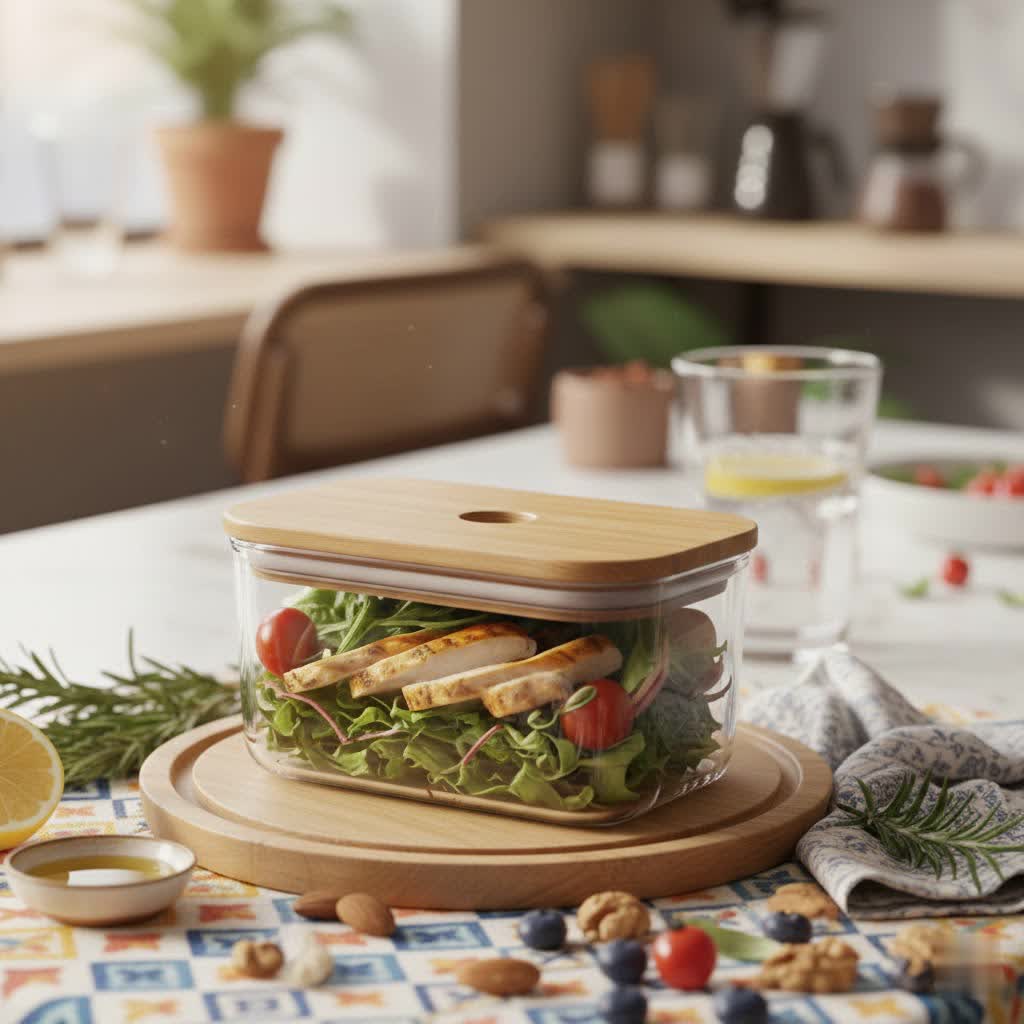
What Are Dry Food Storage Containers and Why Do You Need Them?
Dry food storage containers are specialized vessels designed to hold non-perishable food items, protecting them from moisture, air, and external contaminants. Unlike general-purpose containers, they typically feature robust, airtight seals crucial for preserving the integrity of ingredients like flour, sugar, pasta, rice, cereals, nuts, and spices.
The necessity of investing in quality dry food storage goes beyond mere aesthetics. These containers offer a multitude of benefits that profoundly impact your kitchen and daily life:
- Preserve Freshness and Quality: Exposure to air and humidity can quickly lead to staleness, clumping, or degradation of flavor. Airtight containers create a protective barrier, keeping ingredients fresher for significantly longer.
- Protection Against Pests: Original packaging, such as cardboard boxes or flimsy bags, offers little defense against common pantry pests like moths, mites, weevils, and ants. Hard-sided, sealed containers act as an impenetrable fortress, safeguarding your food supply.
- Pantry Organization and Decluttering: Uniform, stackable containers transform a chaotic pantry into an organized, visually appealing space. They eliminate odd-shaped bags and boxes, maximizing shelf space and making it easier to find what you need.
- Reduced Food Waste and Cost Savings: By extending the shelf life of ingredients and protecting them from spoilage or infestation, these containers help minimize food waste. This translates directly into savings on your grocery bill over time.
- Environmental Benefits: Opting for durable, reusable containers reduces reliance on single-use packaging, contributing to a more sustainable kitchen and lessening environmental impact.
Popular Types of Dry Food Storage Containers on the Market
The market offers a diverse range of dry food storage containers, primarily distinguished by their material, shape, size, and specialized features. Understanding these variations helps in choosing containers best suited for specific foods and storage environments.
By Material
The material of your food storage container significantly impacts its durability, safety, and performance.
- Plastic (BPA-free)
- Pros: Plastic containers are generally lightweight, affordable, and highly portable, making them excellent for meal prep or on-the-go snacks. They come in an extensive variety of shapes and sizes and are typically shatter-resistant. Modern plastic options are often BPA-free, ensuring safer food contact.
- Cons: Some plastics can be prone to staining from strongly colored foods or retaining odors over time. Despite BPA-free assurances, concerns about chemical leaching can persist, especially if heated incorrectly. Their environmental impact is higher if not properly recycled.
- Safety: Always look for plastics labeled “BPA-free” and certified food-safe. Polypropylene (PP) and high-density polyethylene (HDPE) are common safe plastics.
- Glass
- Pros: Glass is a highly non-reactive material, meaning it won’t leach chemicals into food or absorb odors and stains. Its transparency allows for easy content identification. Glass containers are often oven, microwave, dishwasher, and freezer safe, offering high versatility. They are also eco-friendly and fully recyclable.
- Cons: The primary drawbacks are weight and fragility; glass can break if dropped. They tend to be more expensive than plastic alternatives.
- Stainless Steel
- Pros: Renowned for its extreme durability, stainless steel is resistant to rust, corrosion, and damage. It’s highly hygienic due to its non-porous surface, which does not absorb odors or stains. Stainless steel is also an eco-friendly choice, being 100% recyclable and long-lasting.
- Cons: Stainless steel containers are opaque, preventing you from seeing the contents without opening them. They are not microwave-safe and are generally more expensive than plastic.
- Ceramic/Stoneware
- Pros: Often chosen for their aesthetic appeal, ceramic and stoneware canisters can add a decorative touch to countertops. They are durable and can retain moisture relatively well for certain dry goods.
- Cons: Like glass, they are breakable and often heavier. Many ceramic containers may not feature truly airtight seals, making them less ideal for long-term freshness of sensitive items. They can also be quite expensive.
|
Our Picks for the Best Food Container in 2026
As an Amazon Associate I earn from qualifying purchases.
|
||
| Num | Product | Action |
|---|---|---|
| 1 | Rubbermaid Brilliance BPA Free Airtight Food Storage Containers with Lids, Set of 4 (4.7 Cup) Ideal for Lunch, Meal Prep, and Leftovers |

|
| 2 | Rubbermaid Brilliance BPA-Free Food Storage Containers, Medium Deep, 4.7 Cup, 2-Pack, Airtight & Leak-Proof, Microwave & Dishwasher Safe |
|
| 3 | 50 Pack (100-Piece) 32 oz Meal Prep Containers Reusable with Easy Open Lids, Sturdy Leakproof Food Safe, Microwave Freezer Dishwasher Safe, To Go Take Out Plastic Food Storage Pans with Lids, Black |
|
| 4 | Rubbermaid Brilliance Large Food Storage Container, 9.6 Cup, BPA-Free, Leak-Proof, Clear |
|
| 5 | Vtopmart 8 Pack Glass Food Storage Containers with Airtight Lids, Glass Meal Prep Containers, Lunch Office Meal for Microwave, Oven, Freezer and Dishwasher, BPA Free |
|
| 6 | Bentgo Prep - 20-Piece 1-Compartment Reusable Meal Prep Containers with Lids, PFAS & BPA Free Materials, Durable, Microwave, Freezer, & Dishwasher Safe To Go Food Storage (Mint) |
|
| 7 | Ankou Airtight Food Storage Container with Pop Lid & 130ml Scoop, 4L/4.2qt *4 BPA-Free Cereal, Rice, Flour, Pasta & Snack Container, Stackable & Durable,Kitchen Pantry Organizer |
|
| 8 | 50 Pack (100-Piece) 24 oz Meal Prep Containers Reusable with Lids, Sturdy Leakproof & Food Safe, Microwave, Freezer, Dishwasher Safe Prep Containers, To Go Take Out Plastic Food Storage |
|
| 9 | 60 Sets (120-Piece) Deli Containers with Lids, 32/16/8 oz X 20 Set Each, Leak-Proof & BPA Free Airtight Takeout Plastic Food Storage Containers for Soup, Freezer/Microwave/Dishwasher Safe |
|
| 10 | Rubbermaid Brilliance Food Storage Containers BPA Free Airtight Lids Ideal for Lunch Meal Prep & Leftovers Set of 5 (3.2 Cup) |
|
By Shape and Size
The design of a container impacts its efficiency and versatility in your kitchen.
- Hộp tròn, vuông, chữ nhật: Square and rectangular containers are generally preferred for pantry storage as they stack efficiently and maximize space. Round containers can be good for countertops or specific items.
- Containers with compartments: Some designs offer internal dividers, useful for storing different items in one unit or keeping scoops separate.
- Mini, medium, large, bulk: Sizes range from small spice jars (mini) to large containers capable of holding entire bags of flour or cereal (bulk), catering to diverse storage needs.
By Feature
Innovative features enhance the functionality and user experience of dry food containers.
- Airtight Seals: This is the most critical feature for dry food storage. Seals often involve silicone gaskets, latching mechanisms, or “pop” buttons that create a vacuum-like seal to keep air and moisture out.
- Stackable Designs: Containers designed to stack securely on top of each other are essential for maximizing vertical pantry space.
- Easy-Open/Close Lids: Lids that are simple to operate while still providing a strong seal enhance convenience, especially for daily use.
- Measurement Markings: Some containers come with measurement lines on the side, useful for tracking quantities of frequently used ingredients.
- Scoops and Accessories: Certain sets include integrated scoops, levelers (for flour), or terracotta disks (for brown sugar) to maintain optimal freshness and ease of use.
- Microwave, Dishwasher, Freezer Safe: These features determine how versatile and easy to clean a container is. While plastic is often microwave-safe, glass excels across all these categories.
Comparison Table: Glass vs. Plastic vs. Stainless Steel Dry Food Containers
| Feature | Glass | Plastic (BPA-free) | Stainless Steel |
|---|---|---|---|
| Durability | High (but fragile, prone to breakage) | Moderate (prone to wear, scratching) | Very High (resistant to rust/damage) |
| Portability | Low (heavy) | High (lightweight) | Moderate (heavier than plastic) |
| Chemical Safety | Excellent (non-reactive, no leaching) | Variable (choose BPA-free/food-safe) | Excellent (non-reactive, no leaching) |
| Ease of Cleaning | Very Easy (non-porous, dishwasher safe) | Moderate (can stain/retain odors) | Easy (non-porous, dishwasher safe) |
| Cost | High | Low | High |
| Transparency | High (easy to see contents) | High (usually clear) | Low (opaque, cannot see contents) |
| Environmental Impact | Highly Recyclable, long lifespan | Recyclable (check local guidelines), shorter lifespan | Highly Recyclable, very long lifespan |
| Best Use Cases | Long-term storage, acidic/oily foods, oven/microwave use, visible pantry display | Short-term storage, portability, dry goods, budget-friendly, kids’ use | Bulk storage, meal prep, durable pantry solutions, no odor/stain concerns |
How to Choose the Right Dry Food Storage Containers
Selecting the ideal dry food storage containers requires a thoughtful assessment of your personal needs, kitchen setup, and desired features.
Assess Your Storage Needs
Start by considering what you plan to store and how you use your kitchen.
- Food Types: Are you primarily storing baking ingredients like flour and sugar, everyday staples like rice and pasta, delicate spices, or bulky items like cereal? Different foods may benefit from specific container sizes or features.
- Desired Capacity and Volume: Do you buy in bulk, or do you need smaller containers for daily use? Choose sizes that can accommodate an entire bag or box of your typical purchases to avoid leftover half-opened packages.
- Storage Location: Will the containers live on your countertop, in a deep pantry, or a narrow cabinet? This influences choices like material (glass for display, plastic for hidden storage) and shape (stackable for maximizing space).
- Special Features: Do you require containers that are freezer-safe, microwave-safe, or designed for long-term survival storage?
Prioritize Material Safety
Food safety should be paramount.
- BPA-Free Plastic: If choosing plastic, always ensure it is labeled “BPA-free” and ideally holds other food safety certifications.
- Lead-Free Glass: Opt for borosilicate glass, which is more resistant to thermal shock.
- Food-Grade Stainless Steel: Ensure stainless steel containers are made from food-grade alloys, typically 304 or 18/8.
Consider Durability and Airtightness
The primary function of a dry food container is to protect its contents.
- Sturdy Construction: Choose containers made from thick, robust materials that can withstand daily use without easily cracking or breaking.
- Reliable Airtight Seals: This is non-negotiable. Look for lids with strong silicone gaskets and secure locking mechanisms (latches, pop-buttons, or vacuum seals) that create an impenetrable barrier against air, moisture, and pests. Test the seal by shaking a water-filled container if possible.
Evaluate Practicality and Ease of Use
Your containers should simplify, not complicate, your kitchen routine.
- Stackability for Space-Saving: For efficient pantry organization, select containers with flat lids and bases that allow them to stack securely without toppling.
- Wide Openings: Containers with wide mouths make it easier to pour ingredients, scoop with measuring cups, and clean thoroughly.
- Easy to Clean: Dishwasher-safe containers save time and effort. If hand-washing, ensure there are no intricate crevices or difficult-to-remove gaskets that can trap food particles or mold. Always allow containers to dry completely before refilling.
- Ergonomic Design: Consider how easy the containers are to handle, especially when full. Textured sides or comfortable grips can be a plus.
Read Reviews and Check Brands
Leverage the experiences of other users and trusted reviewers.
- Consult Reviews: Read unbiased reviews on reputable websites and forums. Pay attention to comments regarding airtightness, durability, ease of cleaning, and real-world performance.
- Reputable Brands: Brands like Rubbermaid Brilliance, OXO Good Grips POP, Le’raze Glass Canisters, and Progressive ProKeeper frequently receive high ratings for their quality and thoughtful design in dry food storage.
Popular and Highly-Rated Dry Food Storage Solutions
While specific product recommendations are best explored through current reviews and personal preferences, certain types of dry food storage solutions consistently earn high marks:
- Airtight Plastic Sets for Pantry Organization: Brands offering comprehensive plastic sets with uniform, stackable designs are excellent for transforming a cluttered pantry. These often feature simple latching or pop-top lids and come in various sizes suitable for everything from baking supplies to snacks.
- Elegant Glass Canisters for Countertops: For those prioritizing aesthetics and visibility, sets of glass canisters with airtight bamboo or stainless steel lids are popular. They’re perfect for displaying frequently used items like coffee, sugar, or pasta, blending seamlessly with kitchen decor.
- Specialized Keepers for Bakers: Bakers often appreciate containers specifically designed for flour (with built-in levelers) or brown sugar (with terracotta disks to maintain moisture). These specialized solutions address unique storage challenges for specific ingredients.
- Durable Stainless Steel Options: For ultimate durability and a modern, industrial look, stainless steel containers are favored. They are excellent for long-term storage of bulk grains, pet food, or anything you need to keep completely dark and pest-free.
Tips for Using and Maintaining Your Dry Food Storage Containers
Proper usage and regular maintenance will extend the life of your dry food storage containers and ensure your food remains safe and fresh.
- Proper Cleaning for Each Material:
- Plastic: Hand wash with warm, soapy water or use the top rack of the dishwasher. For stubborn odors or stains, soak in a solution of warm water and white vinegar or a baking soda paste. Ensure gaskets are thoroughly cleaned.
- Glass: Most glass containers are dishwasher-safe. For a deep clean or to remove strong odors, a baking soda and water paste works well.
- Stainless Steel: Generally dishwasher-safe. Avoid abrasive scrubbers that can scratch the surface.
- Always allow containers and lids to dry completely before refilling to prevent moisture buildup and potential mold growth.
- Removing Odors and Stains: For persistent odors in plastic, try crumpling newspaper inside the container and sealing it overnight, or placing it in direct sunlight for a few hours. For stains, a paste of baking soda and a little water can be effective.
- Maximizing Freshness:
- For some items, like coffee beans or cookies, filling the container to the brim can help reduce air pockets and extend shelf life.
- Practice the “first in, first out” (FIFO) method: label containers with dates and use older ingredients before newer ones to prevent spoilage.
- Store containers in a cool, dry, dark place away from direct sunlight and heat, which can degrade food quality and container materials.
- Things to Avoid:
- Heating Non-Microwave-Safe Containers: Never put stainless steel or certain plastics in the microwave. Even microwave-safe plastic should be used with caution to avoid potential leaching.
- Overfilling: This can compromise the airtight seal.
- Not Sealing Properly: Always double-check that the lid is securely fastened and the seal is engaged.
- Harsh Abrasives: Avoid steel wool or abrasive cleaners, especially on plastic and stainless steel, as they can scratch the surface and compromise hygiene.
Investing in quality dry food storage containers is a simple yet impactful decision for any kitchen. These essential tools not only safeguard your ingredients from spoilage and pests but also streamline your pantry, making cooking more enjoyable and less wasteful. By understanding the different materials and features, you can make informed choices that best suit your lifestyle and culinary aspirations. What dry food storage challenge are you hoping to solve next in your kitchen?
Frequently Asked Questions
Why is an airtight seal crucial for dry food storage containers?
An airtight seal is vital because it prevents air and moisture from entering the container, which are primary causes of food spoilage, staleness, and clumping. It also acts as a barrier against common pantry pests like moths and weevils, significantly extending the shelf life and safety of your dry goods.
Can I use plastic containers for long-term dry food storage?
Yes, many BPA-free, food-grade plastic containers with strong airtight seals are suitable for long-term dry food storage, especially for items like grains, beans, or pasta. However, glass and stainless steel are often preferred for very long-term storage due to their non-reactive nature and greater durability against wear and tear.
What does “BPA-free” mean, and why is it important?
“BPA-free” means that the plastic container does not contain Bisphenol A, a chemical that has been linked to potential health concerns when it leaches into food. Choosing BPA-free plastic ensures a safer option for food contact, minimizing exposure to this compound.
Are all glass food storage containers freezer and oven safe?
While many glass food containers are designed to be freezer and oven safe, it is crucial to check the manufacturer’s specific guidelines. Borosilicate glass generally handles temperature changes better, but sudden extreme temperature shifts can cause any glass to crack or shatter.
How can I effectively remove odors from my dry food storage containers?
For glass and stainless steel containers, a paste of baking soda and water, or soaking with white vinegar, can effectively remove odors. For plastic containers, try soaking in a solution of vinegar and water, or crumpling newspaper inside the container and leaving it sealed overnight to absorb smells.
