In every kitchen, the battle against food waste and the quest for healthier meal solutions are constant. Many grapple with flimsy plastic containers that stain, absorb odors, and raise concerns about chemical leaching, especially when heated. What if there was a food storage solution that offered superior safety, exceptional durability, and unmatched versatility? Enter borosilicate glass food storage containers, a game-changer for preserving your food and enhancing your kitchen experience. This comprehensive guide will explore the myriad benefits of these containers, compare them to other materials, offer essential buying tips, and provide expert advice on their care and maintenance, empowering you to make the best choice for your home.
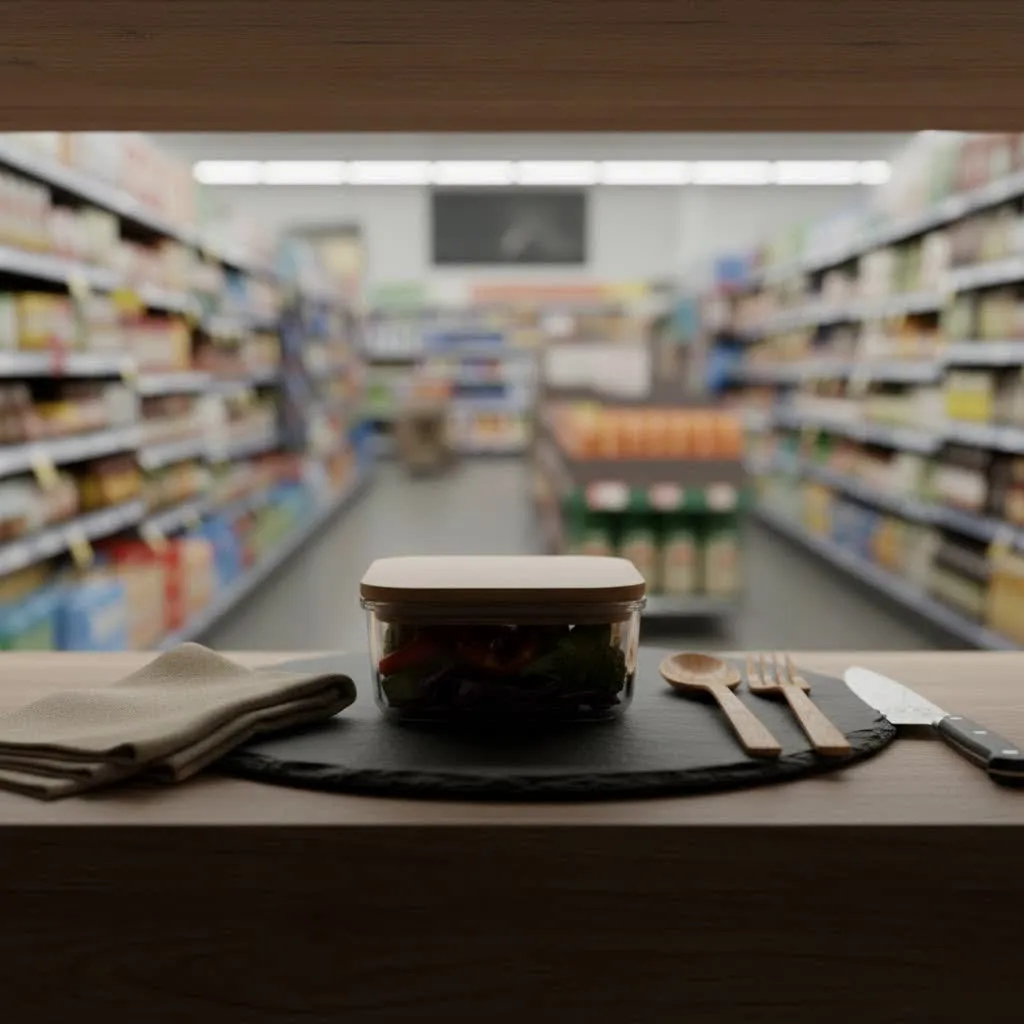
What Are Borosilicate Glass Food Containers and Why Do You Need Them?
Borosilicate glass is a specialized type of glass renowned for its incredible resistance to thermal shock and chemical inertness. Unlike standard soda-lime glass, borosilicate glass contains silica and boron trioxide, a unique composition that makes it highly durable and stable. Originally developed for laboratory equipment and cookware, its exceptional properties now make it the ideal material for food storage.
Here’s why borosilicate glass food containers are an indispensable addition to your kitchen:
- Superior Health and Safety: Borosilicate glass is completely non-toxic and free from harmful chemicals such as BPA, BPS, lead, and phthalates. It does not leach any substances into your food, even when exposed to high temperatures or acidic ingredients, ensuring your meals remain pure and safe to eat.
- Exceptional Thermal Shock Resistance: One of the defining features of borosilicate glass is its ability to withstand extreme and rapid temperature changes. You can confidently move these containers from the freezer directly to the microwave or a preheated oven without fear of cracking or shattering, making meal prep and reheating incredibly convenient.
- Unmatched Durability and Longevity: While no glass is entirely unbreakable, borosilicate glass is significantly stronger and more resistant to scratches and impacts than regular glass. It maintains its structural integrity over time, resisting warping, cloudiness, or degradation often seen in plastic containers, offering a long-lasting investment.
- Non-Porous for Freshness: The non-porous surface of borosilicate glass means it won’t absorb food odors, stains, or flavors from even the strongest ingredients like turmeric, garlic, or tomato sauce. This ensures that your containers always remain clear, hygienic, and ready for their next use without any lingering smells or discoloration.
- Environmental Sustainability: Choosing borosilicate glass is an eco-conscious decision. It is 100% recyclable and designed for endless reuse, significantly reducing your reliance on single-use plastics and contributing to a greener planet. Its longevity also minimizes waste from frequent replacements.
Popular Types of Food Containers and How Borosilicate Glass Compares
Understanding the landscape of food storage materials helps highlight why borosilicate glass stands out. Each material offers a different set of pros and cons, catering to various needs and priorities.
By Material:
- Plastic: Plastic containers are lightweight and often the most affordable option. However, many plastics can leach chemicals, particularly BPA, into food when heated or when storing acidic items. They are also prone to staining, absorbing odors, and can warp or degrade over time, posing environmental concerns due to their limited recyclability and lifespan. Always look for BPA-free plastics, typically identified by recycling codes #2 (HDPE), #4 (LDPE), and #5 (PP), for safer options.
- Regular Glass (Soda-Lime): Standard glass containers are non-reactive and offer excellent visibility, similar to borosilicate. They are also reusable and recyclable. However, they are generally heavier and more susceptible to thermal shock, meaning they can crack or break if exposed to sudden temperature changes (e.g., from a cold fridge to a hot oven). They are also more brittle and prone to chipping upon impact.
- Stainless Steel: Stainless steel containers are incredibly durable, resistant to corrosion, and non-reactive, making them a safe choice for food storage. They are ideal for durability and portability. The main drawbacks include their opacity, which prevents you from seeing the contents, and often a higher price point compared to other materials. They are also not microwave-safe.
- Borosilicate Glass: As discussed, borosilicate glass combines the best attributes of these materials. It is as non-reactive and transparent as regular glass, offering full visibility of contents. Crucially, its superior thermal shock resistance surpasses both regular glass and most plastics, allowing for safe transitions across extreme temperatures. It avoids the chemical leaching concerns of plastic and the opacity of stainless steel, offering a robust, healthy, and versatile solution.
|
Our Picks for the Best Food Container in 2026
As an Amazon Associate I earn from qualifying purchases.
|
||
| Num | Product | Action |
|---|---|---|
| 1 | Rubbermaid Brilliance Large Food Storage Container, 9.6 Cup, BPA-Free, Leak-Proof, Clear |

|
| 2 | Rubbermaid Brilliance BPA Free Airtight Food Storage Containers with Lids, Set of 4 (4.7 Cup) Ideal for Lunch, Meal Prep, and Leftovers |
|
| 3 | Bentgo Prep - 20-Piece 1-Compartment Reusable Meal Prep Containers with Lids, PFAS & BPA Free Materials, Durable, Microwave, Freezer, & Dishwasher Safe To Go Food Storage (Mint) |
|
| 4 | Ankou Airtight Food Storage Container with Pop Lid & 130ml Scoop, 4L/4.2qt *4 BPA-Free Cereal, Rice, Flour, Pasta & Snack Container, Stackable & Durable,Kitchen Pantry Organizer |
|
| 5 | Rubbermaid Brilliance BPA-Free Food Storage Containers, Medium Deep, 4.7 Cup, 2-Pack, Airtight & Leak-Proof, Microwave & Dishwasher Safe |
|
| 6 | Vtopmart 8 Pack Glass Food Storage Containers with Airtight Lids, Glass Meal Prep Containers, Lunch Office Meal for Microwave, Oven, Freezer and Dishwasher, BPA Free |
|
| 7 | Rubbermaid Brilliance Food Storage Containers BPA Free Airtight Lids Ideal for Lunch Meal Prep & Leftovers Set of 5 (3.2 Cup) |
|
| 8 | 50 Pack (100-Piece) 32 oz Meal Prep Containers Reusable with Easy Open Lids, Sturdy Leakproof Food Safe, Microwave Freezer Dishwasher Safe, To Go Take Out Plastic Food Storage Pans with Lids, Black |
|
| 9 | 50 Pack (100-Piece) 24 oz Meal Prep Containers Reusable with Lids, Sturdy Leakproof & Food Safe, Microwave, Freezer, Dishwasher Safe Prep Containers, To Go Take Out Plastic Food Storage |
|
| 10 | 60 Sets (120-Piece) Deli Containers with Lids, 32/16/8 oz X 20 Set Each, Leak-Proof & BPA Free Airtight Takeout Plastic Food Storage Containers for Soup, Freezer/Microwave/Dishwasher Safe |
|
By Shape and Size:
Food containers come in a variety of shapes and sizes to accommodate diverse storage needs:
- Round Containers: Often ideal for liquids like soups and sauces, as their shape can minimize spills and facilitate stirring.
- Square and Rectangular Containers: These are highly efficient for maximizing space in refrigerators, freezers, and pantry shelves, as they fit snugly together and are typically stackable.
- Small, Medium, and Large: A range of sizes is essential for everything from individual meal portions and snacks to bulk storage and large family leftovers.
- Containers with Dividers: Perfect for meal prepping, allowing you to keep different food items separate within a single container without them mixing.
- Nesting and Stackable Designs: Many borosilicate glass sets are designed to nest inside each other when empty or stack neatly when full, saving valuable cabinet and fridge space.
By Feature:
Modern food containers incorporate various features for enhanced functionality:
- Airtight and Leakproof Lids: Essential for keeping food fresh longer and preventing spills, especially when transporting liquids. Look for lids with silicone gaskets and secure snap-lock or screw-top mechanisms.
- Oven, Microwave, Freezer, and Dishwasher Safe: Borosilicate glass bases are typically safe for all these appliances, offering maximum convenience. Lids, especially if plastic, may only be top-rack dishwasher safe or hand-wash only.
- Vent Valves: Some lids include a steam release valve, which allows for safe microwaving of food without removing the entire lid.
Borosilicate Glass Food Container Comparison Table
| Feature | Borosilicate Glass | Plastic (BPA-free PP) | Regular Glass (Soda-Lime) | Stainless Steel |
|---|---|---|---|---|
| Durability | High (Thermal shock resistant, scratch resistant) | Moderate (Can warp/degrade) | Moderate (Brittle, less thermal shock resistant) | Very High (Impact resistant) |
| Thermal Resistance | Excellent (Freezer to Oven) | Good (Microwave safe, not oven safe) | Poor (Prone to thermal shock) | Good (Oven safe, not microwave safe) |
| Health Safety | Excellent (Non-toxic, no leaching) | Good (BPA-free) | Excellent (Non-toxic, no leaching) | Excellent (Non-toxic, no leaching) |
| Stain/Odor Resistance | Excellent (Non-porous) | Poor to Moderate (Can stain/absorb odors) | Excellent (Non-porous) | Excellent (Non-porous) |
| Microwave Safe | Yes (Base) | Yes (Selected types, lid often vented) | No (Prone to thermal shock) | No |
| Oven Safe | Yes (Base, up to high temps) | No | No (Prone to thermal shock) | Yes |
| Visibility | Excellent (Transparent) | Good (Often transparent) | Excellent (Transparent) | Poor (Opaque) |
| Price Range | Mid to High | Low to Mid | Low to Mid | Mid to High |
Your Guide to Choosing the Right Borosilicate Glass Food Container
Selecting the perfect borosilicate glass food containers involves a few key considerations to ensure they meet your specific lifestyle and kitchen needs.
Assess Your Needs:
Start by thinking about how you’ll use the containers:
- What food type will you store? Dry goods, liquids, meal prep portions, or leftovers? This influences the shape and seal you’ll need.
- What capacity do you require? Small for snacks and dressings, medium for individual meals, or large for family-sized portions and bulk storage?
- Do you need specific features? Will you frequently use them in the oven, microwave, or for transporting meals? Look for containers designed for these purposes.
Prioritize Material Safety and Quality:
Always verify the material:
- “Borosilicate Glass”: Ensure the containers are explicitly labeled as borosilicate glass to guarantee superior thermal resistance.
- BPA-Free Lids: If the lids are made of plastic, confirm they are BPA-free to maintain a non-toxic food environment.
- Certifications: While not always necessary for home use, checking for food safety certifications can provide extra assurance of quality and compliance.
Evaluate Durability and Thermal Capabilities:
- Thickness of Glass: Thicker glass generally indicates better durability and resilience.
- Temperature Range: Check the product specifications for the exact temperature ranges the containers can withstand in the oven, microwave, and freezer.
Consider Practicality and Convenience:
- Lid Design: Look for lids that offer an airtight and leakproof seal, are easy to open and close, and ideally have removable silicone gaskets for thorough cleaning.
- Stackability and Nesting: Opt for designs that allow for efficient storage, either by stacking securely when full or nesting compactly when empty.
- Ease of Cleaning: Non-porous glass is naturally easy to clean. Consider how easily the lids and any gaskets can be washed.
Read Reviews and Brand Reputation:
Before making a purchase, take time to:
- Consult User Reviews: Read feedback on e-commerce sites, forums, and social media to gauge real-world performance, durability, and customer satisfaction.
- Research Reputable Brands: Brands with a long-standing reputation for quality and customer service often provide more reliable products.
Top Borosilicate Glass Food Container Brands to Consider
Several brands are highly regarded for their quality borosilicate glass food storage solutions, offering a range of options to suit various needs. While specific product lines may vary, many well-known brands like Pyrex, Glasslock, Rubbermaid Brilliance, OXO Good Grips, and Ello consistently receive positive reviews for their durable construction, secure lids, and versatile designs. These brands typically offer sets with assorted shapes and sizes, often featuring robust glass bases that are oven, microwave, and freezer safe, complemented by airtight, leakproof lids—many with removable gaskets for hygiene. Investing in products from such reputable manufacturers helps ensure you receive a high-quality product that stands the test of time.
Tips for Using and Maintaining Your Borosilicate Glass Food Containers
Proper care and maintenance will significantly extend the lifespan and performance of your borosilicate glass food containers, keeping them pristine and functional for years.
Proper Cleaning Techniques:
- Hand Washing vs. Dishwasher: While borosilicate glass bases are generally dishwasher safe (and can go on any rack), it’s often recommended to hand wash the lids with warm water and mild dish soap. This is especially true for plastic lids, as high heat in a dishwasher can cause warping or degrade the seal over time. If using a dishwasher for lids, place them on the top rack.
- Tackling Stains and Odors: For stubborn food stains or lingering odors on glass, a paste made from baking soda and a little water can work wonders. Apply the paste, let it sit for 15-30 minutes, then scrub gently with a non-abrasive sponge and rinse thoroughly. For plastic lids, a solution of white vinegar and water can help neutralize odors.
- Cleaning Gaskets: If your lids have removable silicone gaskets, take them out regularly to clean underneath and prevent mold or mildew growth. Wash them separately with soap and water, ensuring they are completely dry before reinserting.
Smart Usage Habits:
- Avoiding Thermal Shock (Generally): Although borosilicate glass is highly resistant to thermal shock, it’s a good practice to avoid extreme sudden temperature changes, such as pouring boiling hot liquid into a frozen container, to maximize its longevity and prevent undue stress on the glass or lid seals.
- Handle with Care: While durable, glass is still glass. Handle your containers carefully to prevent accidental drops or knocks against hard surfaces, which could cause chipping or breakage.
- Avoid Abrasive Cleaners: Always use soft sponges or cloths and mild detergents. Abrasive scrubbers or harsh chemicals can scratch the glass surface or damage the lid materials.
Optimal Storage Practices:
- Ensure Dryness: Always ensure your containers and lids are completely dry before storing them. This prevents moisture buildup, which can lead to bacterial growth or unpleasant odors.
- Store with Lids Off or Ajar: To allow for air circulation and prevent trapped odors or moisture, store glass bases with their lids off or slightly ajar.
- Protect When Stacking: If stacking glass containers, consider placing a paper towel or a thin cloth between each piece to prevent scratches and provide a slight cushion.
Conclusion
Investing in borosilicate glass food storage containers is a decision that pays dividends in health, convenience, and sustainability. Their non-toxic composition ensures your food remains untainted, while their remarkable thermal shock resistance and durability offer unparalleled versatility for all your culinary endeavors. By choosing borosilicate glass, you not only elevate your food storage system but also contribute to a more organized, eco-friendly kitchen. Make the smart switch today and experience the lasting benefits. What culinary creations will you store and preserve with confidence in your new borosilicate glass containers?
Frequently Asked Questions
Are borosilicate glass containers safe for the oven?
Yes, borosilicate glass containers are exceptionally oven-safe. They are designed to withstand high temperatures, typically up to 450°F (232°C) or even higher, making them perfect for baking, roasting, or reheating meals directly in the oven. Always check specific product instructions for exact temperature limits.
Can I put hot food directly into a borosilicate glass container in the freezer?
Yes, you can. Borosilicate glass’s excellent thermal shock resistance allows it to handle drastic temperature changes. This means you can safely transfer hot food into a borosilicate glass container and then directly into the freezer without worrying about the glass cracking or shattering.
How do I prevent my borosilicate glass containers from breaking?
While highly durable, borosilicate glass is not unbreakable. To prevent breakage, handle containers with care, avoid dropping them, and use non-abrasive cleaning tools. Although thermal shock resistant, it’s wise to avoid exposing them to extreme temperature contrasts in rapid succession (e.g., pouring extremely cold water into a scorching hot dish).
Are the lids also made of borosilicate glass?
Typically, the bases of borosilicate glass food containers are made of glass, while the lids are often made of BPA-free plastic or silicone. Some premium sets feature all-glass lids, often with silicone rims for an airtight seal. Always check product descriptions for lid material details.
How do I remove food stains or odors from my containers?
Borosilicate glass is highly resistant to stains and odors due to its non-porous nature. If lingering smells or slight discoloration occur, a paste of baking soda and water, or a soak in white vinegar solution, can effectively clean and neutralize them. Ensure lids, especially plastic ones, are also thoroughly cleaned, including any removable gaskets.
Is borosilicate glass truly better than regular glass for food storage?
Yes, borosilicate glass generally offers superior performance for food storage compared to regular soda-lime glass. Its key advantage is significantly higher thermal shock resistance, allowing it to safely transition between extreme temperatures (freezer to oven) without breaking. It’s also often more durable and resistant to scratches.
