Have you ever opened your refrigerator to find last night’s delicious leftovers no longer fresh, or rummaged through a cluttered pantry searching for that one ingredient? If so, you’re not alone. In the modern kitchen, plastic food storage containers with lids are indispensable tools, transforming how we keep food fresh, organize our spaces, and manage our busy lives. These versatile items offer practical solutions for everything from daily meal prep to long-term pantry organization, making them a cornerstone of efficient home management.
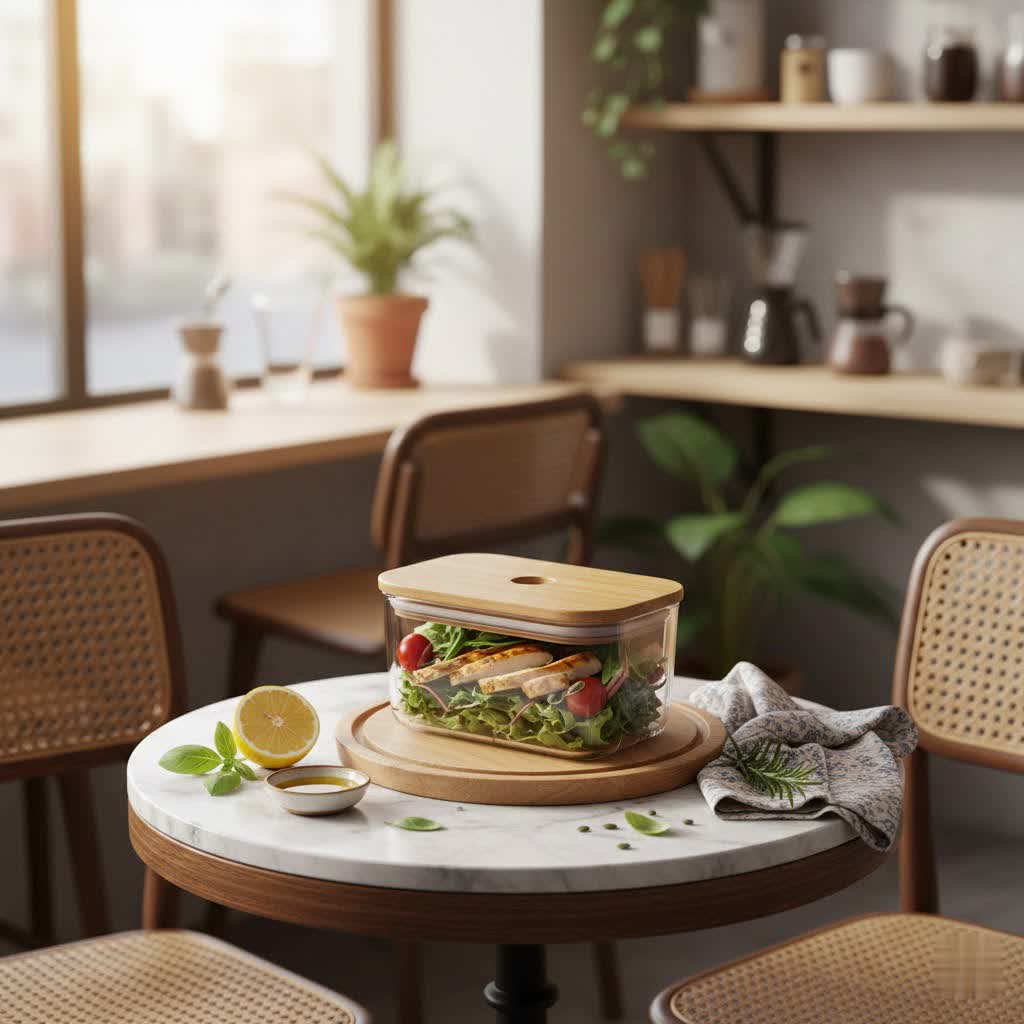
What Are Plastic Food Storage Containers, and Why Do You Need Them?
Plastic food storage containers with lids are specially designed vessels crafted from various polymer resins to securely hold and preserve food. They consist of a base container and a tightly fitting lid that seals to protect contents from air exposure, moisture, and contaminants. These containers are essential kitchen heroes for several compelling reasons:
- Preserving Freshness and Flavor: A well-sealed container prevents air and moisture from compromising your food’s quality, extending its shelf life and retaining its taste and nutritional value.
- Convenience and Portability: Lightweight and shatterproof, plastic containers are perfect for transporting meals to work or school. Their secure lids minimize spills and make on-the-go dining hassle-free.
- Environmental Responsibility: Opting for reusable plastic containers significantly reduces reliance on single-use plastics, contributing to a more sustainable lifestyle.
- Cost Savings: By effectively storing leftovers and meal-prepped dishes, you minimize food waste and the need for frequent grocery runs, ultimately saving money.
- Kitchen Organization: Many plastic containers are designed to be stackable and modular, allowing for efficient use of space in your refrigerator, freezer, and pantry, turning clutter into order.
Types of Plastic Food Storage Containers with Lids
Plastic food containers come in a diverse range, primarily differentiated by the type of plastic material used, their shape, and specific features. Understanding these distinctions helps in choosing the best container for your needs.
By Material (Plastic Types)
The safety and performance of a plastic container largely depend on the type of plastic it’s made from. It’s crucial to look for “BPA-free” labels and understand recycling codes, which indicate the plastic’s composition. In general, plastics with recycling numbers 2, 4, and 5 are considered the safest for food contact.
- Polypropylene (PP – Recycling #5): This is one of the most widely recommended plastics for food storage due to its high melting point, making it excellent for microwave and dishwasher use. PP is lightweight, flexible, and resists breaking, making it ideal for reusable containers. While generally safe, some studies note very low-level leaching of plastic additives.
- High-Density Polyethylene (HDPE – Recycling #2): Known for its strength, durability, and resistance to moisture and chemicals, HDPE is often used for milk jugs, cereal box liners, and long-term dry food storage. It’s opaque, less flexible than some other plastics, and has a high melting point, allowing for sterilization.
- Low-Density Polyethylene (LDPE – Recycling #4): More flexible and less rigid than HDPE, LDPE is commonly found in squeeze bottles, bread bags, and plastic wrap. It is considered safe for food contact and is easily reusable, though not always recyclable.
- Polyethylene Terephthalate (PET/PETE – Recycling #1): This rigid, impact-resistant plastic is widely used for disposable items like soda bottles and peanut butter jars. While FDA-approved for single use, it can potentially leach estrogenic compounds if reused, especially when exposed to heat.
- Plastics to Avoid (General Advice): It’s generally advisable to avoid plastics with recycling symbols #3 (PVC), #6 (Polystyrene – PS), and #7 (Polycarbonate – PC). PVC, often dubbed “poison plastic,” has a reputation for leaching chemicals like BPA and phthalates. Polystyrene can leach styrene, especially when heated, and polycarbonate is frequently associated with BPA, an industrial chemical that has raised health concerns. When selecting BPA-free plastics, avoiding these numbers is a good safety measure.
|
Our Picks for the Best Food Container in 2026
As an Amazon Associate I earn from qualifying purchases.
|
||
| Num | Product | Action |
|---|---|---|
| 1 | Rubbermaid Brilliance Food Storage Containers BPA Free Airtight Lids Ideal for Lunch Meal Prep & Leftovers Set of 5 (3.2 Cup) |

|
| 2 | Vtopmart 8 Pack Glass Food Storage Containers with Airtight Lids, Glass Meal Prep Containers, Lunch Office Meal for Microwave, Oven, Freezer and Dishwasher, BPA Free |
|
| 3 | Ankou Airtight Food Storage Container with Pop Lid & 130ml Scoop, 4L/4.2qt *4 BPA-Free Cereal, Rice, Flour, Pasta & Snack Container, Stackable & Durable,Kitchen Pantry Organizer |
|
| 4 | Rubbermaid Brilliance BPA-Free Food Storage Containers, Medium Deep, 4.7 Cup, 2-Pack, Airtight & Leak-Proof, Microwave & Dishwasher Safe |
|
| 5 | 60 Sets (120-Piece) Deli Containers with Lids, 32/16/8 oz X 20 Set Each, Leak-Proof & BPA Free Airtight Takeout Plastic Food Storage Containers for Soup, Freezer/Microwave/Dishwasher Safe |
|
| 6 | 50 Pack (100-Piece) 24 oz Meal Prep Containers Reusable with Lids, Sturdy Leakproof & Food Safe, Microwave, Freezer, Dishwasher Safe Prep Containers, To Go Take Out Plastic Food Storage |
|
| 7 | 50 Pack (100-Piece) 32 oz Meal Prep Containers Reusable with Easy Open Lids, Sturdy Leakproof Food Safe, Microwave Freezer Dishwasher Safe, To Go Take Out Plastic Food Storage Pans with Lids, Black |
|
| 8 | Bentgo Prep - 20-Piece 1-Compartment Reusable Meal Prep Containers with Lids, PFAS & BPA Free Materials, Durable, Microwave, Freezer, & Dishwasher Safe To Go Food Storage (Mint) |
|
| 9 | Rubbermaid Brilliance Large Food Storage Container, 9.6 Cup, BPA-Free, Leak-Proof, Clear |
|
| 10 | Rubbermaid Brilliance BPA Free Airtight Food Storage Containers with Lids, Set of 4 (4.7 Cup) Ideal for Lunch, Meal Prep, and Leftovers |
|
By Shape and Size
The design of a food container significantly impacts its utility and storage efficiency.
- Rectangular and Square Containers: These shapes are highly efficient for stacking and maximizing space in refrigerators, freezers, and cabinets, making them favorites for meal prepping and storing leftovers.
- Round or Cylindrical Containers: Ideal for liquids like soups, sauces, and oatmeal, their shape allows for easier stirring and less internal corner buildup, though they can be less space-efficient when stored side-by-side.
- Multi-Compartment Containers: Perfect for packing lunches with separate sections for different food items, preventing them from mixing.
- Mini and Large Containers: From small snack boxes to large containers for bulk storage of grains or flour, a variety of capacities caters to every household need.
By Features
Modern plastic food containers boast a range of features designed to enhance usability and food preservation.
- Airtight and Leak-Proof Seals: Essential for preventing spills and keeping food fresh, these often incorporate silicone gaskets or robust locking mechanisms. Good Housekeeping tests show that containers like Rubbermaid Brilliance offer tight seals and excellent performance in preventing leaks.
- Microwave-Safe: Many plastic containers are designed to withstand microwave temperatures, allowing for convenient reheating. Always check the manufacturer’s label, as not all plastics are safe for microwaving, especially with oily or fatty foods, which can increase chemical migration risk.
- Freezer-Safe: Containers designed for freezing protect food from freezer burn and cracking at low temperatures, preserving quality for longer storage.
- Dishwasher-Safe: For easy cleanup, many plastic containers are top-rack dishwasher safe. However, hand washing lids can often extend their lifespan and prevent warping.
- Stackable and Nesting Designs: These features are key for optimizing storage space, whether full in the fridge or empty in the cupboard. Straight-sided containers are particularly effective at saving room.
- Vented Lids: Some containers feature vents to release steam during microwaving, preventing pressure buildup and soggy food.
Comparing Different Types of Plastic Food Containers
Choosing the right plastic food container involves balancing safety, durability, and practical features. Here’s a comparative overview of common food-grade plastics:
| Material Type | Recycling Code | Primary Advantages | Primary Limitations | Heat Resistance | Safety Rating (General) | Typical Use |
|---|---|---|---|---|---|---|
| Polypropylene (PP) | #5 | Microwave/dishwasher safe, durable, flexible, resists breaking, lightweight | Can leach very low amounts of additives | High (microwave safe) | Excellent | Reusable meal prep, yogurt cups, butter tubs |
| HDPE | #2 | Strong, durable, moisture/chemical resistant, good for long-term storage | Less flexible, opaque | High (boiling for sterilization) | Excellent | Milk jugs, cutting boards, dry goods storage |
| LDPE | #4 | Flexible, good for soft items, easily reusable | Lower tensile strength than HDPE | Low to Medium | Good | Plastic bags, squeeze bottles, bread bags |
| PET/PETE | #1 | Rigid, impact-resistant, clear, antimicrobial properties | Can leach estrogenic compounds if reused, best for single-use | Low | Good (single use) | Soda bottles, peanut butter jars, salad dressing bottles |
| Tritan Copolyester | (Often #7, but BPA-free) | Exceptional clarity, durable, resistant to stains/odors, shatterproof, BPA-free | Higher price point | High (often dishwasher safe) | Excellent | Premium water bottles, high-end food storage, baby bottles |
How to Choose the Right Plastic Food Storage Containers
With so many options available, selecting the perfect plastic food containers can feel daunting. Consider these factors to make an informed decision:
Assess Your Needs
Begin by thinking about how you’ll primarily use the containers.
- What type of food will you store? Dry goods, liquids, meal preps, or items for freezing? This influences whether you need strong airtight seals or freezer-specific properties.
- What capacity do you require? A mix of small, medium, and large containers is often ideal for varying portions and ingredients.
- Do you need special features? If you microwave food regularly, ensure your containers are clearly labeled “microwave-safe.” For portability, look for leak-proof designs with secure latch systems.
Prioritize Safety
Always opt for products labeled “BPA-free.” Checking the recycling code at the bottom of the container can provide additional reassurance; prioritize numbers 2, 4, and 5. Look for certifications that attest to the product’s food-grade safety.
Evaluate Durability and Heat Resistance
High-quality plastic containers should feel sturdy and be resistant to warping, cracking, or chipping, especially if you plan to use them frequently in the freezer or microwave. A good container should withstand typical temperature fluctuations without compromising its integrity.
Consider Convenience Features
- Airtight Seals: Look for containers with silicone gaskets or robust locking tabs that create a tight seal to prevent leaks and maintain freshness.
- Ease of Opening and Closing: Lids should be secure yet easy to operate, even for those with limited dexterity.
- Stackability and Nesting: For optimal space utilization, choose containers that stack neatly when full and nest efficiently when empty. Straight-sided designs from the same brand often offer the best compatibility.
- Transparency: Clear containers allow for quick visual identification of contents, saving time and reducing food waste.
- Ease of Cleaning: Dishwasher-safe containers are a huge time-saver, but be prepared to hand-wash lids if recommended, especially if they contain seals or locking mechanisms.
Read User Reviews
Practical insights from other users can be invaluable. Look for common praises regarding freshness, durability, and ease of cleaning, as well as recurring complaints about lid issues, staining, or leakage.
> “When choosing food storage, consumers are often caught between convenience and safety. Always prioritize BPA-free materials and check labels for temperature compatibility to ensure your containers are genuinely safe for their intended use.” – Admin, Reviewccus.com, Food Storage Expert
Top Plastic Food Storage Containers with Lids
Based on expert testing and widespread consumer acclaim, several plastic food container sets consistently stand out for their quality and functionality:
- Rubbermaid Brilliance Food Storage Containers: These are frequently cited as a top choice. They are known for their crystal-clear, lightweight, and sturdy design, providing an excellent visual of contents. Their tight-sealing, snap-closed lids often feature built-in vents for easy microwaving. Good Housekeeping tests found them highly resistant to stains from pigmented foods like spaghetti sauce. They are generally dishwasher-safe (top-rack), freezer-safe, and microwave-safe, with many components being BPA-free. Their straight sides contribute to efficient stackability.
- Snapware Total Solution Plastic Food Storage: Offering great value, Snapware containers feature locking lids that provide a secure seal, performing well in leak tests. They are stackable and designed for organization. While they hold up well in the microwave, some users report staining over time with highly pigmented foods. They are typically top-rack dishwasher-safe, freezer-safe, and microwave-safe, and are BPA-free.
- OXO Good Grips POP Containers: While not always intended for liquids or microwaving, OXO POP containers are highly regarded for dry food storage in pantries. Their unique push-button mechanism creates an airtight seal with one hand, and many come with accessories that attach to the lid. They are known for their clear, stackable design, although their bases are usually dishwasher-safe, lids often require hand washing.
These brands exemplify the key features—secure seals, durability, ease of use, and thoughtful design—that make for excellent plastic food storage solutions.
Tips for Using and Maintaining Your Plastic Food Containers
Proper care extends the life of your plastic containers and ensures food safety.
- Correct Cleaning: Always check care instructions. While many plastic containers are dishwasher-safe, placing them on the top rack helps prevent warping caused by bottom heating elements. For lids with seals or intricate locking mechanisms, hand washing is often recommended to maintain their integrity.
- Stain Removal: If containers absorb colors from tomato sauce or curry, try making a paste of baking soda and water. Apply it to the stain, let it sit for 15-30 minutes, then scrub clean. Exposure to sunlight can also help bleach out stubborn stains.
- Odor Elimination: To remove lingering odors, wash thoroughly and then soak the container in a solution of warm water and white vinegar or a baking soda paste. Alternatively, stuff crumpled newspaper into the container overnight.
- Extend Lifespan: Avoid using abrasive scrubbers that can scratch the plastic surface, as scratches can harbor bacteria. Do not put hot food directly into non-heat-resistant plastic containers. Allow food to cool slightly before sealing and refrigerating. Avoid microwaving plastic containers unless they are explicitly labeled as microwave-safe, and even then, consider removing the lid or venting it during heating to prevent chemical leaching and warping. Discard containers that show signs of significant wear, such as cracks, deep scratches, cloudiness, or ill-fitting lids. With proper care, high-quality plastic containers can last 3-5 years.
Conclusion
Plastic food storage containers with lids are indispensable in modern households, offering a blend of convenience, efficiency, and food safety that few other kitchen items can match. By understanding the different plastic types, prioritizing BPA-free options, and selecting containers with features like airtight seals and stackable designs, you can make choices that benefit both your kitchen and your health. Remember to care for your containers properly through appropriate cleaning and use, and they will serve you well for years to come. What’s your go-to strategy for keeping your meal prep containers organized?
Frequently Asked Questions
Are all plastic containers with lids microwave-safe?
No. Only use containers explicitly labeled as “microwave-safe.” Even then, it’s often advisable to remove the lid or vent it during heating, particularly with fatty or oily foods, to reduce potential chemical migration.
How do I prevent plastic containers from absorbing odors?
To prevent odors, wash containers immediately after use with warm, soapy water. For persistent smells, soak the container in a baking soda or white vinegar solution, or place crumpled newspaper inside overnight.
Can I buy replacement lids for my container set?
Some popular brands, like OXO and Rubbermaid, offer replacement lids for sale individually or as part of accessory kits. Check the manufacturer’s website or contact their customer service for availability.
What does BPA-free mean, and why does it matter?
BPA-free means the plastic does not contain Bisphenol A, a chemical historically used in some plastics, which has been linked to potential health concerns, including hormone disruption. Choosing BPA-free containers minimizes exposure to this chemical.
How long do reusable plastic containers typically last?
With proper care, high-quality reusable plastic containers can last between 3 to 5 years. Signs that a container needs replacing include cracking, warping, persistent stains that won’t clean, or a lid that no longer seals tightly.
Is it safe to store hot food in plastic containers?
It is best to allow hot food to cool down before placing it in plastic containers, even if they are labeled microwave-safe. Extreme heat can potentially cause certain chemicals to leach from the plastic into your food.
Why are some plastic container lids difficult to store?
Some plastic lids, especially those with elaborate locking mechanisms or non-flat designs, can be cumbersome to store. Opting for containers with universally fitting, flat, or nesting lids can significantly improve storage efficiency.
