In the modern kitchen, where efficiency and healthy living are paramount, food storage containers have evolved from simple leftover holders to essential tools for meal prepping, pantry organization, and maintaining freshness. With countless options available, choosing the right containers can feel overwhelming. This guide, drawing on over a decade of experience in kitchenware and food storage, aims to cut through the clutter, providing you with the knowledge to select products that not only keep your food fresh but also fit seamlessly into your lifestyle.
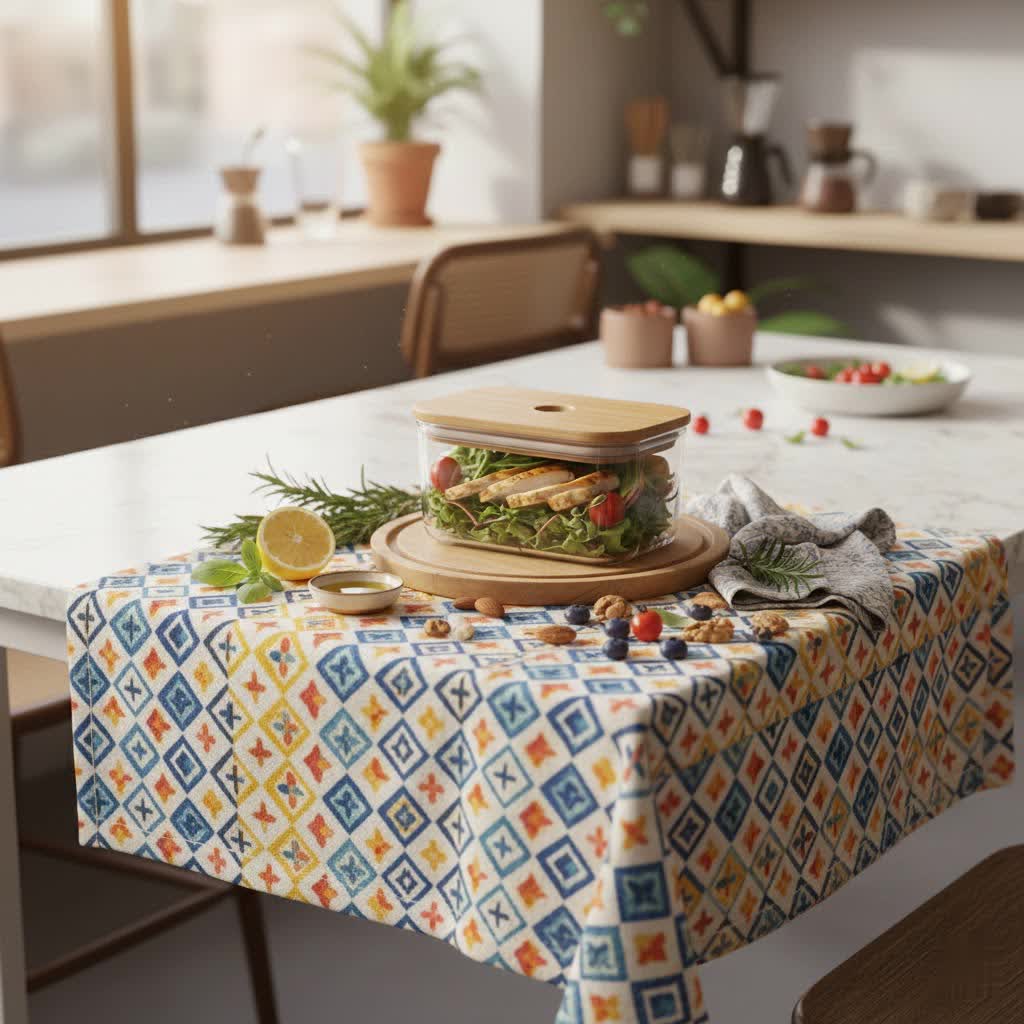
What Are Food Containers? Why Do You Need Them?
Food containers are vessels designed to store various food items, protecting them from external elements, preserving their quality, and extending their shelf life. Their utility goes beyond mere storage, offering a multitude of benefits for every household.
The primary advantage of using food containers is preserving food freshness and preventing spoilage. Airtight seals and durable materials significantly slow down the oxidation process, keeping fruits crisp, vegetables vibrant, and cooked meals delicious for longer. This directly contributes to reducing food waste, a major environmental and economic concern. By properly storing leftovers and ingredients, you minimize what gets thrown away.
Food containers are also indispensable for meal preparation, allowing you to cook in batches and portion meals for the week, saving time and encouraging healthier eating habits. For those on the go, portability and convenience are key benefits; leak-proof containers make it easy to transport lunches, snacks, and drinks without spills. Furthermore, investing in reusable food containers promotes environmental sustainability by reducing reliance on single-use plastics and foils. Ultimately, they help save money by extending food longevity and simplifying meal planning.
Popular Types of Food Containers on the Market
Food containers come in a diverse array of materials, shapes, sizes, and with various features, each suited for different needs. Understanding these categories is the first step to making an informed choice.
By Material
The material of your food container dictates its durability, safety, and suitability for different uses.
- Plastic:
- Pros: Lightweight, affordable, shatter-resistant, often stackable, and widely available in many shapes and sizes. Many modern plastic containers are designed for microwave, freezer, and dishwasher use.
- Cons: Can stain, absorb odors, and may degrade over time. Some plastics contain BPA or other chemicals, which can leach into food, though many brands now offer BPA-free options. Plastic containers might also impart a “plasticky” flavor to food over longer storage periods.
- Safe Plastic Types: Look for plastics labeled with recycling codes 1, 2, 4, or 5, as these generally do not contain PVC, polystyrene, or BPA.
- Glass:
- Pros: Non-porous, meaning it won’t absorb odors or stains, and is easy to clean. Glass containers are often oven-safe (without lids), microwave-safe, freezer-safe, and dishwasher-safe, making them highly versatile. They also offer a clear view of contents.
- Cons: Heavier and more fragile than plastic, prone to chipping or breaking if dropped. Can be more expensive.
- Stainless Steel:
- Pros: Extremely durable, resistant to rust and corrosion, non-toxic, lightweight compared to glass, and excellent for keeping food cold or hot (especially insulated versions). They are also stain and odor resistant.
- Cons: Not microwave-safe, contents are not visible, and generally more expensive.
- Ceramic:
- Pros: Aesthetically pleasing, good for countertop storage, and can be oven-safe. Like glass, it’s non-porous.
- Cons: Heavy, fragile, and typically not airtight for long-term food preservation.
- Silicone:
- Pros: Flexible, lightweight, freezer-safe, microwave-safe, oven-safe, and easy to store when collapsed. Often used for reusable bags and specialty containers.
- Cons: Can sometimes absorb faint odors, may not be as rigid as other materials, and often pricier than basic plastic.
|
Our Picks for the Best Food Container in 2026
As an Amazon Associate I earn from qualifying purchases.
|
||
| Num | Product | Action |
|---|---|---|
| 1 | Rubbermaid Brilliance BPA-Free Food Storage Containers, Medium Deep, 4.7 Cup, 2-Pack, Airtight & Leak-Proof, Microwave & Dishwasher Safe |

|
| 2 | Rubbermaid Brilliance Large Food Storage Container, 9.6 Cup, BPA-Free, Leak-Proof, Clear |
|
| 3 | Bentgo Prep - 20-Piece 1-Compartment Reusable Meal Prep Containers with Lids, PFAS & BPA Free Materials, Durable, Microwave, Freezer, & Dishwasher Safe To Go Food Storage (Mint) |
|
| 4 | 50 Pack (100-Piece) 24 oz Meal Prep Containers Reusable with Lids, Sturdy Leakproof & Food Safe, Microwave, Freezer, Dishwasher Safe Prep Containers, To Go Take Out Plastic Food Storage |
|
| 5 | 50 Pack (100-Piece) 32 oz Meal Prep Containers Reusable with Easy Open Lids, Sturdy Leakproof Food Safe, Microwave Freezer Dishwasher Safe, To Go Take Out Plastic Food Storage Pans with Lids, Black |
|
| 6 | Vtopmart 8 Pack Glass Food Storage Containers with Airtight Lids, Glass Meal Prep Containers, Lunch Office Meal for Microwave, Oven, Freezer and Dishwasher, BPA Free |
|
| 7 | Rubbermaid Brilliance BPA Free Airtight Food Storage Containers with Lids, Set of 4 (4.7 Cup) Ideal for Lunch, Meal Prep, and Leftovers |
|
| 8 | 60 Sets (120-Piece) Deli Containers with Lids, 32/16/8 oz X 20 Set Each, Leak-Proof & BPA Free Airtight Takeout Plastic Food Storage Containers for Soup, Freezer/Microwave/Dishwasher Safe |
|
| 9 | Ankou Airtight Food Storage Container with Pop Lid & 130ml Scoop, 4L/4.2qt *4 BPA-Free Cereal, Rice, Flour, Pasta & Snack Container, Stackable & Durable,Kitchen Pantry Organizer |
|
| 10 | Rubbermaid Brilliance Food Storage Containers BPA Free Airtight Lids Ideal for Lunch Meal Prep & Leftovers Set of 5 (3.2 Cup) |
|
By Shape and Size
The shape and size of food containers significantly impact their utility and how well they fit into your storage spaces.
- Round Containers: Ideal for liquids, soups, or sauces, as their continuous seal can be highly effective against leaks.
- Square/Rectangular Containers: Maximise storage space in fridges, freezers, and pantries, as they pack together efficiently without gaps.
- Compartmentalized Containers: Perfect for meal prepping, keeping different food items separate (e.g., main dish, side, sauce) to prevent mingling of flavors and textures.
- Mini Containers: Great for small portions of snacks, dips, dressings, or baby food.
- Large Containers: Essential for bulk dry goods like flour, rice, pasta, or storing large batches of cooked meals.
By Feature
Many containers come with specialized features that enhance their functionality.
- Airtight/Leak-proof: Essential for preventing spills and keeping food fresh by blocking air and moisture. Look for silicone gaskets and secure locking mechanisms.
- Microwave-Safe: Allows for convenient reheating directly in the container. Always check if the lid is also microwave-safe or if it needs to be vented.
- Freezer-Safe: Designed to withstand freezing temperatures without cracking or warping, ideal for long-term storage.
- Oven-Safe: Primarily applies to glass or ceramic containers, allowing them to go from fridge to oven for reheating or baking. Lids are typically not oven-safe.
- Dishwasher-Safe: Simplifies cleanup. Check if both the container and its lid are top-rack or universally dishwasher-safe.
- Stackable/Nestable: Containers designed to stack neatly when full and nest inside each other when empty help save valuable cabinet space.
- Vented Lids: Some plastic lids include vents for microwaving, preventing steam buildup and splattering.
Comparison Table of Popular Food Container Materials
Choosing between materials often involves balancing priorities like safety, durability, and cost. Here’s a detailed comparison:
| Criteria | Plastic | Glass | Stainless Steel | Ceramic | Silicone (Bags/Lids) |
|---|---|---|---|---|---|
| Durability | Good (shatter-resistant) | Moderate (can chip/break) | Excellent (highly resistant) | Moderate (fragile) | Excellent (flexible, tear-resistant) |
| Heat Resistance | Low to Moderate (microwave-safe) | High (oven, microwave, freezer-safe) | High (freezer-safe, not microwave) | High (oven-safe) | High (oven, microwave, freezer-safe) |
| Chemical Safety | Varies (choose BPA-free) | Excellent (non-leaching) | Excellent (non-leaching) | Excellent (non-leaching) | Excellent (food-grade silicone) |
| Stain/Odor | Prone to staining/absorbing odors | Resistant | Resistant | Resistant | Can absorb faint odors |
| Visibility | Clear (often) | Clear | Opaque | Opaque | Translucent (often) |
| Weight | Lightweight | Heavy | Lightweight to Moderate | Heavy | Very Lightweight |
| Price Range | Low to Moderate | Moderate to High | Moderate to High | Moderate to High | Moderate to High |
| Convenience | Stackable, portable | Versatile, easy to clean | Portable, good for temperature retention | Decorative, good for serving | Flexible, space-saving, versatile |
Guide to Choosing the Right Food Container
Selecting the perfect food container involves considering your specific needs, prioritizing safety, and evaluating practical features.
Determine Your Usage Needs
Before purchasing, think about how you primarily intend to use the containers.
- What type of food will you store? Dry goods (flour, sugar, pasta) may require larger, stackable containers, while liquids or cooked meals need airtight and leak-proof options.
- What capacity do you need? Small containers are ideal for snacks or dressings, medium for individual meals, and large for family-sized portions or bulk ingredients.
- Do you need special features? If you frequently reheat food, microwave-safe and oven-safe options are crucial. For school or office lunches, leak-proof and lightweight designs are preferred. If you need to cool food quickly, shallow containers with more surface area can help, which is better from a food safety standpoint.
Choose Safe Materials
Prioritize health by selecting containers made from safe, non-toxic materials.
- For plastic, always opt for BPA-free products and look for plastics with recycling codes 1, 2, 4, or 5.
- Glass and stainless steel are inherently non-toxic and do not leach chemicals into food, making them excellent choices for long-term storage and reheating.
- Always check for safety certifications if available, which indicate that the product meets certain health and safety standards.
Check Durability and Heat Resistance
A good food container should withstand daily use and varying temperatures.
- Look for thick, sturdy materials that can handle accidental drops and regular washing without cracking or warping.
- Ensure the container’s heat resistance matches your needs. If you plan to use it in the freezer, microwave, or oven, verify its temperature ratings. For instance, oven-safe glass typically has a higher heat tolerance than regular glass.
Consider Practicality
Convenience is key in busy kitchens.
- Lid design is critical: look for lids that seal tightly but are also easy to open and close. Latch-style lids often provide a secure seal. Some containers also feature vented lids for microwave use.
- Stackability and nestability are important for space-saving, both in your storage cabinets and in your fridge.
- Ease of cleaning is paramount. Dishwasher-safe containers and lids save time and effort. Removable silicone gaskets can ensure thorough cleaning, but also mean one more part to clean.
Read User Reviews and Recommendations
Before making a final decision, consult others’ experiences.
- Read reviews on e-commerce sites, specialized kitchenware blogs, and consumer reports. Pay attention to common complaints or praises regarding durability, leak-proof performance, and ease of use.
- Ask friends and family for their recommendations. Personal endorsements can offer valuable insights into long-term satisfaction.
Top 7 Food Container Brands & Types to Consider
Based on extensive testing and user feedback, several brands consistently stand out for their quality, innovation, and reliability.
-
Rubbermaid Brilliance (Plastic & Glass):
- Pros: Known for exceptional airtight and leak-proof seals, crystal-clear appearance (especially the plastic version which resembles glass), and stackable design. The plastic lids often have vents for microwave use. Glass versions are oven-safe.
- Cons: Plastic can sometimes retain faint odors or develop hairline cracks over long-term dishwasher use. Glass versions are heavier.
- Ideal for: Everyday meal prep, storing leftovers, and pantry organization.
-
Pyrex Simply Store (Glass):
- Pros: Durable, shatter-resistant tempered glass, highly versatile (microwave, oven, freezer, dishwasher safe for containers), and non-porous.
- Cons: Lids are plastic and not oven-safe, and some users find them cumbersome to store as they don’t always stack neatly.
- Ideal for: Baking, reheating, and general food storage where glass is preferred.
-
OXO Good Grips POP Containers (Plastic with Silicone Seal):
- Pros: Excellent for dry food storage with unique push-button airtight seal, modular and stackable design, and clear visibility.
- Cons: Primarily for dry goods, some users report silicone gaskets on lids can get grimy and the containers are hand-wash recommended by manufacturer. The taller containers may not fit in all pantries.
- Ideal for: Pantry organization of dry ingredients like flour, sugar, pasta, and cereals.
-
Snapware Total Solution (Plastic & Glass):
- Pros: Features secure four-latch locking lids that are leak-proof, available in both plastic and glass, and come in versatile sets with various sizes. The plastic versions are microwave and freezer safe.
- Cons: Plastic versions can sometimes stain, and the sets may not stack as neatly as some competitors.
- Ideal for: Versatile everyday use, from meal prep to storing leftovers.
-
Stasher (Silicone Bags):
- Pros: Reusable, flexible, platinum-grade silicone bags that are incredibly versatile (freezer, microwave, oven, dishwasher safe). Excellent for snacks, sous-vide, and marinating.
- Cons: Can be expensive per piece, and may not be ideal for highly structured storage needs.
- Ideal for: Eco-conscious individuals, snack storage, marinades, and specialized cooking methods.
-
Cambro Containers (Plastic):
- Pros: Chef-approved, highly durable, compact, and often used in professional kitchens. Freezer and dishwasher safe, can withstand a wide temperature range.
- Cons: Not always leak-proof for liquids when jostled, basic aesthetic, and may only come in larger sizes or multi-piece sets.
- Ideal for: Bulk storage of dry goods, brining, or as an alternative to mixing bowls.
-
Le Creuset Stoneware Canisters with Wood Lids (Ceramic):
- Pros: Beautiful, premium design suitable for countertop display. Easy to open and clean, and won’t impart off-flavors.
- Cons: Not airtight, more expensive, and wooden lids require hand-washing. Not suitable for rigorous transport.
- Ideal for: Stylish countertop storage of flour, sugar, or utensils, where airtightness is less critical.
Tips for Using and Maintaining Food Containers
Proper care and usage will extend the life of your food containers and ensure food safety.
How to Clean Food Containers Properly
The cleaning method depends on the material:
- Plastic: Most plastic containers are dishwasher-safe (top rack recommended). For stubborn stains or odors, a mixture of baking soda and warm water can help.
- Glass: Glass is generally dishwasher-safe. For tough, dried-on food, soaking in warm, soapy water before washing is effective.
- Stainless Steel: Hand wash with warm, soapy water or place in the dishwasher. Avoid abrasive scrubbers that can scratch the surface.
- Ceramic: Hand wash carefully or follow manufacturer’s instructions for dishwasher safety.
- Silicone: Dishwasher-safe. If odors persist, soak in a vinegar solution or bake briefly in a low oven (check manufacturer guidelines).
How to Remove Odors from Food Containers
Plastic containers are notorious for retaining odors. Here are a few tricks:
- Baking Soda Paste: Mix baking soda with a little water to form a paste, spread it inside the container, and let it sit for a few hours or overnight before washing.
- Lemon and Salt: Rub the inside with half a lemon and some salt, then rinse.
- Sunlight: Place clean, open containers in direct sunlight for a few hours. The UV rays can help neutralize odors.
- Charcoal: Place a piece of activated charcoal inside the container for a day or two.
- Newspaper: Crumple up newspaper and place it inside the container with the lid on for a few days.
How to Store Food Containers to Extend Their Lifespan
- Stack and Nest Wisely: Many containers are designed to stack when full and nest when empty to save space. Avoid forcing non-nesting containers, which can cause damage.
- Store Lids Separately or Neatly: Some sets have lids that snap onto the bottom of containers or neatly stack. Store them organized to prevent lost lids and maximize cabinet space.
- Avoid Extreme Temperature Changes: While many are temperature-safe, rapid changes (e.g., hot food into a cold freezer immediately) can sometimes stress materials, especially glass. Allow hot food to cool slightly before sealing and refrigerating. Shallow containers can help food cool faster, which is better from a food safety standpoint.
What to Avoid When Using Food Containers
- Do not microwave plastic containers without venting the lid, as pressure can build up. If plastic is not microwave-safe, avoid heating food in it, as chemicals can leach into food.
- Avoid using abrasive sponges or harsh chemicals that can scratch surfaces or degrade seals, especially on plastic.
- Do not overfill containers, particularly with liquids, to prevent leaks and ensure a proper seal.
- Avoid using glass containers with visible chips or cracks, as they can further shatter and contaminate food.
- Ensure food is cooled within two hours before refrigerating, as cold temperatures slow bacterial growth.
> “Glass is not permeable, will not absorb flavors or stain, is easy to clean, and you can cook with it.” – Mitzi Baum, CEO of Stop Foodborne Illness.
Conclusion
Choosing the best food storage containers is an investment in your kitchen’s efficiency, your health, and the environment. Whether you prioritize the non-toxic versatility of glass, the lightweight convenience of BPA-free plastic, or the durability of stainless steel, a well-chosen set will keep your food fresh, your pantry organized, and your meal prep effortless. Remember to consider your specific needs, check material safety, and evaluate practical features like airtight seals and ease of cleaning.
What aspect of food storage do you find most challenging in your daily routine?
Frequently Asked Questions
Are plastic food storage containers safe?
Yes, many plastic food storage containers are safe, especially those labeled BPA-free and made from plastics with recycling codes 1, 2, 4, or 5. These types generally do not contain harmful chemicals like polyvinyl chloride (PVC) or polystyrene, which can potentially leach into food. Always check manufacturer labels for safety information.
Can I put hot food directly into a glass food container?
It’s generally recommended to let hot food cool down slightly before placing it into glass containers, especially if they are going directly into the refrigerator or freezer. While most tempered glass is thermal shock resistant, extreme and rapid temperature changes can still cause it to crack or break.
How do I prevent food containers from leaking?
To prevent leaks, look for containers with secure locking lids and silicone gaskets. These features create an airtight and watertight seal, crucial for storing liquids or transporting meals. Always ensure the lid is properly aligned and latched on all sides.
What’s the best way to store dry goods like flour and sugar?
For dry goods, airtight containers made from plastic (like OXO POP containers) or glass are ideal. They protect against moisture, pests, and air exposure, which helps maintain freshness. Choose containers with wide mouths for easy scooping and consider modular designs for efficient pantry organization.
How often should I replace my food storage containers?
The lifespan of food containers varies by material and usage. Plastic containers may need replacement if they become stained, scratched, warped, or develop hairline cracks, as these can harbor bacteria or compromise the seal. Glass and stainless steel containers are much more durable and often last for many years if not broken or dented.
Are all food container lids microwave-safe?
No, not all food container lids are microwave-safe. While many plastic container bases can be microwaved, their lids often contain materials that are not meant for high heat, or they need to be vented to prevent pressure buildup. Always check the manufacturer’s instructions for both the container and its lid before microwaving.
