In today’s fast-paced world, keeping our kitchens organized and our food fresh is more important than ever. Whether you’re a seasoned meal prepper or simply looking to minimize food waste and reclaim your refrigerator space, the right fridge food storage containers are indispensable. These versatile tools go beyond mere leftover holders; they are key to maintaining the quality, safety, and flavor of your culinary creations, transforming your fridge from chaotic to meticulously organized.
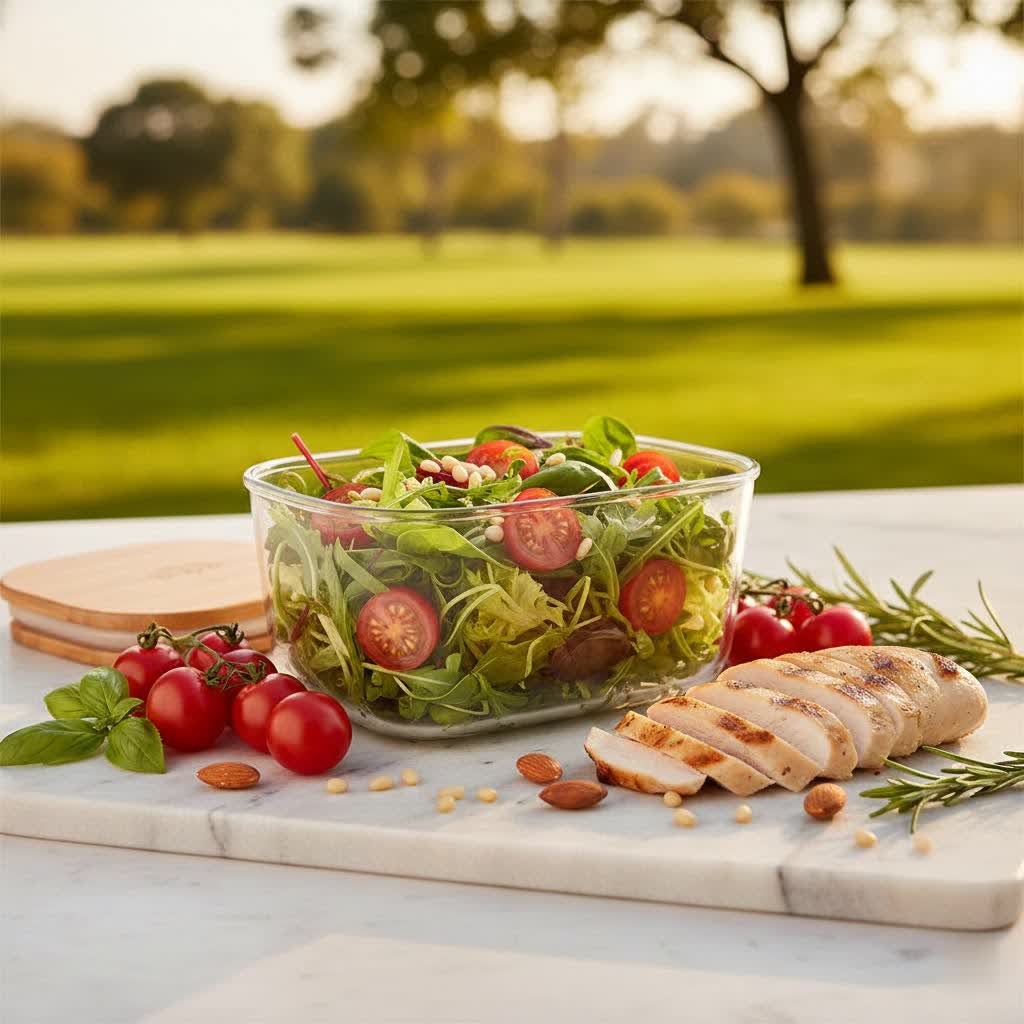
What Are Fridge Food Storage Containers and Why Do You Need Them?
Fridge food storage containers are specially designed receptacles used to store various food items in your refrigerator, keeping them fresh and organized. They come in an array of materials, shapes, and sizes, each offering unique benefits to suit different needs.
The advantages of integrating high-quality food storage containers into your daily routine are numerous:
- Preserve Food Freshness: Airtight seals are paramount, blocking out air and moisture that cause food to spoil quickly, maintaining texture, taste, and nutritional value.
- Convenience and Meal Prep: They are essential for preparing meals in advance, portioning snacks, and easily transporting lunches, simplifying busy lifestyles.
- Environmental Responsibility: Reusable containers reduce the need for single-use plastics and foils, contributing to a more sustainable kitchen.
- Cost Savings: By extending the shelf life of leftovers and fresh ingredients, you significantly cut down on food waste and grocery bills.
- Organization and Space Efficiency: Stackable designs and uniform shapes help declutter your fridge, making it easier to see what you have and prevent food from being forgotten.
Popular Types of Fridge Food Storage Containers
Understanding the different types available is the first step to choosing what’s best for your home.
By Material
The material of your food container impacts its durability, safety, and how you can use it.
- Plastic:
- Pros: Lightweight, affordable, shatter-resistant, and often stackable. Many are microwave, freezer, and dishwasher-safe.
- Cons: Can absorb odors and stains, especially from highly pigmented foods like tomato sauce. Safety concerns exist around certain plastics, though many are now BPA-free. Always look for food-grade plastic marked with numbers 1, 2, 4, or 5.
- Glass:
- Pros: Non-porous, meaning it won’t absorb stains or odors. It’s chemical-free, highly durable, and safe for microwave, oven (without lid), freezer, and dishwasher use. Transparency allows for easy content identification.
- Cons: Heavier and more fragile than plastic, making it less ideal for transport.
- Stainless Steel:
- Pros: Extremely durable, non-reactive, and resistant to stains and odors. Excellent for cold storage and perfect for those avoiding plastic.
- Cons: Not microwave-safe and opaque, so you can’t see the contents without opening. Can be heavier than plastic.
- Ceramic:
- Pros: Non-reactive and can go from fridge to table elegantly. Often microwave and dishwasher safe.
- Cons: Breakable, heavy, and can be more expensive. Less common for everyday fridge storage due to weight and opacity.
- Silicone:
- Pros: Flexible, lightweight, durable, and non-toxic. Can withstand extreme temperatures, making it safe for freezer, microwave, and oven use. Great for space-saving as some are collapsible.
- Cons: Can sometimes absorb oily smells or stains, though less so than plastic. Less rigid than glass or plastic containers.
|
Our Picks for the Best Food Container in 2026
As an Amazon Associate I earn from qualifying purchases.
|
||
| Num | Product | Action |
|---|---|---|
| 1 | Ankou Airtight Food Storage Container with Pop Lid & 130ml Scoop, 4L/4.2qt *4 BPA-Free Cereal, Rice, Flour, Pasta & Snack Container, Stackable & Durable,Kitchen Pantry Organizer |

|
| 2 | 50 Pack (100-Piece) 24 oz Meal Prep Containers Reusable with Lids, Sturdy Leakproof & Food Safe, Microwave, Freezer, Dishwasher Safe Prep Containers, To Go Take Out Plastic Food Storage |
|
| 3 | Rubbermaid Brilliance BPA Free Airtight Food Storage Containers with Lids, Set of 4 (4.7 Cup) Ideal for Lunch, Meal Prep, and Leftovers |
|
| 4 | Rubbermaid Brilliance Large Food Storage Container, 9.6 Cup, BPA-Free, Leak-Proof, Clear |
|
| 5 | Bentgo Prep - 20-Piece 1-Compartment Reusable Meal Prep Containers with Lids, PFAS & BPA Free Materials, Durable, Microwave, Freezer, & Dishwasher Safe To Go Food Storage (Mint) |
|
| 6 | 60 Sets (120-Piece) Deli Containers with Lids, 32/16/8 oz X 20 Set Each, Leak-Proof & BPA Free Airtight Takeout Plastic Food Storage Containers for Soup, Freezer/Microwave/Dishwasher Safe |
|
| 7 | Rubbermaid Brilliance BPA-Free Food Storage Containers, Medium Deep, 4.7 Cup, 2-Pack, Airtight & Leak-Proof, Microwave & Dishwasher Safe |
|
| 8 | 50 Pack (100-Piece) 32 oz Meal Prep Containers Reusable with Easy Open Lids, Sturdy Leakproof Food Safe, Microwave Freezer Dishwasher Safe, To Go Take Out Plastic Food Storage Pans with Lids, Black |
|
| 9 | Vtopmart 8 Pack Glass Food Storage Containers with Airtight Lids, Glass Meal Prep Containers, Lunch Office Meal for Microwave, Oven, Freezer and Dishwasher, BPA Free |
|
| 10 | Rubbermaid Brilliance Food Storage Containers BPA Free Airtight Lids Ideal for Lunch Meal Prep & Leftovers Set of 5 (3.2 Cup) |
|
By Shape and Size
The shape and size of your containers play a crucial role in optimizing fridge space and accommodating different food types.
- Round: Good for liquids and sauces, but less space-efficient in rectangular fridges.
- Square: Excellent for maximizing space and stacking neatly.
- Rectangular: Similar to square, these are highly efficient for fridge and pantry organization, fitting snugly side-by-side.
- Divided: Ideal for meal prepping, keeping different food components separate within one container.
- Mini: Perfect for small portions, sauces, dressings, or half-cut fruits.
- Large: Suited for bulk ingredients, large leftovers, or family-sized meals.
By Feature
Modern food containers come with specialized features to enhance their utility.
- Insulated: Designed to maintain food temperature for longer, whether hot or cold, though more common for lunchboxes than standard fridge use.
- Leak-Proof: Essential for transporting liquids like soups or stews, often featuring silicone gaskets and strong locking mechanisms.
- Vented: Lids with vents allow steam to escape during microwave reheating, preventing pressure buildup and splatters.
- Microwave-Safe: Materials that can safely be heated in a microwave without leaching chemicals or warping.
- Dishwasher-Safe: Containers that can withstand the high temperatures and detergents of a dishwasher for easy cleaning.
Comparing Fridge Food Storage Containers: A Detailed Look
Here’s a comparison of the most popular materials for fridge food storage containers:
| Feature | Plastic (BPA-free) | Glass | Stainless Steel | Silicone |
|---|---|---|---|---|
| Durability | Good, shatter-resistant | Excellent, but breakable | Excellent, highly durable | Excellent, flexible, and resilient |
| Temperature Resistance | Moderate (fridge, freezer, microwave safe with vents) | High (fridge, freezer, oven, microwave safe) | Cold storage, oven safe (not microwave) | High (fridge, freezer, oven, microwave safe) |
| Health Safety | Good (BPA-free, food-grade) | Excellent (non-reactive) | Excellent (non-reactive) | Excellent (non-toxic, flexible) |
| Odor/Stain Resistance | Poor to Moderate | Excellent | Excellent | Moderate to Good |
| Transparency | High | High | None | Translucent to Opaque |
| Weight | Lightweight | Heavy | Moderate | Lightweight |
| Price | Affordable | Moderate to High | Moderate to High | Moderate to High |
| Convenience | Portable, stackable | Versatile, easy to clean | Ideal for specific uses, durable | Collapsible, versatile |
Guide to Choosing the Right Fridge Food Storage Containers
Selecting the perfect food storage containers for your fridge doesn’t have to be overwhelming. Consider these factors to make an informed decision:
Assess Your Needs
Start by thinking about how you’ll primarily use the containers.
- What type of food will you store? Dry goods, liquids, meal preps, cut fruits, or leftovers? This will influence the required seal and material.
- What capacity do you need? A variety of sizes is typically best—small for sauces, medium for individual meals, and large for family portions.
- Do you need special features? If you microwave leftovers frequently, opt for microwave-safe containers. For travel, leak-proof designs are a must.
Prioritize Safe Materials
Your health should always come first.
- BPA-free plastic: If choosing plastic, always verify it’s BPA-free and designated as food-grade (often marked with recycling symbols 1, 2, 4, or 5).
- Borosilicate glass: Known for its thermal shock resistance, making it safer to move between fridge and oven/microwave.
- 304 stainless steel: A high-quality grade that ensures durability and safety.
> “Always check for certifications like BPA-free or FDA/LFGB compliance, especially when buying plastic containers. Safety should never be an afterthought.” – Admin, reviewccus.com, Kitchenware Expert
Evaluate Durability and Temperature Resistance
Look for containers that can withstand the demands of daily use.
- Thick, sturdy materials: These are less prone to cracking, warping, or breaking.
- Temperature adaptability: Ensure containers are freezer-safe if you plan to freeze food, and microwave/oven-safe if reheating is a common practice.
Consider Practicality and Convenience
Ease of use and maintenance greatly impact how often you’ll reach for your containers.
- Airtight lids: A secure seal is crucial for freshness. Look for reliable snap-on designs or silicone gaskets.
- Stackability: Containers that nest or stack efficiently save valuable fridge and cabinet space. Square and rectangular shapes are often the most space-saving.
- Ease of cleaning: Dishwasher-safe containers save time and effort. Non-porous materials like glass and stainless steel are easier to clean and resist odors.
Read User Reviews
Before committing to a purchase, take time to read what other users have to say. Reviews on e-commerce sites, forums, and expert review sites like Good Housekeeping or The Spruce Eats can provide valuable insights into real-world performance, durability, and common issues.
Top 3 Fridge Food Storage Containers Loved by Users
Based on extensive testing and user feedback, here are some top picks that consistently deliver on performance, durability, and convenience:
-
Rubbermaid Brilliance Food Storage Containers (Glass or Plastic)
- Description: Known for their crystal-clear clarity, incredibly airtight seals, and stackable design. Available in both durable BPA-free plastic and stain-resistant glass. The plastic versions are lightweight and sturdy, while the glass versions are oven-safe.
- Pros: Exceptional leak-proof seal, transparent for easy visibility, stackable, microwave and freezer safe. Glass version is oven-safe and stain-resistant.
- Cons: Lids can be somewhat bulky for storage. Plastic version may show faint stains over time with highly pigmented foods.
-
Pyrex Simply Store Glass Food Storage Container Set
- Description: A classic choice, these containers are made from durable tempered glass, renowned for their versatility and resistance to thermal shock. They come with secure-fitting plastic lids.
- Pros: Extremely durable glass, safe for microwave, freezer, oven (without lid), and dishwasher. Resists stains and odors effectively.
- Cons: Glass is heavy and can break if dropped. Lids are plastic and not oven-safe.
-
OXO Good Grips Smart Seal Glass Container Set
- Description: This set features sturdy glass containers with silicone-lined, click-lock lids that create a secure, leak-proof seal. They offer a great balance of durability and practicality.
- Pros: High-quality glass, excellent airtight and leak-proof seal with easy-to-use locking tabs. Versatile for fridge, freezer, microwave (without lid), and dishwasher.
- Cons: Can be pricier than some basic sets.
Tips for Using and Maintaining Your Fridge Food Storage Containers
To ensure your containers last for years and keep your food in optimal condition, follow these simple tips:
- Proper Cleaning:
- Glass and Stainless Steel: Wash with mild detergent and a soft sponge. These are generally dishwasher safe.
- Plastic: Hand wash lids to preserve their seal and avoid abrasive pads. Most plastic containers are top-rack dishwasher safe.
- Silicone: For odors, soak in warm water with baking soda, or rub with half a lemon and salt before washing.
- Odor Removal: For stubborn odors in plastic or silicone, soak them in a mixture of warm water and white vinegar, or place them outside in direct sunlight for a few hours. A crumpled piece of newspaper left overnight can also absorb smells.
- Extending Lifespan:
- Avoid using sharp utensils directly in containers to prevent scratches.
- Allow hot food to cool slightly before sealing and placing in the fridge to prevent condensation and steam buildup.
- Don’t overfill containers, especially if freezing, as liquids expand when frozen.
- Things to Avoid:
- Do not microwave metal containers.
- Avoid extreme temperature changes for glass unless it’s borosilicate glass, and even then, be cautious.
- Don’t use abrasive cleaners or scourers on plastic or silicone, as this can damage the surface and make them more prone to staining and odor absorption.
Conclusion
Investing in the right fridge food storage containers is an investment in your health, your wallet, and the efficiency of your kitchen. By selecting containers made from safe, durable materials like BPA-free plastic, glass, or stainless steel, and considering features like airtight seals and stackable designs, you can significantly extend the freshness of your food, streamline meal prep, and maintain a beautifully organized refrigerator. With the perfect set of containers, you’re not just storing food; you’re preserving flavor, reducing waste, and simplifying your culinary life. What type of food container will revolutionize your kitchen organization?
Frequently Asked Questions
Are plastic food storage containers safe for the fridge?
Yes, most modern plastic food storage containers are safe for fridge use, especially those labeled BPA-free and made from food-grade plastics (typically marked with recycling symbols 1, 2, 4, or 5). These are designed not to leach harmful chemicals into food under cold temperatures.
How do I prevent food containers from staining?
To prevent staining, especially in plastic containers, rinse them immediately after use, particularly after storing highly pigmented foods like tomato sauce or curry. For stubborn stains, try soaking with baking soda and water or wiping with a lemon slice. Glass and stainless steel naturally resist staining.
Can I put hot food directly into fridge food storage containers?
While many containers can handle temperature changes, it’s generally best to let hot food cool down to room temperature before sealing and placing it in the fridge. This prevents condensation buildup, which can lead to bacterial growth, and helps the fridge maintain its overall temperature.
What are the best shapes for maximizing fridge space?
Square and rectangular food storage containers are typically the most efficient shapes for maximizing fridge space. Their straight sides allow them to fit snugly against each other without creating wasted gaps, and they are usually designed to stack neatly, further optimizing vertical space.
