Are you tired of tossing out wilted produce, stale snacks, or leftovers that lost their appeal too quickly? In a world where food waste is a growing concern and busy schedules demand efficient meal solutions, the humble airtight food storage container emerges as an indispensable kitchen hero. These ingenious containers are designed to protect your food from the elements, locking in freshness and flavor while keeping unwanted guests like pests and odors at bay. Whether you’re a seasoned home cook, a meal-prepping enthusiast, or simply someone looking to streamline their pantry, understanding the nuances of airtight storage can revolutionize your kitchen habits and save you money in the long run.
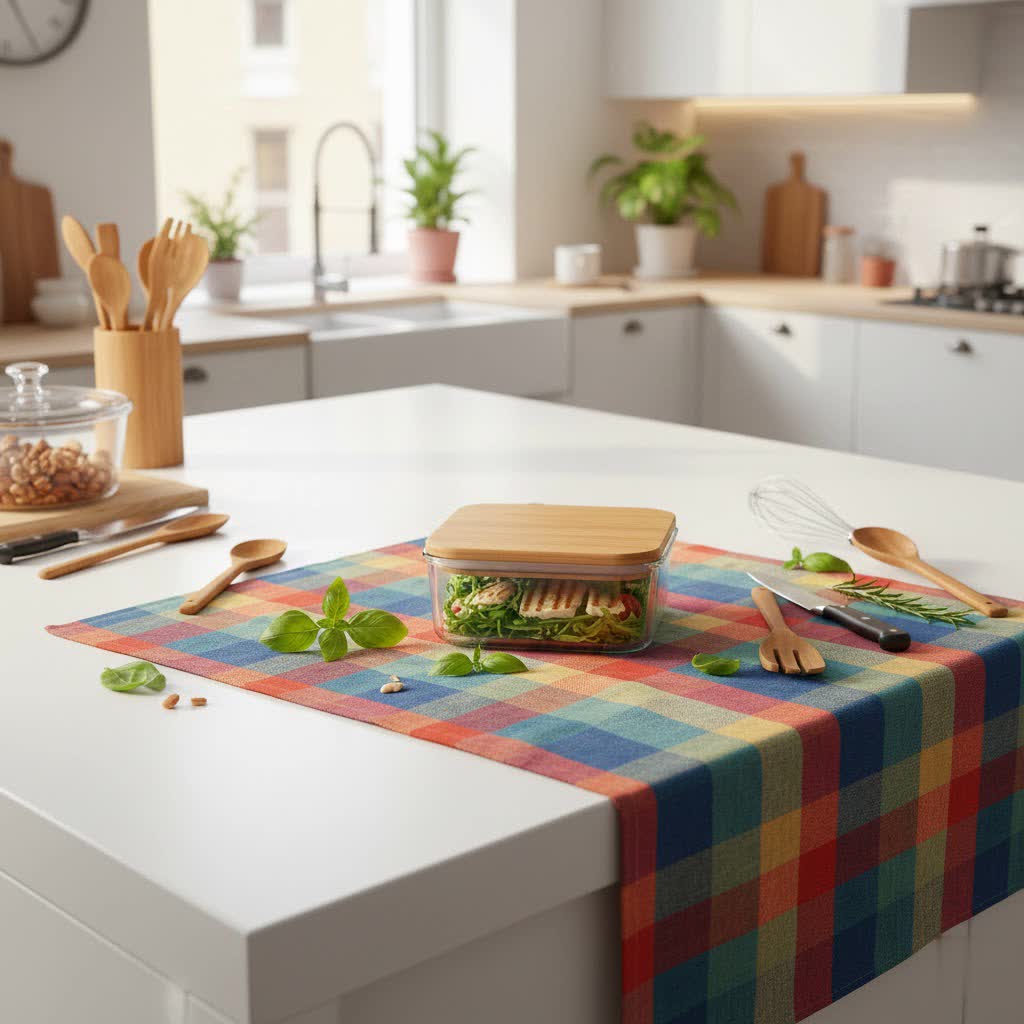
What is an Airtight Food Storage Container and Why Do You Need One?
An airtight food storage container is precisely what its name implies: a vessel designed with a seal that prevents air and moisture from entering or escaping. This barrier is critical for preserving the quality and longevity of your food. By creating a sealed environment, these containers significantly slow down the natural processes that lead to spoilage, such as oxidation and dehydration.
The benefits of incorporating airtight food storage into your daily routine are manifold:
- Preserves Freshness and Flavor: Air and moisture are the primary culprits behind food losing its crispness, texture, and taste. Airtight seals keep your ingredients and cooked meals vibrant and delicious for longer.
- Prevents Moisture and Humidity Damage: Especially in humid climates, dry goods like crackers, cereals, and spices can quickly become stale or clumpy. Airtight containers shield them from excess moisture.
- Deters Pests and Contamination: A secure seal acts as an impenetrable barrier against insects, rodents, and other pantry pests, ensuring your food remains hygienic and safe.
- Prevents Odor Mixing: Nobody wants their dessert smelling of last night’s garlic-heavy curry. Airtight containers contain strong odors, keeping your fridge and pantry smelling fresh and preventing flavor transfer.
- Enhances Organization and Saves Space: Many airtight containers feature stackable and modular designs, allowing for efficient use of space in your pantry, refrigerator, and cabinets, making your kitchen more organized and functional.
- Maintains Nutritional Value: Limiting exposure to air helps to retain essential nutrients like vitamins and antioxidants that can degrade quickly when exposed to oxygen.
- Reduces Food Waste and Saves Money: By extending the shelf life of your groceries, airtight containers directly contribute to reducing food waste, which in turn saves you money on your weekly grocery bill.
Popular Types of Airtight Food Storage Containers
Airtight food storage containers come in a diverse range of materials, shapes, and features, each offering unique advantages for different storage needs.
By Material
The material of your food container is a crucial factor, impacting its durability, safety, and suitability for various uses.
- Plastic:
- Pros: Lightweight, affordable, shatter-resistant, and widely available in many shapes and sizes. Many modern plastic containers are designed to be stackable for easy organization.
- Cons: Can sometimes absorb odors or stains from certain foods, and some types may warp in high heat. It’s essential to choose high-quality, BPA-free plastics for health safety.
- Glass:
- Pros: Highly durable, non-porous (meaning no odor or stain absorption), transparent for easy visibility, and safe for use in microwaves, ovens (without lids), and dishwashers. Glass is also considered a more eco-friendly option as it’s endlessly recyclable.
- Cons: Heavier and more fragile than plastic, making them susceptible to breaking if dropped.
- Stainless Steel:
- Pros: Extremely durable, rust-resistant, lightweight compared to glass, and excellent for long-term pantry storage or keeping food warm/cold for a period due to its insulating properties. It does not absorb odors or leach chemicals.
- Cons: Opaque, so contents are not visible, and generally not microwave-safe. Can be more expensive than plastic.
- Ceramic:
- Pros: Often aesthetically pleasing, great for countertop display, and does not absorb odors or stains. Some ceramic containers are oven and microwave safe.
- Cons: Very heavy and fragile, making them prone to chipping or breaking. Typically opaque, limiting visibility of contents.
- Silicone:
- Pros: Flexible, lightweight, freezer-safe, oven-safe, and often collapsible for space-saving storage when empty. Non-toxic and doesn’t leach chemicals.
- Cons: Can sometimes absorb oily odors over time, and the seals might not always be as robust as rigid materials for extremely long-term storage.
|
Our Picks for the Best Food Container in 2026
As an Amazon Associate I earn from qualifying purchases.
|
||
| Num | Product | Action |
|---|---|---|
| 1 | Rubbermaid Brilliance Food Storage Containers BPA Free Airtight Lids Ideal for Lunch Meal Prep & Leftovers Set of 5 (3.2 Cup) |

|
| 2 | Rubbermaid Brilliance Large Food Storage Container, 9.6 Cup, BPA-Free, Leak-Proof, Clear |
|
| 3 | Bentgo Prep - 20-Piece 1-Compartment Reusable Meal Prep Containers with Lids, PFAS & BPA Free Materials, Durable, Microwave, Freezer, & Dishwasher Safe To Go Food Storage (Mint) |
|
| 4 | 50 Pack (100-Piece) 24 oz Meal Prep Containers Reusable with Lids, Sturdy Leakproof & Food Safe, Microwave, Freezer, Dishwasher Safe Prep Containers, To Go Take Out Plastic Food Storage |
|
| 5 | 60 Sets (120-Piece) Deli Containers with Lids, 32/16/8 oz X 20 Set Each, Leak-Proof & BPA Free Airtight Takeout Plastic Food Storage Containers for Soup, Freezer/Microwave/Dishwasher Safe |
|
| 6 | 50 Pack (100-Piece) 32 oz Meal Prep Containers Reusable with Easy Open Lids, Sturdy Leakproof Food Safe, Microwave Freezer Dishwasher Safe, To Go Take Out Plastic Food Storage Pans with Lids, Black |
|
| 7 | Rubbermaid Brilliance BPA-Free Food Storage Containers, Medium Deep, 4.7 Cup, 2-Pack, Airtight & Leak-Proof, Microwave & Dishwasher Safe |
|
| 8 | Ankou Airtight Food Storage Container with Pop Lid & 130ml Scoop, 4L/4.2qt *4 BPA-Free Cereal, Rice, Flour, Pasta & Snack Container, Stackable & Durable,Kitchen Pantry Organizer |
|
| 9 | Rubbermaid Brilliance BPA Free Airtight Food Storage Containers with Lids, Set of 4 (4.7 Cup) Ideal for Lunch, Meal Prep, and Leftovers |
|
| 10 | Vtopmart 8 Pack Glass Food Storage Containers with Airtight Lids, Glass Meal Prep Containers, Lunch Office Meal for Microwave, Oven, Freezer and Dishwasher, BPA Free |
|
By Shape and Size
The shape and size of your containers directly impact storage efficiency and how you use them.
- Round Containers: Ideal for storing soups, stews, and other liquids, though they can be less space-efficient when packed side-by-side.
- Square Containers: Excellent for maximizing space in pantries and refrigerators as they fit snugly together without gaps. Often preferred for dry goods and meal prepping.
- Rectangular Containers: Similar to square, these are highly space-efficient and versatile for various foods, from pasta to roasted vegetables.
- Compartmented Containers: Feature built-in dividers, perfect for packing lunches with different food items that you want to keep separate, such as a main dish and a side salad.
- Mini Containers: Small capacities are great for snacks, sauces, salad dressings, or individual portions of condiments.
- Large Containers: High capacities are ideal for bulk dry goods like flour, sugar, rice, or cereal, as well as large batches of cooked meals or produce.
By Feature
Beyond material and shape, certain features enhance the functionality of airtight containers.
- Insulated (Heat-Retaining) Containers: Often made of stainless steel with double-wall vacuum insulation, these are designed to keep food hot or cold for several hours, perfect for packed lunches or picnics.
- Leak-Proof Containers: Essential for transporting liquids or moist foods, these containers have extra-secure seals to prevent spills, often relying on silicone gaskets and strong latches.
- Vented Containers: Some containers feature small vents on the lid, allowing for steam release when microwaving, or for specific food preservation needs.
- Microwave-Safe Containers: Clearly labeled containers that can withstand microwave temperatures without warping or leaching chemicals. Glass and certain BPA-free plastics are common.
- Dishwasher-Safe Containers: Most modern containers are designed for easy cleaning in a dishwasher, but always check manufacturer instructions to prevent damage to material or seals.
Comparing Different Airtight Food Storage Container Types
Choosing the best container often comes down to balancing material properties with your specific needs. Here’s a comparative overview:
| Feature | Plastic | Glass | Stainless Steel | Ceramic | Silicone |
|---|---|---|---|---|---|
| Material | Polypropylene (PP), Tritan, PET | Borosilicate, Tempered Soda Lime | Food-grade Stainless Steel (e.g., 304) | Stoneware, Porcelain | Food-grade Silicone |
| Durability | Lightweight, shatter-resistant | Durable, but breakable if dropped | Highly durable, dent-resistant | Fragile, chips/breaks easily | Flexible, highly durable, unbreakable |
| Heat Resistance | Varies (check for microwave/freezer safe) | High (oven, microwave, freezer safe) | Varies (not microwave safe) | High (oven, microwave safe) | High (oven, microwave, freezer safe) |
| Health Safety | Choose BPA-free; potential for leaching | Non-reactive, no leaching | Non-reactive, no leaching | Non-reactive, no leaching | Non-reactive, no leaching |
| Visibility | Often clear | Always clear | Opaque | Opaque (often decorative) | Often translucent, or opaque for some |
| Odor/Stain Absorp. | Can absorb over time | No absorption | No absorption | No absorption | Can absorb oils/odors over time |
| Price | Low to moderate | Moderate to high | Moderate to high | Moderate to high | Moderate |
| Convenience | Lightweight, stackable, versatile | Easy to clean, reheat, good for meal prep | Great for pantry, good insulation | Aesthetic, good for dry goods | Collapsible, versatile, travel-friendly |
How to Choose the Right Airtight Food Storage Container
With so many options available, selecting the perfect airtight food storage container can seem daunting. Consider these factors to make an informed decision:
Assess Your Storage Needs
Start by defining what you’ll primarily use the containers for.
- What type of food will you store? Dry goods (flour, rice, cereal) might benefit from large, clear plastic or stainless steel containers. Leftovers or meal prep could use glass for easy reheating. Liquids require truly leak-proof seals.
- What capacity do you need? Consider quantities. Do you buy in bulk, or need small containers for snacks and sauces?
- Do you need special features? Will you be microwaving, freezing, or carrying liquids on the go? This will dictate features like microwave-safety, freezer-safety, or leak-proof designs.
Prioritize Safe Materials
Your health is paramount.
- BPA-free Plastic: If choosing plastic, always ensure it is labeled “BPA-free” and preferably made from materials like polypropylene (PP) or Tritan, known for better safety profiles.
- Tempered Glass: This is a safe and highly recommended option due to its inert nature; it won’t leach chemicals into your food.
- Food-Grade Stainless Steel (e.g., 304): A durable and safe choice, especially for dry goods and pantry items, as it is non-reactive.
Evaluate Durability and Heat Resistance
A good container should withstand the rigors of daily kitchen use.
- Sturdy Construction: Look for containers made from thick, robust materials that can handle accidental bumps or drops without breaking or cracking.
- Temperature Compatibility: Check if containers are safe for the dishwasher, microwave, oven (lids usually excluded), and freezer. This versatility adds significant value.
Consider Convenience Features
Practicality in use and maintenance is key.
- Lid Design and Seal: A reliable airtight seal is crucial. Look for lids with strong latching mechanisms, silicone gaskets, or vacuum-sealing systems. Test the seal at home by filling with water, closing tightly, and shaking; no leaks mean a good seal. The lid should be easy to open and close, yet secure.
- Stackability and Nesting: For efficient storage, opt for containers that can stack neatly when full and nest within each other when empty. This maximizes cupboard or pantry space.
- Ease of Cleaning: Dishwasher-safe containers save time and effort. For hand-wash items, ensure they have wide openings and smooth interiors that are easy to scrub.
Read User Reviews and Certifications
Leverage the experiences of other consumers.
- Customer Feedback: Online reviews can provide valuable insights into real-world performance, durability, and common issues.
- Safety Certifications: Look for certifications that indicate food safety compliance, especially for plastics.
Top-Rated Airtight Food Storage Containers
While specific product availability can vary, several brands consistently receive high praise for their airtight food storage solutions. Options like Rubbermaid Brilliance are often lauded for their secure, leak-proof latches, clear design, and stackability. For glass enthusiasts, Pyrex Snapware Total Solution and Le’raze Glass Kitchen Canisters are popular for their versatility and durability. Brands like OXO Good Grips POP Containers are favored for dry goods due to their unique push-button airtight seal and modular design, perfect for pantry organization. Stainless steel options are also well-regarded for their robustness and eco-friendliness.
Tips for Using and Maintaining Your Airtight Food Storage Containers
Proper use and care will extend the life of your containers and ensure your food remains fresh and safe.
- Clean Regularly and Properly: Always wash containers thoroughly after each use. Most plastic and glass containers are dishwasher safe, but always check manufacturer instructions. For hand-washing, use warm soapy water and a soft sponge to avoid scratches, especially on plastic.
- Deodorize Naturally: If containers absorb odors (common with strong-smelling foods like garlic or curry), try soaking them in a solution of baking soda and water, or placing crumpled newspaper inside for a few days. Lemon rinds can also help.
- Ensure Dryness Before Storing: Always make sure your containers are completely dry before sealing and storing food to prevent moisture build-up and potential mold growth.
- Leave Headspace for Freezing: When freezing liquids or foods with high water content, leave a small amount of headspace to allow for expansion, preventing cracking.
- Avoid Extreme Temperature Changes: While many glass containers are temperature resistant, avoid moving them directly from extreme cold to extreme heat to prevent thermal shock, which can cause cracking.
- Inspect Seals Periodically: Over time, silicone gaskets can wear out or become dislodged. Check them regularly for damage and ensure they are properly seated to maintain an airtight seal. Replace containers if seals are compromised.
“Investing in quality airtight food storage is more than just buying containers; it’s investing in food safety, freshness, and a more organized, sustainable kitchen.”
Conclusion
Airtight food storage containers are a cornerstone of an efficient, healthy, and waste-conscious kitchen. From preserving the delicate flavors of your home-cooked meals to safeguarding your pantry staples from moisture and pests, their value is undeniable. By thoughtfully considering materials, understanding your specific storage needs, and prioritizing features like robust seals and ease of cleaning, you can select the ideal containers to transform your food preservation practices. Embrace these essential kitchen tools to keep your food fresher, your kitchen tidier, and your household more sustainable.
What steps will you take to optimize your food storage and reduce waste in your home?
Frequently Asked Questions
Are all containers labeled “airtight” truly airtight?
No, not all containers marketed as “airtight” offer the same level of seal. Look for products with verifiable claims, strong latching mechanisms, or silicone gaskets, and consider performing a simple water test at home to confirm effectiveness.
Can I use airtight containers in the freezer?
Yes, many airtight containers, especially those made from durable plastic or tempered glass, are freezer-safe. Always check the manufacturer’s guidelines and remember to leave some headspace for liquids to expand.
How do I prevent plastic containers from staining and absorbing odors?
To prevent stains, rinse containers immediately after use, especially after storing tomato-based sauces. For odors, soak with a baking soda and water paste, or place a piece of charcoal or crumpled newspaper inside for a few days.
Is it safe to microwave food in plastic airtight containers?
Only use plastic containers specifically labeled “microwave-safe” and “BPA-free” for heating food in the microwave. Glass containers are generally a safer and more recommended option for reheating.
When should I replace my airtight food containers?
Replace containers if they show signs of warping, cracking, or if the lid no longer forms a secure, airtight seal. A compromised seal means the container can no longer effectively protect your food.
