A cluttered refrigerator and wasted food are common frustrations in many households. We’ve all experienced rummaging through mismatched containers, only to find forgotten leftovers or produce that has spoiled too soon. The right food storage containers are more than just simple kitchen accessories; they are essential tools that bring order, extend the life of your ingredients, and simplify meal preparation. This comprehensive guide will help you navigate the vast array of options, ensuring you choose the best containers to keep your fridge organized and your food fresh.
What are Food Storage Containers and Why Do You Need Them?
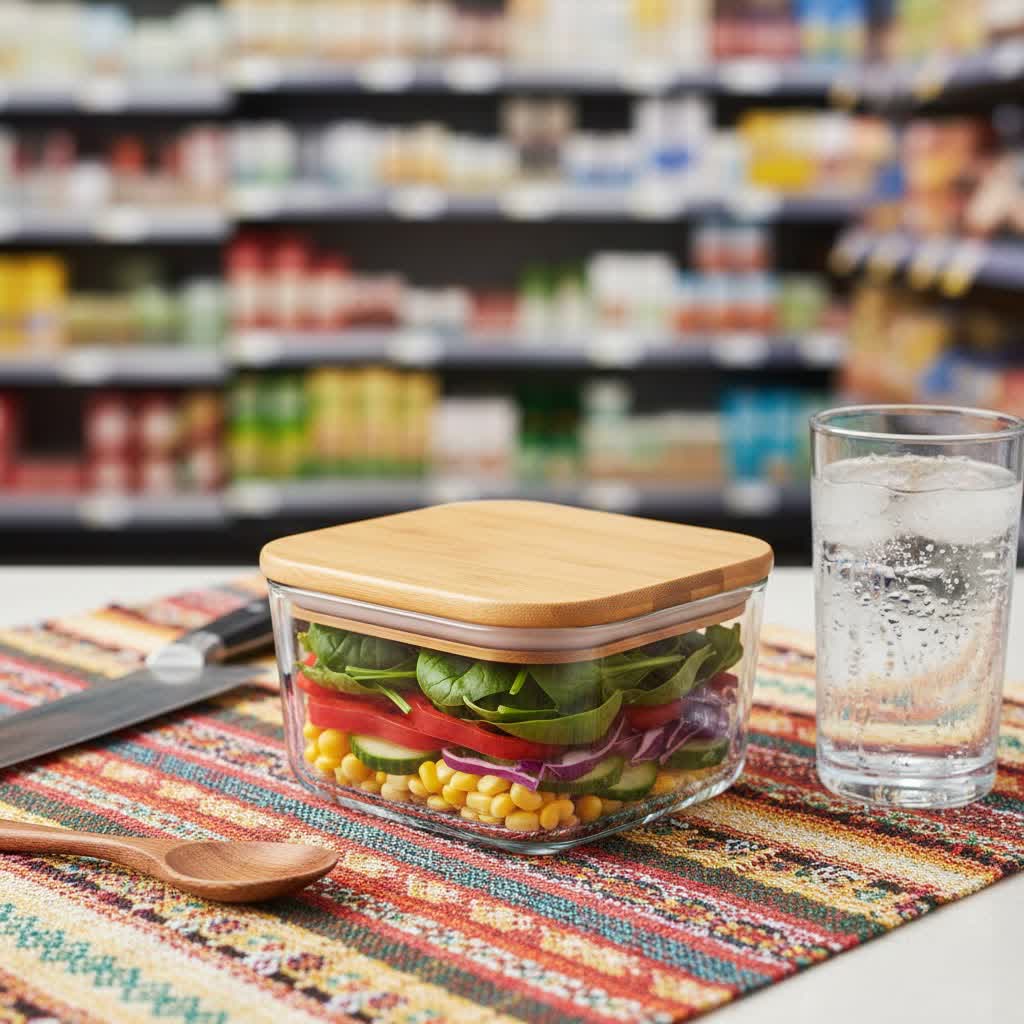
Food storage containers are vessels specifically designed to hold and preserve food, typically featuring airtight or leakproof seals. They come in various materials, shapes, and sizes, catering to diverse culinary needs. Their primary purpose is to maintain food freshness, prevent spoilage, and protect contents from external contaminants.
The benefits of integrating high-quality food storage containers into your kitchen routine are numerous:
- Preserve Freshness: Airtight seals significantly slow down oxidation and prevent moisture loss, keeping fruits, vegetables, and cooked meals fresh for longer.
- Convenience and Organization: Stackable designs maximize fridge space and help create a visually appealing, organized interior. They make meal prepping a breeze, allowing you to prepare meals in advance and store them efficiently.
- Environmental Protection: Reusable containers reduce the reliance on single-use plastics, contributing to a more sustainable lifestyle.
- Cost Savings: By minimizing food spoilage and facilitating meal prep, these containers help reduce food waste, ultimately saving money on groceries.
- Portability: Many containers are designed for easy transport, making them perfect for packing lunches, picnics, or sending leftovers home with guests.
Popular Types of Food Storage Containers on the Market
Choosing the right container often starts with understanding the different types available, categorized by their material, shape, size, and special features.
By Material
Each material offers unique advantages and disadvantages, impacting durability, heat resistance, and safety.
- Plastic:
- Pros: Generally lightweight, affordable, impact-resistant (less prone to breaking than glass), and often stackable/nestable. Many are microwave, freezer, and dishwasher safe.
- Cons: Can stain easily (especially with tomato-based sauces), may retain odors, and some older or lower-quality plastics may contain harmful chemicals.
- Safe Types: Look for BPA-free plastics, specifically those made from polypropylene (PP), high-density polyethylene (HDPE), or low-density polyethylene (LDPE), which are widely used in the food industry. Tritan plastic is also a popular BPA-free, shatter-resistant option.
- Glass:
- Pros: Non-porous, meaning it won’t absorb odors or stains. It’s highly durable, oven-safe (for the glass portion), microwave, freezer, and dishwasher safe. Offers excellent visibility of contents.
- Cons: Heavier and more fragile than plastic, making it susceptible to breaking if dropped. Typically more expensive.
- Stainless Steel:
- Pros: Extremely durable, rust and corrosion-resistant, and non-toxic. Excellent for long-term storage of dry goods and ideal for transporting food. Many are freezer and dishwasher safe.
- Cons: Not microwave-safe, can be more expensive, and contents are not visible without opening the lid. Lids are often plastic or silicone, and securing a truly airtight seal can sometimes be a challenge with certain designs.
- Silicone:
- Pros: Flexible, durable, lightweight, and often collapsible for space-saving storage. Oven, microwave, freezer, and dishwasher safe. Excellent for liquid storage due to flexibility.
- Cons: Can be more expensive than plastic, may absorb odors or stains over time (especially lighter colors), and can be punctured by sharp objects.
- Ceramic/Stoneware:
- Pros: Aesthetically pleasing, excellent for oven-to-table serving, and good heat retention. Non-porous.
- Cons: Very heavy, highly breakable, generally not ideal for dynamic fridge organization or frequent transport.
|
Our Picks for the Best Food Container in 2026
As an Amazon Associate I earn from qualifying purchases.
|
||
| Num | Product | Action |
|---|---|---|
| 1 | Rubbermaid Brilliance BPA Free Airtight Food Storage Containers with Lids, Set of 4 (4.7 Cup) Ideal for Lunch, Meal Prep, and Leftovers |

|
| 2 | Ankou Airtight Food Storage Container with Pop Lid & 130ml Scoop, 4L/4.2qt *4 BPA-Free Cereal, Rice, Flour, Pasta & Snack Container, Stackable & Durable,Kitchen Pantry Organizer |
|
| 3 | 50 Pack (100-Piece) 24 oz Meal Prep Containers Reusable with Lids, Sturdy Leakproof & Food Safe, Microwave, Freezer, Dishwasher Safe Prep Containers, To Go Take Out Plastic Food Storage |
|
| 4 | 60 Sets (120-Piece) Deli Containers with Lids, 32/16/8 oz X 20 Set Each, Leak-Proof & BPA Free Airtight Takeout Plastic Food Storage Containers for Soup, Freezer/Microwave/Dishwasher Safe |
|
| 5 | Rubbermaid Brilliance Food Storage Containers BPA Free Airtight Lids Ideal for Lunch Meal Prep & Leftovers Set of 5 (3.2 Cup) |
|
| 6 | Rubbermaid Brilliance BPA-Free Food Storage Containers, Medium Deep, 4.7 Cup, 2-Pack, Airtight & Leak-Proof, Microwave & Dishwasher Safe |
|
| 7 | Bentgo Prep - 20-Piece 1-Compartment Reusable Meal Prep Containers with Lids, PFAS & BPA Free Materials, Durable, Microwave, Freezer, & Dishwasher Safe To Go Food Storage (Mint) |
|
| 8 | Vtopmart 8 Pack Glass Food Storage Containers with Airtight Lids, Glass Meal Prep Containers, Lunch Office Meal for Microwave, Oven, Freezer and Dishwasher, BPA Free |
|
| 9 | 50 Pack (100-Piece) 32 oz Meal Prep Containers Reusable with Easy Open Lids, Sturdy Leakproof Food Safe, Microwave Freezer Dishwasher Safe, To Go Take Out Plastic Food Storage Pans with Lids, Black |
|
| 10 | Rubbermaid Brilliance Large Food Storage Container, 9.6 Cup, BPA-Free, Leak-Proof, Clear |
|
By Shape and Size
The shape and size of your containers directly influence how well they fit into your refrigerator and how efficiently they store different food types.
- Round: Good for liquids and stirring, but can be less space-efficient than rectangular shapes.
- Square/Rectangular: Ideal for maximizing space in refrigerators and pantries, as they stack neatly and leave minimal gaps.
- Compartmented: Perfect for meal prepping, allowing you to keep different food components separate (e.g., main dish, side salad, sauce).
- Mini: Handy for small servings of snacks, dips, dressings, or condiments.
- Large: Essential for bulk storage, family-sized leftovers, or marinating larger cuts of meat.
By Feature
Modern food containers often come with specialized features that enhance their utility.
- Airtight and Leakproof: Essential for preventing spills and keeping food fresh by blocking air and moisture exchange. Look for lids with silicone gaskets and secure latches.
- Thermal Insulation: Some containers are designed with double walls or specialized materials to keep food warm or cold for extended periods, though these are less common for general fridge storage.
- Ventilation Valves: Allow steam to escape when microwaving, preventing pressure buildup and splatters, and can be used for vacuum sealing.
- Microwave-Safe: Allows for convenient reheating directly in the container. Always remove plastic lids or open vents before microwaving.
- Dishwasher-Safe: Simplifies cleanup. Always check if lids are top-rack safe or if handwashing is recommended for gaskets.
- Freezer-Safe: Designed to withstand low temperatures without cracking or becoming brittle, preventing freezer burn.
Comparison Table of Food Container Types
| Feature | Plastic (BPA-Free) | Glass | Stainless Steel | Silicone |
|---|---|---|---|---|
| Durability | Good (shatter-resistant) | High (but breakable) | Excellent (impact-resistant) | Excellent (flexible, durable) |
| Heat Resistance | Microwave, Freezer, Dishwasher | Oven, Microwave, Freezer, Dishwasher | Freezer, Dishwasher | Oven, Microwave, Freezer, Dishwasher |
| Health Safety | Good (BPA-free types) | Excellent (non-reactive) | Excellent (non-reactive) | Excellent (inert) |
| Stain & Odor | Can stain/retain odors | Resistant | Resistant | Can stain/retain odors (lighter colors) |
| Visibility | Excellent (clear plastic) | Excellent | None | Good (clear types) |
| Price | Affordable | Moderate to High | High | Moderate to High |
| Convenience | Lightweight, stackable, nestable | Heavier, stackable, sometimes nestable | Not microwaveable, stackable | Flexible, collapsible, stackable |
How to Choose the Right Food Storage Containers for Your Fridge
Selecting the perfect food storage containers involves a thoughtful consideration of your lifestyle, storage habits, and the types of food you typically prepare.
Determine Your Usage Needs
Start by assessing what and how you plan to store.
- What type of food? For liquids like soups or stews, leakproof seals are paramount. Dry goods or bulky produce might benefit from larger, clear containers. For meal prepping, consider compartmented options.
- What capacity? Small containers are ideal for snacks, sauces, or single servings. Medium sizes work well for leftovers for one or two people, while large containers are best for family meals or batch cooking.
- Any special features? If you frequently reheat food directly from the fridge, microwave-safe containers are a must. If you freeze a lot, ensure they are freezer-safe. Oven-safe glass can go straight from the fridge to the oven for reheating or baking.
Select Safe Materials
Prioritize health and safety when choosing materials.
- Plastic: Always opt for plastics explicitly labeled “BPA-free.” Tritan plastic is a popular choice known for its durability and safety.
- Glass: Tempered glass offers durability and is inherently non-reactive, making it a consistently safe option.
- Stainless Steel: Look for food-grade stainless steel, typically 304, which is resistant to corrosion and safe for food contact.
- Certifications: Check for certifications like NSF, which indicate products have met strict public health standards.
Check Durability and Temperature Resistance
A good container should withstand daily use and varying temperatures.
- Durability: Look for thick-walled construction that can handle accidental bumps and drops. For glass, tempered varieties offer better resistance to thermal shock and impact.
- Temperature Range: Confirm the container’s suitability for refrigeration, freezing, and microwaving (and oven use for glass). Lids often have different temperature tolerances than the container bodies, so always check manufacturer instructions. It’s also a good practice to let very hot food cool slightly before transferring it to any storage container to prevent potential damage or chemical leaching.
Consider Practicality
Ease of use and maintenance are key to a functional kitchen.
- Lid Design: Airtight and leakproof seals are non-negotiable for freshness and spill prevention. Look for lids with silicone gaskets and secure locking mechanisms that are easy to open and close.
- Stackability and Nestability: Containers that stack securely in the fridge save vertical space, while those that nest when empty save cabinet space. Uniform sizes often simplify organization.
- Ease of Cleaning: Dishwasher-safe containers are convenient. For those requiring handwashing, ensure there are no hard-to-reach crevices where food or moisture can get trapped. Lids with removable gaskets can be thoroughly cleaned but might require extra drying time.
Refer to User Reviews
Before making a purchase, leverage the experiences of other consumers.
- Online Reviews: Check product reviews on e-commerce sites, specialized blogs, and forums for insights into real-world performance, durability, and common issues.
- Word-of-Mouth: Ask friends and family for their recommendations, as personal experience can be invaluable.
Top 5 Best Food Storage Containers for Fridge Right Now
Here are some of the most highly-rated and popular food storage container sets that perform exceptionally well in the fridge.
-
Rubbermaid Brilliance BPA Free Food Storage Containers
- Description: This highly popular plastic set features crystal-clear, BPA-free plastic bases and gasketed lids with secure latches. They are designed to be 100% leakproof and airtight, making them ideal for everything from liquids to delicate produce.
- Pros: Excellent leakproof seal, stain-resistant, odor-resistant, highly stackable and nestable, microwave/freezer/dishwasher safe. Available in many sizes.
- Cons: Water can sometimes get trapped in the lid gaskets, requiring extra drying.
- Price: Moderate.
-
Glasslock Assorted Oven Safe Container Set
- Description: A versatile 18-piece set made from durable tempered glass with snap-on, airtight lids. These containers are known for their robust construction and multi-purpose use.
- Pros: Glass resists stains and odors, oven-safe (glass bases only), microwave/freezer/dishwasher safe, excellent visibility, very durable.
- Cons: Heavier than plastic, lids are not oven-safe, can be more expensive than plastic sets.
- Price: Moderate to High.
-
OXO Good Grips Prep & Go Container Set
- Description: This set focuses on specialized meal prep, offering containers with unique designs like salad bowls with trays, divided compartments, and colanders for berries. Made from BPA-free plastic.
- Pros: Innovative designs for specific food types, leakproof, microwave/freezer/dishwasher safe, good quality plastic.
- Cons: Not ideal for general bulk storage due to varied sizes and shapes, can be more expensive per piece.
- Price: Moderate.
-
Bentgo 20-Piece Lightweight, Durable, Reusable BPA-Free 1-Compartment Containers
- Description: A value-focused set of BPA-free plastic containers, primarily designed for meal prepping and everyday storage. They are lightweight and easy to stack.
- Pros: Very affordable, lightweight, durable, highly stackable for space-saving, freezer/microwave safe, good seals for freshness.
- Cons: Can hold water in lid crevices after washing, single compartment design might not suit all needs.
- Price: Low.
-
Rubbermaid Brilliance Glass Storage Containers
- Description: Combining the best of both worlds, these feature the trusted Rubbermaid Brilliance leakproof lids with durable, oven-safe tempered glass bases.
- Pros: Glass resists stains and odors, oven-safe (up to 450°F), microwave/freezer/dishwasher safe, clear bases, secure and airtight lids.
- Cons: Heavier and more breakable than plastic, higher price point.
- Price: High.
Tips for Using and Maintaining Your Food Storage Containers
Proper care and usage will extend the lifespan of your food storage containers and ensure optimal food safety.
- Proper Cleaning:
- Plastic: Wash with warm, soapy water. For stubborn stains or odors, try a paste of baking soda and water or soak with vinegar. Most are top-rack dishwasher safe.
- Glass: Dishwasher safe for both container and lid (top rack for plastic lids). For baked-on food, soak before washing.
- Stainless Steel: Handwash with soap and water. Dishwasher safe, but handwashing helps maintain shine.
- Silicone: Dishwasher safe. For strong odors, bake in a low oven (around 250°F) for an hour, or soak in white vinegar.
- Always ensure lids, especially gaskets, are completely dry before storing to prevent mildew growth.
- Odor Removal: For lingering smells, try placing an open container with crumpled newspaper, a slice of lemon, or activated charcoal in the sun for a day.
- Extend Longevity:
- Avoid using abrasive scrubbers on plastic to prevent scratches.
- Allow hot foods to cool before placing them in containers, especially plastic, to prevent warping and potential chemical leaching.
- Don’t overfill containers, as this can strain the lid’s seal and cause leaks.
- Store lids separately or snapped onto their corresponding containers to prevent them from getting lost or damaged.
- Things to Avoid:
- Never microwave stainless steel containers.
- Avoid extreme temperature changes with glass (e.g., hot from oven directly into cold water) unless explicitly stated as thermal-shock resistant.
- Don’t use sharp utensils inside plastic or silicone containers to prevent scratching or puncturing.
- Avoid harsh chemicals or bleach, which can degrade container materials over time.
Conclusion
Investing in the best food storage containers for your fridge is a simple yet impactful way to elevate your kitchen’s efficiency, reduce food waste, and maintain a healthier lifestyle. From durable glass options that move seamlessly from oven to fridge, to lightweight, leakproof plastic sets perfect for meal prepping, the market offers a solution for every need. By prioritizing safe materials, practical features, and diligent care, you can build a collection of containers that will serve your household reliably for years to come.
What steps will you take to optimize your fridge storage and revolutionize your meal prep routine?
Frequently Asked Questions
Are plastic food storage containers safe for my family?
Yes, many plastic food storage containers are safe for your family, especially those explicitly labeled “BPA-free.” Plastics like polypropylene (PP) and Tritan are commonly used for food-safe containers and are designed to withstand various temperatures, making them suitable for fridge, freezer, and microwave use. Always check for these labels to ensure safety.
Can I put hot food directly into my fridge storage containers?
It’s generally recommended to let hot food cool down slightly before transferring it to any food storage container, particularly plastic ones. Placing very hot food in plastic containers can cause the plastic to warp or potentially leach chemicals into your food. For glass containers, extreme temperature changes can sometimes lead to cracking, so a brief cooling period is also advisable.
How do I prevent my food containers from staining and retaining odors?
To prevent staining and odor retention, especially with plastic containers, wash them immediately after use. For stubborn stains from tomato sauce or turmeric, try soaking the container in a mixture of baking soda and water, or exposing it to sunlight. Glass and stainless steel containers are naturally more resistant to stains and odors.
What’s the best way to organize food containers in a small fridge?
For a small fridge, prioritize stackable, rectangular, or square containers to maximize vertical and horizontal space. Consider using uniform sets where lids fit multiple bases, or where containers nest when empty. Clear containers are also helpful as they allow you to easily see contents without having to open each one, reducing rummaging time.
Are silicone food storage bags a good alternative to traditional containers for the fridge?
Yes, silicone food storage bags like Stasher bags are an excellent and versatile alternative for fridge storage. They are highly flexible, durable, and typically safe for microwave, freezer, oven, and dishwasher use. Their reusability helps reduce plastic waste, and they are great for storing snacks, marinades, or even sous vide cooking.
