A cluttered kitchen and wasted food are common frustrations in many households. From overflowing refrigerators to disorganized pantries, finding the right solutions for food storage can be a daily challenge. Enter rectangular food storage containers – the unsung heroes of kitchen organization, offering a blend of efficiency, versatility, and convenience that circular alternatives simply can’t match.
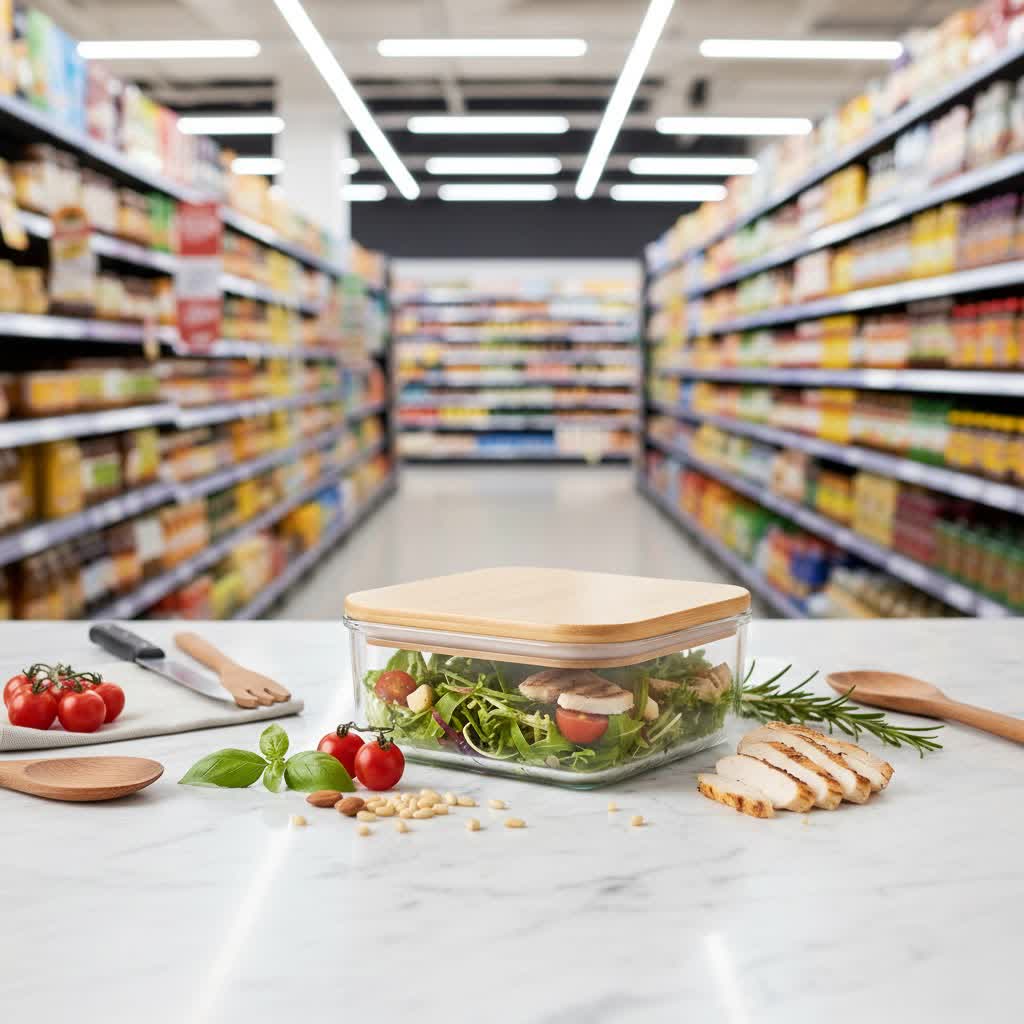
Whether you’re a seasoned meal prepper, a parent packing lunches, or simply someone looking to keep leftovers fresh, selecting the ideal food containers is crucial. This comprehensive guide will delve into everything you need to know about rectangular food storage containers, helping you navigate the myriad options to find the perfect fit for your home and lifestyle.
What Are Rectangular Food Storage Containers and Why Do You Need Them?
Rectangular food storage containers are precisely what their name suggests: vessels designed in a rectangular shape, typically paired with tight-sealing lids, used for storing, transporting, and preserving food. Unlike their round counterparts, the rectangular form factor offers distinct advantages, primarily in space efficiency and stackability. They fit snugly into refrigerators, freezers, and cabinets, maximizing every inch of available space and bringing order to chaotic culinary environments.
The benefits of incorporating high-quality rectangular food storage containers into your kitchen extend far beyond mere organization:
- Food Preservation: An airtight and leak-proof seal is paramount for keeping food fresh longer, preventing spoilage, and locking in flavors. This is essential for both raw ingredients and cooked meals.
- Convenience for Meal Prep & On-the-Go: Their structured shape makes them ideal for portioning meals, making daily meal prep a breeze. They are perfect for packing lunches, snacks, or picnic items, fitting easily into bags without wasting space.
- Environmental Friendliness: Choosing reusable containers significantly reduces reliance on single-use plastics, contributing to a more sustainable lifestyle.
- Cost Savings: By preserving food longer and facilitating meal planning, these containers help minimize food waste, ultimately saving money on groceries.
- Kitchen Organization: Their uniform shape allows for neat stacking and arrangement, transforming messy shelves into streamlined storage systems.
Popular Types of Rectangular Food Containers on the Market
Rectangular food containers come in a variety of materials, shapes, and with different features, each catering to specific needs and preferences. Understanding these variations is key to making an informed choice.
By Material
The material of your food container dictates its durability, heat resistance, safety, and overall suitability for different uses.
- Plastic: Plastic containers are the most common and often the most economical option. Modern plastic containers are typically BPA-free, ensuring food safety.
- Polypropylene (PP): A popular choice for its chemical resistance and ability to withstand temperatures from -40°F to 160°F, making it suitable for freezer and microwave use. It’s translucent.
- Polycarbonate (PC): Offers crystal-clear clarity and shatter-proof construction, resisting food acids and oils. However, it’s generally the most expensive plastic option and can withstand higher temperatures up to 210°F.
- Polyethylene (PE): Often solid white, this material is impact, stain, and chemical-resistant, and usually the most economical option, also safe from -40°F to 160°F.
- Pros: Lightweight, durable (less prone to breaking than glass), affordable, often microwave and freezer safe.
- Cons: Can stain and retain odors, especially with highly pigmented foods like tomato sauce, and some types may warp in the dishwasher if not placed on the top rack.
- Glass: Valued for its non-porous nature, which prevents staining and odor absorption.
- Pros: Exceptionally durable, oven-safe (often up to 450°F), microwave-safe (without lid), freezer-safe, dishwasher-safe, and visually appealing. It’s also preferred by many to avoid any concerns about chemical leaching.
- Cons: Heavier and more fragile than plastic, making it less ideal for on-the-go transport where drops are possible.
- Stainless Steel: Known for its robustness and sleek appearance.
- Pros: Extremely durable, rust-resistant, often oven and freezer safe, and doesn’t stain or retain odors. Excellent for robust storage and travel.
- Cons: Can be pricey, not microwave safe, and often opaque, meaning you can’t see the contents without opening the lid.
- Silicone: Flexible and versatile, often used for reusable bags or collapsible containers.
- Pros: Oven-safe (up to 400°F), freezer-safe, microwave-safe, dishwasher-safe, and very flexible, making them space-efficient when empty. BPA- and PVC-free.
- Cons: Soft sides might not protect delicate foods as well as rigid containers, and some can still stain with pigmented foods.
- Ceramic: While less common for everyday rectangular food containers due to weight and fragility, ceramic options are typically used for aesthetically pleasing pantry canisters or baking dishes with lids.
- Pros: Non-reactive, good for oven use, can be decorative.
- Cons: Very heavy, fragile, and typically more expensive.
|
Our Picks for the Best Food Container in 2026
As an Amazon Associate I earn from qualifying purchases.
|
||
| Num | Product | Action |
|---|---|---|
| 1 | Bentgo Prep - 20-Piece 1-Compartment Reusable Meal Prep Containers with Lids, PFAS & BPA Free Materials, Durable, Microwave, Freezer, & Dishwasher Safe To Go Food Storage (Mint) |

|
| 2 | Vtopmart 8 Pack Glass Food Storage Containers with Airtight Lids, Glass Meal Prep Containers, Lunch Office Meal for Microwave, Oven, Freezer and Dishwasher, BPA Free |
|
| 3 | Ankou Airtight Food Storage Container with Pop Lid & 130ml Scoop, 4L/4.2qt *4 BPA-Free Cereal, Rice, Flour, Pasta & Snack Container, Stackable & Durable,Kitchen Pantry Organizer |
|
| 4 | 60 Sets (120-Piece) Deli Containers with Lids, 32/16/8 oz X 20 Set Each, Leak-Proof & BPA Free Airtight Takeout Plastic Food Storage Containers for Soup, Freezer/Microwave/Dishwasher Safe |
|
| 5 | Rubbermaid Brilliance BPA-Free Food Storage Containers, Medium Deep, 4.7 Cup, 2-Pack, Airtight & Leak-Proof, Microwave & Dishwasher Safe |
|
| 6 | 50 Pack (100-Piece) 24 oz Meal Prep Containers Reusable with Lids, Sturdy Leakproof & Food Safe, Microwave, Freezer, Dishwasher Safe Prep Containers, To Go Take Out Plastic Food Storage |
|
| 7 | Rubbermaid Brilliance Large Food Storage Container, 9.6 Cup, BPA-Free, Leak-Proof, Clear |
|
| 8 | 50 Pack (100-Piece) 32 oz Meal Prep Containers Reusable with Easy Open Lids, Sturdy Leakproof Food Safe, Microwave Freezer Dishwasher Safe, To Go Take Out Plastic Food Storage Pans with Lids, Black |
|
| 9 | Rubbermaid Brilliance Food Storage Containers BPA Free Airtight Lids Ideal for Lunch Meal Prep & Leftovers Set of 5 (3.2 Cup) |
|
| 10 | Rubbermaid Brilliance BPA Free Airtight Food Storage Containers with Lids, Set of 4 (4.7 Cup) Ideal for Lunch, Meal Prep, and Leftovers |
|
By Shape and Size
While the focus here is rectangular, these containers come in a spectrum of sizes and internal configurations.
- Standard Rectangular: Available in various capacities, from mini sizes for sauces or snacks to large containers for family-sized portions or bulk storage.
- Rectangular with Dividers: Perfect for meal prep, these containers feature integrated compartments to keep different food items separate, preventing flavors from mixing.
- Mini & Large: Small ones are great for dressings, nuts, or baby food, while large ones handle big batches of leftovers, salads, or pantry staples like pasta and rice.
By Feature
Many features enhance the functionality and user experience of rectangular food containers.
- Airtight and Leakproof: Essential for food preservation and preventing spills, often achieved with silicone gaskets and locking latches.
- Microwave-Safe: Allows for convenient reheating of food. Always check if the lid is microwave-safe, as some should be removed or vented during heating.
- Freezer-Safe: Designed to withstand low temperatures without cracking or becoming brittle, ideal for long-term food storage.
- Oven-Safe: Primarily applies to glass and some ceramic or stainless steel containers, allowing for direct transfer from fridge to oven for reheating or baking.
- Dishwasher-Safe: Simplifies cleanup. Always check if all parts, especially lids, are top-rack dishwasher safe to prevent warping.
- Stackable/Nestable: Rectangular containers excel in this, allowing for efficient storage when full (stackable) or empty (nestable).
- Vented Lids: Some lids include a vent for microwave use, releasing steam to prevent pressure buildup.
- Easy-Open Tabs: Designed for effortless opening, even with a tight seal.
Comparing Rectangular Food Container Materials
Choosing the best material depends heavily on your primary use case. Here’s a comparative overview:
| Feature | Plastic (BPA-free PP/Tritan) | Glass (Tempered) | Stainless Steel | Silicone (Bags/Collapsible) |
|---|---|---|---|---|
| Durability | Good (shatter-resistant) | Excellent (scratch/stain-resistant) | Excellent (highly robust) | Good (flexible, tear-resistant) |
| Heat Resistance | Microwave, Freezer (check temp limits) | Microwave, Freezer, Oven (up to 450°F) | Freezer, Oven (up to 350°F), Not Microwave | Microwave, Freezer, Oven (up to 400°F) |
| Safety | BPA-free options widely available | Inert, non-leaching | Non-reactive, food-grade options | BPA/PVC-free, food-grade |
| Price | $ (Most economical) | $$ (Mid-range) | $$$ (Higher end) | $$ (Mid-range) |
| Cleaning | Top-rack dishwasher safe (may stain) | Dishwasher safe, easy to clean, no stains | Dishwasher safe, no stains | Dishwasher safe, may stain |
| Stain/Odor Resistance | Low to Moderate (prone to staining) | Excellent (non-porous) | Excellent | Moderate (can stain) |
| Transparency | Clear to translucent | Clear | Opaque | Translucent (bags) |
| Weight | Lightweight | Heavy | Moderate to Heavy | Lightweight |
| Stackability | Excellent | Excellent (some nest) | Excellent | Good (flexible, some stand-up) |
How to Choose the Right Rectangular Food Container
Making the right choice involves a thoughtful assessment of your needs and the features available.
1. Assess Your Usage Needs
Start by considering how you intend to use the containers.
- What type of food will you store? Dry goods (pasta, cereals) benefit from clear, stackable plastic or glass canisters. Liquids (soups, sauces) require truly leak-proof seals, making glass or high-quality plastic with strong latches a good choice. For hot meals, oven-safe glass or stainless steel are superior.
- What capacity do you need? Small containers are ideal for snacks, dressings, or baby food. Medium sizes are perfect for individual meal prep or leftovers. Large containers suit bulk storage, family meals, or large salads.
- Do you need special features? If you frequently microwave food, ensure the containers (and especially their lids) are microwave-safe. If freezer storage is common, opt for freezer-safe materials. For oven-to-table use, glass is a must.
2. Prioritize Safe Materials
Always choose food-grade materials. For plastic, look for “BPA-free” labels. The FDA considers current approved uses of BPA in food containers safe, but many consumers prefer to avoid it. Tempered glass and 304-grade stainless steel are inherently safe choices. Check for certifications like NSF Listed, especially for commercial use, but it’s a good indicator of quality for home use too.
3. Evaluate Durability and Heat Resistance
Consider the longevity of the container. Thicker glass is more robust against accidental knocks, while high-quality plastics are less prone to cracking. If you plan to transfer containers from the freezer to the microwave or oven, ensure they are designed for such thermal transitions to prevent thermal shock in glass.
4. Consider Convenience
- Lid Design: Look for lids that seal tightly to prevent leaks and spills. Some prefer latches for extra security, while others like simple press-on or twist-lock lids. Universal lids that fit multiple container sizes can simplify storage.
- Stackability and Nestability: Rectangular containers naturally maximize space. Check if they stack securely when full and nest efficiently when empty to save cabinet space.
- Ease of Cleaning: Dishwasher-safe containers are a time-saver. Consider designs with fewer crevices where food can get trapped. Glass is easier to clean and resists stains better than most plastics.
5. Check User Reviews and Expert Recommendations
Before purchasing, consult reviews from other users and expert testing sites. They often highlight real-world performance, durability issues, and practical tips. For instance, Good Housekeeping extensively tests containers for performance, durability, and cleanability, offering valuable insights.
Top Rectangular Food Containers Recommended by Experts
Based on comprehensive testing and user feedback, several brands consistently stand out for their quality, performance, and design in rectangular food storage.
- Rubbermaid Brilliance Food Storage Containers (Plastic & Glass): Highly praised for their transparent design, strong airtight and leak-proof seals, and excellent stackability. The plastic version is lightweight for on-the-go, while the glass version resists stains and is oven-safe up to 450°F. Their universal lids are a notable convenience.
- OXO Good Grips POP Containers: While not always strictly rectangular, their square and rectangular versions are excellent for pantry organization, especially for dry goods. The unique push-button airtight seal and stackable design are highly effective for keeping ingredients fresh.
- Pyrex Simply Store Glass Food Storage Containers: Known for their versatile shapes and sizes, these tempered-glass containers are freezer, microwave, and preheated oven-safe. They nest for easy storage, though some users report lids can crack over time.
- Hydro Flask Stainless Steel Containers: A top choice for stainless steel, these containers offer impressive leak resistance and durability. They are oven and freezer safe, making them excellent for robust food transport and storage, though they are not microwaveable.
Tips for Using and Maintaining Your Rectangular Food Containers
Proper care ensures your containers last longer and remain hygienic.
- Correct Cleaning: Always refer to the manufacturer’s care instructions. Most plastic containers are top-rack dishwasher safe, while placing them on the bottom rack can lead to warping due to higher heat. Glass, stainless steel, and silicone are typically safe for all dishwasher racks. Lids, especially those with gaskets, may require hand washing for thorough cleaning and to prevent deformation.
- Removing Stains: For stubborn stains on plastic containers (often from tomato-based sauces), a paste made of baking soda and water can be highly effective. Apply the paste, let it sit for 15-30 minutes, then scrub clean. A bleach gel cleaner can also be used for tough stains.
- Eliminating Odors: To remove lingering food odors, try soaking containers in a mixture of warm water and white vinegar, or stuffing them with crumpled newspaper for a few days. Sunlight can also naturally help dissipate odors.
- Proper Storage: Utilize the stackable and nestable features of rectangular containers to optimize cabinet or drawer space. Store lids separately or with their corresponding bases for easy access.
- Things to Avoid:
- Thermal Shock: For glass containers, avoid sudden extreme temperature changes (e.g., placing a hot container directly into cold water, or moving a frozen container directly into a very hot oven without preheating it first) as this can cause cracking. Allow items to reach room temperature first.
- Microwaving Lids: Unless explicitly stated, avoid microwaving plastic lids, especially those with airtight seals, as they can warp or degrade. Vent the lid or remove it entirely when microwaving.
- Harsh Abrasives: Do not use abrasive scrubbers on plastic containers, as they can scratch the surface, making them more prone to staining and harboring bacteria.
In conclusion, rectangular food storage containers are an indispensable asset for any well-organized and efficient kitchen. By understanding the diverse materials, features, and benefits, you can select products that not only preserve your food and simplify meal management but also contribute to a more sustainable lifestyle. Investing in the right containers transforms kitchen chaos into culinary calm, making healthy eating and efficient storage effortless.
Which material do you think offers the best balance of durability and versatility for your everyday kitchen needs?
Frequently Asked Questions
Are rectangular food containers better than round ones for storage?
Yes, generally, rectangular containers are more space-efficient than round ones. Their straight sides allow them to fit together snugly in refrigerators, freezers, and cabinets, maximizing storage space and minimizing wasted gaps. This makes them ideal for organization and stacking.
Are rectangular plastic food containers safe to use?
Most modern rectangular plastic food containers are made from BPA-free plastics like polypropylene (PP) or Tritan, which are considered safe for food contact by regulatory bodies. Always check the product label to ensure it is BPA-free and designated as food-safe.
Can I put hot food directly into rectangular food containers?
For glass and stainless steel containers, it is generally safe to put hot food inside. However, for plastic containers, it’s best to allow very hot food to cool down slightly before sealing and storing to prevent potential warping of the plastic or lid, and to maintain the container’s integrity over time.
