Imagine the frustration of discovering your carefully stored food has become a midnight snack for uninvited guests. Rodents are more than just a nuisance; they can contaminate food, spread diseases like hantavirus, and cause significant damage to your pantry. Protecting your food supply from these persistent pests is not just about convenience; it’s about safeguarding your health and preserving your resources. This comprehensive guide will equip you with the knowledge to choose, use, and maintain the best rodent-proof food storage containers, ensuring your kitchen and pantry remain a sanctuary for your family’s meals, not a buffet for pests.
What Are Rodent-Proof Food Containers and Why You Need Them?
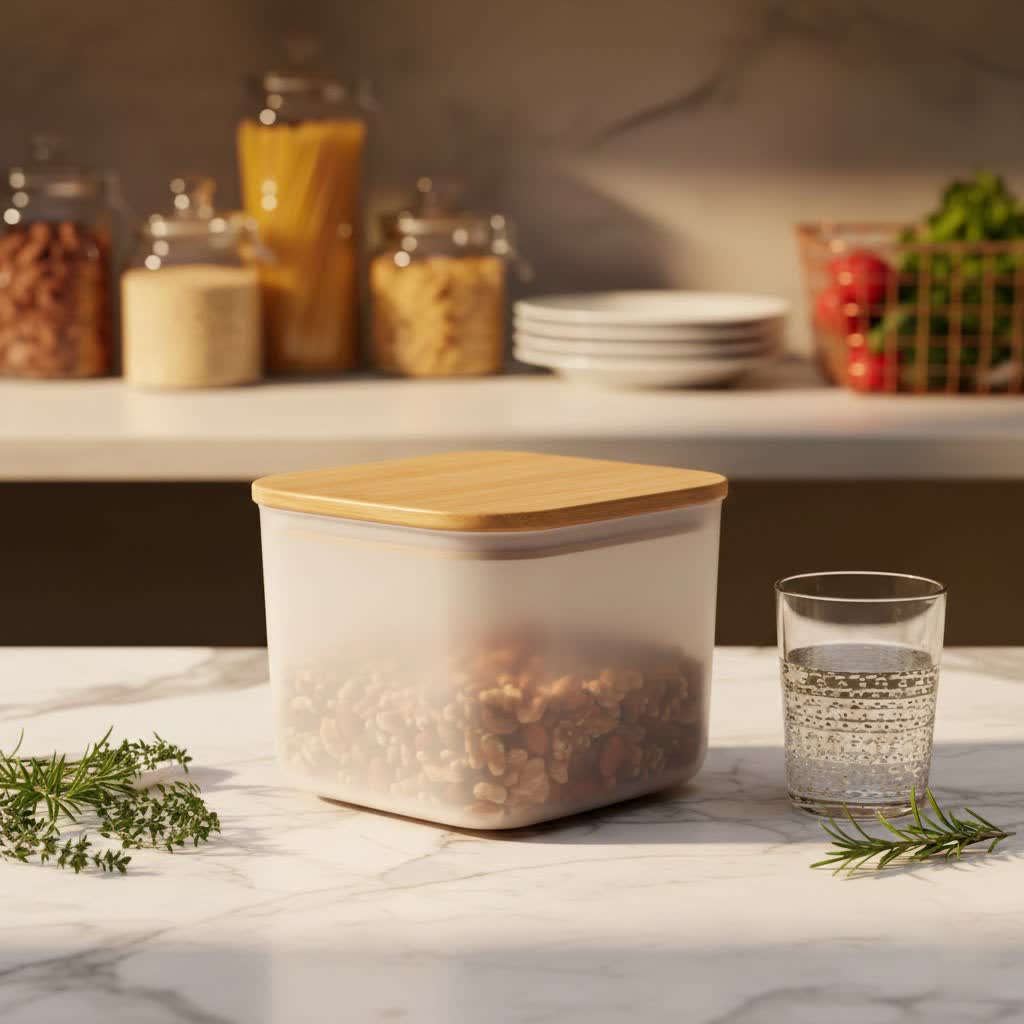
Rodent-proof food containers are specialized storage solutions designed to create an impenetrable barrier against mice, rats, and other pests. These containers are crafted from materials that rodents cannot chew through and feature sealing mechanisms that prevent access and block tempting food odors. The primary purpose of these containers is to protect your food from contamination and damage, ensuring it remains fresh and safe for consumption.
The benefits of using rodent-proof food containers extend beyond simple pest control:
- Preserve Food Freshness: Airtight seals not only keep rodents out but also maintain optimal conditions, preventing moisture and air exposure that lead to spoilage.
- Prevent Disease Transmission: Rodents are known carriers of various diseases, including hantavirus. By keeping them out of your food, you significantly reduce health risks.
- Ensure Hygiene and Cleanliness: Eliminating rodent access means no droppings, urine, or nesting materials contaminating your food preparation and storage areas.
- Convenient and Portable: Many containers are designed to be stackable and easily transportable, making them ideal for both pantry organization and on-the-go meals.
- Environmental Protection: Reusable containers reduce the need for disposable packaging, contributing to a more sustainable lifestyle.
- Cost Savings: Protecting your food from spoilage and pest damage means less waste and fewer grocery replacements, saving you money in the long run.
Popular Types of Rodent-Proof Food Containers on the Market
Selecting the right rodent-proof container hinges on understanding the various types available, categorized by their material, shape, size, and special features.
By Material
The material of your food container is the most critical factor in its rodent-proofing capability, as mice and rats can gnaw through many common materials.
- Plastic:
- Pros: Lightweight, often transparent for easy viewing of contents, available in many shapes and sizes, generally affordable. Thick, heavy-duty plastic, especially those with secure locking lids or “Gamma Lids” on 5-gallon buckets, can offer good resistance.
- Cons: Rodents can easily chew through thinner plastics. Not all plastics are food-safe; prioritize BPA-free options. May retain food odors, which can attract pests.
- Safe Plastic Types: Look for plastics labeled BPA-free and consider those designed for long-term food storage, such as heavy-duty buckets with reinforced lids.
- Glass:
- Pros: Completely impervious to rodent chewing, non-porous (won’t retain odors), transparent, easy to clean and sterilize, does not leach chemicals into food. Mason jars are a popular and effective choice.
- Cons: Fragile and can break, heavier than plastic, typically not suitable for very large bulk storage.
- Stainless Steel/Metal:
- Pros: Extremely durable, completely chew-proof, rust-resistant (especially galvanized steel), excellent for blocking odors. Ideal for bulk storage and areas prone to heavy rodent activity.
- Cons: Heavier than plastic or glass, opaque (contents not visible), can be more expensive. Metal containers (like galvanized steel trash cans or steel drums) with tight-fitting, clamping lids are highly recommended for bulk items.
- Ceramic:
- Pros: Impervious to chewing, aesthetically pleasing, good for countertop storage.
- Cons: Heavy, fragile, and can chip or break easily. Not ideal for larger quantities or areas where they might be knocked over.
- Silicone:
- Pros: Flexible, often collapsible, lightweight, good for travel.
- Cons: While tougher than thin plastic, a determined rodent might still be able to gnaw through silicone over time, especially if the food odor is strong. Not typically recommended as a primary rodent-proof solution for highly vulnerable foods.
|
Our Picks for the Best Food Container in 2026
As an Amazon Associate I earn from qualifying purchases.
|
||
| Num | Product | Action |
|---|---|---|
| 1 | 50 Pack (100-Piece) 24 oz Meal Prep Containers Reusable with Lids, Sturdy Leakproof & Food Safe, Microwave, Freezer, Dishwasher Safe Prep Containers, To Go Take Out Plastic Food Storage |

|
| 2 | Rubbermaid Brilliance Food Storage Containers BPA Free Airtight Lids Ideal for Lunch Meal Prep & Leftovers Set of 5 (3.2 Cup) |
|
| 3 | Ankou Airtight Food Storage Container with Pop Lid & 130ml Scoop, 4L/4.2qt *4 BPA-Free Cereal, Rice, Flour, Pasta & Snack Container, Stackable & Durable,Kitchen Pantry Organizer |
|
| 4 | Bentgo Prep - 20-Piece 1-Compartment Reusable Meal Prep Containers with Lids, PFAS & BPA Free Materials, Durable, Microwave, Freezer, & Dishwasher Safe To Go Food Storage (Mint) |
|
| 5 | Vtopmart 8 Pack Glass Food Storage Containers with Airtight Lids, Glass Meal Prep Containers, Lunch Office Meal for Microwave, Oven, Freezer and Dishwasher, BPA Free |
|
| 6 | Rubbermaid Brilliance Large Food Storage Container, 9.6 Cup, BPA-Free, Leak-Proof, Clear |
|
| 7 | 60 Sets (120-Piece) Deli Containers with Lids, 32/16/8 oz X 20 Set Each, Leak-Proof & BPA Free Airtight Takeout Plastic Food Storage Containers for Soup, Freezer/Microwave/Dishwasher Safe |
|
| 8 | Rubbermaid Brilliance BPA Free Airtight Food Storage Containers with Lids, Set of 4 (4.7 Cup) Ideal for Lunch, Meal Prep, and Leftovers |
|
| 9 | 50 Pack (100-Piece) 32 oz Meal Prep Containers Reusable with Easy Open Lids, Sturdy Leakproof Food Safe, Microwave Freezer Dishwasher Safe, To Go Take Out Plastic Food Storage Pans with Lids, Black |
|
| 10 | Rubbermaid Brilliance BPA-Free Food Storage Containers, Medium Deep, 4.7 Cup, 2-Pack, Airtight & Leak-Proof, Microwave & Dishwasher Safe |
|
By Shape and Size
The design of a container also impacts its effectiveness and utility.
- Round, Square, Rectangular Containers: Standard shapes for most food items, stackable for efficient storage.
- Compartmented Containers: Useful for meal prep and keeping different food items separate.
- Mini to Large Boxes/Buckets: From small snack containers to 5-gallon buckets or even 55-gallon drums for bulk storage. The size should match your storage needs to minimize wasted space and maximize freshness.
By Feature
Specialized features can enhance a container’s rodent-proofing and overall functionality.
- Airtight and Leak-Proof: Essential for keeping odors in and pests out, as well as preserving freshness. Look for silicone gaskets and secure locking mechanisms.
- Thermal Insulation (Insulated Containers): Designed to keep food hot or cold, though not primarily a rodent-proofing feature, it adds versatility.
- Ventilation Valves: Primarily for fermented foods or microwaving, ensure these are robust and don’t create weak points for rodents.
- Microwave and Dishwasher Safe: Adds convenience for everyday use and cleaning.
Comparative Overview of Rodent-Proof Food Containers
Here’s a comparison table to help you weigh the options when choosing rodent-proof food storage.
| Feature | Plastic (Heavy-Duty) | Glass (e.g., Mason Jars) | Metal (Galvanized Steel/Stainless Steel) |
|---|---|---|---|
| Chew-Proof | Resistant (determined rodents may chew thin types) | Yes, completely impervious | Yes, completely impervious |
| Airtight Seal | Good (with secure lids/gaskets like Gamma Lids) | Excellent (with proper lids) | Excellent (with clamping/screw-on lids) |
| Odor Containment | Good (if truly airtight) | Excellent | Excellent |
| Durability | Good (can crack if dropped) | Moderate (fragile, can break) | Excellent (highly resistant to impact) |
| Visibility | Often transparent (clear plastic) | Transparent | Opaque |
| Weight | Lightweight | Heavy | Heaviest |
| Cost | Moderate | Moderate | Higher |
| Best for | Bulk dry goods, pet food, general pantry items | Pantry staples, small batches, liquids | Long-term bulk storage, outdoor storage |
| Key Consideration | Ensure thick plastic, BPA-free, and secure lids | Handle with care, not for very large bulk | Ensure rust-resistant finish, proper lid seal |
> “For robust rodent protection, metal and glass containers are your strongest allies. While heavy-duty plastics offer good resistance, persistent rodents can sometimes find a way through. Combining chew-proof materials with airtight seals is key.”
How to Choose the Right Rodent-Proof Food Container
Making the best choice involves carefully assessing your specific needs and the environment where the containers will be stored.
1. Determine Your Usage Needs
- Type of Food: Are you storing dry goods (grains, pasta, flour), liquids, pet food, or snacks? Dry goods are often targets, while liquids need leak-proof seals.
- Storage Duration: For short-term pantry items, many airtight options work. For long-term emergency food supplies, truly heavy-duty and odor-proof solutions like Mylar bags within metal or robust plastic containers are advisable.
- Storage Location:
- Kitchen/Pantry: Glass jars, hard plastic canisters, or stainless steel canisters are suitable.
- Basement/Garage/Outdoor Shed: These areas are higher risk. Galvanized steel bins, large metal trash cans with locking lids, or heavy-duty 5-gallon plastic buckets with Gamma Lids are recommended.
- Capacity: Choose containers that match the quantity of food you typically buy or store to avoid leaving excessive air inside, which can impact freshness.
2. Prioritize Safe Materials
- Metal: Opt for galvanized steel or stainless steel for maximum chew-proof protection. These are excellent for bulk items like pet food, grains, or birdseed.
- Glass: Mason jars are an excellent choice for smaller quantities of pantry staples. Glass is non-porous, doesn’t leach chemicals, and is completely rodent-proof.
- Heavy-Duty Plastic: If using plastic, ensure it is thick, durable, and clearly labeled BPA-free for food safety. Look for secure, locking lids and robust construction. Avoid thin, flimsy plastics like those used for typical storage totes, as rodents can easily chew through them.
3. Check for Durability and Seal Integrity
- Chew-Proof Design: The material should be inherently difficult for rodents to gnaw through. A mouse can squeeze through a 1/4-inch gap, and a rat through a 1/2-inch gap, so any container must be completely gap-free.
- Airtight and Tight-Fitting Lids: This is crucial. Lids should fit snugly and ideally have a silicone gasket to create an airtight seal. Locking mechanisms provide an extra layer of security. Rodents are attracted by scent, so an effective seal that traps odors is vital.
- Sturdy Construction: The container should be able to withstand accidental bumps or drops without compromising its integrity.
4. Consider Practicality and Convenience
- Ease of Opening/Closing: While secure, the lid should still be manageable for human hands.
- Stackability: For efficient use of space, especially in pantries or storage areas, stackable designs are a big plus.
- Ease of Cleaning: Containers should be easy to disassemble and clean thoroughly to prevent food residue buildup that could attract pests. Dishwasher-safe options are a bonus.
- Visibility: Clear containers (glass, transparent plastic) allow you to see contents at a glance, aiding organization.
5. Consult User Reviews and Expert Opinions
- Online Reviews: Check product reviews on e-commerce sites and specialty forums. Look for comments specifically addressing rodent resistance and lid security.
- Community Feedback: Ask friends, family, or online communities (like prepping or homesteading groups) for their experiences and recommendations. Real-world insights can be invaluable.
Top Rodent-Proof Food Containers for Your Home
While specific brand recommendations can change, certain types of containers consistently prove effective in deterring rodents.
- Galvanized Steel Bins with Locking Lids: These are often used for pet food, birdseed, or bulk grains. They come in various sizes, from small countertop bins to large outdoor trash cans. The metal construction is chew-proof, and secure lids prevent access. Many feature handles for easier transport.
- Glass Mason Jars (with Two-Piece Lids or Airtight Screw-Top Lids): A timeless classic for pantry storage. Available in multiple sizes, they are completely transparent, non-porous, and rodent-proof. Ideal for dry goods, spices, and homemade preserves.
- 5-Gallon Food-Grade Buckets with Gamma Lids: For serious bulk storage, these heavy-duty plastic buckets combined with a screw-on Gamma Lid create an airtight, rodent-resistant seal. While plastic, the thick walls are harder for rodents to penetrate, especially when combined with Mylar bags inside for added odor control and protection.
- Stainless Steel Canisters: Stylish and functional for kitchen countertops or pantry shelves. They offer the chew-proof benefits of metal with aesthetic appeal. Look for options with silicone-sealed lids.
- Specialized Backpacking Rodent-Proof Bags (e.g., Ratsack): For outdoor enthusiasts, mesh bags made from durable, rodent-resistant materials can protect food from raccoons, squirrels, and mice in the wilderness. Often used in conjunction with odor-proof bags like Opsak.
Tips for Using and Maintaining Rodent-Proof Food Containers
Even the best containers benefit from proper usage and maintenance practices to ensure long-term effectiveness.
Proper Cleaning and Hygiene
- Regular Cleaning: Regularly clean all food storage containers, especially after emptying them. Use warm, soapy water and dry them thoroughly to prevent moisture buildup and odors.
- Eliminate Food Residue: Ensure no crumbs, spills, or food residues are left inside or outside containers or on shelves, as these can attract pests.
- Disinfect Periodically: If a container has been in an area with rodent activity, disinfect it with a solution of bleach and water (1 part bleach to 9 parts water) to kill any potential pathogens.
- Odor Removal: For plastic containers that absorb odors, a baking soda and water paste can help neutralize lingering smells. Strong odors can attract rodents even if they can’t access the food.
Extend Container Lifespan
- Inspect for Damage: Routinely check your containers for cracks, chips, or lid deformities. Even a small imperfection can compromise its rodent-proof integrity. Replace damaged containers promptly.
- Proper Storage of Empty Containers: Store empty containers with lids loosely placed or off to allow air circulation and prevent mildew. Keep them in a clean, dry place.
- Avoid Overfilling: Overfilling can stress lids and seals, making them less effective and potentially creating small gaps for pests.
General Rodent Prevention Practices
Rodent-proof containers are a critical component, but they work best as part of a multi-faceted approach to pest management.
- Seal Entry Points in Your Home: Rodents can squeeze through incredibly small openings. Seal cracks and holes in walls, floors, and around utility pipes with steel wool, copper mesh, or caulk. Install door sweeps under external doors.
- Maintain Cleanliness in Storage Areas: Sweep and mop floors regularly. Wipe down shelves and counters. Dispose of expired or unused food promptly. Keep storage areas clutter-free, as rodents love nesting in debris.
- Elevate Containers: Store containers off the ground and away from walls whenever possible. This makes it harder for rodents to access them and reduces potential hiding spots.
- Natural Deterrents: While not a standalone solution, strong scents like peppermint oil, cayenne pepper, cinnamon, cloves, or lavender can act as deterrents. Soak cotton balls in essential oils and place them strategically, or sprinkle powdered spices around perimeters. Refresh these regularly as their scent fades.
- Consider Traps or Professional Pest Control: If you have an active infestation, humane traps or professional pest control services might be necessary to eradicate the problem before relying solely on containers.
> “A truly rodent-proof home isn’t just about the containers; it’s about a holistic approach: sealing entry points, maintaining impeccable cleanliness, and strategically using deterrents to make your space inhospitable to pests.”
Conclusion
Protecting your food from rodents is an essential aspect of home management, ensuring both food safety and peace of mind. By understanding the vulnerabilities of different materials and embracing containers made from durable, chew-proof options like metal and glass, you can significantly fortify your food storage. Remember that the most effective strategy combines high-quality, airtight containers with diligent home maintenance and cleanliness. With the right approach, you can create a secure environment where your food remains untouched, fresh, and ready for your family to enjoy.
What steps will you take today to upgrade your food storage and declare your kitchen a no-go zone for rodents?
Frequently Asked Questions
Can rodents chew through all types of plastic?
No, rodents are typically unable to chew through all types of plastic, but they can easily gnaw through thin or flimsy plastic containers. Heavy-duty, thick plastics, especially those with secure locking lids like Gamma Lids on 5-gallon buckets, offer much greater resistance, although they are not entirely impenetrable if a rodent is persistent enough, especially if it can smell food.
Are airtight containers truly rodent-proof?
Airtight containers are a crucial component of rodent-proofing because they contain food odors, which are primary attractants for pests. However, an airtight seal alone isn’t enough; the container material must also be chew-proof. A flimsy airtight container will still be vulnerable to determined rodents.
What is the best material for long-term rodent-proof food storage?
For long-term, highly reliable rodent-proof food storage, metal (such as galvanized steel or stainless steel) is generally considered the best material due to its extreme durability and chew-proof nature. Glass jars are also excellent for smaller quantities. For added protection, many preppers use Mylar bags inside these robust containers.
How small a gap can a mouse fit through?
Mice are incredibly agile and can squeeze through very small openings. A mouse can typically fit through a hole as small as 1/4 inch (about the size of a pencil eraser), while rats can pass through gaps as small as 1/2 inch. This highlights the importance of entirely gap-free containers and sealed entry points in your home.
Can essential oils effectively deter rodents from food storage?
Essential oils like peppermint, tea tree, and lavender can act as deterrents due to their strong scents which rodents find unpleasant. They work best as a supplementary measure within a comprehensive rodent-proofing strategy, not as a standalone solution. Their efficacy diminishes as the scent fades, requiring regular reapplication.
