In a world where meal prepping, reducing food waste, and maintaining a well-organized kitchen are paramount, the humble food storage container with a lid has become an indispensable tool. Far from being simple vessels, these containers play a crucial role in preserving the freshness, flavor, and nutritional value of your food. They offer unparalleled convenience, streamline your daily routines, and contribute significantly to a more sustainable lifestyle by reducing reliance on single-use plastics. But with a dizzying array of options on the market, how do you choose the right ones for your home? This comprehensive guide will navigate you through the world of food storage containers, helping you make informed decisions for a healthier, more organized, and eco-friendly kitchen.
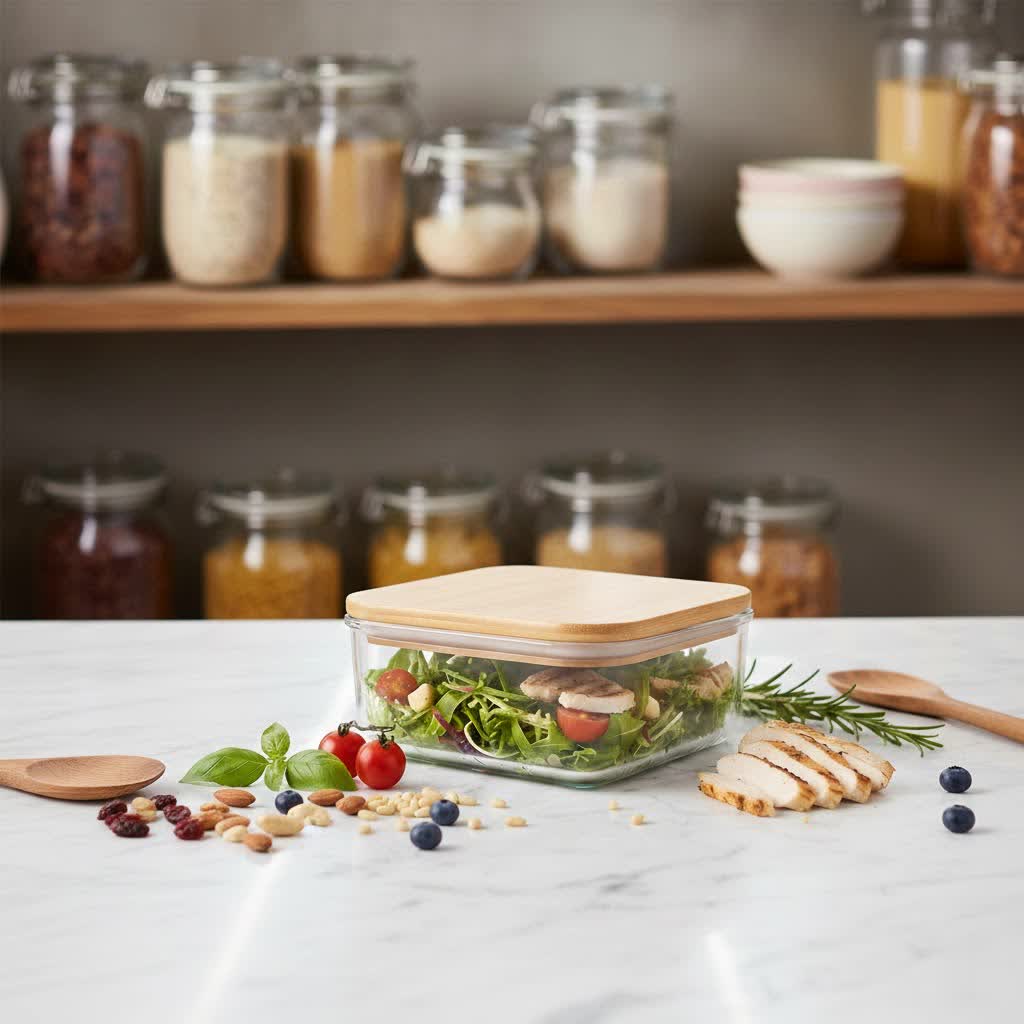
What Are Food Storage Containers with Lids, and Why Do You Need Them?
Food storage containers with lids are designed to hold and protect food, ranging from pantry staples and fresh produce to meal-prepped lunches and dinner leftovers. Their primary purpose is to create an airtight or leakproof seal, which is critical for food preservation. By minimizing exposure to air, these containers significantly slow down spoilage, helping food stay fresher for longer.
The benefits of integrating quality food storage containers into your kitchen go far beyond mere preservation. They offer incredible convenience, allowing you to prepare meals in advance, portion snacks, and easily transport food to work or school. For those focused on environmental protection, reusable containers are a sustainable alternative to disposable bags and wraps, actively reducing plastic waste. Furthermore, they contribute to cost savings by extending the shelf life of groceries and preventing food spoilage, meaning fewer trips to the store and less money thrown away. They also help organize your refrigerator, pantry, and freezer, creating a tidy and efficient cooking space where ingredients are easily visible and accessible.
Popular Types of Food Storage Containers on the Market
The variety of food storage containers available today caters to every conceivable need and preference. They can be broadly categorized by their material, shape, size, and specific features.
By Material:
The material of a food container dictates its durability, safety, heat tolerance, and overall suitability for different tasks.
- Plastic:
- Pros: Lightweight, affordable, shatter-resistant, and available in a vast array of shapes and sizes. Many plastic containers are designed to be microwave, freezer, and dishwasher safe. They are also highly portable, making them ideal for packed lunches.
- Cons: Prone to staining (especially from tomato-based sauces), can absorb odors, and may scratch easily over time. Some plastics can leach chemicals like BPA or phthalates, particularly when heated, though many modern plastic containers are explicitly labeled “BPA-free.”
- Safe Plastic Types: When choosing plastic, look for products made from plastics 1 (PET), 2 (HDPE), 4 (LDPE), or 5 (PP), as these are generally considered safer and do not contain PVC, polystyrene, or BPA.
- Glass:
- Pros: Non-toxic and inert, meaning they won’t leach chemicals into food or absorb odors and stains, even from highly pigmented foods like curry or tomato sauce. Glass containers are typically microwave, oven (without plastic lids), freezer, and dishwasher safe, offering exceptional versatility for cooking, reheating, and storing. Their transparency allows for easy identification of contents.
- Cons: Heavier and more fragile than plastic, making them less ideal for travel or for households with young children. Plastic lids on glass containers can sometimes crack or warp over time.
- Stainless Steel:
- Pros: Extremely durable, long-lasting, sustainable (100% recyclable), and resistant to corrosion, odors, and stains. Stainless steel is excellent at retaining temperature, keeping hot foods warm and cold foods chilled for extended periods. They are perfect for on-the-go meals and outdoor use due to their unbreakable nature.
- Cons: Not microwave safe due to the metal composition. They are opaque, so you cannot see the contents without opening the lid. Quality stainless steel containers can have a higher upfront cost.
- Silicone:
- Pros: Lightweight, flexible, and eco-friendly. Many silicone containers are foldable, saving significant storage space, and can withstand both high and low temperatures, making them freezer, microwave, and oven safe. They are also typically easy to clean and non-porous.
- Cons: May not be available in as wide a range of rigid shapes and sizes as plastic or glass. Can be more expensive than plastic options.
- Ceramic:
- Pros: Often aesthetically pleasing, making them suitable for countertop display. Some ceramic containers are oven-safe and provide good insulation.
- Cons: Heavy, breakable, and typically more expensive.
|
Our Picks for the Best Food Container in 2026
As an Amazon Associate I earn from qualifying purchases.
|
||
| Num | Product | Action |
|---|---|---|
| 1 | Bentgo Prep - 20-Piece 1-Compartment Reusable Meal Prep Containers with Lids, PFAS & BPA Free Materials, Durable, Microwave, Freezer, & Dishwasher Safe To Go Food Storage (Mint) |

|
| 2 | 50 Pack (100-Piece) 32 oz Meal Prep Containers Reusable with Easy Open Lids, Sturdy Leakproof Food Safe, Microwave Freezer Dishwasher Safe, To Go Take Out Plastic Food Storage Pans with Lids, Black |
|
| 3 | Rubbermaid Brilliance BPA Free Airtight Food Storage Containers with Lids, Set of 4 (4.7 Cup) Ideal for Lunch, Meal Prep, and Leftovers |
|
| 4 | 50 Pack (100-Piece) 24 oz Meal Prep Containers Reusable with Lids, Sturdy Leakproof & Food Safe, Microwave, Freezer, Dishwasher Safe Prep Containers, To Go Take Out Plastic Food Storage |
|
| 5 | 60 Sets (120-Piece) Deli Containers with Lids, 32/16/8 oz X 20 Set Each, Leak-Proof & BPA Free Airtight Takeout Plastic Food Storage Containers for Soup, Freezer/Microwave/Dishwasher Safe |
|
| 6 | Ankou Airtight Food Storage Container with Pop Lid & 130ml Scoop, 4L/4.2qt *4 BPA-Free Cereal, Rice, Flour, Pasta & Snack Container, Stackable & Durable,Kitchen Pantry Organizer |
|
| 7 | Rubbermaid Brilliance Food Storage Containers BPA Free Airtight Lids Ideal for Lunch Meal Prep & Leftovers Set of 5 (3.2 Cup) |
|
| 8 | Vtopmart 8 Pack Glass Food Storage Containers with Airtight Lids, Glass Meal Prep Containers, Lunch Office Meal for Microwave, Oven, Freezer and Dishwasher, BPA Free |
|
| 9 | Rubbermaid Brilliance BPA-Free Food Storage Containers, Medium Deep, 4.7 Cup, 2-Pack, Airtight & Leak-Proof, Microwave & Dishwasher Safe |
|
| 10 | Rubbermaid Brilliance Large Food Storage Container, 9.6 Cup, BPA-Free, Leak-Proof, Clear |
|
By Shape and Size:
Food containers come in various shapes and sizes to accommodate different food types and storage spaces.
- Round, Square, Rectangular: These are the most common shapes. Square and rectangular containers are often more space-efficient in refrigerators and pantries, allowing for tighter packing.
- Containers with Dividers: Ideal for meal prepping, keeping different food components separate.
- Mini to Large: From small condiment cups to large bulk storage containers for flour or rice, choosing the right capacity is crucial.
- Nesting and Stackable: Many sets are designed to nest inside each other when empty or stack neatly when full, optimizing storage space.
By Feature:
Specific features enhance the functionality of food storage containers.
- Airtight and Leakproof: Essential for preventing spills and keeping food fresh by blocking air and moisture. This is often achieved through secure latches or silicone gaskets on the lids.
- Insulated: Designed to maintain food temperature, keeping meals hot or cold for several hours.
- Vented Lids: Useful for microwaving, allowing steam to escape and preventing splatters.
- Microwave, Oven, Freezer, Dishwasher Safe: Always check product labels for compatibility with these appliances to ensure safety and longevity.
Comparison Table of Popular Food Container Materials
Choosing the right material involves weighing various factors. Here’s a comparison to help you decide:
| Feature | Plastic (BPA-free) | Glass | Stainless Steel | Silicone |
|---|---|---|---|---|
| Durability | Good (shatter-resistant) | Excellent (scratch-resistant) | Excellent (unbreakable) | Excellent (flexible, tear-resistant) |
| Heat Resistance | Moderate (microwave-safe if labeled, no oven) | High (microwave, oven, freezer) | Moderate (freezer-safe, no microwave/oven) | High (microwave, oven, freezer) |
| Health Safety | Good (if BPA-free) | Excellent (inert, non-leaching) | Excellent (inert, non-leaching) | Excellent (inert, non-leaching) |
| Odor/Stain Resistance | Low to Moderate | Excellent | Excellent | Excellent |
| Transparency | High | High | Opaque | Opaque/Translucent |
| Weight | Lightweight | Heavy | Medium (lighter than glass) | Very Lightweight |
| Portability | Excellent | Low | Excellent | Excellent (foldable) |
| Price | Low | Medium to High | High | Medium to High |
| Ease of Cleaning | Good (can retain smells) | Excellent | Excellent | Excellent |
How to Choose the Right Food Storage Containers
Selecting the perfect food storage containers for your kitchen involves a thoughtful assessment of your personal needs and preferences. Consider these factors before making a purchase:
Determine Your Usage Needs
- What kind of food will you store? Dry goods like pasta or cereal may require different features than liquids like soup or sauces, or fresh produce.
- What capacity do you need? Are you storing individual meal portions, family-sized leftovers, or bulk pantry items?
- What specific features are essential? Do you need containers that are oven-safe for reheating, freezer-safe for long-term preservation, or microwave-safe for quick meals? For portability, leakproof and lightweight options are key.
Prioritize Safe Materials
- Plastic: Always opt for BPA-free plastic. Look for recycling codes #2 (HDPE), #4 (LDPE), or #5 (PP) on the container, as these plastics are generally considered safer for food contact.
- Glass: Choose tempered glass for increased durability and resistance to thermal shock, especially if you plan to move them from the freezer to the oven.
- Stainless Steel: Ensure it’s food-grade stainless steel, typically 304 grade.
Assess Durability and Heat Resistance
- Lids: Inspect the lids for a secure, tight-fitting seal. Latch-style lids often provide a more robust seal than basic press-on tops. Some lids feature removable gaskets for thorough cleaning.
- Container Body: Glass should be thick and shatter-resistant. Plastic should feel sturdy and not flimsy.
- Temperature Versatility: If you intend to use containers in extreme temperatures (freezing, baking), double-check their specific heat and cold resistance ratings. Glass is often the best choice for high heat.
Consider Practicality and Convenience
- Ease of Use: Lids should be easy to open and close, particularly if you have dexterity challenges.
- Space-Saving Design: Look for stackable or nesting designs to maximize cabinet and drawer space.
- Cleaning: Dishwasher-safe containers save time and effort. Be aware that many plastic lids require top-rack dishwasher placement or hand-washing to prevent warping.
- Visibility: Clear containers (glass or certain plastics) allow you to quickly identify contents, preventing forgotten food.
Consult User Reviews and Expert Opinions
Before purchasing, take time to read reviews on e-commerce sites and seek recommendations from friends, family, or reputable product review websites. These insights can offer valuable real-world perspectives on a product’s performance, durability, and any potential drawbacks. For instance, expert testing often reveals which containers truly maintain freshness and resist leaks.
Top 5 Food Storage Containers with Lids Favored by Users
Based on extensive testing and user feedback, several brands consistently stand out for their quality, durability, and innovative design. Here are some top choices that cater to various needs:
-
Pyrex FreshLock Food Storage Set (Glass)
- Description: This set often comes with a variety of glass containers and airtight plastic lids featuring four locking tabs.
- Pros: Excellent for everyday storage, airtight, leakproof, glass resists stains and odors (e.g., from tomato sauce), versatile for cooking, reheating, and dishwasher safe.
- Cons: Glass can be heavy and bulky, and the lids may not stack neatly.
- Ideal for: Home use, meal prep, those prioritizing non-toxic materials.
-
Rubbermaid Brilliance Food Storage Container Set (Plastic)
- Description: Known for its crystal-clear, durable plastic containers and airtight, watertight latching lids, often with built-in vents for microwaving.
- Pros: Sturdy, thick, high-quality plastic that looks like glass. Excellent airtight and watertight seal. Containers stack neatly, and lids often snap together for organized storage. Microwave, freezer, and dishwasher safe.
- Cons: Some smaller containers might be less useful; plastic can stain over time.
- Ideal for: Everyday use, meal prep, organized kitchens, those preferring lightweight plastic.
-
OXO Good Grips POP Container Set (Plastic)
- Description: Features clear, stackable plastic containers with a unique push-button airtight seal on the lid.
- Pros: Excellent for pantry storage (e.g., cereals, dry goods, coffee). The button mechanism creates a strong airtight seal and doubles as a handle for easy opening. Highly stackable for space efficiency. Top-rack dishwasher safe.
- Cons: Can be more expensive per container; lids may not shut properly if contents exceed the fill line.
- Ideal for: Pantry organization, dry food storage, aesthetic appeal.
-
Snapware Total Solution Plastic Food Storage Set (Plastic/Glass options available)
- Description: Offers a versatile range of containers with four-latch locking lids that are leak-proof and airtight.
- Pros: Highly versatile with various sizes, strong leak-proof design, microwave, freezer, and dishwasher safe. Easy to open and close.
- Cons: Some plastic versions may stain more easily; sets may not stack as neatly as other brands.
- Ideal for: General food storage, families needing diverse container sizes.
-
Stasher Reusable Silicone Storage Bags
- Description: Flexible, stand-up silicone bags with a pinch-lock seal.
- Pros: Extremely versatile (can be used for freezing, sous vide, marinating, even in the oven). Eco-friendly, compact when empty. Dishwasher and microwave safe.
- Cons: Not rigid, so less suitable for stacking certain foods. Can be more expensive per bag.
- Ideal for: Eco-conscious users, flexible storage, small spaces, on-the-go snacks.
Tips for Using and Maintaining Your Food Storage Containers
Proper care and maintenance are crucial for extending the lifespan of your food storage containers, ensuring food safety, and preventing common issues like stains and odors.
Effective Cleaning Practices
- General Cleaning: Wash containers with warm water and mild dish soap using a soft sponge to avoid scratches. Rinse thoroughly and dry completely before storing to prevent bacteria and mold growth.
- Tackling Stains: For stubborn food stains (like tomato sauce), make a paste of baking soda and a little dish soap. Scrub gently with a non-abrasive sponge and rinse with warm water. A white vinegar soak for 15 minutes can also neutralize both stains and odors, especially for plastic.
- Eliminating Odors: To remove lingering smells from plastic containers, try soaking them in a mixture of baking soda and water for an hour or two. Alternatively, stuff crumpled newspaper into a clean, dry container and seal it overnight; the carbon in the ink absorbs odors. Lemon slices soaked in warm water overnight can also impart a fresh scent.
- Lid Care: Always hand-wash plastic lids with dish soap and warm water, or place them on the top rack of the dishwasher. High heat can warp plastic lids, compromising their airtight seal. If your lid has a rubber gasket, remove and clean it regularly to prevent food buildup and ensure a tight seal.
Smart Storage and Usage
- Cool Food First: Never place extremely hot food directly into any container, especially plastic. Allow food to cool slightly to protect the container’s integrity and prevent potential chemical leaching from plastic. For food safety, refrigerate leftovers within two hours to slow bacterial growth. Using shallow containers with more surface area can help food cool faster.
- Microwave Safely: Only microwave plastic containers explicitly labeled “microwave-safe,” and ideally, remove or vent the lid to allow steam to escape and prevent splatters. For high-fat or acidic foods like tomato sauces, always opt for glass, as it is stain-resistant and withstands higher temperatures.
- Prevent Damage: Avoid abrasive cleaners or scrub pads, which can scratch surfaces and create crevices where bacteria can hide. For glass, avoid sudden temperature changes (e.g., freezer directly to a hot oven) unless specified otherwise, to prevent thermal shock.
- Organized Storage: Store containers and lids separately or loosely to allow air circulation and prevent mildew. For plastic, avoid stacking heavy items on top, as this can cause cracks or warp the lids. Use dividers or organizers to keep your collection tidy.
- Label and Rotate: Label containers with the date when storing leftovers in the fridge or freezer. Practice stock rotation, using older containers first to distribute wear and tear.
When to Replace Your Containers
Even the most durable containers have a lifespan. Look for signs of wear such as cracks, chips (especially in glass), warped lids that no longer seal tightly, persistent odors, or deep scratches and cloudiness in plastic that won’t go away. Using damaged containers can compromise food safety and lead to leaks. When in doubt, it’s best to replace them.
Conclusion
Choosing the right food storage containers with lids is a simple yet impactful decision for any kitchen. By understanding the various materials, features, and proper maintenance techniques, you can select products that not only keep your food fresh and safe but also contribute to an organized, efficient, and sustainable home. Whether you prioritize the versatility of glass, the portability of plastic, or the durability of stainless steel, a well-chosen set of containers can transform your cooking, meal prep, and daily routine.
What types of food storage containers have made the biggest difference in your kitchen?
