Do you find your pantry overflowing, your fridge a chaotic mess of half-eaten leftovers, or your bulk purchases going stale too quickly? You’re not alone. In today’s busy households, maintaining an organized and efficient kitchen can feel like a constant battle. But what if a simple upgrade could transform this struggle into seamless order, keep your food fresher for longer, and even save you money? Enter large food storage containers. This comprehensive guide will walk you through everything you need to know about these kitchen heroes, from understanding their benefits and exploring different types to choosing the perfect ones for your specific needs and keeping them in top condition.
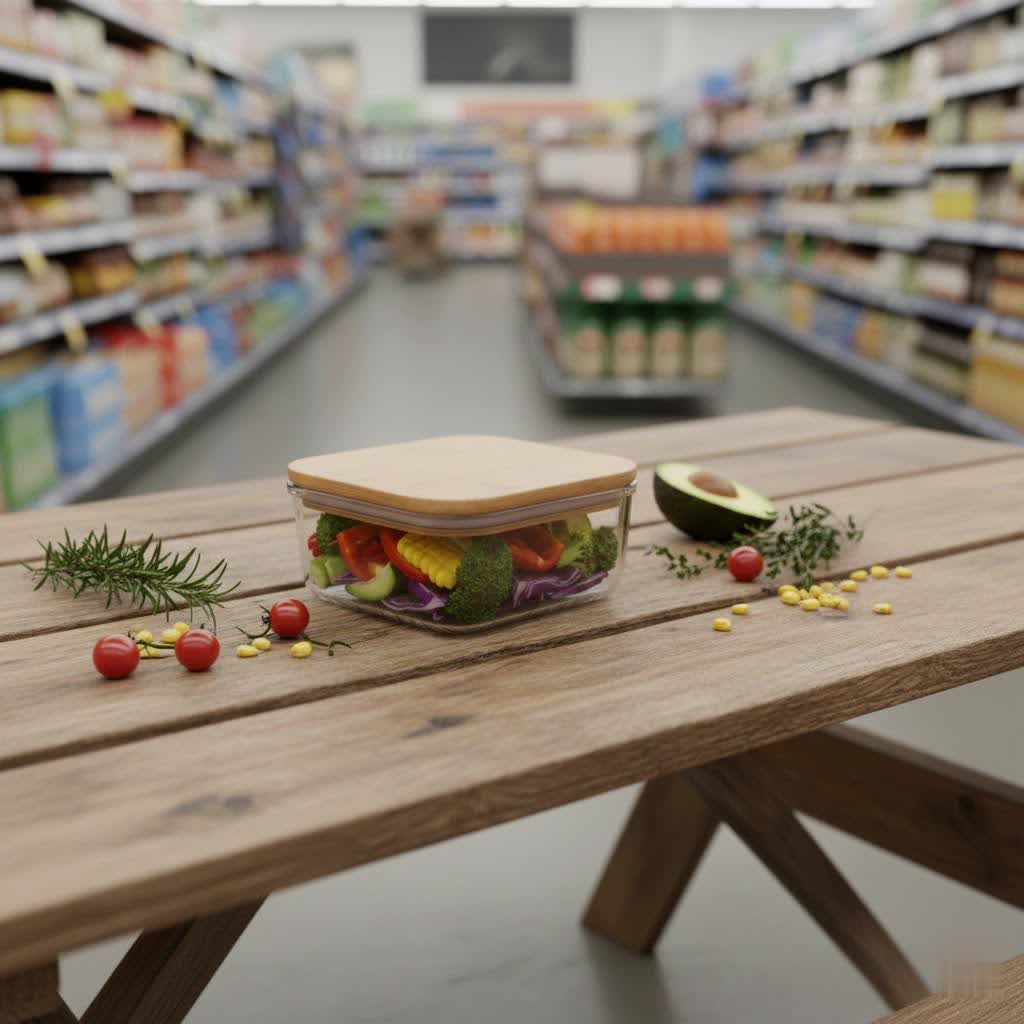
What Are Large Food Storage Containers? Why Do You Need Them?
Large food storage containers are precisely what they sound like: vessels designed to hold substantial quantities of food. Unlike their smaller counterparts used for individual meal portions, these containers cater to bulk ingredients, generous batches of meal-prepped meals, or large volumes of leftovers. They are indispensable tools for anyone looking to optimize their kitchen workflow and minimize food waste.
The benefits of incorporating large food storage containers into your kitchen system are numerous:
- Preserving Freshness: The primary advantage of high-quality large containers is their ability to create an airtight and often leakproof seal. This barrier protects food from air exposure, moisture, and potential contaminants, significantly slowing down oxidation, preventing freezer burn, and ensuring your ingredients and meals stay fresh, flavorful, and safe for extended periods.
- Maximizing Space & Organization: A cluttered pantry or refrigerator is not only unsightly but also inefficient. Large food containers, especially those with stackable and modular designs, can transform chaotic shelves into a neatly organized grid. Rectangular and square shapes are particularly efficient, maximizing usable space compared to round containers which can leave awkward gaps.
- Reducing Food Waste: When food is properly stored, it lasts longer. This directly translates to less spoilage and fewer items ending up in the trash. By keeping ingredients fresh and easily visible, you’re more likely to use them before they expire.
- Convenience & Efficiency: Clear containers allow for at-a-glance identification of contents, saving you time rummaging through your pantry. Many large containers are also designed for easy access, making meal preparation and serving much more efficient.
- Cost Savings: Buying ingredients in bulk is often more economical. Large food storage containers allow you to take advantage of these savings without compromising freshness or risking spoilage, helping your grocery budget stretch further.
- Environmental Impact: Opting for durable, reusable large food storage containers reduces your reliance on single-use plastic bags and disposable packaging, contributing to a more sustainable kitchen and a healthier planet.
Popular Types of Large Food Storage Containers on the Market
The world of large food storage containers is diverse, with options varying widely by material, shape, size, and specialized features. Understanding these categories is key to making informed choices for your home.
By Material
The material of your food container impacts its durability, safety, temperature resistance, and overall utility.
- Plastic:
- Pros: Generally lightweight, durable, and shatter-proof, making them a practical and often economical choice. Many modern plastic containers are BPA-free, ensuring food safety. They are often versatile enough for the freezer, microwave (with vents), and dishwasher. Polypropylene is a common, translucent, BPA-free option with high chemical resistance, while polyethylene is a durable, stain-resistant choice.
- Cons: Can sometimes absorb odors or stains, especially from highly pigmented or oily foods like tomato sauce. Not all plastics are suitable for microwave or oven use.
- Glass:
- Pros: Glass is prized for its inertness; it doesn’t absorb odors, stains, or flavors, and no chemicals can leach into food. It offers crystal-clear visibility, is easy to clean, and is safe for use in the fridge, freezer, microwave, and often the oven (without the lid). Borosilicate glass is particularly resistant to thermal shock.
- Cons: Heavier and more fragile than plastic, making them less ideal for transport or households with young children. Generally a more expensive upfront investment.
- Stainless Steel:
- Pros: Exceptionally durable, rust-resistant, and doesn’t stain or absorb food odors or flavors. Stainless steel is excellent at maintaining temperature, making it ideal for both hot and cold storage. It’s a great plastic-free alternative.
- Cons: Opaque, so you can’t see the contents without opening the lid. Not safe for microwave use. Often comes with plastic lids. Can be heavy and more expensive.
- Ceramic:
- Pros: Often chosen for aesthetic appeal, ceramic containers can be beautiful additions to a countertop or pantry. They are good at keeping dry goods cool and protected from light.
- Cons: Very heavy and highly breakable. Lids might not be airtight for long-term freshness, making them better suited for short-term storage or dry goods.
- Silicone:
- Pros: Flexible, durable, and resistant to extreme temperatures, making silicone bags or collapsible containers great for freezing, reheating, and saving space when empty. They are often non-toxic and reusable.
- Cons: Less rigid, so they may not be ideal for stacking heavy items or maintaining shape under pressure.
|
Our Picks for the Best Food Container in 2026
As an Amazon Associate I earn from qualifying purchases.
|
||
| Num | Product | Action |
|---|---|---|
| 1 | Rubbermaid Brilliance Food Storage Containers BPA Free Airtight Lids Ideal for Lunch Meal Prep & Leftovers Set of 5 (3.2 Cup) |

|
| 2 | Rubbermaid Brilliance BPA-Free Food Storage Containers, Medium Deep, 4.7 Cup, 2-Pack, Airtight & Leak-Proof, Microwave & Dishwasher Safe |
|
| 3 | Bentgo Prep - 20-Piece 1-Compartment Reusable Meal Prep Containers with Lids, PFAS & BPA Free Materials, Durable, Microwave, Freezer, & Dishwasher Safe To Go Food Storage (Mint) |
|
| 4 | 60 Sets (120-Piece) Deli Containers with Lids, 32/16/8 oz X 20 Set Each, Leak-Proof & BPA Free Airtight Takeout Plastic Food Storage Containers for Soup, Freezer/Microwave/Dishwasher Safe |
|
| 5 | Rubbermaid Brilliance BPA Free Airtight Food Storage Containers with Lids, Set of 4 (4.7 Cup) Ideal for Lunch, Meal Prep, and Leftovers |
|
| 6 | 50 Pack (100-Piece) 24 oz Meal Prep Containers Reusable with Lids, Sturdy Leakproof & Food Safe, Microwave, Freezer, Dishwasher Safe Prep Containers, To Go Take Out Plastic Food Storage |
|
| 7 | Rubbermaid Brilliance Large Food Storage Container, 9.6 Cup, BPA-Free, Leak-Proof, Clear |
|
| 8 | 50 Pack (100-Piece) 32 oz Meal Prep Containers Reusable with Easy Open Lids, Sturdy Leakproof Food Safe, Microwave Freezer Dishwasher Safe, To Go Take Out Plastic Food Storage Pans with Lids, Black |
|
| 9 | Vtopmart 8 Pack Glass Food Storage Containers with Airtight Lids, Glass Meal Prep Containers, Lunch Office Meal for Microwave, Oven, Freezer and Dishwasher, BPA Free |
|
| 10 | Ankou Airtight Food Storage Container with Pop Lid & 130ml Scoop, 4L/4.2qt *4 BPA-Free Cereal, Rice, Flour, Pasta & Snack Container, Stackable & Durable,Kitchen Pantry Organizer |
|
By Shape and Size
The shape and size of large food containers significantly impact their storage efficiency and suitability for different food types.
- Round Containers: While good for stirring liquids like soups and sauces and potentially allowing faster cooling due to surface area, they can waste significant space when stored side-by-side.
- Square and Rectangular Containers: These are champions of spatial efficiency, maximizing usable storage in pantries, fridges, and freezers by fitting snugly together without creating wasted gaps. They hold more product in a smaller footprint.
- Containers with Compartments: Some larger containers feature built-in dividers, allowing you to store different food items separately within a single unit, ideal for meal prep or picnics.
- Varied Capacities: Large food containers range from capacities suitable for a family-sized meal (e.g., 6-8 cups) to bulk ingredient bins holding several gallons (e.g., 12 gallons for flour or rice), ensuring there’s a size for every need.
By Feature
Specialized features enhance the functionality and convenience of large food storage containers.
- Airtight and Leakproof Seals: Essential for preventing spoilage, keeping food fresh, and safely transporting liquids without spills. Look for containers with robust silicone gaskets and secure locking mechanisms.
- Stackability: A crucial feature for maximizing vertical space in cabinets and refrigerators. Modular designs that fit together perfectly are a significant advantage.
- Microwave, Dishwasher, and Freezer Safe: These features offer immense convenience for reheating, cleaning, and long-term food preservation. Always check manufacturer instructions.
- Ventilation Valves: Some containers have small vents on the lid that can be opened during microwaving to release steam, preventing splatters and pressure buildup.
- Graduation Marks: Measurement markings etched or printed on the container body can be useful for portion control or tracking ingredient quantities.
Comparison Table of Large Food Container Types
Choosing the best large food storage container often comes down to balancing material properties with your specific needs. Here’s a quick comparison:
| Feature / Material | Plastic (BPA-free) | Glass (Borosilicate) | Stainless Steel | Ceramic (Canisters) |
|---|---|---|---|---|
| Durability | Good (shatterproof) | Moderate (breakable) | Excellent | Moderate (breakable) |
| Transparency | Clear/Translucent | Clear | Opaque | Opaque |
| Odor/Stain Res. | Varies (can stain) | Excellent | Excellent | Good |
| Temp Range | Freezer to 210°F | Freezer to Oven | Freezer to Oven (No Microwave) | Room temp (some oven safe) |
| Microwave Safe | Some (with vent) | Yes (container only) | No | No (typically) |
| Dishwasher Safe | Most | Yes | Yes | Yes |
| Weight | Lightweight | Heavy | Moderate/Heavy | Heavy |
| Cost | Economical | Moderate/High | High | Moderate/High |
| Health Safety | Excellent (BPA-free) | Excellent | Excellent | Excellent |
| Seal Quality | Varies (good options exist) | Excellent (with good lid) | Good (with good lid) | Varies (often less airtight) |
| Best For | Everyday use, meal prep, pantry dry goods | Leftovers, baking, oven cooking, general storage | Long-term dry goods, cold storage, packed lunches | Countertop display, dry goods (short-term) |
How to Choose the Right Large Food Storage Container
Selecting the perfect large food storage containers requires a thoughtful approach, considering both your lifestyle and the specific demands of your kitchen.
Determine Your Usage Needs
Before you buy, ask yourself:
- What type of food will you store? Dry staples like flour, sugar, pasta, or cereals? Liquids like soups or sauces? Fresh produce? Large batches of cooked meals? Pet food? This will guide your material and seal choices.
- What capacity do you need? Are you looking for containers for family-sized leftovers, or genuinely large bins for bulk purchases of rice and grains? Large can mean anything from 8 cups to 12 gallons.
- Where will they be stored? Pantry, refrigerator, freezer, or countertop? This dictates required temperature resistance and aesthetic considerations.
- Do you need special features? Will you be microwaving, oven-baking, or transporting liquids frequently? Look for features like microwave vents, oven-safe glass, or robust leakproof seals.
Prioritize Safe Materials
Always opt for materials that are safe for food contact. For plastics, ensure they are explicitly labeled BPA-free. Look for borosilicate glass for better thermal shock resistance or food-grade stainless steel (e.g., 304 grade). Checking for certifications like NSF Listed can provide assurance of commercial-grade sanitation and safety standards, especially for more heavy-duty options.
Evaluate Durability and Temperature Resistance
A good large food storage container should be built to last.
- Choose containers with thick, robust construction that can withstand daily use, stacking, and occasional bumps.
- Verify that the material can safely handle the temperatures you intend to use it in. This means freezer-safe for long-term preservation, and microwave or oven-safe if you plan to reheat or cook in them. Avoid sudden temperature changes with glass to prevent thermal shock.
Consider Practicality and Design
Thoughtful design features can make a significant difference in daily use.
- Lid Quality: This is paramount. Look for thick, pliable silicone gaskets that create a truly airtight seal. Locking mechanisms should engage with firm, positive pressure. Removable gaskets are a plus for thorough cleaning to prevent mold growth.
- Stackability and Shape: Containers with straight, 90-degree walls and square or rectangular shapes maximize usable space and stack efficiently, preventing wasted room in your cabinets or fridge. Tapered or rounded designs often lead to dead zones.
- Visibility: Clear plastic or glass containers allow you to easily see contents, preventing forgotten food and reducing duplicates.
- Ease of Cleaning: Dishwasher-safe containers save time and effort. Look for designs without intricate crevices where food can get trapped.
Refer to User Reviews and Expert Opinions
Before committing, take time to read online reviews from other users on e-commerce sites or consult expert evaluations from reputable review sites. Look for consistent feedback regarding airtightness, durability, ease of cleaning, and overall performance in real-world scenarios.
Top 5 Large Food Storage Containers Recommended
Based on extensive testing and user feedback, several brands consistently stand out for their quality and performance in the large food storage category.
- Rubbermaid Brilliance Food Storage Containers (Plastic & Glass): Widely lauded for their exceptional airtight and leakproof seals, transparent clarity, and stackable design. The plastic versions are durable and stain-resistant, while the glass options offer oven-safe versatility. They are generally microwave, dishwasher, and freezer safe.
- Glasslock Assorted Oven Safe Container Set (Glass): This set is a favorite for its sturdy borosilicate glass construction, strong airtight locks, and stackability. Users appreciate that the glass is oven-safe, doesn’t stain, and keeps food very fresh.
- OXO Good Grips POP Containers (Plastic): Excellent for dry goods, these containers feature a unique “pop-on” button mechanism that creates an airtight seal. Their modular, straight-walled design makes them highly stackable and efficient for pantry organization.
- Vtopmart Large Food Storage Containers (Plastic): Often recommended for bulk pantry storage, these plastic containers are praised for being leakproof, airtight, and resistant to stains and odors. They are typically dishwasher safe and come with accessories like labels and scoops.
- Hyper Tough Heavy Duty Storage Bins (Plastic): For exceptionally large bulk storage needs, such as pet food, large bags of flour, or garden supplies, these robust plastic bins with snap-on lids offer impressive volume capacity and durability.
Tips for Using and Maintaining Your Large Food Storage Containers
Proper care and usage are essential to maximize the lifespan and effectiveness of your large food storage containers.
- Clean Immediately: To prevent stubborn stains and odors, wash your containers as soon as possible after use, especially after storing highly pigmented foods like tomato sauce or oily meals.
- Proper Washing: Always follow the manufacturer’s cleaning instructions. While many are dishwasher safe, handwashing may be recommended for certain lids or gaskets to preserve their seal integrity. Remove and thoroughly clean silicone gaskets regularly, as moisture can get trapped underneath, leading to mold or mildew.
- Eliminate Odors: If plastic containers retain food odors, try soaking them in a solution of baking soda and water, rubbing with lemon rinds, or placing crumpled newspaper inside and leaving them in direct sunlight.
- Avoid Thermal Shock (for Glass): While glass is versatile, avoid placing very hot glass containers directly into a cold refrigerator or freezer, and vice versa. Allow food to cool to room temperature before refrigerating/freezing, and let frozen glass containers warm up slightly before putting them in a hot oven.
- Don’t Overfill: Leave some headspace, especially with liquids that expand when frozen, to prevent damage to the container or lid.
- Smart Storage: When empty, store containers with their lids unsealed or slightly ajar to allow for air circulation and prevent moisture or odors from getting trapped. Stack them carefully to avoid putting undue stress on the plastic or glass.
- What to Avoid:
- Microwaving metal or certain plastics not labeled as microwave-safe.
- Using abrasive scrubbers on clear plastics, which can cause scratches.
- Over-tightening lids, which can warp gaskets over time.
“Investing in high-quality large food storage containers isn’t just about tidying up; it’s about creating a proactive system that prevents food waste, saves time, and transforms your kitchen into a more efficient space.” – Alex Nguyen, Kitchen Organization Specialist at reviewccus.com
Conclusion
Large food storage containers are more than just simple boxes; they are foundational tools for a well-managed, sustainable, and cost-effective kitchen. By understanding the diverse range of materials, shapes, and features available, you can make informed choices that dramatically improve how you preserve food, organize your space, and manage your household’s provisions. From airtight plastic solutions for bulk dry goods to versatile glass containers for meal prep and leftovers, the right storage can keep your ingredients fresher, your pantry neater, and your cooking more enjoyable. It’s an investment that pays dividends in convenience, savings, and peace of mind.
What large items in your pantry are most in need of a storage upgrade today?
Frequently Asked Questions
Are large food storage containers freezer safe?
Most large food storage containers made from plastic, glass (especially borosilicate), or stainless steel are designed to be freezer safe. Always check the product label for specific temperature ratings to ensure they can withstand freezing temperatures without cracking or becoming brittle.
How do I remove stains from plastic food containers?
For plastic containers with stubborn stains, try creating a paste with baking soda and a little water, spreading it over the stain, and letting it sit for several hours or overnight before scrubbing and rinsing. Lemon juice and exposure to direct sunlight can also help bleach out stains naturally.
Can I put hot food directly into large glass containers?
It’s generally recommended to allow very hot food to cool slightly before transferring it to glass containers, especially if they are going directly into the refrigerator or freezer. This helps prevent thermal shock, which can cause glass to crack or break.
What does “BPA-free” mean for food containers?
“BPA-free” means that the plastic used in the food container does not contain Bisphenol A, a chemical that has been a concern due to its potential to leach into food and beverages. Opting for BPA-free plastic is a good choice for health and safety.
How do I ensure my large food containers are truly airtight?
To ensure your large food containers are truly airtight, look for lids with robust, flexible silicone gaskets and secure locking mechanisms or clasps that create a tight seal. Inspect gaskets regularly for damage or wear, as this can compromise airtightness.
