Are you meticulously planning meals and choosing fresh ingredients, only to store them in containers that might undermine your efforts? Many conventional food storage solutions, especially older plastic ones, can leach harmful chemicals into your food. This comprehensive guide will illuminate the world of BPA free food storage containers, helping you make informed choices for a healthier kitchen and a safer family.
What Are BPA Free Food Storage Containers and Why Do You Need Them?
Bisphenol A (BPA) is an industrial chemical that has been used since the 1960s to make certain plastics and resins, including those found in some food and drink packaging. Unfortunately, studies have linked BPA exposure to various health concerns, such as hormonal disruptions, fertility issues, developmental problems in children, and even an increased risk of certain cancers and heart disease. This chemical can leach into your food and beverages, especially when exposed to heat, acidic ingredients, or prolonged storage.
Choosing “BPA free” food storage containers means opting for products explicitly manufactured without this specific chemical. This is a critical step towards minimizing your exposure to harmful substances in your daily diet. By making this switch, you ensure that your food remains pure, untainted by chemical leaching, and maintains its original flavor and quality. Beyond personal health, BPA free options often align with more sustainable and environmentally friendly practices, as many are designed for durability and reusability, reducing reliance on single-use plastics.
Common Types of BPA Free Food Storage Containers
The market offers a diverse range of BPA free food storage solutions, each with unique advantages and considerations. Understanding the different types based on material, shape, and features will help you select the best fit for your lifestyle.
By Material
The material of your food container is arguably the most crucial factor, influencing safety, durability, and suitability for various uses.
-
Plastic (BPA-Free)
While the term “BPA-free plastic” might seem reassuring, it’s essential to look for plastics made from specific types. Common safe plastics include Tritan, and those marked with recycling codes #2 (HDPE – High-Density Polyethylene), #4 (LDPE – Low-Density Polyethylene), and #5 (PP – Polypropylene).- Pros: Generally lightweight, durable, often transparent for easy content identification, and more affordable than other materials. Many are designed to be freezer-safe, microwave-safe (without lids), and dishwasher-safe.
- Cons: Some “BPA-free” plastics may still contain other bisphenols like BPS or BPF, which can pose similar health risks. It’s often recommended to avoid heating any plastic, even BPA-free, in the microwave.
-
Glass
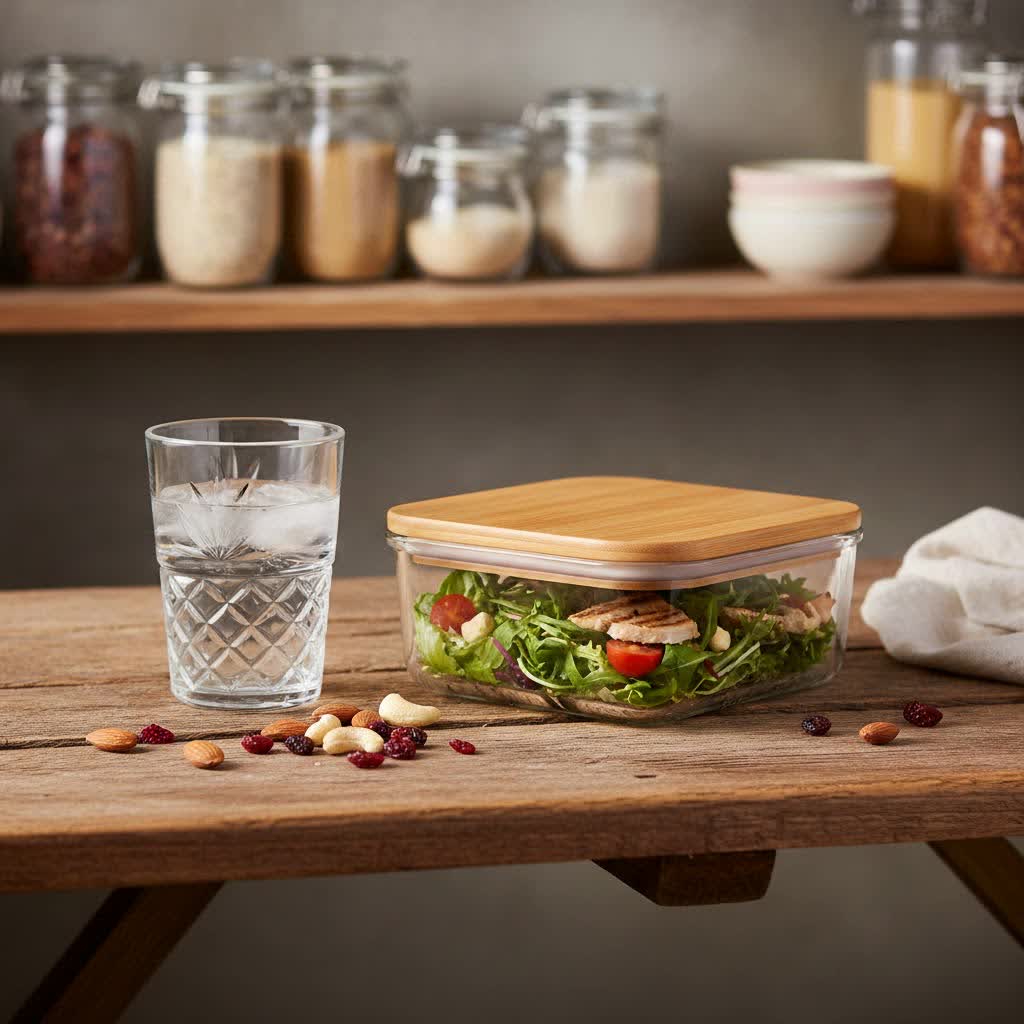
Glass is a classic choice for food storage due to its inert properties and versatility.- Pros: Completely non-toxic, non-porous (meaning it won’t absorb odors or stains), and safe for use in the refrigerator, freezer, oven, and microwave (lids typically excluded in oven/microwave). It’s also easy to clean and maintain its clarity over time. Glass offers peace of mind regarding chemical leaching.
- Cons: Heavier and more fragile than plastic, making it less ideal for on-the-go meals or households with young children where breakage is a concern.
-
Stainless Steel
For unparalleled durability and a sleek aesthetic, stainless steel is an excellent alternative to plastic.- Pros: Extremely tough, chemical-free, and resistant to staining and odors. It’s lightweight compared to glass, making it suitable for packed lunches and outdoor activities. Stainless steel is perfect for storing both hot and cold foods, and it’s highly recyclable.
- Cons: Opaque, so you can’t see the contents without opening the lid. Most stainless steel containers are not microwave-safe.
-
Silicone
Food-grade silicone offers flexibility and convenience, often seen in reusable bags and collapsible containers.- Pros: Naturally BPA-free, flexible, lightweight, and durable. It’s heat-resistant, making it safe for freezing, microwaving, and even oven use (check product specifications). High-quality, platinum-grade silicone won’t leach chemicals or retain odors.
- Cons: Can sometimes absorb strong food odors if not cleaned properly or if lower quality. Might not be suitable for all types of rigid storage needs.
-
Ceramic
Often used for aesthetically pleasing storage, ceramic can go directly from the fridge to the table.- Pros: Non-reactive, naturally non-toxic, and maintains food integrity without altering taste, even with acidic foods. Can be quite beautiful and double as serving dishes.
- Cons: Breakable and typically heavier than other materials. Not all ceramic is safe for all appliances; always check labels for food-safe and dishwasher-friendly certifications.
|
Our Picks for the Best Food Container in 2026
As an Amazon Associate I earn from qualifying purchases.
|
||
| Num | Product | Action |
|---|---|---|
| 1 | Vtopmart 8 Pack Glass Food Storage Containers with Airtight Lids, Glass Meal Prep Containers, Lunch Office Meal for Microwave, Oven, Freezer and Dishwasher, BPA Free |

|
| 2 | 60 Sets (120-Piece) Deli Containers with Lids, 32/16/8 oz X 20 Set Each, Leak-Proof & BPA Free Airtight Takeout Plastic Food Storage Containers for Soup, Freezer/Microwave/Dishwasher Safe |
|
| 3 | Bentgo Prep - 20-Piece 1-Compartment Reusable Meal Prep Containers with Lids, PFAS & BPA Free Materials, Durable, Microwave, Freezer, & Dishwasher Safe To Go Food Storage (Mint) |
|
| 4 | 50 Pack (100-Piece) 32 oz Meal Prep Containers Reusable with Easy Open Lids, Sturdy Leakproof Food Safe, Microwave Freezer Dishwasher Safe, To Go Take Out Plastic Food Storage Pans with Lids, Black |
|
| 5 | 50 Pack (100-Piece) 24 oz Meal Prep Containers Reusable with Lids, Sturdy Leakproof & Food Safe, Microwave, Freezer, Dishwasher Safe Prep Containers, To Go Take Out Plastic Food Storage |
|
| 6 | Rubbermaid Brilliance Food Storage Containers BPA Free Airtight Lids Ideal for Lunch Meal Prep & Leftovers Set of 5 (3.2 Cup) |
|
| 7 | Rubbermaid Brilliance BPA-Free Food Storage Containers, Medium Deep, 4.7 Cup, 2-Pack, Airtight & Leak-Proof, Microwave & Dishwasher Safe |
|
| 8 | Rubbermaid Brilliance BPA Free Airtight Food Storage Containers with Lids, Set of 4 (4.7 Cup) Ideal for Lunch, Meal Prep, and Leftovers |
|
| 9 | Ankou Airtight Food Storage Container with Pop Lid & 130ml Scoop, 4L/4.2qt *4 BPA-Free Cereal, Rice, Flour, Pasta & Snack Container, Stackable & Durable,Kitchen Pantry Organizer |
|
| 10 | Rubbermaid Brilliance Large Food Storage Container, 9.6 Cup, BPA-Free, Leak-Proof, Clear |
|
By Shape and Size
Food containers come in a myriad of shapes and sizes to accommodate diverse storage needs.
- Round, Square, and Rectangular: These are the most common shapes. Square and rectangular containers are often preferred for maximizing space efficiency in refrigerators and pantries, as they stack neatly.
- Compartmentalized: Ideal for meal prepping, allowing you to keep different food items separate within a single container.
- Mini to Large: From small snack-sized options to large bulk storage containers for pantry staples, choosing the right capacity is essential for effective organization and food preservation.
By Feature
Modern food containers boast various features designed to enhance convenience and performance.
- Airtight and Leakproof: Essential for preventing spills and keeping food fresh by minimizing exposure to air and moisture. Look for silicone gaskets and secure locking mechanisms.
- Microwave-Safe: Allows for convenient reheating (note: typically for glass and specific BPA-free plastics without the lid).
- Freezer-Safe: Designed to withstand freezing temperatures without cracking or becoming brittle, perfect for long-term food preservation.
- Dishwasher-Safe: Simplifies cleanup, making daily use more practical. Always check if both the container and lid are suitable for the dishwasher.
- Stackable and Nestable: Helps optimize storage space in your cabinets when not in use.
Comparison Table: BPA-Free Food Container Materials
| Feature | BPA-Free Plastic (Tritan, PP, HDPE, LDPE) | Glass | Stainless Steel | Silicone (Food-Grade) | Ceramic |
|---|---|---|---|---|---|
| Durability | Good (shatter-resistant) | Moderate (breakable) | Excellent (dent-resistant) | Excellent (flexible, soft) | Moderate (breakable) |
| Heat Resistance | Limited (check specific labels, avoid microwave for some) | Excellent (oven, microwave safe without lid) | Low (not microwave safe) | Excellent (oven, microwave safe) | Excellent (oven, microwave safe) |
| Health Safety | Good (BPA-free, but may contain BPS/BPF) | Excellent (inert, non-leaching) | Excellent (inert, non-leaching) | Excellent (inert, non-leaching) | Excellent (inert, non-leaching) |
| Transparency | High | High | Low (Opaque) | Low (Translucent) | Low (Opaque) |
| Odor/Stain Res. | Moderate | Excellent | Excellent | Good | Excellent |
| Weight | Lightweight | Heavy | Moderate | Very Lightweight | Heavy |
| Price | Low to Moderate | Moderate to High | Moderate to High | Moderate to High | Moderate to High |
| Convenience | High (portable, stackable) | Moderate (heavy, can break) | High (portable, durable) | High (flexible, collapsible) | Moderate (heavy, can break) |
How to Choose the Right BPA Free Food Storage Containers
Selecting the ideal BPA free food storage containers requires a thoughtful approach, balancing safety with your practical needs.
Assess Your Needs
Begin by considering how you plan to use the containers.
- What type of food will you store? Dry goods, liquids, oily foods, acidic sauces, or meal preps? This will influence the material and seal quality you need.
- What capacity do you require? Are you packing single-serve lunches, storing family-sized leftovers, or organizing bulk pantry items?
- Do you need specific features? Will you be microwaving, freezing, or taking containers on the go? If so, look for containers explicitly labeled microwave-, freezer-, and leakproof.
Prioritize Safe Materials
When it comes to direct food contact, especially with heat, prioritize the most inert materials.
- Glass, stainless steel, and platinum-grade silicone are generally considered the safest options as they are non-reactive and do not leach chemicals.
- If choosing plastic, ensure it’s explicitly labeled “BPA-free.” Also, look for plastics with recycling codes #2, #4, or #5. Be aware that some “BPA-free” plastics may contain other bisphenols, so for maximum safety, minimize plastic use where possible, especially for heating. Always verify any safety certifications on the product label.
Check Durability and Temperature Resistance
A good food container should withstand the rigors of daily kitchen life.
- Choose containers made from thick, robust materials that won’t easily crack, warp, or shatter.
- Confirm their temperature compatibility – can they go from the freezer to the microwave (without lids for most plastics/silicones) or into the oven (for glass/ceramic)?
- For lids, look for strong, flexible materials that form a tight seal and won’t degrade over time.
Consider Practicality and Ease of Use
The best containers are those you’ll actually use consistently.
- Airtight and Leakproof Seals: This is paramount for freshness and preventing messes. Look for secure locking lids with silicone gaskets.
- Stackability and Nestability: To save valuable cabinet and refrigerator space, opt for designs that stack or nest efficiently.
- Ease of Cleaning: Containers with smooth surfaces and minimal crevices are easier to clean. Dishwasher-safe options save time and effort. Avoid overly complicated lid designs.
Read Reviews and Certifications
Before purchasing, take time to read user reviews on e-commerce sites and forums. Real-world experiences can highlight practical pros and cons not always evident from product descriptions. Look for mention of safety certifications, especially from reputable third-party organizations.
Top 5 BPA Free Food Storage Containers You Should Consider
When seeking reliable and safe food storage, certain types and brands consistently receive high praise for their quality and performance. Here are five categories of BPA free food containers worth considering for your kitchen:
-
Glass Storage Sets with Airtight Lids: Brands like Glasslock, Pyrex Ultimate, and OXO Good Grips offer versatile glass containers with BPA-free plastic or bamboo lids and silicone seals. These are excellent for meal prep, leftovers, and oven-to-table serving, providing superior clarity and non-reactive storage. Many feature tempered glass for added durability.
-
High-Quality BPA-Free Plastic Systems: For those who prefer the lightweight and shatter-resistant qualities of plastic, options like Rubbermaid Brilliance stand out. These often use Tritan plastic, which is BPA, BPS, and BPF-free, combined with strong locking lids for an airtight, leakproof seal. They are typically safe for microwave (with vent open) and dishwasher use.
-
Food-Grade Silicone Bags and Containers: Stasher bags are a popular example of platinum-grade silicone storage, offering flexible, reusable alternatives to single-use plastic bags. They are fantastic for snacks, freezing, sous vide cooking, and on-the-go lunches. Collapsible silicone containers are also great for saving space when not in use.
-
Stainless Steel Containers for Portability: Ideal for lunchboxes and picnics, stainless steel containers from brands like GreenLunch or Ecolunchbox are robust, chemical-free, and perfect for transporting food without worrying about breakage. They are excellent for both hot and cold items but are not microwave-safe.
-
Ceramic Coated Glass Containers: Some innovative brands, such as Caraway, offer glass containers with ceramic-coated interiors (or entirely ceramic options) which combine the benefits of non-reactive storage with aesthetic appeal. These are often oven-safe and provide a premium, non-toxic storage experience, though they tend to be a higher investment.
Tips for Using and Maintaining Your BPA Free Food Containers
Proper usage and maintenance are key to maximizing the lifespan and safety of your BPA free food containers.
-
Cleaning Correctly:
- Glass and Stainless Steel: Generally dishwasher-safe. For stubborn stains or odors, a baking soda paste can work wonders.
- Plastic: While many BPA-free plastics are dishwasher-safe (top rack recommended), hand washing with warm, soapy water can help prolong their life and prevent potential warping or scratching over time. Avoid abrasive scrubbers that can damage the surface.
- Silicone: Dishwasher safe. For greasy residues, a sprinkle of baking soda or a soak in hot, soapy water can help.
-
Eliminating Odors: For persistent food odors, especially in plastic or silicone, try these methods:
- Lemon and Sun: Rub a lemon wedge inside the container and let it sit in direct sunlight for a few hours.
- Baking Soda Paste: Mix baking soda with a little water to form a paste, spread it inside the container, let it sit overnight, then rinse.
- Activated Charcoal: Place a small piece of activated charcoal in the container and seal it for a day or two.
-
Extending Longevity:
- Avoid Extreme Temperature Shocks: While glass is generally oven/freezer safe, avoid placing a very hot glass container directly into cold water or vice-versa to prevent thermal shock.
- Don’t Overfill: Leave some space for expansion when freezing liquids to prevent cracking.
- Store Lids Separately or Loosely: This helps maintain the integrity of seals and prevents odors from becoming trapped.
- Handle with Care: Particularly for glass and ceramic, avoid dropping or hitting against hard surfaces.
-
What to Avoid:
- Heating Plastic Without Checking: Never microwave plastic containers unless explicitly labeled as “microwave-safe” and follow instructions (e.g., vent open). Even then, for hot foods, glass or ceramic is a safer bet.
- Harsh Chemicals: Avoid bleach or abrasive cleaners, which can damage materials and potentially leave residues.
- Sharp Utensils: Minimize using metal utensils in plastic or silicone containers to prevent scratching, which can create areas for bacteria to harbor or accelerate degradation.
> “The commitment to BPA-free food storage is more than a trend; it’s a fundamental shift towards conscious living, ensuring that what we consume is as pure as the intention behind preparing it.” – Dr. Elena Petrova, Environmental Health Specialist
Conclusion
Choosing BPA free food storage containers is a simple yet impactful decision for safeguarding your health and contributing to a more sustainable lifestyle. By understanding the risks associated with BPA and exploring the wide array of safe material alternatives—from durable glass and robust stainless steel to flexible silicone and elegant ceramic—you can curate a kitchen that genuinely supports your well-being. Prioritizing inert materials, checking for proper certifications, and adopting mindful usage habits ensure that your stored food remains fresh, uncontaminated, and ready to nourish you and your family. Make the switch today and experience the peace of mind that comes with making healthier, informed choices in your kitchen.
What steps will you take to transition to a BPA free kitchen and enhance your food storage practices?
Frequently Asked Questions
Are all “BPA-free” plastics truly safe?
While “BPA-free” plastics like Tritan eliminate Bisphenol A, some may contain alternative bisphenols such as BPS or BPF, which can have similar endocrine-disrupting properties. For maximum safety, glass, stainless steel, or platinum-grade silicone are often recommended, especially for food that will be heated.
Can I microwave BPA-free plastic containers?
Always check the product label for “microwave-safe” indications. If it is labeled safe, typically remove or unseal the lid and use it for reheating rather than cooking. For heating, glass or ceramic containers are generally considered a safer and more reliable choice to prevent any potential chemical leaching.
What are the recycling codes for safe plastic food storage?
When choosing plastic, look for recycling codes #2 (HDPE – High-Density Polyethylene), #4 (LDPE – Low-Density Polyethylene), and #5 (PP – Polypropylene). These types of plastics are generally considered safer for food storage compared to others.
How can I tell if a container is BPA-free?
Look for explicit “BPA-free” labels on the product packaging or the container itself. For plastic containers, checking the recycling code at the bottom can also provide clues (avoid #3, #6, and #7 “Other” unless specified as BPA-free Tritan).
Are glass containers always BPA-free?
Yes, glass itself is naturally BPA-free and non-toxic. However, the lids for glass containers are often made of plastic. When purchasing glass containers, ensure that the lids are also made from BPA-free plastic or other safe materials like bamboo or stainless steel, particularly if they will come into contact with food.
