Are your kitchen cabinets overflowing with mismatched containers and lingering food odors? Do you often find your leftovers spoiled before you can enjoy them, or struggle to find the right container for your meal prep? Finding the perfect food storage containers can transform your kitchen, keeping ingredients fresh, meals organized, and your family healthy. This comprehensive guide will walk you through everything you need to know about selecting, using, and maintaining the best food storage containers for your home.
What Are Food Containers and Why Do You Need Them?
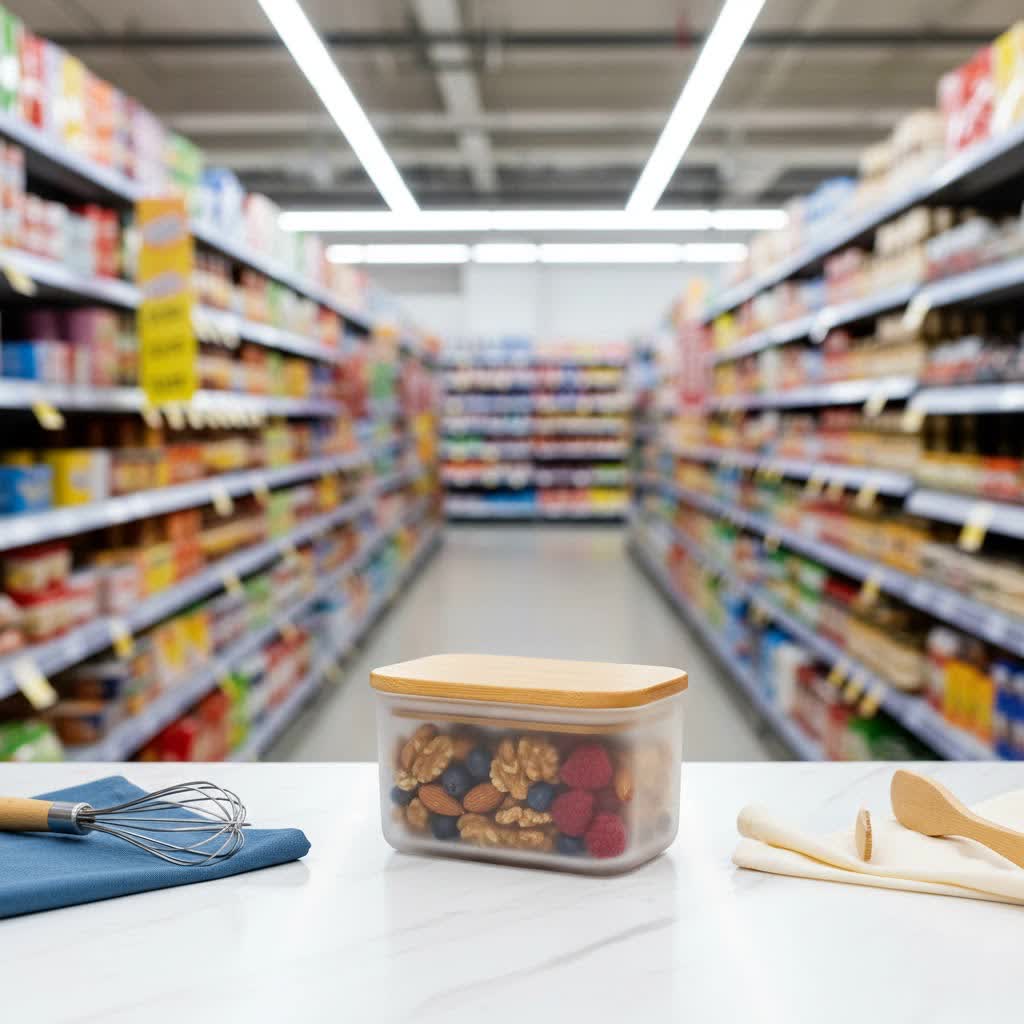
Food containers are essential kitchen tools designed to store, preserve, and transport food efficiently. Beyond mere organization, they play a crucial role in maintaining food quality, preventing waste, and simplifying your daily routine. By creating an airtight barrier, they protect food from air exposure, moisture, and contaminants, significantly extending its shelf life and preserving its taste and texture.
The benefits of using high-quality food containers are numerous. They help keep food fresh longer, reduce food waste by making leftovers more appealing, and offer unparalleled convenience for meal prepping and on-the-go meals. Opting for reusable containers also contributes to environmental protection by minimizing the reliance on single-use plastics. Ultimately, investing in the right food storage solutions can save you time, money, and elevate your cooking and dining experience.
Popular Types of Food Containers on the Market
The market offers a wide array of food containers, each varying by material, shape, size, and specific features. Understanding these distinctions is key to choosing products that best suit your lifestyle and storage needs.
By Material
The material of a food container dictates its durability, safety, heat resistance, and overall utility.
- Plastic:
- Pros: Lightweight, cost-effective, often shatter-resistant, and comes in many shapes and sizes. Many plastic containers are suitable for microwaves, freezers, and dishwashers.
- Cons: Can stain easily (especially with tomato-based sauces), may retain odors, and some plastics can warp with extreme temperature changes.
- Safe Plastic Types: Always look for containers labeled “BPA-free” (Bisphenol A-free) to avoid potential chemical leaching. Safer plastic types often include numbers 2, 4, and 5 in the recycling triangle. Avoid plastics marked with “PC” or a number 7 if not explicitly labeled BPA-free, as these may contain harmful chemicals.
- Glass:
- Pros: Non-reactive (won’t leach chemicals or absorb odors/stains), highly durable, transparent for easy content identification, and often oven, microwave, freezer, and dishwasher safe. Ideal for acidic or oily foods.
- Cons: Heavier and more fragile than plastic, prone to breaking if dropped or subjected to thermal shock (rapid temperature changes).
- Stainless Steel:
- Pros: Extremely durable, chemical-free, doesn’t stain or absorb odors, and excellent at maintaining temperature. Perfect for those avoiding plastic and great for cold storage or packed lunches.
- Cons: Not microwave-safe, often opaque (can’t see contents), and typically more expensive.
- Ceramic:
- Pros: Aesthetically pleasing for countertop display, non-reactive, and can be used for both storage and serving. High-quality ceramic is naturally non-toxic.
- Cons: Fragile, heavy, and often not suitable for microwave or oven unless specified. Lids may require hand-washing.
- Silicone:
- Pros: Flexible, lightweight, durable, non-toxic (ensure food-grade), and often collapsible for space-saving storage. Great for snacks, small meals, and freezer storage.
- Cons: Can be more expensive, some may absorb odors over time, and can feel less rigid than other materials.
|
Our Picks for the Best Food Container in 2026
As an Amazon Associate I earn from qualifying purchases.
|
||
| Num | Product | Action |
|---|---|---|
| 1 | Rubbermaid Brilliance Food Storage Containers BPA Free Airtight Lids Ideal for Lunch Meal Prep & Leftovers Set of 5 (3.2 Cup) |

|
| 2 | 50 Pack (100-Piece) 24 oz Meal Prep Containers Reusable with Lids, Sturdy Leakproof & Food Safe, Microwave, Freezer, Dishwasher Safe Prep Containers, To Go Take Out Plastic Food Storage |
|
| 3 | 50 Pack (100-Piece) 32 oz Meal Prep Containers Reusable with Easy Open Lids, Sturdy Leakproof Food Safe, Microwave Freezer Dishwasher Safe, To Go Take Out Plastic Food Storage Pans with Lids, Black |
|
| 4 | Rubbermaid Brilliance BPA-Free Food Storage Containers, Medium Deep, 4.7 Cup, 2-Pack, Airtight & Leak-Proof, Microwave & Dishwasher Safe |
|
| 5 | Vtopmart 8 Pack Glass Food Storage Containers with Airtight Lids, Glass Meal Prep Containers, Lunch Office Meal for Microwave, Oven, Freezer and Dishwasher, BPA Free |
|
| 6 | Bentgo Prep - 20-Piece 1-Compartment Reusable Meal Prep Containers with Lids, PFAS & BPA Free Materials, Durable, Microwave, Freezer, & Dishwasher Safe To Go Food Storage (Mint) |
|
| 7 | Rubbermaid Brilliance BPA Free Airtight Food Storage Containers with Lids, Set of 4 (4.7 Cup) Ideal for Lunch, Meal Prep, and Leftovers |
|
| 8 | 60 Sets (120-Piece) Deli Containers with Lids, 32/16/8 oz X 20 Set Each, Leak-Proof & BPA Free Airtight Takeout Plastic Food Storage Containers for Soup, Freezer/Microwave/Dishwasher Safe |
|
| 9 | Rubbermaid Brilliance Large Food Storage Container, 9.6 Cup, BPA-Free, Leak-Proof, Clear |
|
| 10 | Ankou Airtight Food Storage Container with Pop Lid & 130ml Scoop, 4L/4.2qt *4 BPA-Free Cereal, Rice, Flour, Pasta & Snack Container, Stackable & Durable,Kitchen Pantry Organizer |
|
By Shape and Size
The design of a food container significantly impacts its functionality and how well it fits into your storage spaces.
- Round Containers: Good for soups, sauces, and easy mixing, but can be less space-efficient in refrigerators and cabinets compared to rectangular shapes.
- Square/Rectangular Containers: Excellent for maximizing space in refrigerators, freezers, and pantries as they stack and fit together neatly. Ideal for meal prepping and larger leftovers.
- Containers with Dividers: Perfect for meal prep, keeping different food components separate without needing multiple dishes.
- Mini/Small Containers: Ideal for single servings, snacks, sauces, or small portions of leftovers.
- Large/Bulk Containers: Essential for storing pantry staples like flour, sugar, pasta, or cereal, as well as large batches of cooked food.
By Feature
Specialized features enhance the convenience and performance of food containers.
- Airtight & Leak-proof: The most critical features for preserving freshness and preventing spills. Look for lids with silicone gaskets or secure snap closures.
- Heat-Resistant/Oven-Safe: Primarily found in glass containers, allowing for direct transfer from fridge to oven for reheating or cooking.
- Microwave-Safe: Most plastic and glass containers are microwave-safe, though plastic lids may require venting or removal. Always check manufacturer instructions.
- Freezer-Safe: Essential for meal prepping and long-term storage. While most containers are freezer-safe, some plastics can become brittle in extreme cold.
- Dishwasher-Safe: A huge convenience. Most glass and stainless steel are fully dishwasher-safe, while many plastic lids are recommended for the top rack only to prevent warping.
- Ventilation Valves: Found on some microwave-safe lids, these allow steam to escape during heating, preventing pressure buildup and splatters.
- Stackable/Nesting: Designs that allow containers and/or lids to fit neatly inside each other, saving valuable storage space.
- Vacuum Seal: Advanced systems that remove air from the container, offering superior freshness preservation for dry goods and delicate items.
Comparison Table: Food Container Materials
| Feature | Plastic (BPA-free) | Glass | Stainless Steel | Ceramic | Silicone |
|---|---|---|---|---|---|
| Durability | Good (shatter-resistant) | Excellent (scratch, stain-proof) | Excellent (virtually indestructible) | Good (but fragile) | Excellent (flexible, tear-resistant) |
| Safety | Good (if BPA-free) | Excellent (non-reactive) | Excellent (non-reactive, chemical-free) | Excellent (non-reactive) | Excellent (food-grade, non-toxic) |
| Heat Resistance | Moderate (microwave-safe, can warp) | High (oven, microwave, freezer safe) | High (not microwave-safe) | Moderate (some oven-safe, check labels) | High (oven, microwave, freezer safe) |
| Transparency | High (clear visibility) | High (clear visibility) | Low (opaque) | Low (opaque) | Low (often translucent or opaque) |
| Stain/Odor Resist | Low (prone to staining, retaining odors) | High (stain, odor-proof) | High (stain, odor-proof) | High (stain, odor-proof) | Moderate (can absorb some odors) |
| Weight | Lightweight | Heavy | Moderate | Heavy | Lightweight |
| Cost | Low to Moderate | Moderate to High | Moderate to High | Moderate to High | Moderate to High |
| Best For | Everyday use, meal prep, kids’ lunches | Leftovers, meal prep, baking, serving | Travel, outdoor, raw proteins, bulk dry goods | Countertop display, dry goods, serving | Snacks, freezer storage, collapsible needs |
How to Choose the Right Food Container for Your Needs
Selecting the ideal food containers involves considering several factors specific to your kitchen habits and preferences.
1. Determine Your Usage Needs
Before you buy, think about how you’ll use the containers:
- What type of food will you store? Dry goods like pasta or cereal? Liquids like soups? Oily or acidic foods like tomato sauce? This will influence your material choice (e.g., glass for acidic foods to prevent staining).
- What capacity do you need? Small for snacks and individual portions, medium for daily leftovers, or large for bulk ingredients and family-sized meals?
- What special features are essential? Do you need containers that are oven-safe for reheating, freezer-safe for long-term storage, or specifically designed to be leak-proof for transport?
2. Prioritize Safe Materials
Food safety should always be a top concern.
- Plastic: Opt for BPA-free plastic (numbers 2, 4, or 5).
- Glass: Choose borosilicate glass for better thermal shock resistance.
- Stainless Steel: Look for food-grade stainless steel (e.g., 18/8 or 18/10).
- Silicone: Ensure it’s 100% food-grade silicone without fillers.
- Check for certifications like FDA-approved or ISO food safety standards.
3. Assess Durability and Temperature Resistance
A good container should withstand daily use and varying temperatures.
- Durability: Look for thick, sturdy materials. Glass should be tempered to resist shattering. Plastic should feel robust and not flimsy.
- Temperature Range: Verify if containers are safe for your intended uses (microwave, oven, freezer, dishwasher) by checking the symbols or manufacturer’s guidelines. For instance, oven-safe glass allows seamless transition from refrigerator to oven, but remember that lids are often not oven-safe.
4. Consider Convenience and Practicality
Ease of use and maintenance can greatly impact your satisfaction with food containers.
- Lid Design: A secure, airtight, and leak-proof seal is paramount. Lids that are easy to open and close, yet remain tightly sealed, are ideal. Silicone gaskets can enhance the seal.
- Stackability & Nesting: Containers that stack securely or nest within each other save valuable cabinet and refrigerator space.
- Ease of Cleaning: Dishwasher-safe containers are a huge time-saver. Check if both the base and lid are dishwasher-safe, as some lids may require hand-washing or top-rack placement. Look for designs with minimal crevices that could trap food and encourage mold.
5. Read User Reviews and Recommendations
Leverage the experiences of other users to make an informed decision.
- Online Reviews: Check reviews on e-commerce sites, food blogs, and consumer forums for insights into real-world performance, common issues, and longevity.
- Personal Recommendations: Ask friends, family, or colleagues for their favorite brands and sets.
Top 5 Food Storage Containers Favored by Users
Based on extensive testing and user feedback, here are some of the top-rated food storage container options that excel in various categories:
-
Rubbermaid Brilliance Pantry Airtight Food Storage Containers (Plastic)
- Description: Known for their exceptional airtight and leak-proof seals, these clear plastic containers are highly versatile. They score perfectly in resistance to odors and stains, and are microwave-safe (with vented lids) and freezer-safe.
- Pros: Outstanding airtight seal, leak-proof, stain-proof, odor-proof, microwave-safe with vent, freezer-safe, durable, clear visibility, stackable.
- Cons: Can scratch easily.
- Ideal For: Pantry organization, meal prep, general leftovers, travel.
-
Glasslock Assorted Oven Safe Container Set (Glass)
- Description: This comprehensive set offers a variety of shapes and sizes made from durable, oven-safe glass with BPA-free plastic lids. They are highly rated for their airtight seal and resistance to stains and odors.
- Pros: Oven-, microwave-, freezer-, and dishwasher-safe glass, airtight and leak-proof, stain-proof, odor-proof, recyclable glass, aesthetically pleasing, stackable.
- Cons: Lids can be a bit tricky to close initially, containers are heavy.
- Ideal For: Baking, reheating in the oven, acidic/oily foods, long-term freshness.
-
OXO Good Grips POP Container Set (Plastic for Dry Goods)
- Description: These iconic containers feature a unique push-button airtight seal, making them excellent for pantry staples. They come in various sizes and are designed for modular stacking.
- Pros: Superb airtight seal with a push-button mechanism, modular and stackable design for efficient pantry organization, easy to clean, various sizes.
- Cons: Not ideal for liquids, some users report minor leakage if dropped when full, some models may not be fully dishwasher-safe (check specific product).
- Ideal For: Dry goods (flour, sugar, cereal, pasta, snacks), pantry organization.
-
Pyrex Simply Store Glass Food Storage Container Set (Glass)
- Description: A classic choice, Pyrex containers are made from tempered glass, known for their durability and versatility. They are excellent for everyday storage, meal prep, and entertaining.
- Pros: Durable tempered glass, safe for oven, microwave, freezer, and dishwasher (glass base), non-reactive, great for acidic foods, comes in practical sizes.
- Cons: Lids are plastic and not always oven-safe, can be heavy.
- Ideal For: Everyday leftovers, meal prep, potlucks, baking, general food storage.
-
Stasher Reusable Silicone Storage Bags (Silicone)
- Description: While not traditional “containers,” Stasher bags are a highly-rated, eco-friendly alternative for flexible food storage. Made from platinum food-grade silicone, they are incredibly versatile.
- Pros: Extremely versatile (freezer, microwave, oven, dishwasher safe), self-sealing airtight closure, non-toxic, eco-friendly, great for snacks, sous vide, and marinading.
- Cons: More expensive per unit than plastic, some shapes can be harder to clean, capacity is generally smaller than rigid containers.
- Ideal For: Snacks, marinading, freezer storage, sous vide, travel, reducing plastic waste.
Tips for Using and Maintaining Your Food Containers
Proper care and usage can significantly extend the lifespan of your food containers and ensure they continue to keep your food fresh and safe.
Cleaning Food Containers Correctly
- General: Most glass, stainless steel, and high-quality plastic containers are dishwasher-safe. For plastic, use the top rack to prevent warping from high heat.
- Lids: Always check manufacturer instructions for lids, as some (especially those with silicone gaskets or wooden components) may require hand-washing. Removable gaskets should be cleaned separately to prevent mold growth.
- Stains: For plastic containers stained by tomato sauce or other pigmented foods, try rubbing with a paste of baking soda and water, or leaving them in direct sunlight.
- Odors: To remove lingering odors from any container type, wash thoroughly, then let it air out. A mixture of baking soda and water, or white vinegar, can also help neutralize stubborn smells.
Eliminating Lingering Odors
- Baking Soda Paste: Mix baking soda with a little water to form a paste, spread it inside the container, let it sit overnight, then wash.
- White Vinegar: Rinse the container with undiluted white vinegar, then wash as usual.
- Lemon: Rub half a lemon on the inside surfaces, then rinse.
- Crumpled Newspaper: Place crumpled newspaper inside the container and seal it for a day or two; the paper absorbs odors.
Prolonging Container Lifespan
- Avoid Thermal Shock: For glass containers, prevent sudden temperature changes (e.g., don’t put a hot container directly into cold water or vice-versa) to avoid cracking.
- Proper Stacking: Stack containers gently to prevent scratches or chips. If nesting, ensure lids are stored separately or stacked efficiently.
- Dry Thoroughly: Always dry containers and lids completely before storing to prevent mildew and odors.
- Check Seals: Regularly inspect silicone gaskets and lid seals for wear and tear. Replace them if they are cracked or no longer provide a tight seal.
Things to Avoid
- Microwaving Plastic Without Venting: Always open a vent or remove the lid slightly when microwaving plastic containers to prevent pressure buildup and potential warping.
- Using Damaged Containers: Cracked or warped containers, especially plastic, can harbor bacteria and may not seal properly. Discard them.
- Overfilling: Leave some headspace, especially when freezing liquids, as food expands when frozen.
- Harsh Abrasives: Avoid abrasive scrubbers on plastic containers, as they can cause scratches where bacteria can hide.
Conclusion
Choosing the best food storage containers is an investment in your kitchen’s efficiency, your food’s freshness, and your family’s health. By understanding the diverse options available—from the robust versatility of glass and stainless steel to the practicality of BPA-free plastic and flexible silicone—you can make informed decisions tailored to your unique needs. Focus on airtight seals, safe materials, and ease of use to ensure your containers truly serve their purpose. With the right set, you’ll enjoy a more organized kitchen, reduced food waste, and delicious, fresh meals every day.
What types of food storage containers have made the biggest difference in your kitchen?
Frequently Asked Questions
What is the safest material for food storage containers?
Glass and food-grade stainless steel are generally considered the safest materials for food storage as they are non-reactive, do not leach chemicals into food, and resist stains and odors. Food-grade silicone and BPA-free plastics are also safe options when used correctly.
Can I put hot food directly into a food storage container?
It’s generally recommended to allow hot food to cool down slightly before placing it in a container and sealing it, especially for plastic containers. This helps prevent condensation buildup, reduces the risk of thermal shock for glass, and helps maintain food quality.
How do I prevent my plastic food containers from getting stained?
To prevent staining, especially from highly pigmented foods like tomato sauce or curry, try rinsing the container immediately after use or applying a thin layer of cooking oil to the interior before adding food. If stains occur, a baking soda paste or sunlight can help remove them.
What does “airtight” truly mean for food containers?
An “airtight” container prevents air from entering or leaving, which is crucial for slowing down spoilage, preventing freezer burn, and maintaining food freshness. This is typically achieved through secure latching lids or silicone gaskets that create a tight seal.
Is it safe to microwave food in plastic containers?
Many plastic food containers are labeled “microwave-safe,” meaning they are designed to withstand microwave temperatures without leaching harmful chemicals. Always check for this label and ensure the lid is vented or slightly open to allow steam to escape during heating. For maximum safety, consider reheating food in glass containers.
