Are you tired of stale pantry staples, cluttered cabinets, and wasted leftovers? For many households, finding effective ways to store food is a constant challenge, leading to unnecessary spoilage and disorganization. Large food storage containers with lids offer a practical and efficient solution, transforming your kitchen into a more functional and economical space. This comprehensive guide will help you navigate the world of large food containers, covering everything from materials and features to how to select the best options for your needs.
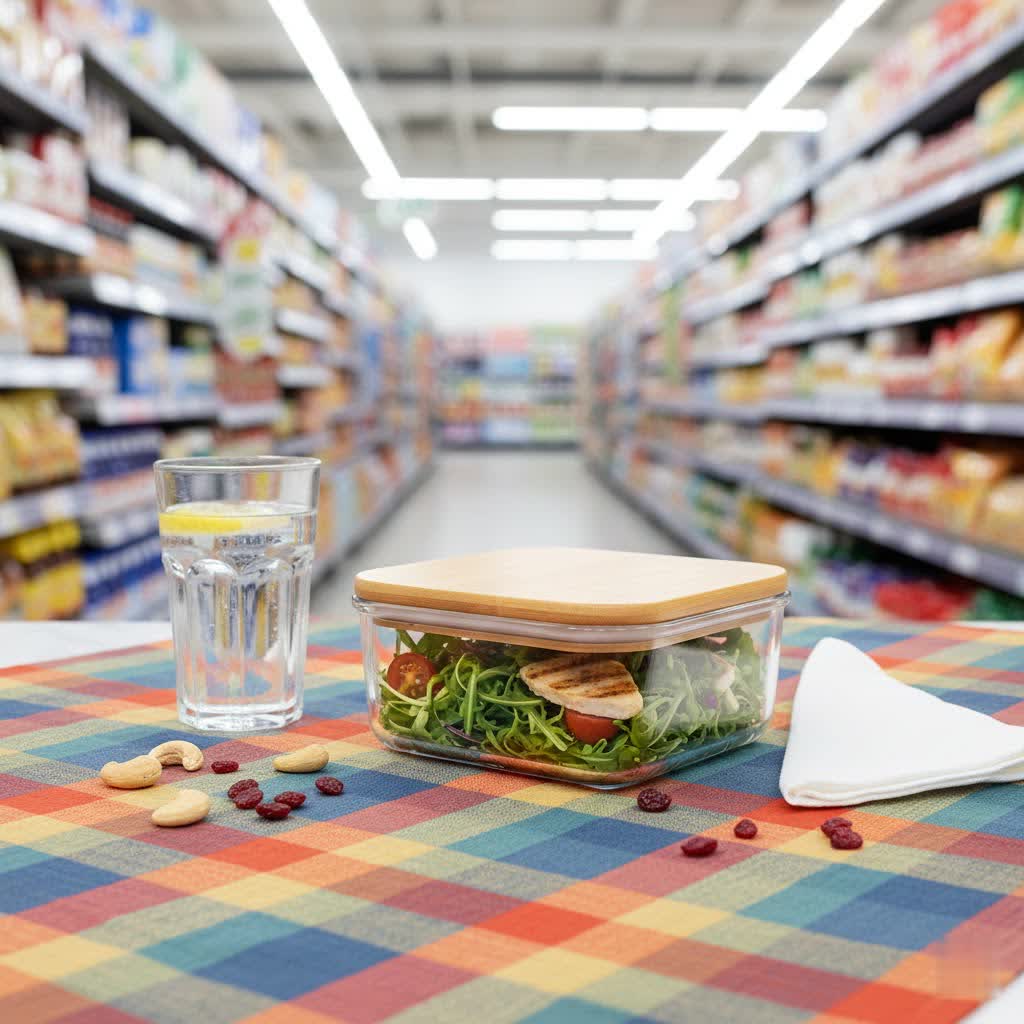
What Are Large Food Storage Containers? Why Do You Need Them?
Large food storage containers are designed to hold substantial quantities of food, ranging from bulk dry goods like flour, rice, and cereal to large batches of cooked meals, fresh produce, or even pet food. They typically feature secure lids that create an airtight or leak-proof seal, protecting contents from air, moisture, and pests.
The benefits of incorporating large food containers into your kitchen extend beyond mere organization. They are essential for:
- Preserving Freshness: An airtight seal significantly extends the shelf life of ingredients and leftovers, locking in flavor and preventing spoilage. This is particularly crucial for dry goods, which can quickly go stale when exposed to air.
- Efficient Pantry Organization: Uniform, stackable containers create a streamlined and aesthetically pleasing pantry, making it easier to see what you have, locate items quickly, and prevent over-purchasing.
- Facilitating Meal Prep: For those who cook in batches, large containers are invaluable for storing prepped ingredients or full meals, making healthy eating more convenient throughout the week.
- Saving Money and Reducing Waste: Buying in bulk is often more cost-effective, and proper storage ensures these larger quantities don’t go to waste. Less food spoilage means fewer trips to the grocery store and a smaller impact on your budget.
- Protection from Pests: Securely lidded containers are a formidable barrier against common pantry pests, keeping your food safe and hygienic.
- Portability: Many large containers are designed to be sturdy and leak-proof, making them ideal for transporting food to gatherings, picnics, or potlucks.
Popular Types of Large Food Storage Containers
Large food storage containers come in a variety of materials, shapes, and with different features, each offering unique advantages. Understanding these distinctions is key to choosing the right options for your specific needs.
By Material
The material of your food container dictates its durability, safety, temperature resistance, and overall performance.
- Plastic:
- Pros: Generally lightweight, shatter-proof, and affordable. Many modern plastic containers are designed to be stackable and come with secure, airtight lids.
- Cons: Can sometimes stain, retain odors, or degrade over time. Quality varies greatly.
- Safety: Always look for BPA-free plastics. Plastics marked with recycling codes 1 (PETE), 2 (HDPE), 4 (LDPE), or 5 (PP) are generally considered safe for food storage. Avoid plastics with code 7 (other) unless specifically stated as BPA-free or food-grade. Common types for large containers include:
- Polypropylene (PP): Translucent, cost-effective, shatter-proof, and BPA-free. Can withstand temperatures from -40°F to 160°F, making it suitable for freezer and refrigerator.
- Polyethylene (PE): Often white, extremely durable, stain-resistant, and BPA-free. Handles temperatures from -40°F to 160°F.
- Polycarbonate (PC): Crystal-clear, strong, and shatter-proof. Offers a wider temperature range (-40°F to 210°F), making it suitable for hot contents.
- Glass:
- Pros: Non-reactive, meaning it won’t absorb stains, odors, or flavors, and no chemicals will leach into food. It’s safe for use in the fridge, freezer, microwave, and often the oven (without the lid). Easy to clean and maintains clarity over time.
- Cons: Heavier and more fragile than plastic. Risk of breakage, especially with sudden temperature changes (thermal shock).
- Stainless Steel:
- Pros: Extremely durable, resistant to stains and odors, and maintains temperature well. It’s a great plastic-free option for those prioritizing safety and longevity. Ideal for cold storage and meal prep.
- Cons: Not safe for microwave use. Contents are not visible, requiring labels. Can be more expensive.
- Silicone: Primarily used for reusable bags, bowl covers, or flexible lids, rather than large rigid containers themselves. Offers flexibility, non-reactivity, and heat resistance.
- Ceramic/Stoneware: Less common for general large food storage due to weight and fragility, but some attractive options exist for countertop storage of dry goods like flour or sugar. Often not airtight unless specifically designed with a gasket seal.
|
Our Picks for the Best Food Container in 2026
As an Amazon Associate I earn from qualifying purchases.
|
||
| Num | Product | Action |
|---|---|---|
| 1 | 50 Pack (100-Piece) 32 oz Meal Prep Containers Reusable with Easy Open Lids, Sturdy Leakproof Food Safe, Microwave Freezer Dishwasher Safe, To Go Take Out Plastic Food Storage Pans with Lids, Black |

|
| 2 | 50 Pack (100-Piece) 24 oz Meal Prep Containers Reusable with Lids, Sturdy Leakproof & Food Safe, Microwave, Freezer, Dishwasher Safe Prep Containers, To Go Take Out Plastic Food Storage |
|
| 3 | Rubbermaid Brilliance BPA-Free Food Storage Containers, Medium Deep, 4.7 Cup, 2-Pack, Airtight & Leak-Proof, Microwave & Dishwasher Safe |
|
| 4 | 60 Sets (120-Piece) Deli Containers with Lids, 32/16/8 oz X 20 Set Each, Leak-Proof & BPA Free Airtight Takeout Plastic Food Storage Containers for Soup, Freezer/Microwave/Dishwasher Safe |
|
| 5 | Rubbermaid Brilliance BPA Free Airtight Food Storage Containers with Lids, Set of 4 (4.7 Cup) Ideal for Lunch, Meal Prep, and Leftovers |
|
| 6 | Bentgo Prep - 20-Piece 1-Compartment Reusable Meal Prep Containers with Lids, PFAS & BPA Free Materials, Durable, Microwave, Freezer, & Dishwasher Safe To Go Food Storage (Mint) |
|
| 7 | Ankou Airtight Food Storage Container with Pop Lid & 130ml Scoop, 4L/4.2qt *4 BPA-Free Cereal, Rice, Flour, Pasta & Snack Container, Stackable & Durable,Kitchen Pantry Organizer |
|
| 8 | Rubbermaid Brilliance Large Food Storage Container, 9.6 Cup, BPA-Free, Leak-Proof, Clear |
|
| 9 | Rubbermaid Brilliance Food Storage Containers BPA Free Airtight Lids Ideal for Lunch Meal Prep & Leftovers Set of 5 (3.2 Cup) |
|
| 10 | Vtopmart 8 Pack Glass Food Storage Containers with Airtight Lids, Glass Meal Prep Containers, Lunch Office Meal for Microwave, Oven, Freezer and Dishwasher, BPA Free |
|
By Shape and Size
The shape and size of your large food storage containers impact how effectively they fit into your storage spaces.
- Round Containers: While good for stirring liquids and allowing for faster cooling, round containers can waste space in refrigerators or pantries because they don’t stack as efficiently and create gaps between them.
- Square and Rectangular Containers: These shapes are highly recommended for maximizing storage space. They fit neatly side-by-side and stack well, making them ideal for organized pantries, fridges, and freezers. They hold more product in a smaller area compared to round counterparts.
- Containers with Compartments: Some large containers offer removable dividers, useful for meal prepping or separating different food items within one container without using multiple dishes.
- Large Capacities: For bulk buying, look for containers that can hold several pounds of flour, large bags of rice, or multiple boxes of cereal. Capacities often range from 10 cups (2.4 liters) up to 20+ cups (4.7+ liters), with commercial options even larger.
By Feature
Modern food storage containers incorporate various features to enhance convenience and performance.
- Airtight and Leak-Proof Lids: This is arguably the most critical feature. An airtight seal prevents air and moisture from entering, while a leak-proof design keeps liquids contained. Look for lids with silicone gaskets, secure snap-locks, or twist-lock mechanisms. Some utilize a vacuum-sealing feature for extended freshness.
- Thermal Retention: While most containers aren’t insulated like thermoses, materials like stainless steel can help maintain the temperature of food longer than plastic or glass, making them suitable for packed lunches.
- Microwave, Freezer, and Dishwasher Safe: These features are essential for convenience. Always check the manufacturer’s instructions, as some lids may not be microwave or oven safe, even if the container is.
- Stackability: Containers designed to stack securely, whether empty or full, optimize vertical space in your cabinets, fridge, or freezer. Look for features like stacking lugs or uniform designs.
- Ventilation: Some lids include a steam release valve, allowing for safe microwaving without removing the entire lid.
- Transparency: Clear containers (glass or transparent plastic) allow you to quickly identify contents, preventing accidental duplicate purchases and making inventory management a breeze.
Comparison Table: Large Food Storage Container Materials
| Feature | Plastic (BPA-Free) | Glass | Stainless Steel |
|---|---|---|---|
| Durability | Good, shatter-proof, lightweight | Excellent, but breakable with impact/thermal shock | Excellent, impact-resistant, long-lasting |
| Heat Resistance | -40°F to 160-210°F (depending on type), microwave safe (container only) | -40°F to 450°F+, oven/microwave safe (container only) | Not microwave safe, great for cold storage |
| Safety | BPA-free (codes 1, 2, 4, 5) | Non-reactive, no chemical leaching | Non-reactive, no chemical leaching |
| Price | Generally most affordable | Mid to high-range | High-range |
| Transparency | Often transparent or translucent | Crystal clear | Opaque |
| Best Use Case | Dry goods, pantry organization, lightweight meal prep | Leftovers, meal prep, oven-to-table, fridge/freezer | Cold storage, robust travel, chemical-free storage |
How to Choose the Right Large Food Storage Containers
Selecting the perfect large food storage containers involves considering your lifestyle, storage space, and the types of food you typically store.
Assess Your Needs
Start by evaluating what you need to store.
- Food Type: Are you storing dry goods like flour, sugar, pasta, or cereal? Or fresh produce, meal preps, and leftovers (which might be liquid-based)? Dry goods benefit from airtight seals and clear visibility, while liquids demand truly leak-proof designs.
- Capacity: How much food do you need to store? For bulk ingredients, larger containers (10+ cups) are ideal. For weekly meal prep, a set with varied large sizes might be more practical.
- Storage Location: Will the containers be in a pantry, refrigerator, freezer, or on a countertop? This influences material choice (e.g., glass for ovens, opaque for light-sensitive items).
- Special Features: Do you need microwave-safe options for reheating, freezer-safe for long-term storage, or specific shapes for tight spaces?
Prioritize Safe Materials
Always opt for food-grade materials. For plastic, ensure it’s explicitly labeled BPA-free. Tempered glass and food-grade stainless steel are inherently safe choices as they are non-reactive and won’t leach chemicals into your food. Look for certifications from reputable organizations.
Evaluate Durability and Temperature Resistance
Invest in containers that can withstand daily use. Thick-walled plastic, tempered glass, and sturdy stainless steel offer good durability. If you plan to use containers in the microwave, freezer, or oven, verify their temperature resistance. Glass, for instance, should be tempered to resist thermal shock.
Consider Practicality and Convenience
- Lid Design: Choose lids that are easy to open and close but still provide a secure, airtight seal. Test them if possible. Lids that are interchangeable across different container sizes in a set can simplify storage.
- Stackability: To maximize cabinet or fridge space, look for containers with a uniform shape and flat lids that allow for stable stacking.
- Ease of Cleaning: Dishwasher-safe containers save time and effort. For handwashing, wide openings are easier to clean. Ensure gaskets can be removed for thorough cleaning to prevent mold or odor buildup.
Read User Reviews
Before making a purchase, consult reviews from other users on e-commerce sites, home goods forums, and trusted review websites. Real-world feedback can offer valuable insights into a product’s performance, durability, and any potential downsides that aren’t apparent from product descriptions.
Top Large Food Storage Containers on the Market Today
Based on performance, durability, and user satisfaction, here are some highly-regarded large food storage containers with lids:
-
Rubbermaid Brilliance Pantry Airtight Food Storage Containers (Plastic)
- Key Features: Made from clear, durable, BPA-free plastic. Features an airtight, leak-proof seal with secure latches. Highly stackable and stain-resistant. Available in various large sizes, including those ideal for dry goods like flour and sugar.
- Pros: Excellent airtight seal, crystal clear for easy visibility, stackable design saves space, very durable, resists stains and odors.
- Cons: Lids can be a bit bulky to store separately.
- Best For: All-around dry and wet food storage, pantry organization, meal prep.
-
OXO Good Grips POP Containers (Plastic)
- Key Features: Iconic push-button airtight seal. Made from BPA-free plastic. Modular and stackable design. Available in many capacities, including large ones for cereal, flour, and coffee.
- Pros: Easy one-handed open/close, excellent airtight seal, clear body, very space-efficient due to modularity, accessories like scoops can attach to lids.
- Cons: Plastic can sometimes scratch over time; not always completely spill-proof if tipped with liquids.
- Best For: Dry goods, pantry organization, easy access.
-
Vtopmart Large Food Storage Containers (Plastic)
- Key Features: Often sold in sets of identical large-capacity containers (e.g., 22 cups total across four containers). Made from clear, BPA-free plastic with airtight lids. Comes with labels and markers.
- Pros: Great for bulk dry goods, consistent sizing for neat stacking, budget-friendly, good airtight seal.
- Cons: Primarily designed for dry goods; some users report lids can be tight.
- Best For: Bulk storage of dry ingredients like flour, sugar, rice, or cereal.
-
Glasslock Assorted Oven Safe Container Set (Glass)
- Key Features: Made from durable tempered glass with snap-lock, airtight, and leak-proof lids. Oven, microwave, freezer, and dishwasher safe (glass only for oven). Available in various large rectangular and square shapes.
- Pros: Non-reactive, resistant to stains and odors, versatile for cooking, storing, and reheating, excellent airtight seal.
- Cons: Heavier and more prone to breakage than plastic.
- Best For: Leftovers, meal prep, oven-safe cooking, fridge and freezer storage.
-
Amazon Basics 10-Piece Square Food Storage Containers with Lids (Plastic)
- Key Features: Versatile set with a variety of large square plastic containers. Features a twist-lock or secure latch system for an airtight seal. Stackable design.
- Pros: Good value for a multi-size set, airtight and leak-resistant, wide openings for easy scooping, freezer and dishwasher safe.
- Cons: Quality might vary compared to premium brands.
- Best For: General purpose storage, budget-conscious buyers needing a versatile set.
-
Zwilling Fresh & Save 7-Piece Cube Container Set (Plastic or Glass)
- Key Features: Innovative vacuum sealing technology for extended freshness. Available in BPA-free plastic or durable borosilicate glass. Stackable cube design.
- Pros: Significantly extends food freshness with vacuum seal, elegant design, space-saving, great for delicate or sensitive foods.
- Cons: Requires a separate vacuum pump (often sold in sets). Higher price point.
- Best For: Long-term freshness of dry goods, produce, and cooked foods; advanced food preservation.
Tips for Using and Maintaining Your Large Food Storage Containers
Proper care ensures your large food storage containers last longer and perform optimally.
- Clean Regularly and Thoroughly: Wash containers after each use. For plastic, handwashing can help prevent clouding and warping, though many are dishwasher safe. For glass, ensure it cools down before washing to prevent thermal shock. Remove and clean silicone gaskets to prevent mold and bacteria buildup.
- Remove Odors and Stains: For persistent odors or stains in plastic containers, try a paste of baking soda and water, or soak with white vinegar. Sunlight can also help neutralize odors. For glass, lemon juice or vinegar are effective.
- Maximize Longevity:
- Avoid microwaving plastic containers with oily or tomato-based foods, as this can lead to staining and pitting.
- Allow hot foods to cool slightly before sealing them in containers to prevent condensation and pressure buildup.
- Do not put hot glass directly into cold water or vice-versa to prevent cracking.
- Store lids and containers nested separately if possible to prevent warping and save space.
- Things to Avoid:
- Using abrasive scrubbers on plastic, which can scratch the surface.
- Overfilling containers, which can compromise the seal.
- Forcing lids, which can damage the sealing mechanism.
- Microwaving metal containers or lids.
Conclusion
Large food storage containers with lids are an indispensable asset for any well-organized and efficient kitchen. By making informed choices about materials, features, and specific products, you can significantly enhance food freshness, reduce waste, and streamline your meal preparation and pantry management. Investing in high-quality containers is an investment in both your food and your sanity, transforming everyday kitchen tasks into a more enjoyable experience. Ready to declutter your pantry and extend the life of your groceries? Which type of large food container will make the biggest difference in your kitchen?
Frequently Asked Questions
What does BPA-free mean for food storage containers?
BPA-free means the plastic container does not contain Bisphenol A, a chemical that can potentially leach into food and poses health concerns. Opting for BPA-free containers, typically marked with recycling codes 1, 2, 4, or 5, ensures safer food storage.
Can I use large food storage containers in the freezer and microwave?
Most large food storage containers are freezer-safe, but always check for specific labels. For microwave use, plastic containers are generally safe (without the lid), and glass containers are excellent. Never microwave stainless steel containers or plastic lids that aren’t explicitly labeled microwave-safe.
How do I prevent food containers from staining and retaining odors?
To prevent stains, avoid microwaving tomato-based sauces or oily foods in plastic containers. For odors, wash containers immediately after use, use baking soda or vinegar soaks, and consider storing frequently used, strong-smelling foods in glass or stainless steel.
Are square or round large food containers better for space-saving?
Square and rectangular large food containers are generally better for space-saving. Their straight sides allow them to fit snugly against each other and stack efficiently in cabinets, refrigerators, and freezers, maximizing every inch of storage space.
What capacity is considered “large” for food storage containers?
“Large” typically refers to containers holding 10 cups (2.4 liters) or more. For bulk pantry staples like flour, sugar, or large batches of soup, capacities of 16-25 cups (3.8-5.9 liters) are common and highly effective for substantial storage needs.
How important is an airtight seal on food containers?
An airtight seal is crucial for preserving food freshness, preventing spoilage, and protecting contents from moisture, oxygen, and pests. It significantly extends the shelf life of both dry goods and cooked foods, making it a top priority when choosing containers.
Can large food storage containers help with meal prep?
Absolutely. Large food storage containers are ideal for meal prep, allowing you to store big batches of cooked grains, chopped vegetables, or complete meals for the week. This saves time and ensures healthy food options are readily available.
