In a world where health and convenience often battle in our kitchens, food safe storage containers emerge as essential allies. From preserving the vibrant freshness of garden-picked vegetables to safeguarding your meticulously prepared meal prep, these containers play a pivotal role in maintaining both the quality and safety of your food. But with an overwhelming array of options available, how do you choose the best containers that truly prioritize your family’s well-being and meet your daily needs? This comprehensive guide will navigate the complexities of food storage, helping you understand the materials, features, and best practices to make informed decisions for a healthier, more organized kitchen.
What Are Food Safe Storage Containers and Why Do You Need Them?
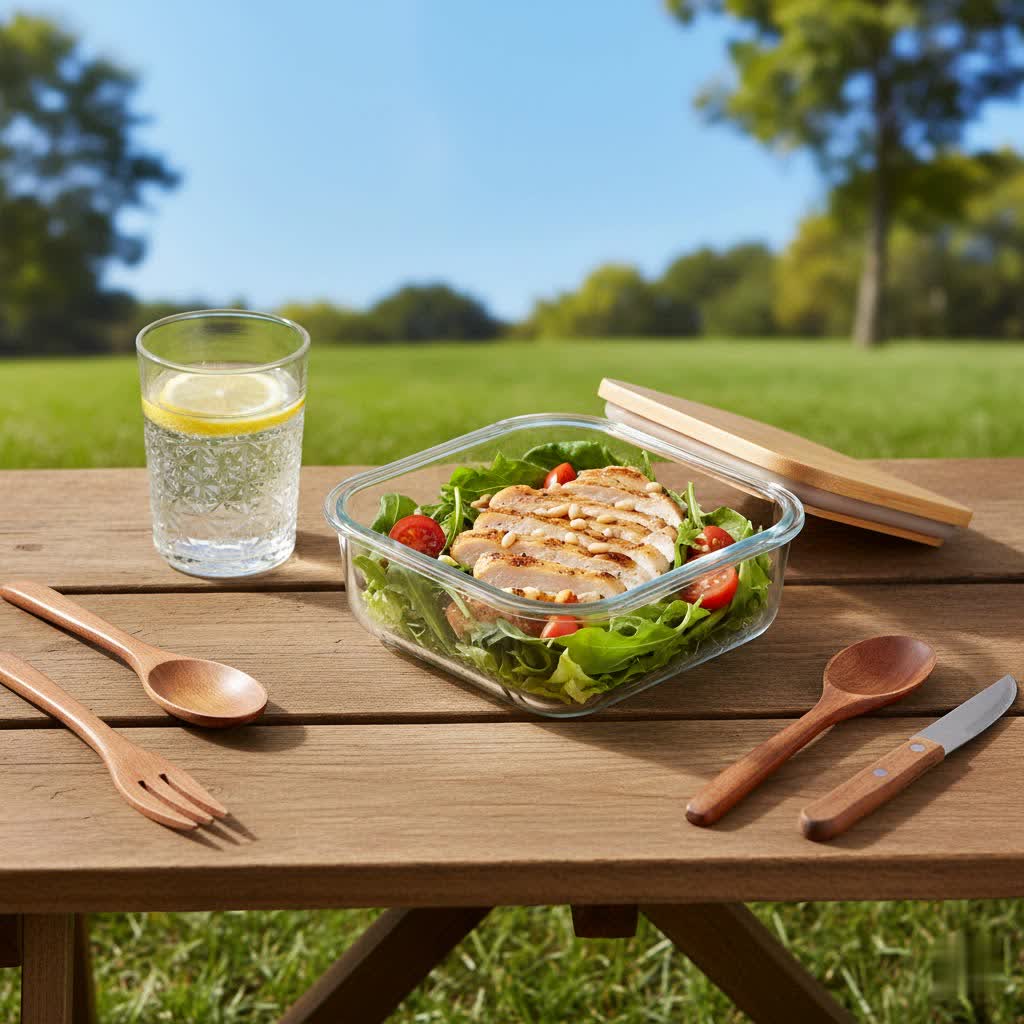
Food safe storage containers are specially designed vessels made from materials that do not leach harmful chemicals into your food, ensuring that what you store remains as pure and wholesome as intended. Their primary function is to create an effective barrier against external elements that can compromise food quality and safety.
The benefits of incorporating high-quality food safe containers into your kitchen are manifold:
- Preservation of Freshness: Airtight seals keep air and moisture out, significantly extending the shelf life of ingredients and leftovers by slowing down oxidation and spoilage.
- Enhanced Food Safety: By preventing cross-contamination and bacterial growth, especially for leftovers that need to be refrigerated promptly, these containers protect against foodborne illnesses.
- Health Protection: Choosing containers made from non-toxic, food-grade materials ensures that harmful substances like BPA or phthalates do not migrate into your food, safeguarding your endocrine system and overall health.
- Environmental Responsibility: Reusable containers drastically reduce reliance on single-use plastics and packaging, contributing to less waste and a lower carbon footprint.
- Convenience and Efficiency: They simplify meal preparation, streamline pantry organization, and make transporting food for work, school, or picnics worry-free with leak-proof designs.
- Cost Savings: By minimizing food waste, you save money on groceries, and investing in durable, long-lasting containers means fewer replacements over time.
Understanding Different Types of Food Storage Containers
The market offers a diverse range of food storage containers, categorized primarily by their material, shape, and specialized features. Each type comes with its unique set of advantages and considerations.
By Material
The material of your food container is perhaps the most crucial factor determining its safety, durability, and suitability for various uses.
-
Plastic:
- Food-grade plastics offer a lightweight, durable, and often more affordable option. However, it’s vital to choose plastics that are certified food-safe and free from harmful chemicals. Look for containers labeled “BPA-free,” “BPS-free,” and “phthalate-free.”
- Safe Plastic Types: High-Density Polyethylene (HDPE – recycling code #2), Low-Density Polyethylene (LDPE – recycling code #4), and Polypropylene (PP – recycling code #5) are generally considered the safest for food storage. PP is particularly good for microwaving due to its higher heat resistance.
- Plastics to Avoid: Recycling codes #3 (PVC), #6 (PS), and #7 (“Other,” which can include polycarbonate containing BPA) should generally be avoided, especially for storing food that will be heated or for long-term use.
- Pros: Lightweight, shatterproof, often stackable, wide variety of shapes and sizes, affordable.
- Cons: Can stain, absorb odors, some types may warp over time or release chemicals when heated if not food-grade or designed for high temperatures. Single-use plastics should not be reused for storage.
-
Glass:
- Glass containers are a classic and highly trusted choice. They are non-reactive, meaning they won’t leach chemicals into food or absorb odors and stains.
- Most are made from soda-lime glass, but borosilicate glass offers superior thermal shock resistance, making it safer for oven-to-freezer transitions.
- Pros: Non-toxic, non-reactive, stain and odor resistant, transparent (easy to see contents), oven, microwave, freezer, and dishwasher safe (check lids), highly durable for long-term use.
- Cons: Heavier and more fragile than plastic, can shatter if dropped. Lids are often made of plastic or silicone, so ensure they are also food-safe.
-
Stainless Steel:
- High-quality stainless steel (preferably 304 or 316 grade) is an excellent, durable, and non-reactive material. It’s often favored for its sleek aesthetic and robustness.
- Pros: Extremely durable, shatterproof, non-reactive, doesn’t stain or absorb odors, great for cold storage and packed lunches, maintains temperature well.
- Cons: Not transparent (contents not visible), generally not microwave safe, can be more expensive than plastic or some glass options.
-
Silicone:
- Food-grade silicone is a flexible, lightweight, and non-toxic option, commonly found in reusable bags and collapsible containers.
- Pros: Non-reactive, doesn’t leach chemicals, safe for freezer, microwave, and oven (check temperature limits), easy to clean, flexible for storage, often lightweight.
- Cons: Can sometimes absorb strong odors or flavors over time, may be more expensive, less rigid than glass or plastic.
-
Ceramic and Stoneware:
- These natural materials are often chosen for dry goods or countertop storage due to their aesthetic appeal. High-quality ceramic containers with lead-free and cadmium-free glazes are non-reactive and safe.
- Pros: Non-reactive, aesthetically pleasing, good for dry goods storage.
- Cons: Heavy, fragile (can chip or break easily), often not transparent, may not be suitable for all types of food (e.g., acidic liquids if glaze quality is uncertain).
-
Wood and Bamboo:
- Natural and eco-friendly, these materials are best suited for short-term storage of dry goods. They are rarely airtight and require specific care (e.g., oiling) to maintain.
- Pros: Sustainable, natural, aesthetic.
- Cons: Not airtight, not suitable for liquids or moist foods, not microwave/dishwasher safe, requires special maintenance, may contain glues.
|
Our Picks for the Best Food Container in 2026
As an Amazon Associate I earn from qualifying purchases.
|
||
| Num | Product | Action |
|---|---|---|
| 1 | 50 Pack (100-Piece) 32 oz Meal Prep Containers Reusable with Easy Open Lids, Sturdy Leakproof Food Safe, Microwave Freezer Dishwasher Safe, To Go Take Out Plastic Food Storage Pans with Lids, Black |

|
| 2 | Rubbermaid Brilliance Food Storage Containers BPA Free Airtight Lids Ideal for Lunch Meal Prep & Leftovers Set of 5 (3.2 Cup) |
|
| 3 | Ankou Airtight Food Storage Container with Pop Lid & 130ml Scoop, 4L/4.2qt *4 BPA-Free Cereal, Rice, Flour, Pasta & Snack Container, Stackable & Durable,Kitchen Pantry Organizer |
|
| 4 | Bentgo Prep - 20-Piece 1-Compartment Reusable Meal Prep Containers with Lids, PFAS & BPA Free Materials, Durable, Microwave, Freezer, & Dishwasher Safe To Go Food Storage (Mint) |
|
| 5 | Rubbermaid Brilliance BPA-Free Food Storage Containers, Medium Deep, 4.7 Cup, 2-Pack, Airtight & Leak-Proof, Microwave & Dishwasher Safe |
|
| 6 | Vtopmart 8 Pack Glass Food Storage Containers with Airtight Lids, Glass Meal Prep Containers, Lunch Office Meal for Microwave, Oven, Freezer and Dishwasher, BPA Free |
|
| 7 | Rubbermaid Brilliance Large Food Storage Container, 9.6 Cup, BPA-Free, Leak-Proof, Clear |
|
| 8 | Rubbermaid Brilliance BPA Free Airtight Food Storage Containers with Lids, Set of 4 (4.7 Cup) Ideal for Lunch, Meal Prep, and Leftovers |
|
| 9 | 60 Sets (120-Piece) Deli Containers with Lids, 32/16/8 oz X 20 Set Each, Leak-Proof & BPA Free Airtight Takeout Plastic Food Storage Containers for Soup, Freezer/Microwave/Dishwasher Safe |
|
| 10 | 50 Pack (100-Piece) 24 oz Meal Prep Containers Reusable with Lids, Sturdy Leakproof & Food Safe, Microwave, Freezer, Dishwasher Safe Prep Containers, To Go Take Out Plastic Food Storage |
|
By Shape and Size
Food containers come in a myriad of shapes and sizes to accommodate diverse storage needs:
- Round: Ideal for liquids, soups, or sauces, as the circular design can sometimes offer a better seal.
- Square/Rectangular: Most space-efficient for stacking and organizing in refrigerators, freezers, and pantries.
- Divided: Perfect for meal prepping, keeping different food components separate (e.g., main course, side dish).
- Mini: Great for snacks, dressings, baby food portions, or small ingredients.
- Large: Essential for bulk dry goods (flour, rice, pasta), large batches of leftovers, or marinating.
By Feature
Beyond material and shape, specific features enhance the functionality and safety of food containers:
- Airtight and Leak-Proof Seals: Crucial for preventing spoilage, maintaining freshness, and avoiding spills, especially for liquids or when transporting food.
- Microwave Safe: Allows for convenient reheating directly in the container. Always check for a “microwave safe” label, and avoid heating plastic lids.
- Oven Safe: Typically found in glass or ceramic containers, enabling baking or reheating in the oven (lids usually removed).
- Freezer Safe: Essential for long-term food preservation, preventing freezer burn. Ensure the material can withstand extreme cold without becoming brittle or cracking.
- Dishwasher Safe: For easy and thorough cleaning, though handwashing is often recommended for lids with gaskets to preserve their seal.
- Stackable: Designed to nest or stack securely, optimizing storage space in cabinets and refrigerators.
- Vented Lids: Allows steam to escape during microwaving, preventing pressure buildup and splatters.
Comparative Table: Choosing the Right Food Safe Container Material
Here’s a quick comparison to help you weigh the pros and cons of the most common food safe container materials:
| Feature/Material | Glass | Stainless Steel | Food-Grade Plastic (HDPE, LDPE, PP) | Silicone | Ceramic |
|---|---|---|---|---|---|
| Safety | Excellent (non-reactive, no leaching) | Excellent (non-reactive, no leaching) | Good (if BPA/BPS-free, certified) | Excellent (non-toxic, no leaching) | Good (if lead/cadmium-free glaze) |
| Durability | High (long-lasting) | Very High (impact resistant) | Moderate (can scratch/warp over time) | High (flexible, tear-resistant) | Moderate (can chip/break) |
| Heat Resistance | High (oven, microwave safe) | High (oven safe, NOT microwave) | Moderate (microwave safe if PP, check label) | High (oven, microwave safe) | High (oven safe if designed for it) |
| Transparency | Yes | No | Yes (clear plastics) | Translucent/Opaque | No |
| Weight | Heavy | Moderate | Lightweight | Lightweight | Heavy |
| Price | Moderate to High | High | Low to Moderate | Moderate to High | Moderate |
| Versatility | Very High | High (cold storage, transport) | High (various uses, often portable) | High (flexible storage, baking) | Moderate (dry goods, serving) |
| Eco-friendliness | Very High (infinitely recyclable) | Very High (recyclable) | Moderate (reusable, but not biodegradable) | High (reusable, durable) | Moderate (durable, natural material) |
How to Choose the Best Food Safe Storage Containers for Your Needs
Selecting the ideal food safe storage containers involves a thoughtful assessment of your lifestyle and kitchen habits.
Assess Your Usage Needs
Before anything else, consider how you intend to use the containers:
- What type of food will you store? Dry goods, liquids, acidic foods, oily foods, hot leftovers, or delicate produce? This will influence material choice (e.g., glass or stainless steel for acidic/oily foods, plastic for dry goods).
- What capacity do you need? Small for snacks, medium for single servings, or large for family meals and bulk items?
- Do you need to transport food? If so, look for lightweight, leak-proof, and shatterproof options like food-grade plastic or stainless steel.
- Will you be microwaving or freezing food in them? Ensure the containers are explicitly labeled for these uses and remember to check lid compatibility.
Prioritize Safe Materials
This is paramount for health.
- Look for certifications: Agencies like the FDA, NSF (e.g., NSF Protocol P386 for home use containers), and BRC provide assurance of food safety standards.
- Avoid harmful chemicals: Always choose BPA-free, BPS-free, and phthalate-free options, especially for plastics.
- Consider non-reactive materials: Glass and stainless steel are inherently non-reactive, making them safe choices for all food types, including acidic ingredients.
Check Durability and Temperature Resistance
Your containers should be able to withstand the rigors of daily use:
- Thick, sturdy construction: Prevents easy breakage or warping.
- Appropriate for temperature extremes: If you plan to move containers from freezer to microwave or oven, ensure they are designed to handle thermal shock. Borosilicate glass is excellent for this.
- Quality seals: Gaskets should be robust and securely fitted to prevent leaks and maintain airtightness.
Consider Practicality and Convenience
Ease of use and maintenance will significantly impact your satisfaction:
- Lid design: Look for lids that are easy to open and close, yet provide a secure seal. Some lids are interchangeable between different container sizes, which is a bonus.
- Stackability and Nesting: Containers that stack neatly or nest within each other save valuable cabinet and refrigerator space.
- Ease of cleaning: Smooth surfaces and removable gaskets make cleaning simpler and prevent food residue buildup. Dishwasher-safe containers add convenience.
- Transparency: Clear containers (glass or certain plastics) allow you to easily identify contents, reducing food waste.
Consult User Reviews and Certifications
Before purchasing, take advantage of online resources:
- Read reviews: Real-world feedback from other users can highlight practical pros and cons not immediately apparent.
- Look for certifications: Labels from reputable organizations like NSF or FDA approval are strong indicators of a product’s safety and quality.
Top 5 Food Safe Storage Containers Recommended for 2026
While specific product availability can change, here are types of popular and highly-rated food safe storage containers that consistently meet high standards:
- Rubbermaid Brilliance Glass Food Storage Containers: Known for their exceptionally clear, thick borosilicate glass and airtight, leak-proof snap-on lids (often BPA-free plastic). They are freezer, dishwasher, microwave, and oven safe, making them incredibly versatile for meal prep and leftovers.
- Glasslock Assorted Oven Safe Container Sets: These glass containers feature easy-to-use snap-locking lids, offering excellent airtightness and leak prevention. They are highly durable, stain-resistant, and safe for the oven, microwave, freezer, and dishwasher, making them a practical choice for everyday use.
- OXO Good Grips POP Containers: While primarily designed for dry goods, these plastic containers are popular for their unique push-button airtight seal. They are excellent for pantry organization, keeping staples like flour, sugar, and cereal fresh. Made from BPA-free plastic, they are durable and stackable.
- Stasher Premium Silicone Reusable Food Storage Bags: An excellent plastic-free alternative, these food-grade silicone bags are flexible, lightweight, and incredibly versatile. They are safe for the freezer, microwave, oven, and dishwasher, perfect for snacks, liquids, sous vide cooking, and on-the-go storage.
- U-Konserve Stainless Steel Containers: For those prioritizing durability and a completely plastic-free experience (or minimal plastic in lids), U-Konserve offers high-quality stainless steel options. They are excellent for packed lunches, snacks, and dry goods, highly durable, and easy to clean, though not microwave safe.
Tips for Safe Use and Maintenance of Food Storage Containers
Even the best containers require proper care to ensure their longevity and your food’s safety.
- Clean Thoroughly After Each Use: Wash containers and lids with warm, soapy water. Pay special attention to gaskets and crevices where food particles can hide. For dishwasher-safe items, ensure they are placed correctly to get a full wash.
- Dry Completely: Allow containers and lids to air dry fully before storing to prevent moisture buildup, which can lead to mold or mildew.
- Remove Odors Naturally: For stubborn food odors, try soaking containers in a solution of baking soda and water, or wipe with white vinegar before washing. Placing a crumpled newspaper inside a container for a day or two can also help absorb smells.
- Inspect for Damage: Regularly check containers for scratches, cracks, chips, or warping. Damaged containers, especially plastics, can harbor bacteria and may leach chemicals more easily, compromising food safety. Dispose of any compromised containers.
- Store Lids Separately or Loosely: This allows for air circulation and prevents odors from becoming trapped.
- Follow Temperature Guidelines: Only use containers in the microwave, oven, or freezer if they are specifically labeled as safe for those temperatures. Always remove plastic lids before microwaving glass or ceramic containers.
- Cool Food Rapidly: When storing hot leftovers, cool them quickly (within two hours) before placing them in containers and refrigerating. Dividing large quantities into smaller, shallow containers can speed up cooling.
Conclusion
Investing in high-quality food safe storage containers is more than just a kitchen convenience; it’s a commitment to healthier eating, reduced waste, and a more organized lifestyle. By understanding the different materials, features, and care requirements, you can confidently choose containers that not only keep your food fresh and delicious but also protect your well-being. From the robust transparency of glass to the lightweight versatility of certified plastics and the eco-conscious flexibility of silicone, there’s a perfect solution for every storage need. Make the switch today and transform your kitchen into a haven of freshness and safety.
What steps will you take to upgrade your food storage system for a healthier home?
Frequently Asked Questions
Are all plastic food containers safe for food storage?
No, not all plastic containers are food-safe. It’s crucial to look for labels such as “BPA-free,” “food-grade,” or specific recycling codes (#2 HDPE, #4 LDPE, #5 PP) which indicate they meet safety standards and won’t leach harmful chemicals. Avoid plastics with recycling codes #3, #6, or #7, especially for heating food.
Can I microwave food in any container?
Only containers explicitly labeled “microwave safe” should be used in the microwave. Plastics not designed for microwave use can warp and potentially leach chemicals into your food when heated. Glass or ceramic containers are generally safe for microwaving, but always remove any plastic lids.
How often should I replace my food containers?
Glass and stainless steel containers can last for many years if well-maintained. Plastic containers, however, should be replaced if they show signs of wear, such as scratches, cracks, warping, discoloration, or persistent odors, as these can compromise safety and effectiveness. Single-use plastic containers should never be reused for long-term food storage.
