Have you ever opened your refrigerator to find last night’s delicious leftovers looking less-than-appetizing, or worse, discovered a mystery stain on your plastic container? It’s a common kitchen woe, but one that many households are now solving by transitioning to glass food storage containers with lids. These versatile kitchen staples offer a superior way to preserve your food, simplify your meal prep, and contribute to a healthier, more sustainable lifestyle. This comprehensive guide will explore everything you need to know about glass food containers, from their benefits and various types to how to choose the perfect set for your family’s needs.
What Are Glass Food Containers and Why Do You Need Them?
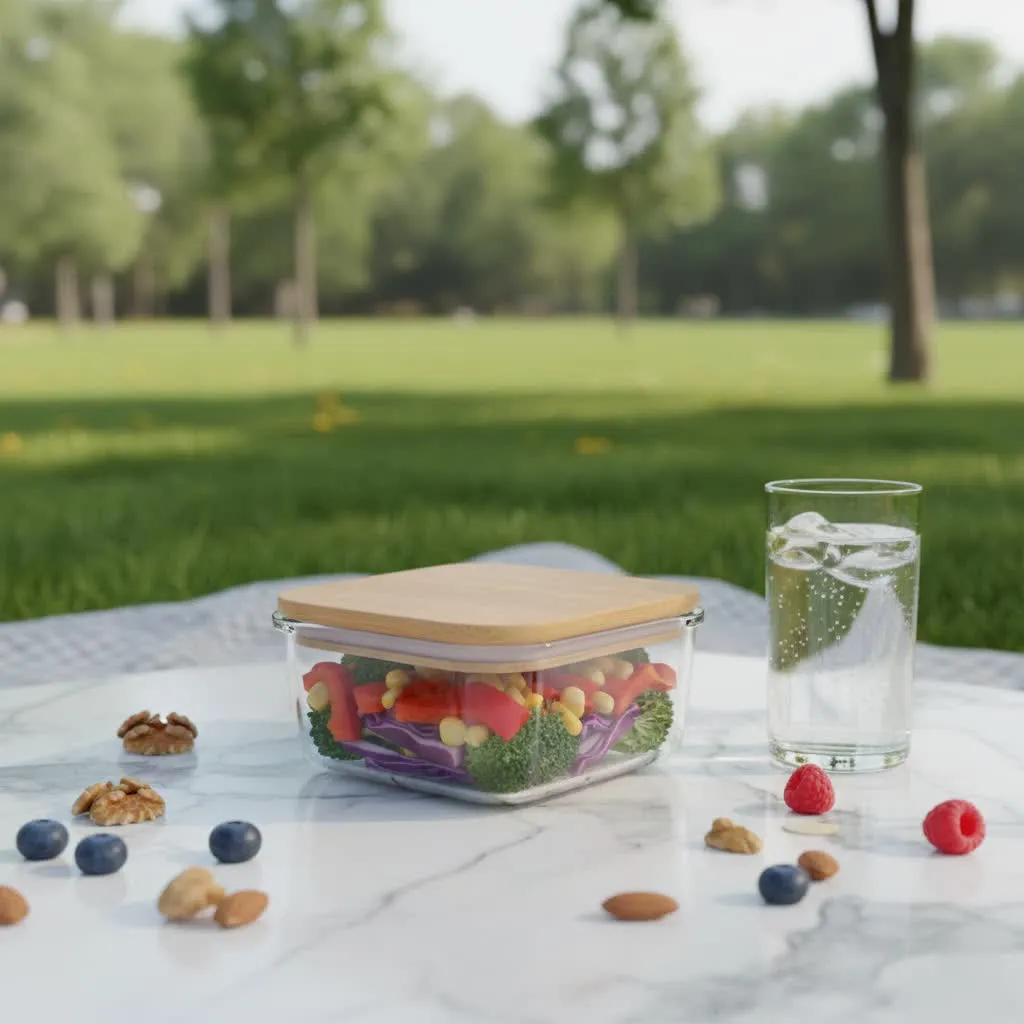
Glass food containers are reusable storage solutions made from various types of glass, typically paired with airtight lids. They are designed to keep food fresh, organized, and easily accessible. Moving beyond the limitations of traditional plastic, glass containers offer a multitude of advantages that make them an indispensable part of a modern kitchen.
The primary benefit of using glass food containers is their exceptional ability to preserve food freshness. Their non-porous surface means they won’t absorb food odors or stains, ensuring your meals taste exactly as they should. They are also a healthier choice, eliminating concerns about chemicals leaching into your food. Furthermore, glass is environmentally friendly, endlessly reusable, and helps reduce plastic waste. The transparency of glass allows you to quickly identify contents, minimizing forgotten leftovers and food waste, while their durability often means a longer lifespan than many plastic alternatives, ultimately saving you money in the long run.
Popular Types of Glass Food Containers on the Market
The world of glass food storage containers offers a variety of options, primarily differentiated by their material composition, shapes, and specialized features. Understanding these distinctions will help you make an informed choice that best suits your culinary habits.
By Material
The type of glass used significantly impacts a container’s durability and temperature resistance.
-
Borosilicate Glass: This is often considered the premium choice for food storage. Borosilicate glass contains boron trioxide, which gives it superior resistance to thermal shock, meaning it can withstand rapid temperature changes without shattering. This makes it ideal for transferring food directly from the freezer to the oven or microwave. It’s also known for being lighter yet more durable and less prone to chipping or scratching.
-
Tempered Glass: Tempered glass undergoes a special heat treatment process that increases its strength and resistance to impact and thermal stress. If it does break, it tends to shatter into smaller, blunter pieces rather than sharp shards, making it a safer option. Tempered glass is robust and commonly used for baking dishes and everyday food storage, though it might be thicker and heavier than borosilicate.
-
Soda-Lime Glass (Untreated): While common for drinking glasses and jars, untreated soda-lime glass has lower thermal resistance and can crack or break with sudden temperature changes. It’s generally not recommended for oven or microwave use for food storage. Most quality food storage containers will specify borosilicate or tempered glass.
-
Silicone (for lids): While not the container itself, silicone is a crucial material for lids. Silicone seals are often integrated into plastic lids to create airtight, leakproof barriers. Some innovative designs even feature fully silicone lids or silicone-rimmed glass lids for a completely plastic-free solution.
|
Our Picks for the Best Food Container in 2026
As an Amazon Associate I earn from qualifying purchases.
|
||
| Num | Product | Action |
|---|---|---|
| 1 | Vtopmart 8 Pack Glass Food Storage Containers with Airtight Lids, Glass Meal Prep Containers, Lunch Office Meal for Microwave, Oven, Freezer and Dishwasher, BPA Free |

|
| 2 | Rubbermaid Brilliance Food Storage Containers BPA Free Airtight Lids Ideal for Lunch Meal Prep & Leftovers Set of 5 (3.2 Cup) |
|
| 3 | Bentgo Prep - 20-Piece 1-Compartment Reusable Meal Prep Containers with Lids, PFAS & BPA Free Materials, Durable, Microwave, Freezer, & Dishwasher Safe To Go Food Storage (Mint) |
|
| 4 | Rubbermaid Brilliance BPA Free Airtight Food Storage Containers with Lids, Set of 4 (4.7 Cup) Ideal for Lunch, Meal Prep, and Leftovers |
|
| 5 | 50 Pack (100-Piece) 32 oz Meal Prep Containers Reusable with Easy Open Lids, Sturdy Leakproof Food Safe, Microwave Freezer Dishwasher Safe, To Go Take Out Plastic Food Storage Pans with Lids, Black |
|
| 6 | Ankou Airtight Food Storage Container with Pop Lid & 130ml Scoop, 4L/4.2qt *4 BPA-Free Cereal, Rice, Flour, Pasta & Snack Container, Stackable & Durable,Kitchen Pantry Organizer |
|
| 7 | 50 Pack (100-Piece) 24 oz Meal Prep Containers Reusable with Lids, Sturdy Leakproof & Food Safe, Microwave, Freezer, Dishwasher Safe Prep Containers, To Go Take Out Plastic Food Storage |
|
| 8 | 60 Sets (120-Piece) Deli Containers with Lids, 32/16/8 oz X 20 Set Each, Leak-Proof & BPA Free Airtight Takeout Plastic Food Storage Containers for Soup, Freezer/Microwave/Dishwasher Safe |
|
| 9 | Rubbermaid Brilliance Large Food Storage Container, 9.6 Cup, BPA-Free, Leak-Proof, Clear |
|
| 10 | Rubbermaid Brilliance BPA-Free Food Storage Containers, Medium Deep, 4.7 Cup, 2-Pack, Airtight & Leak-Proof, Microwave & Dishwasher Safe |
|
By Shape and Size
Glass containers come in diverse shapes and sizes to accommodate various storage needs.
- Round containers are excellent for soups, sauces, or smaller portions.
- Square containers offer efficient storage and stacking in refrigerators or pantries.
- Rectangular containers are highly popular for meal prep, leftovers, and larger items, often fitting perfectly in lunch bags.
- Containers with dividers are specifically designed for meal prepping, allowing you to keep different food components separate.
- Mini containers are perfect for dressings, dips, or small snacks.
- Large containers are essential for family-sized meals, baking, or bulk food storage.
By Feature
Many glass food containers boast specific features to enhance functionality and convenience.
- Thermal Retention: While glass itself doesn’t actively “retain heat” like an insulated thermos, its thick walls can help keep food at temperature longer than thinner plastics.
- Leak-Proof and Airtight: These are critical features, often achieved through silicone or rubber gaskets within the lid and strong snap-lock or hinged closures. An airtight seal prevents spoilage and freezer burn, while a leak-proof design allows for worry-free transport.
- Microwave-Safe: Most glass bases are microwave-safe, allowing for easy reheating. Always check if the lid is also microwave-safe, as many plastic lids require venting or removal during microwaving.
- Oven-Safe: Many borosilicate and tempered glass containers can go directly into the oven, making them versatile for baking, roasting, and reheating. Lids, however, are almost never oven-safe and must be removed.
- Dishwasher-Safe: The vast majority of glass containers and their lids are dishwasher-safe, simplifying cleanup.
- Freezer-Safe: Glass containers are excellent for freezing food, preventing freezer burn when properly sealed. Ensure there’s some headspace for liquids to expand when freezing.
A Comparative Look at Glass Food Containers
Choosing the right food container often involves weighing various factors. Here’s a detailed comparison to help you understand what sets different types of glass containers apart, especially when compared to other common materials.
| Feature | Borosilicate Glass Containers | Tempered Glass Containers | Plastic Containers (BPA-free) | Stainless Steel Containers |
|---|---|---|---|---|
| Material Strength | High resistance to thermal shock, durable, chip-resistant. | High impact resistance, shatters safely into blunt pieces. | Lightweight, flexible, can be durable depending on quality. | Extremely durable, dent-resistant, rust-proof. |
| Thermal Resistance | Excellent (freezer to oven/microwave safe). | Good (oven/microwave safe, generally not freezer to hot oven). | Varies (many are microwave/freezer safe, not oven). | Not microwave-safe, can go in freezer. |
| Health Safety | Non-toxic, non-leaching, no chemical concerns. | Non-toxic, non-leaching, no chemical concerns. | BPA-free options reduce concerns, but some debate exists. | Non-toxic, non-leaching, inert. |
| Stain & Odor Resist. | Excellent, non-porous surface. | Excellent, non-porous surface. | Prone to staining (e.g., tomato sauce) and odor absorption. | Excellent, non-porous surface. |
| Transparency | High clarity, easy to see contents. | High clarity, easy to see contents. | Clear or translucent, can become cloudy over time. | Opaque, cannot see contents. |
| Weight | Lighter than tempered glass, but heavier than plastic. | Heavier than borosilicate and plastic. | Very lightweight. | Moderate to heavy. |
| Cost | Higher initial investment. | Moderate to high. | Lower initial investment. | Moderate to high. |
| Environmental Impact | Highly sustainable, infinitely recyclable, reusable. | Highly sustainable, infinitely recyclable, reusable. | Less sustainable, relies on fossil fuels, limited recyclability. | Highly sustainable, infinitely recyclable, reusable. |
| Common Uses | Meal prep, baking, reheating, freezing, everyday storage. | Everyday storage, baking, reheating, freezing. | Lunchboxes, light storage, picnic use. | Lunchboxes, outdoor activities, dry food storage. |
When comparing glass types, borosilicate often wins for its superior thermal shock resistance, allowing greater flexibility in kitchen use. Tempered glass is a strong second, offering robust durability for everyday needs. Both significantly outperform plastic in terms of health safety, stain resistance, and environmental impact.
How to Choose the Right Glass Food Container for Your Home
Selecting the perfect glass food storage containers involves a thoughtful assessment of your lifestyle and kitchen habits. With numerous options available, focusing on key criteria will ensure you invest in a set that truly meets your needs.
Identify Your Usage Needs
Start by considering how you’ll primarily use the containers. Do you regularly meal prep for the week, requiring multiple uniform sizes with dividers? Or do you mostly store leftovers, needing various capacities for different dish types? For those who bake, oven-safe glass is crucial. If you transport meals frequently, prioritize containers with exceptionally leak-proof and secure locking lids. Understanding these daily scenarios will guide your selection.
Prioritize Safe Materials
When it comes to food contact, safety is paramount. Opt for containers made from high-quality glass like borosilicate or tempered glass, known for their durability and thermal resistance. Equally important are the lids: ensure they are made from BPA-free plastics, or ideally, silicone or even glass for a completely plastic-free solution. Check for certifications or clear labeling that confirms the absence of harmful chemicals.
> “Investing in high-quality borosilicate glass containers with BPA-free lids is a smart choice for long-term health and convenience. Their resistance to thermal shock makes them incredibly versatile, reducing the need for multiple dish types.” – Dr. Anya Sharma, Environmental Health Specialist
Evaluate Durability and Temperature Resistance
A good glass food container should be built to last. Look for thick, sturdy glass that feels substantial in hand. For maximum versatility, choose containers that are clearly labeled as oven, microwave, and freezer safe. This allows you to seamlessly transition meals from storage to heating without needing to transfer food, saving time and reducing cleanup. Always verify the manufacturer’s specific temperature guidelines for both the glass base and the lid.
Consider Practicality and Convenience
Ease of use and maintenance are key factors for daily satisfaction. Look for lids that seal tightly to prevent leaks and spills, but are also easy to open and close. Stackability is a major advantage for saving precious cabinet space, especially if you plan to buy multiple containers. Furthermore, easy cleaning is non-negotiable; dishwasher-safe components will greatly simplify your routine. Containers with smooth, rounded corners are often easier to hand wash.
Consult User Reviews and Expert Opinions
Before making a final decision, take advantage of the experiences of other users. Read reviews on retail websites, specialized kitchen blogs, and consumer forums. These insights can highlight real-world performance, potential issues, and long-term durability that might not be obvious from product descriptions alone. Additionally, look for recommendations from reputable culinary experts or product testing organizations.
Top Glass Food Containers We Recommend Looking For
While specific product availability can vary, focusing on certain features and well-regarded brands will help you find excellent glass food storage containers with lids that stand the test of time. Here are key characteristics to prioritize when searching for top-tier options:
- Premium Borosilicate Glass: Look for sets made from high borosilicate glass for superior thermal shock resistance, allowing you to use them safely in the oven, microwave, freezer, and dishwasher. This type of glass is less likely to break when experiencing temperature fluctuations.
- Airtight and Leak-Proof Lids: Essential for freshness, top containers feature BPA-free plastic lids with strong snap-lock mechanisms and durable silicone or rubber gaskets. These create an impenetrable seal to keep food fresh longer and prevent spills, even when transporting liquids.
- Versatile Sizing and Shapes: The best sets offer a variety of sizes (from small condiment containers to large meal prep dishes) and shapes (rectangular, square, round) to accommodate diverse storage needs. Some even include dividers for organized meal prep.
- Stackable Design: For optimal kitchen organization, choose containers designed to nest within each other when empty and stack securely when full, maximizing space in your cabinets and refrigerator.
- Ease of Cleaning: All components should be dishwasher-safe. Removable silicone gaskets in the lids are a plus, as they allow for thorough cleaning to prevent mold or odor buildup.
When considering options, look for brands often praised for their durability and reliable sealing mechanisms. Many popular brands offer sets that include a good assortment of sizes and shapes, often with interchangeable lids within the same product line, simplifying storage and use.
Tips for Using and Maintaining Your Glass Food Containers
To ensure your glass food storage containers with lids remain in pristine condition and serve you for years, proper usage and maintenance are crucial.
Correct Cleaning Techniques
Most glass containers are dishwasher safe, making cleanup effortless. For lids, especially those with silicone seals, handwashing with warm, soapy water is often recommended to maintain their integrity and prevent warping. If you notice any residue, gently scrub with a non-abrasive sponge. The silicone gaskets are sometimes removable for a deeper clean, which helps prevent mildew or trapped food particles. Ensure all parts are completely dry before reassembling and storing to avoid moisture buildup.
Eliminating Lingering Odors
While glass is largely odor-resistant, strong-smelling foods can sometimes leave a faint trace, particularly in the lids. To remove persistent odors, wash the container and lid thoroughly. For extra stubborn smells, try soaking the lid in a mixture of baking soda and water, or wiping it with white vinegar, then rinsing well. Sunlight can also be an effective natural deodorizer for glass.
Extending Product Lifespan
Always handle glass containers with care to avoid chips or cracks. When moving containers from one temperature extreme to another (e.g., from freezer to oven), allow the glass to gradually adjust to room temperature first to prevent thermal shock, which can cause shattering. Avoid sudden, drastic temperature changes. Store lids and containers separately or with a piece of paper towel between stacked glass to prevent scratches and allow air circulation. Ensure lids are not forced onto containers if they don’t fit perfectly, as this can damage the seal.
Important Things to Avoid
Never place the plastic lids in a hot oven or under a broiler, as they can warp or melt. While many glass bases are microwave-safe, always vent or remove the lid when microwaving to prevent pressure buildup. Avoid using abrasive scrubbers or harsh chemicals that could scratch the glass or degrade the lid materials. Lastly, do not stack excessively heavy items on top of glass containers in the refrigerator, as this could lead to breakage.
Conclusion
Embracing glass food storage containers with lids is a transformative step towards a more organized, healthier, and eco-conscious kitchen. With their inherent non-toxicity, superior freshness retention, and remarkable versatility across various cooking and storage needs, they stand as a clear winner over many traditional alternatives. By choosing borosilicate or tempered glass with secure, BPA-free lids, and following simple care guidelines, you’re not just buying containers; you’re investing in a durable, reliable solution that will serve your family for years.
Are you ready to experience the benefits of crystal-clear freshness and effortless organization in your kitchen?
Frequently Asked Questions
Are glass food storage containers truly better than plastic ones?
Yes, for many reasons. Glass containers are non-porous, meaning they don’t absorb food odors or stains like plastic, and they won’t leach chemicals into your food. They are also more durable, environmentally friendly, and can be used in the oven, microwave, and freezer, offering greater versatility.
Can I put my glass food containers directly from the freezer into the oven?
It depends on the type of glass. Borosilicate glass is highly resistant to thermal shock and can typically go from the freezer directly into a preheated oven (check manufacturer instructions). Tempered glass is also oven-safe but usually requires a more gradual temperature change. Always allow a few minutes for adjustment, especially with extreme temperature shifts.
Are the lids for glass food containers also oven and microwave safe?
Generally, no. While glass bases are often oven and microwave safe, most lids are made of plastic and are not designed for high heat. Plastic lids can warp or melt in the oven and should often be vented or removed entirely when microwaving to prevent pressure buildup and chemical leaching.
How do I prevent my glass containers from breaking?
Choose high-quality borosilicate or tempered glass for durability. Avoid sudden, extreme temperature changes (e.g., hot glass on a cold surface, or freezer-cold glass directly into a very hot oven without proper acclimation). Handle them carefully, avoid dropping them, and do not stack them too high or with very heavy items on top.
What does “BPA-free” mean for lids?
BPA-free means that the plastic used to make the lids does not contain Bisphenol A, a chemical that has raised concerns about potential health effects. Opting for BPA-free lids is a common choice for those looking to minimize chemical exposure from their food storage.
How do I remove stubborn food stains or odors from glass container lids?
For stubborn stains, a paste made of baking soda and a little water can often work wonders. Apply it, let it sit for a while, then scrub gently. For odors, soaking the lid in white vinegar or a baking soda solution can help. Ensure removable silicone gaskets are cleaned thoroughly, as odors can get trapped there.
Can glass food containers help me with meal prepping?
Absolutely! Glass containers are excellent for meal prepping. Their transparency allows you to easily see what’s inside, and many come with dividers to keep different food components separate. They are freezer and microwave safe, making it convenient to store prepared meals and reheat them when ready.
