In kitchens around the world, the quest for optimal food storage is a continuous journey. You’re looking for solutions that keep your food fresh, ensure safety, and simplify your daily routine. Glass food storage containers have emerged as a superior choice, offering a blend of practical benefits and aesthetic appeal that modern households increasingly embrace. They are not just vessels for your leftovers; they represent a commitment to healthier eating, sustainable living, and an organized kitchen.
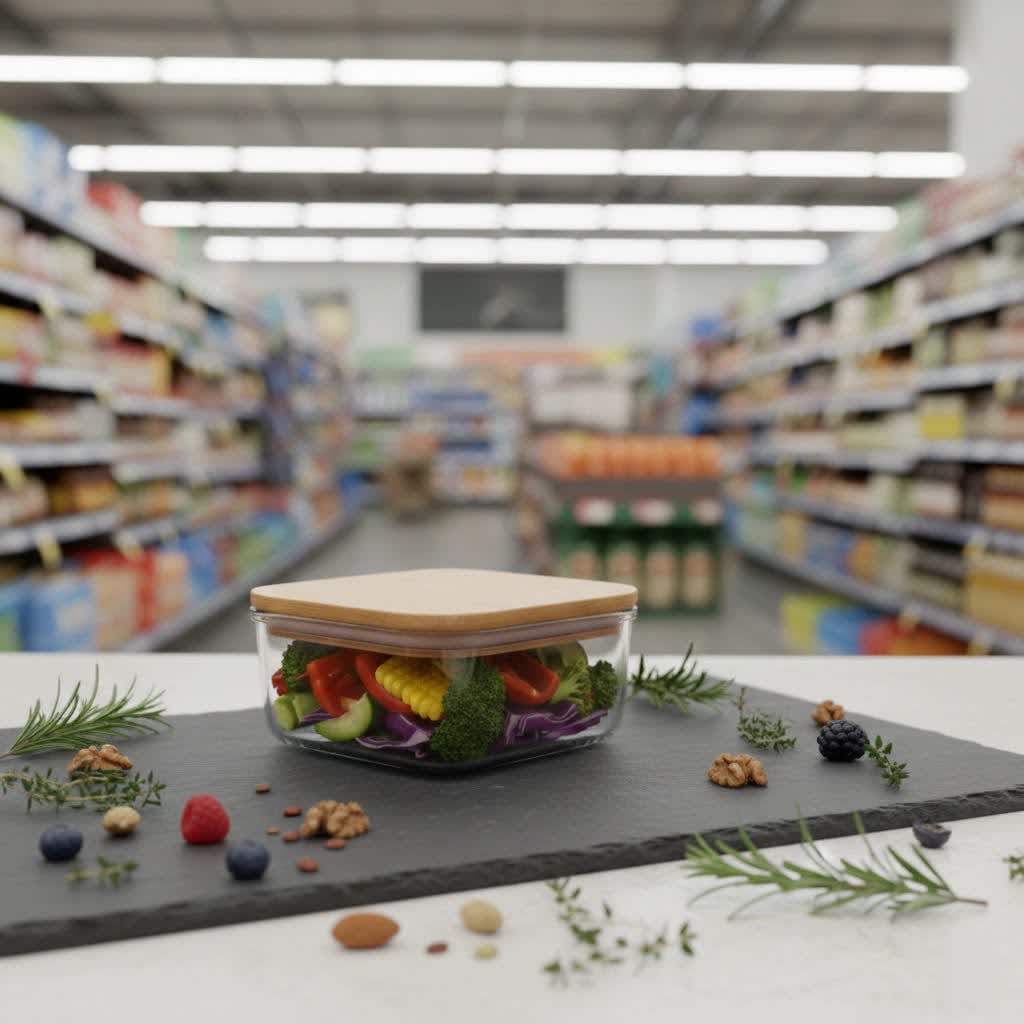
This comprehensive guide will delve into everything you need to know about glass food storage containers, from their fundamental advantages and diverse types to how to select the perfect set for your home and maintain them for years to come.
What Are Glass Food Containers and Why Do You Need Them?
Glass food containers are reusable vessels crafted from glass, designed to store, preserve, and transport food items. Unlike their plastic counterparts, glass containers are celebrated for their inert nature and robust properties, making them a preferred choice for many.
The benefits of incorporating glass food containers into your kitchen are numerous and impactful:
- Preserve Food Freshness: Glass creates an excellent barrier against air and moisture when paired with airtight lids, keeping food fresher for longer. This means your fruits, vegetables, and cooked meals retain their flavor and nutritional value, reducing food waste and saving money.
- Health and Safety: Glass is non-porous and chemically inert, meaning it won’t leach harmful chemicals like BPA or phthalates into your food, even when heated or used for acidic ingredients. This ensures your meals remain uncontaminated and safe for consumption.
- Environmental Friendliness: Glass is endlessly recyclable without loss of quality. Choosing glass reduces reliance on single-use plastics and contributes to a circular economy, minimizing landfill waste and ocean pollution. It’s a sustainable choice that benefits the planet.
- Durability and Longevity: High-quality glass, especially tempered or borosilicate glass, is surprisingly resilient. It resists scratches, stains, and odors, maintaining its pristine appearance even after countless uses and washes. This long lifespan makes glass a wise, long-term investment.
- Convenience and Versatility: Many glass containers are safe for use in the microwave, oven (without lids), freezer, and dishwasher, offering unparalleled flexibility from meal prep to reheating and serving. Their transparency also allows for easy identification of contents, streamlining meal management.
- Aesthetic Appeal: With their clean, transparent design, glass containers bring a touch of elegance and organization to your fridge, pantry, or countertop. They look sophisticated enough to go straight from storage to the dinner table.
Popular Types of Glass Food Containers on the Market
Glass food containers come in various forms, each offering distinct advantages depending on your needs. Understanding these variations can help you make an informed decision.
By Material
The type of glass used significantly impacts a container’s performance and durability.
- Borosilicate Glass: Known for its superior resistance to thermal shock, borosilicate glass can withstand extreme temperature changes without cracking. This makes it ideal for transferring food directly from the freezer to the oven or microwave. It’s also highly durable and less prone to scratching.
- Tempered Glass: This type of glass is strengthened through a thermal tempering process, making it more resistant to breakage than regular glass. While it handles temperature changes well, it might be slightly less forgiving than borosilicate when subjected to rapid, drastic thermal shifts. Tempered glass is commonly used for everyday food storage and bakeware.
- Soda-Lime Glass: This is the most common type of glass, often found in jars and bottles. While clear and safe, it’s less resistant to thermal shock and impact compared to borosilicate or tempered glass. It’s generally suitable for dry storage or refrigeration but should be used with caution in ovens or microwaves.
|
Our Picks for the Best Food Container in 2026
As an Amazon Associate I earn from qualifying purchases.
|
||
| Num | Product | Action |
|---|---|---|
| 1 | Rubbermaid Brilliance BPA-Free Food Storage Containers, Medium Deep, 4.7 Cup, 2-Pack, Airtight & Leak-Proof, Microwave & Dishwasher Safe |

|
| 2 | 50 Pack (100-Piece) 24 oz Meal Prep Containers Reusable with Lids, Sturdy Leakproof & Food Safe, Microwave, Freezer, Dishwasher Safe Prep Containers, To Go Take Out Plastic Food Storage |
|
| 3 | 60 Sets (120-Piece) Deli Containers with Lids, 32/16/8 oz X 20 Set Each, Leak-Proof & BPA Free Airtight Takeout Plastic Food Storage Containers for Soup, Freezer/Microwave/Dishwasher Safe |
|
| 4 | 50 Pack (100-Piece) 32 oz Meal Prep Containers Reusable with Easy Open Lids, Sturdy Leakproof Food Safe, Microwave Freezer Dishwasher Safe, To Go Take Out Plastic Food Storage Pans with Lids, Black |
|
| 5 | Rubbermaid Brilliance Food Storage Containers BPA Free Airtight Lids Ideal for Lunch Meal Prep & Leftovers Set of 5 (3.2 Cup) |
|
| 6 | Rubbermaid Brilliance Large Food Storage Container, 9.6 Cup, BPA-Free, Leak-Proof, Clear |
|
| 7 | Rubbermaid Brilliance BPA Free Airtight Food Storage Containers with Lids, Set of 4 (4.7 Cup) Ideal for Lunch, Meal Prep, and Leftovers |
|
| 8 | Vtopmart 8 Pack Glass Food Storage Containers with Airtight Lids, Glass Meal Prep Containers, Lunch Office Meal for Microwave, Oven, Freezer and Dishwasher, BPA Free |
|
| 9 | Bentgo Prep - 20-Piece 1-Compartment Reusable Meal Prep Containers with Lids, PFAS & BPA Free Materials, Durable, Microwave, Freezer, & Dishwasher Safe To Go Food Storage (Mint) |
|
| 10 | Ankou Airtight Food Storage Container with Pop Lid & 130ml Scoop, 4L/4.2qt *4 BPA-Free Cereal, Rice, Flour, Pasta & Snack Container, Stackable & Durable,Kitchen Pantry Organizer |
|
By Shape and Size
Glass containers are available in a multitude of shapes and sizes to accommodate every storage need.
- Round Containers: Classic and versatile, round containers are great for liquids, soups, or single-serving portions.
- Square Containers: These are efficient for space-saving in refrigerators and pantries, as they can be easily stacked and nestled. They’re excellent for meal prep and leftovers.
- Rectangular Containers: Similar to square containers, rectangular shapes are perfect for larger portions, casseroles, or organizing shelves effectively.
- Containers with Dividers: Designed specifically for meal prepping, these containers feature internal compartments to keep different food items separate, making balanced meals easy to pack and transport.
- Mini Containers: Small containers are ideal for dressings, sauces, snacks, or baby food portions.
- Large Containers: Larger capacities are perfect for bulk dry goods like flour, sugar, pasta, or storing family-sized meals.
By Feature
Many glass containers incorporate specific features to enhance their functionality.
- Airtight and Leak-proof: The most crucial feature for food preservation, achieved through silicone gaskets and secure locking lids (often snap-on or clip-top).
- Oven-Safe: Designed to withstand high temperatures, allowing you to bake directly in the container and then store leftovers. Always check manufacturer specifications.
- Microwave-Safe: Most glass containers are safe for microwave use, but always remove plastic or bamboo lids before heating.
- Freezer-Safe: Essential for long-term food preservation. Borosilicate glass is particularly well-suited for freezing.
- Dishwasher-Safe: For easy cleaning, look for containers and lids that can safely go into the dishwasher. Handwashing gaskets can extend their life.
- Stackable/Nestable: Features that help save precious cabinet and fridge space. Stackable designs keep contents visible, while nestable sets fit inside each other when empty.
- Vented Lids: Some lids include a small vent for microwave use to release steam, preventing pressure buildup and splatters.
Comparison Table of Common Glass Food Container Types
Choosing the best glass food container depends on balancing your priorities. Here’s a quick comparison to help guide your decision:
| Feature | Borosilicate Glass | Tempered Glass | Soda-Lime Glass |
|---|---|---|---|
| Durability | Excellent (high thermal shock resistance) | Very Good (impact resistant) | Good (more prone to thermal shock) |
| Thermal Shock | High resistance (freezer to oven) | Moderate resistance | Low resistance (avoid rapid changes) |
| Oven Safe | Yes (up to high temperatures) | Yes (check limits, generally lower) | Generally not recommended for high heat |
| Microwave Safe | Yes | Yes | Yes (with caution) |
| Freezer Safe | Yes | Yes | Yes (with caution, leave headspace) |
| Scratch/Stain Resist | Excellent | Very Good | Good |
| Weight | Lighter than tempered glass | Heavier than borosilicate | Variable, often heavy |
| Cost | Higher | Moderate | Lower |
| Common Uses | Meal prep, baking, freezing | Everyday storage, leftovers, light baking | Jars for dry goods, occasional storage |
How to Choose the Right Glass Food Container for Your Needs
Selecting the ideal glass food storage containers involves considering your lifestyle, storage habits, and specific food types. Here’s a guide to help you make the best choice:
Determine Your Usage Needs
Before purchasing, think about how you’ll primarily use the containers.
- Food Type: Are you storing dry goods like pasta and grains, liquids like soups and sauces, or solid leftovers? For liquids and anything prone to leaking, prioritize containers with robust airtight and leak-proof seals. For pantry staples, transparency and stackability might be key.
- Capacity: How much food do you typically store? Small containers are perfect for snacks, dressings, or baby food. Medium sizes suit individual meal prep or small portions of leftovers. Larger containers are ideal for family-sized meals, bulk ingredients, or baking. A varied set often offers the most flexibility.
- Special Features: Do you often reheat food in the microwave or oven? Do you freeze meals regularly? If so, opt for borosilicate or tempered glass that explicitly states “oven-safe” and “freezer-safe.” For busy individuals, dishwasher-safe options are a must.
Choose Safe and Durable Materials
Safety and longevity are paramount when investing in food storage.
- Glass Type: Prioritize borosilicate glass for maximum thermal shock resistance, especially if you plan to move containers from the freezer to the oven. Tempered glass is a durable and more affordable alternative for general use. Always verify the glass type if this is a concern.
- Lid Material: While glass bases are superior, lids vary.
- Plastic Lids: Often made with BPA-free plastic, these are lightweight and typically feature strong locking mechanisms and silicone gaskets for an airtight seal. They are generally microwave and dishwasher safe (top rack recommended), but not oven safe.
- Glass Lids: Some premium containers offer all-glass lids with silicone seals, providing a completely plastic-free solution, though they tend to be heavier and more expensive.
- Bamboo Lids: Popular for dry pantry storage, offering an aesthetic appeal. They usually have a silicone ring for an airtight seal but are not microwave, oven, or dishwasher safe.
- Check Certifications: Look for labels indicating “BPA-free,” “food-grade,” or other safety certifications to ensure peace of mind.
Evaluate Durability and Heat Resistance
A good food container should withstand daily wear and tear.
- Thickness of Glass: Thicker glass generally indicates better durability and resistance to accidental knocks.
- Seal Quality: Inspect the silicone gasket (if present) to ensure it’s robust and fits snugly. A high-quality seal is crucial for preventing leaks and maintaining freshness.
- Temperature Range: Confirm the specific temperature limits for oven and freezer use, as these can vary between manufacturers and glass types. Never place hot glass directly into cold water or vice-versa to prevent thermal shock, even with borosilicate glass. Allow containers to cool or thaw gradually.
Consider Practicality and Convenience
Ease of use and maintenance contribute to a positive experience.
- Lid Design: Choose lids that are easy to open and close securely. Snap-on lids with four tabs are popular for their reliable seal. Removable silicone gaskets are a plus for thorough cleaning to prevent mold or odor buildup.
- Stackability and Nesting: For optimal storage efficiency, look for sets designed to stack neatly in your fridge or nest inside each other when empty, saving valuable cabinet space.
- Ease of Cleaning: Glass is inherently easy to clean due to its non-porous surface, which resists stains and odors. Ensure lids and their components are also easy to disassemble and clean.
- Transparency: The clear nature of glass is a significant advantage, allowing you to instantly identify contents without opening every container.
Consult User Reviews and Expert Opinions
Benefit from the experiences of others. Read reviews on retail sites and reputable kitchen product review websites. These often highlight practical aspects like lid durability, leak-proof performance, and how products hold up over time. Pay attention to feedback regarding specific use cases that match your own.
Top 3 Glass Food Container Sets
Based on comprehensive testing and user feedback, here are three highly-regarded glass food container sets that stand out for their quality, versatility, and performance:
-
Rubbermaid Brilliance Glass Food Storage Containers:
- Description: This set is consistently praised for its exceptional airtight and leak-proof seals, making it ideal for transporting meals. The containers are made from clear, durable glass, and the plastic lids feature a secure latching system.
- Pros: Outstanding leak prevention, versatile sizes, stackable design, oven-safe glass base (up to 450°F), microwave and dishwasher safe. Lids are often interchangeable across different shapes.
- Cons: Lids are plastic, which some prefer to avoid entirely.
- Best For: Everyday storage, meal prep, and leak-proof transport.
-
Pyrex Simply Store Glass Food Storage Set:
- Description: A classic choice, Pyrex offers reliable tempered glass containers in various sizes, perfect for general kitchen use. The plastic lids provide a tight seal.
- Pros: Trusted brand, good range of sizes, durable tempered glass, dishwasher, microwave, and oven safe glass bases.
- Cons: Lids are plastic and may show wear over time; some users report they can become less airtight after extensive use or high heat in dishwashers.
- Best For: General leftovers, versatile home cooking, and those who value a long-standing brand reputation.
-
OXO Good Grips Smart Seal Glass Container Set:
- Description: OXO is known for thoughtful design, and their Smart Seal glass containers are no exception. They feature borosilicate glass and innovative lids with removable silicone gaskets for thorough cleaning.
- Pros: Excellent thermal shock resistance (borosilicate glass), highly durable, truly airtight and leak-proof seal, easily removable gaskets for superior hygiene, stackable.
- Cons: Can be pricier than other options; some users find the lids require a bit of force to snap shut.
- Best For: Freezer-to-oven convenience, those prioritizing absolute leak-proof reliability and meticulous cleaning.
Tips for Using and Caring for Glass Food Containers
Proper usage and maintenance will extend the life of your glass food containers and ensure they remain safe and effective.
How to Clean Glass Food Containers Correctly
- Regular Washing: Most glass containers and their plastic lids are dishwasher safe. However, for maximum longevity of plastic lids and silicone gaskets, handwashing is often recommended. Use warm, soapy water and a soft sponge.
- Stubborn Stains/Odors: Glass is highly resistant to stains and odors, but if any persist (e.g., from tomato sauce or garlic), a paste of baking soda and water can be effective. Apply, let sit for a few hours, then scrub and rinse. Lemon juice or white vinegar can also help neutralize odors.
- Cleaning Gaskets: Regularly remove the silicone gaskets from lids for a thorough cleaning. Food particles can get trapped underneath, leading to mold or unpleasant smells. Soak them in warm, soapy water or a vinegar solution, scrub, and allow to dry completely before reassembling.
How to Remove Odors from Glass Food Containers
Even though glass resists odors, some very strong foods might leave a faint scent.
- Baking Soda Paste: Mix baking soda with a little water to form a paste, spread it inside the container, and let it sit overnight before washing.
- Sunlight: Place empty, clean containers in direct sunlight for a few hours. The UV rays can help neutralize lingering odors.
- Activated Charcoal: Place a piece of activated charcoal or a crumpled newspaper inside the container, seal it, and leave overnight.
How to Store Glass Food Containers to Extend Their Lifespan
- Avoid Extreme Temperature Changes: While borosilicate glass is highly resistant, rapid temperature shifts (e.g., hot container into ice water or vice versa) can still cause breakage. Allow containers to adjust temperature gradually.
- Proper Freezing: When freezing liquids, always leave some headspace (about an inch) to allow for expansion, preventing the glass from cracking.
- Careful Stacking: Stack containers gently to prevent chipping or breaking. Many sets are designed to stack or nest efficiently, but avoid haphazard piling, especially with heavy contents.
- Microwave/Oven Use: Always remove plastic or bamboo lids before microwaving or placing glass in the oven. Ensure the glass is at room temperature before putting it into a preheated oven.
- Handle with Care: Glass is durable but not indestructible. Avoid dropping containers, especially when full or on hard surfaces.
Things to Avoid When Using Glass Food Containers
- Don’t expose to sudden temperature changes.
- Don’t overfill liquids for freezing.
- Don’t use abrasive scrubbers that could scratch the glass or damage seals.
- Don’t use chipped or cracked containers, as they are more prone to breaking.
- Don’t put plastic or bamboo lids in the oven.
Conclusion
Embracing glass food storage containers is a practical and impactful step towards a more organized, healthier, and sustainable kitchen. From their inherent food safety advantages and superior freshness preservation to their lasting durability and elegant aesthetic, glass containers offer a comprehensive solution for modern food storage needs. While they may require a slightly higher initial investment and careful handling, their long-term benefits far outweigh these considerations. By making the switch to glass, you’re not just choosing a container; you’re investing in your health, your home, and the planet.
What will be the first meal you store in your new set of glass food containers?
Frequently Asked Questions
Are glass containers really safer than plastic for food storage?
Yes, glass is generally considered safer than plastic for food storage because it is non-porous and chemically inert. It does not leach harmful chemicals like BPA or phthalates into your food, even when exposed to heat or cold, ensuring your food remains pure and uncontaminated.
Can glass containers be used in the microwave and freezer without breaking?
Most glass food containers, especially those made from borosilicate or tempered glass, are designed to be microwave and freezer safe. However, it’s crucial to avoid extreme and rapid temperature changes, such as moving a container directly from a hot oven to a cold freezer, to prevent thermal shock and potential breakage. Always allow for gradual temperature adjustments.
How do glass containers support a zero-waste lifestyle?
Glass containers are highly supportive of a zero-waste lifestyle because they are durable, reusable countless times, and infinitely recyclable without loss of quality. By choosing glass, you significantly reduce your reliance on single-use plastics and contribute to a more sustainable consumption cycle, minimizing waste and environmental impact.
How do I prevent glass food containers from breaking?
To prevent breakage, handle glass containers with care, especially when they are full or on hard surfaces. Avoid dropping them and ensure they are at room temperature before placing them in a preheated oven or refrigerator. When freezing liquids, leave an inch of headspace to allow for expansion.
