In the bustling heart of every home – the kitchen – efficient food storage is paramount. Whether you’re a seasoned meal prepper, a parent packing lunches, or simply striving to keep your leftovers fresh and your pantry organized, the right containers make all the difference. IKEA, a name synonymous with practical and affordable home solutions, offers a diverse range of food storage containers designed to streamline your kitchen life. This guide delves into the world of IKEA food containers, helping you navigate the options and find the perfect fit for your household needs.
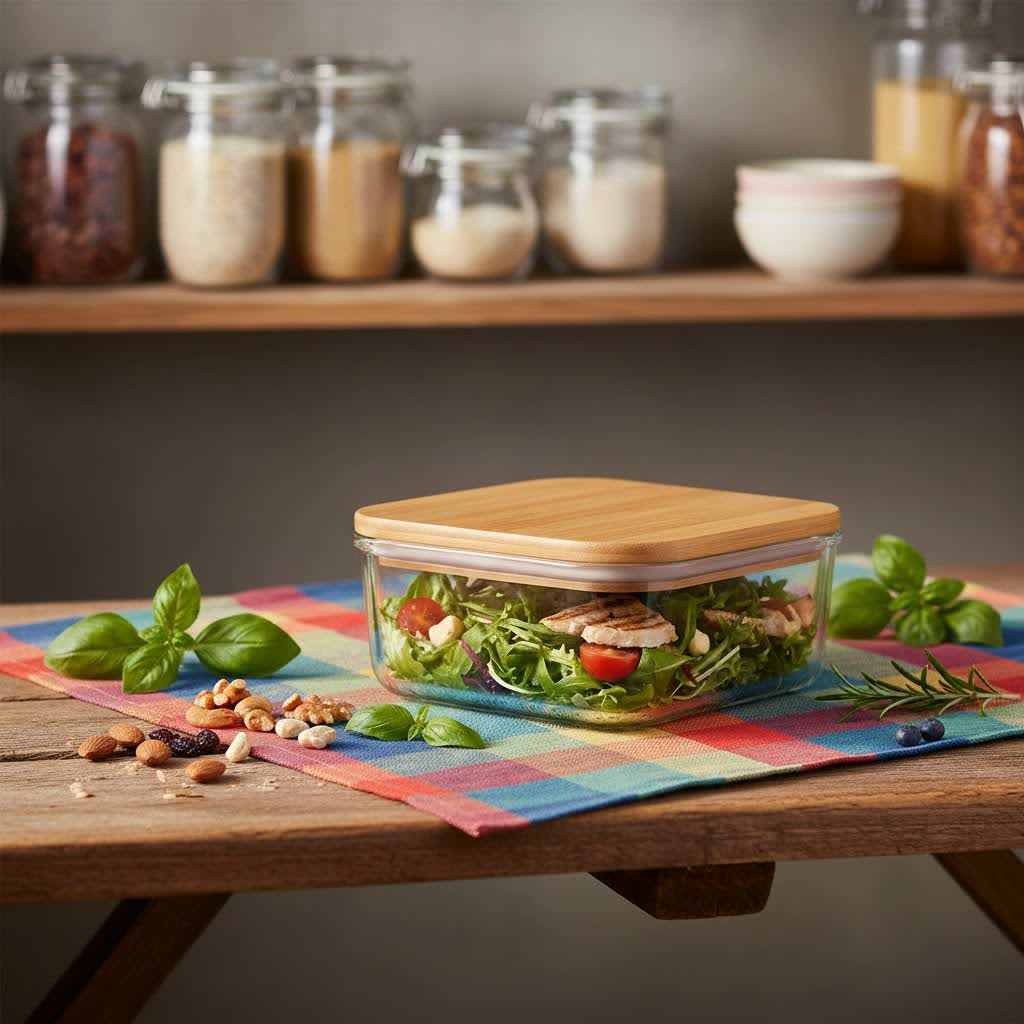
What are IKEA Food Containers and Why Do You Need Them?
IKEA food containers are versatile vessels designed for storing, transporting, and sometimes even cooking food. They are essential kitchen tools that contribute to better home management and healthier eating habits. Using them helps you preserve food freshness, reduce waste, and keep your kitchen tidy, making meal times and clean-up more efficient. Their functionality extends beyond mere storage, promoting a more sustainable and organized lifestyle.
The primary benefits of incorporating IKEA food containers into your routine include:
- Preserving Freshness: Airtight seals and quality materials help extend the shelf life of ingredients and cooked meals, locking in flavor and preventing spoilage.
- Convenience for Meal Prep: Easily portion out meals for the week, making healthy eating on the go a breeze.
- Environmental Responsibility: Reusable containers cut down on single-use plastics, contributing to a greener planet.
- Cost Savings: By preserving leftovers and buying in bulk, you minimize food waste and save money on groceries.
- Kitchen Organization: Stackable designs and transparent materials keep your fridge, freezer, and pantry neat and accessible.
Popular Types of IKEA Food Containers on the Market
IKEA categorizes its food containers by material, shape, and unique features, offering solutions for every storage challenge. Understanding the different types helps you choose wisely.
By Material
The material of a food container dictates its properties, including durability, temperature resistance, and safety.
- Plastic (e.g., PRUTA, IKEA 365+ Plastic):
- Advantages: Generally lightweight, affordable, transparent, and highly stackable. Many IKEA plastic containers, like the PRUTA and 365+ plastic lines, are made from BPA-free polypropylene, making them safe for food contact. They are often freezer, microwave (with lid ajar), and dishwasher safe. The PRUTA series, in particular, is noted for its low price and convenience for portioned food storage and everyday use.
- Disadvantages: Some users report that lids on cheaper plastic containers may not always be completely leak-proof, especially for liquids. Plastic can sometimes stain or become cloudy after microwaving certain foods, though some models are designed to resist this.
- Glass (e.g., IKEA 365+ Glass):
- Advantages: Highly durable, oven-safe, microwave-safe (container only; lids are generally microwave-safe up to 212°F/100°C with vent), freezer-safe, and dishwasher-safe. Glass does not absorb odors or stains from food, making it easy to clean and maintain its pristine appearance. It’s transparent, allowing for easy identification of contents. The IKEA 365+ glass containers are praised for their versatility, often used for baking, serving, and storing, with interchangeable lids across various sizes of the same shape.
- Disadvantages: Heavier than plastic and more prone to breakage if dropped. Some users have noted that if glass containers are stacked too snugly in the freezer, they can chip at the rim when removed.
- Stainless Steel (e.g., IKEA 365+ Stainless Steel):
- Advantages: Extremely durable, resistant to corrosion, odors, and stains. Excellent for keeping food cold or hot (though not insulated). Often freezer and dishwasher safe.
- Disadvantages: Not transparent, so you can’t see the contents at a glance. Not microwave or oven safe. Typically more expensive than plastic or glass.
- Silicone:
- Advantages: Flexible, durable, oven-safe, microwave-safe, freezer-safe, and dishwasher-safe. Ideal for compact storage when empty.
- Disadvantages: Can sometimes absorb odors or oils over time. May be more expensive.
- Ceramic and Bamboo:
- IKEA also offers storage solutions in ceramic and bamboo, often for dry goods or pantry organization, which provide aesthetic appeal and natural materials. These are generally not suited for microwave or freezer use like glass or plastic containers.
|
Our Picks for the Best Food Container in 2026
As an Amazon Associate I earn from qualifying purchases.
|
||
| Num | Product | Action |
|---|---|---|
| 1 | 50 Pack (100-Piece) 24 oz Meal Prep Containers Reusable with Lids, Sturdy Leakproof & Food Safe, Microwave, Freezer, Dishwasher Safe Prep Containers, To Go Take Out Plastic Food Storage |

|
| 2 | Rubbermaid Brilliance BPA-Free Food Storage Containers, Medium Deep, 4.7 Cup, 2-Pack, Airtight & Leak-Proof, Microwave & Dishwasher Safe |
|
| 3 | Vtopmart 8 Pack Glass Food Storage Containers with Airtight Lids, Glass Meal Prep Containers, Lunch Office Meal for Microwave, Oven, Freezer and Dishwasher, BPA Free |
|
| 4 | 60 Sets (120-Piece) Deli Containers with Lids, 32/16/8 oz X 20 Set Each, Leak-Proof & BPA Free Airtight Takeout Plastic Food Storage Containers for Soup, Freezer/Microwave/Dishwasher Safe |
|
| 5 | Bentgo Prep - 20-Piece 1-Compartment Reusable Meal Prep Containers with Lids, PFAS & BPA Free Materials, Durable, Microwave, Freezer, & Dishwasher Safe To Go Food Storage (Mint) |
|
| 6 | Rubbermaid Brilliance BPA Free Airtight Food Storage Containers with Lids, Set of 4 (4.7 Cup) Ideal for Lunch, Meal Prep, and Leftovers |
|
| 7 | Rubbermaid Brilliance Food Storage Containers BPA Free Airtight Lids Ideal for Lunch Meal Prep & Leftovers Set of 5 (3.2 Cup) |
|
| 8 | Rubbermaid Brilliance Large Food Storage Container, 9.6 Cup, BPA-Free, Leak-Proof, Clear |
|
| 9 | 50 Pack (100-Piece) 32 oz Meal Prep Containers Reusable with Easy Open Lids, Sturdy Leakproof Food Safe, Microwave Freezer Dishwasher Safe, To Go Take Out Plastic Food Storage Pans with Lids, Black |
|
| 10 | Ankou Airtight Food Storage Container with Pop Lid & 130ml Scoop, 4L/4.2qt *4 BPA-Free Cereal, Rice, Flour, Pasta & Snack Container, Stackable & Durable,Kitchen Pantry Organizer |
|
By Shape and Size
IKEA offers a vast array of shapes and sizes to accommodate diverse food items and kitchen spaces.
- Round, Square, and Rectangular Containers: These fundamental shapes are available across all material types, catering to various storage needs.
- Containers with Compartments: Ideal for meal prepping and keeping different food items separate within a single container, like a main course, side dish, and sauce.
- Mini and Large Containers: From small portions perfect for snacks or condiments (e.g., PRUTA’s smaller sizes) to large containers suitable for family-sized leftovers or bulk ingredients (e.g., IKEA 365+ large rectangular options).
- Stackable and Nesting Designs: A hallmark of IKEA’s design philosophy, many containers are engineered to stack neatly in the fridge or freezer when full, and nest inside each other when empty to save cabinet space.
By Feature
Beyond basic storage, IKEA containers come with specific features enhancing their utility.
- Airtight and Leak-Proof Lids: Essential for maintaining freshness and preventing spills, especially crucial for transporting liquids or meal prepping. The snap-and-lock lids on many IKEA 365+ containers are designed to be leak-proof and protect against frost damage.
- Microwave, Freezer, and Dishwasher Safe: Most IKEA food containers offer these fundamental conveniences. It’s important to note that while containers may be microwave-safe, lids often require being left ajar to release steam, and some plastic lids have temperature limits.
- Oven-Safe: Primarily a feature of the glass IKEA 365+ line, allowing you to bake, reheat, and serve directly from the same dish.
- Ventilation Valves: Some lids feature special valves to release steam during microwave heating.
- Transparency: Clear containers (plastic and glass) are key for easily identifying contents, minimizing rummaging and forgotten food.
Comparing Key IKEA Food Container Ranges
To help you decide, here’s a comparison of some of IKEA’s most popular food container lines:
| Feature/Range | PRUTA (Plastic) | IKEA 365+ (Plastic) | IKEA 365+ (Glass) |
|---|---|---|---|
| Material | Polypropylene plastic (BPA-free) | Polypropylene plastic (BPA-free) | Oven-safe glass base, polypropylene lid |
| Price Point | Very affordable (e.g., 17-piece sets for low cost) | Affordable, slightly higher than PRUTA | Mid-range (higher than plastic, good value for glass) |
| Lid Seal | Generally good for dry goods, may leak with liquids | Snap-and-lock, designed to be leak-proof, airtight | Snap-and-lock, leak-proof, airtight |
| Microwave Safe | Yes (container & lid up to 212°F/100°C with lid ajar) | Yes (container & lid up to 212°F/100°C with lid ajar) | Yes (container; lid up to 212°F/100°C with lid ajar) |
| Oven Safe | No | No | Yes (glass container only) |
| Freezer Safe | Yes | Yes | Yes |
| Dishwasher Safe | Yes | Yes | Yes |
| Stain/Odor Resist. | Can stain/cloud with certain foods/microwave use | Good, less prone to staining than cheaper plastic | Excellent, does not absorb odors or stains |
| Durability | Good for everyday use, flexible | Very durable, maintains shape | Highly durable, resistant to scratches |
| Stackability/Nesting | Excellent for both full and empty containers | Excellent, modular system | Excellent, stackable and lids are interchangeable |
| Transparency | Clear plastic | Clear plastic | Clear glass base, transparent lid |
How to Choose the Right IKEA Food Container for You
Selecting the ideal food container involves a balance of your specific needs, material preferences, and practical considerations.
Determine Your Usage Needs
Start by considering how you’ll primarily use the containers.
- What type of food will you store? Dry goods (pasta, cereals) might benefit from KORKEN jars, while soups or sauces demand leak-proof lids (IKEA 365+). For cooked meals and leftovers, versatility for reheating is key.
- What capacity do you need? Small containers are perfect for snacks or condiments, medium sizes for individual meal prep, and larger ones for family meals or bulk storage.
- Do you require special features? If you plan to bake and serve, opt for oven-safe glass. For daily packed lunches, microwave and leak-proof capabilities are crucial.
Prioritize Safe Materials
Always check for material safety, especially when food contact is involved.
- BPA-Free Plastic: Most IKEA plastic containers are made from polypropylene and are labeled BPA-free, ensuring they don’t leach harmful chemicals into your food.
- Oven-Safe Glass: For heating in ovens, ensure you choose containers explicitly labeled as oven-safe glass, such as the IKEA 365+ glass range.
Evaluate Durability and Temperature Resistance
Your container should be able to withstand your intended use environments.
- High Temperatures: If you frequently microwave or oven-heat food, look for containers explicitly rated for these temperatures. Glass is superior for high heat.
- Freezing: Confirm containers are freezer-safe to prevent cracking or warping at low temperatures.
- Impact Resistance: For containers that will be carried regularly, consider the durability of plastic or tempered glass.
Consider Practicality and Ease of Use
Functionality in daily use is crucial for a positive experience.
- Secure Lids: A tight-fitting, easy-to-seal lid is non-negotiable for freshness and spill prevention. Snap-and-lock designs offer extra security.
- Stackability: Maximizing vertical space in your fridge, freezer, and cabinets is easy with stackable containers. Nesting designs are excellent for storing empty containers.
- Ease of Cleaning: Dishwasher-safe containers save time and effort. Materials that don’t absorb odors or stains (like glass) are easier to keep pristine.
Read User Reviews
Consulting other users’ experiences can provide valuable real-world insights into a product’s performance. Feedback on lid tightness, durability over time, and microwave performance can help you make an informed decision.
Top IKEA Food Containers for Smarter Storage
Based on popular appeal and functional benefits, two IKEA ranges stand out for different needs:
-
IKEA PRUTA Food Containers: This range is an excellent choice for budget-conscious buyers seeking basic, versatile plastic storage. PRUTA containers are ideal for packing children’s snacks, organizing dry goods, or storing leftovers that don’t require an absolute leak-proof seal. The sets often come with multiple sizes, are transparent, stackable, freezer-safe, and dishwasher-safe, offering tremendous value for everyday household use. While their lids might not be as tight as the 365+ series for liquids, their affordability makes them a practical staple for many kitchens.
-
IKEA 365+ Glass Food Containers: For those prioritizing durability, versatility, and premium performance, the IKEA 365+ glass containers are a top recommendation. These containers are celebrated for their oven-safe glass bases, allowing for baking, serving, and storing all in one dish. They are also microwave, freezer, and dishwasher safe, and the glass material ensures no absorption of odors or stains, making them exceptionally easy to clean. The snap-and-lock lids are designed to be leak-proof and airtight, providing reliable freshness for meal prep and leftovers. Their modular design with interchangeable lids also simplifies organization.
Tips for Using and Maintaining Your IKEA Food Containers
Proper care and usage extend the life and effectiveness of your food containers.
- Washing: Always wash containers before first use. Most IKEA containers are dishwasher safe; however, for plastic lids, consider washing them on the top rack or by hand to prevent warping from high heat. For glass, hand washing can help prevent etching over time.
- Odor Removal: For plastic containers that develop lingering odors, try washing with a baking soda paste or placing a crumpled piece of newspaper inside for a day or two. Glass containers are naturally resistant to odors.
- Maximizing Lifespan:
- Avoid microwaving highly acidic or oily foods in plastic containers for extended periods, as this can lead to staining or material breakdown.
- When microwaving, always leave the lid slightly ajar to allow steam to escape and prevent pressure buildup.
- Allow hot food to cool somewhat before sealing and placing in the refrigerator or freezer to prevent condensation and rapid temperature changes that can stress materials.
- Stack empty containers carefully, especially glass ones, to prevent chipping. The nesting design of IKEA containers helps with this.
- What to Avoid:
- Do not put plastic lids in a hot oven.
- Avoid extreme temperature shocks with glass containers (e.g., placing a hot glass container directly into very cold water).
- Overfilling containers, especially when freezing liquids, as food expands when frozen.
Conclusion
IKEA food storage containers offer a compelling blend of practicality, affordability, and thoughtful design, making them an excellent choice for any kitchen. From the budget-friendly and versatile PRUTA plastic sets to the robust and multi-functional IKEA 365+ glass series, there’s an option to suit every need, helping you reduce food waste, simplify meal prep, and maintain a well-organized home. By understanding the different materials, features, and care instructions, you can make an informed decision that enhances your daily kitchen routine. Which IKEA food container will be your next kitchen hero?
Frequently Asked Questions
Are IKEA food containers BPA-free?
Many IKEA plastic food containers, including popular lines like PRUTA and IKEA 365+ plastic, are made from polypropylene and are labeled as BPA-free, ensuring they are safe for food storage. Always check the specific product details for confirmation.
Can IKEA food containers go in the microwave?
Most IKEA food containers (both plastic and glass) are microwave-safe. However, it’s crucial to leave the lid ajar when heating to allow steam to escape. Plastic lids typically have a maximum temperature limit (e.g., 212°F or 100°C), and the glass bases of the 365+ series are generally more suitable for extensive microwaving or oven use.
Are IKEA 365+ glass containers oven safe?
Yes, the glass bases of IKEA 365+ food containers are oven-safe, allowing you to bake, reheat, and serve food directly from the container. However, their plastic lids are not oven-safe and should be removed before placing the glass container in the oven.
Do IKEA food containers stack to save space?
Yes, a key design principle for IKEA food containers is space-saving. Most ranges, including PRUTA and IKEA 365+, are designed to be stackable when full in your fridge or freezer, and many also nest inside each other when empty for efficient cabinet storage.
Are IKEA food container lids interchangeable?
Within the IKEA 365+ series, lids are often interchangeable across different containers of the same shape but varying depths. This modularity helps simplify lid matching and storage, contributing to a more organized kitchen system.
